Contact Us Careers

About Lehe

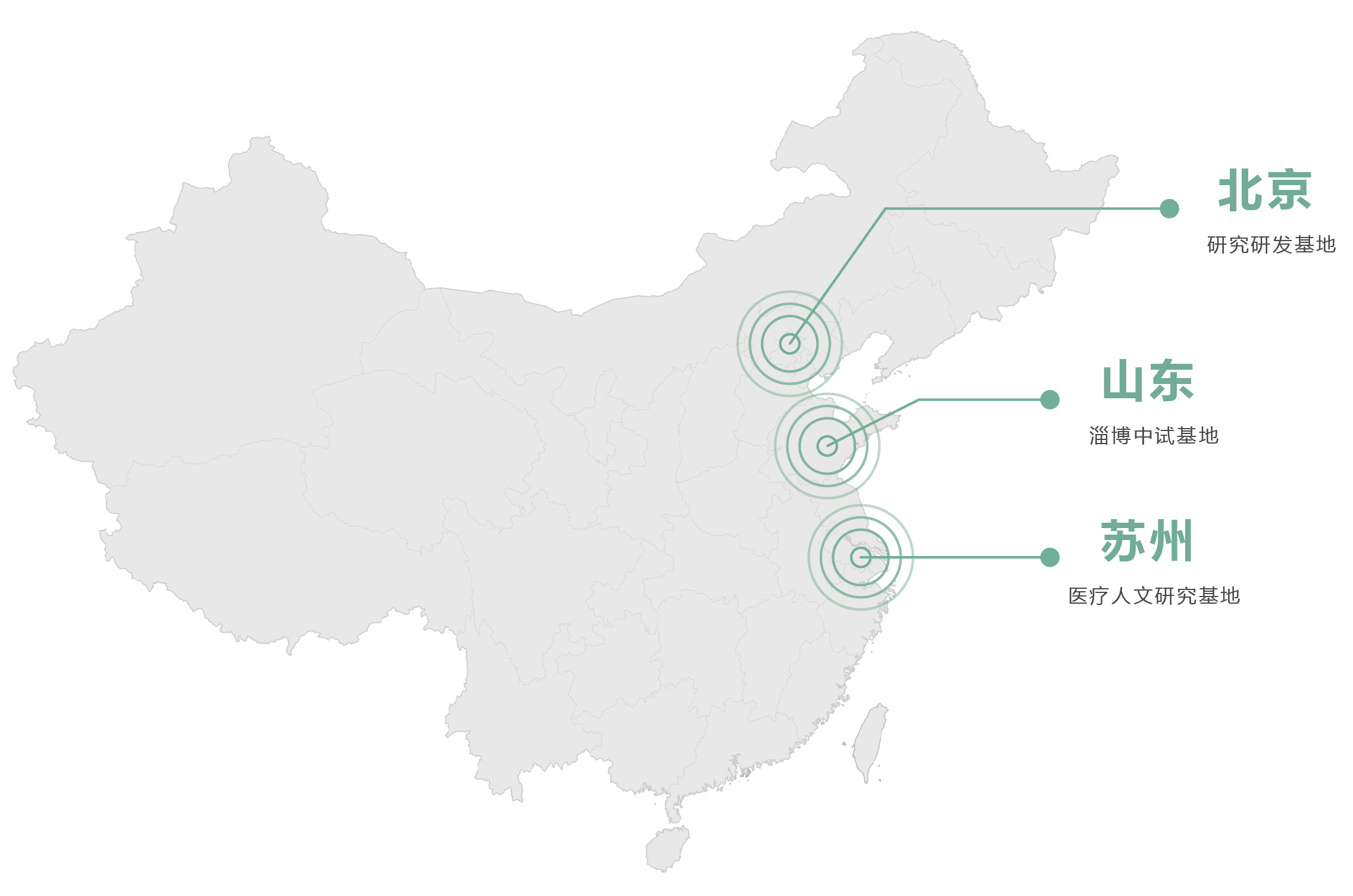
Lehe New Medicine’s "China Solution" is anchored by three comprehensive bases located in Beijing, Zibo (Shandong), and Suzhou (Jiangsu). Supported by a multidisciplinary team encompassing Western medicine, Traditional Chinese Medicine, psychology, and natural rehabilitation guidance, the program offers comprehensive, end-to-end coverage of the entire health cycle—from diagnosis and treatment through to rehabilitation and wellness care. By establishing a fully closed-loop system integrating medical treatment, rehabilitation, and wellness, it serves as both a complement to and an upgrade of traditional medical models. This approach enables patients suffering from chronic conditions—such as cancer, metabolic disorders, autoimmune diseases, degenerative conditions, and cardiac ailments—to achieve improved and even reversed health markers following systematic holistic conditioning, thereby opening the door to renewed hope for autonomous physical and mental well-being.

  • 15+years

    vNKT clinical research

  • 90,000+families

    Second opinion consultation

  • 1,200+cases

    vNKT solid tumor therapy

  • 3,000+cases

    Chronic disease recovery & wellness care

  • 10,000+articles

    Immune health education

China's New Medical Solution

After twenty years of relentless exploration, Lehe MedNeo has always adhered to the philosophy of “seeing results in the real world.” Supported by the cutting-edge vNKT cell technology as a scientific engine, and further integrating the wisdom of both Chinese and Western medicine, it has forged a unique practical pathway known as “Lehe Four Methods and Eight Prescriptions.” This system is guided by four core principles: Immune Enhancement, Plant-Based Diet Reduction, Distinctive Traditional Chinese Medicine, and Positive Mindfulness. These principles are woven through eight health prescriptions covering medications, immunity, diet, gut microecology, TCM, exercise, psychology, and belief — systematically rebooting the body's self-healing ability, building a robust immune defense, and achieving efficient recovery and functional reversal of chronic diseases such as tumors and metabolic disorders.

Lehe MedNeo, with its systemic conditioning model that integrates “Chinese and Western medicine” and “science and humanities,” is dedicated to realizing the beautiful vision of a “world free from illness.”
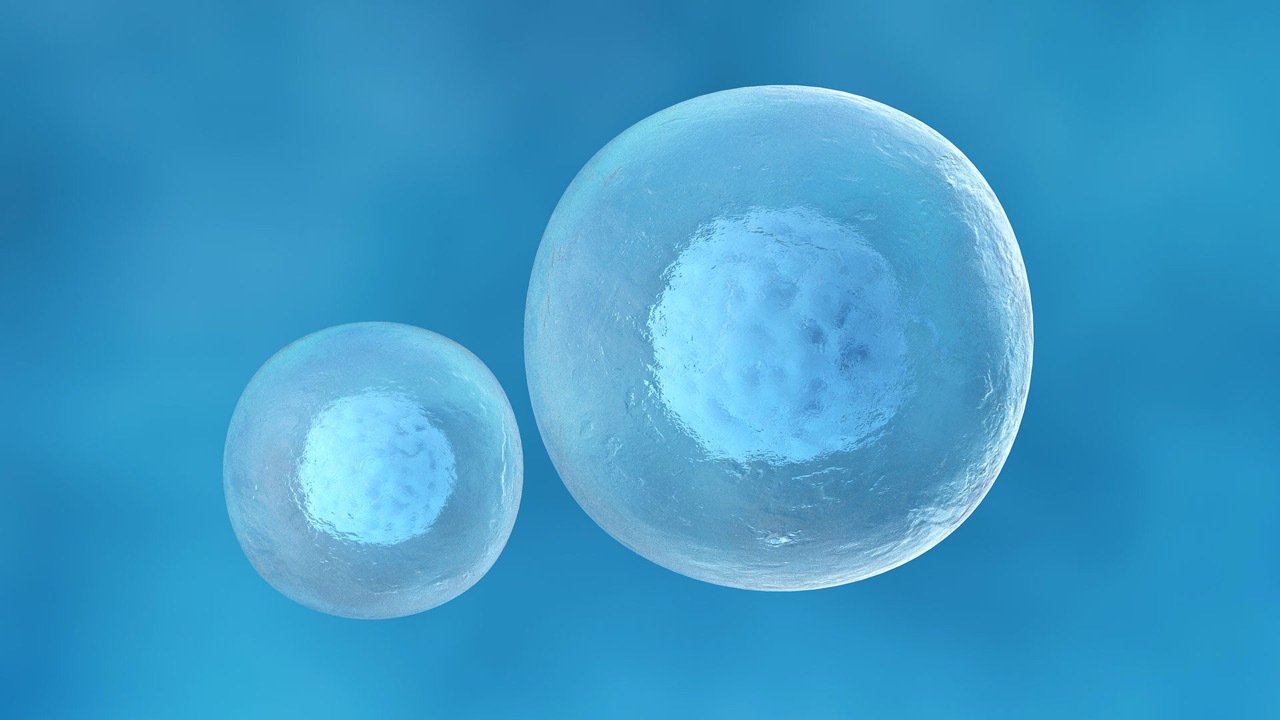
Immune Enhancement
Immune Enhancement

Using vNKT cell technology as the core approach to reduce cancer risk for high-risk populations, extend survival for chronic disease patients, and improve quality of life.
Plant-Based Diet
Plant-Based Diet

A scientific interpretation of Eastern cultivation wisdom: first clearing accumulated toxins, then providing balanced nutritional ratios, promoting fatty acid utilization, and restoring the body's self-repair ability.

Distinctive TCM
Distinctive TCM

Terahertz wave thermotherapy, cranial impulse stimulation, precision meridian activation combined with TCM formulations, internal and external conditioning, enabling precise drug targeting for immediate results.

Positive Mindfulness

Pioneering the integration of mindfulness and core psychology. Harvard professor visited and co-founded the “Langer-Zhang Positive Mindfulness Psychology Research Center,” using “Immunity and Positive Mindfulness” to guide cancer patients out of psychological difficulties.

Classic Cases

New Medical Practice Revolution

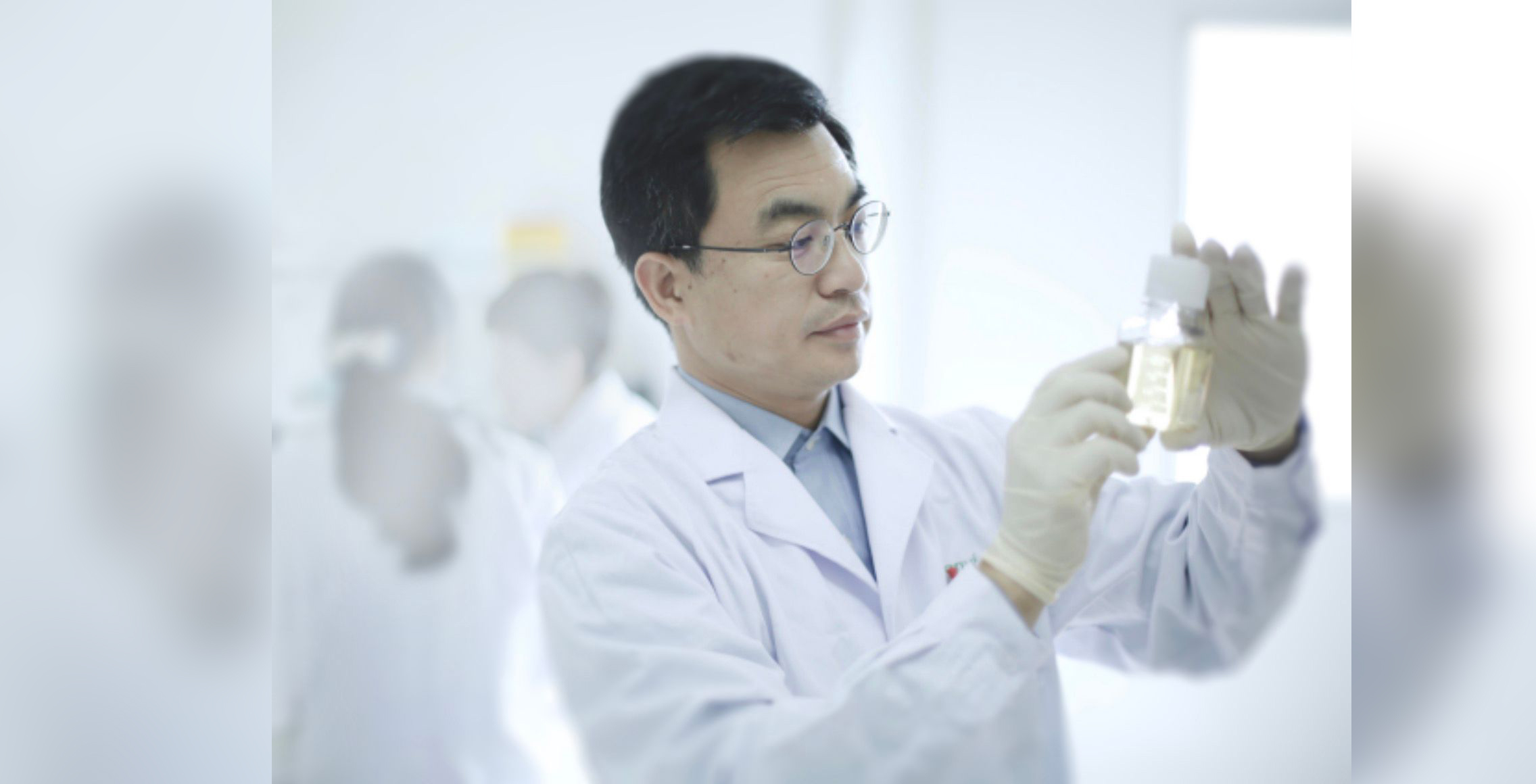
In 2004, the groundbreaking research by Professor Zhang Mingmin's team was featured on the cover of <em>Nature Immunology</em>, marking China's immunology debut on the world stage. Seizing this opportunity, Professor Zhang embarked on an exploration of tumor therapy. His team's discovery of vNKT cells brought new hope for solid tumor cell therapy. Building on technological innovation, Professor Zhang also proposed a series of humanistic concepts such as “Shared Decision-Making among Doctors, Researchers and Patients” and “Love is the Best Medicine in the World,” pioneering the “Lehe MedNeo” system that deeply integrates science and humanities.
New Medical Practice Revolution

Lehe Dynamics

Explore More
Author: Jiaqi Wang, Chen Wang, Li Fan, Liang Zhao*, Wen-Song Tan. Analytical and Bioanalytical Chemistry, 2019, 411(13): 2971-2979 Abstract Chinese hamster ovary (CHO) cells are predominant in the production of therapeutic proteins to treat various diseases. Characterization and investigation of CHO cell metabolism in a quick and simple way could boost process and cell line development. Therefore, a method to simultaneously detect seven redox- and energy-related metabolites in CHO cells by capillary electrophoresis has been developed. An on-line focusing technique was applied to improve the peak shape and resolution by using a 50 μm× 44 cm uncoated fused silica capillary. Key parameters and their interactions were investigated by design of experiments (DoE) and optimized conditions were determined by desirability function as follows: 24 °C, 95 mM, and pH 9.4 of BGE. The method was validated to ensure sensitivity, linearity, and reproducibility. The limits of detection (LODs) ranged from 0.050 to 0.688 mg/L for seven metabolites, and correlation coefficients of linearity were all greater than 0.996. The relative standard deviations (RSD) of migration time and peak area were smaller than 0.872% and 5.5%, respectively, except for NADPH, and the recoveries were between 97.5 and 101.2%. The method was successfully applied to analyze the extracts from CHO cells under two different culture conditions. 通过毛细管电泳同时检测烟酰胺腺嘌呤核苷酸和腺苷酸池来量化生产单抗的CHO细胞的氧化还原和能量状态 中国仓鼠卵巢(CHO)细胞是生产用于治疗各种疾病的治疗性蛋白的主要宿主细胞。对CHO细胞代谢进行简单快速的表征和研究有利于促进过程开发和细胞系构建。因此,我们建立了一种毛细管电泳同时检测CHO细胞中7种氧化还原和能量代谢相关化合物的方法。采用50 μm× 44 cm的无涂层熔融二氧化硅毛细管对代谢物进行在线检测改善了峰形并提高了分辨率。采用实验设计软件(DoE)对关键参数及其相互作用进行了研究,通过期望函数确定BGE的最优条件为24℃,95 mM, pH 9.4。并对该方法进行验证,以确保其灵敏度、线性和重复性。7种代谢物的检出限(lod)范围为0.050 ~ 0.688 mg/L,线性相关系数均大于0.996。除NADPH外,其它六种代谢物的迁移时间和峰面积的相对标准偏差(RSD)分别小于0.872%和5.5%,加样回收率在97.5 ~ 101.2%之间。该方法成功应用于两种不同培养条件下CHO细胞提取物的分析。
Get Article
Author: Yixiao Wu, Hanjing Jia, Hanzhang Lai, Xuping Liu*, Wen-Song Tan. Bioresources and Bioprocessing, 2020, 7: 63 Abstract The use of H9N2 subtype avian influenza vaccines is an effective approach for the control of the virus spread among the poultry, and for the upgrading of vaccine manufacturing, cell culture-based production platform could overcome the limitations of conventional egg-based platform and alternate it. The development of serum-free suspension cell culture could allow even higher virus productivity, where a suspension cell line with good performance and proper culture strategies are required. In this work, an adherent Mardin–Darby canine kidney (MDCK) cell line was adapted to suspension growth to cell concentration up to 12 × 106 cells/mL in a serum-free medium in batch cultures. Subsequently, the H9N2 influenza virus propagation in this MDCK cell line was evaluated with the optimization of infection conditions in terms of MOI and cell concentration for infection. Furthermore, various feed strategies were tested in the infection phase for improved virus titer and a maximum hemagglutinin titer of 13 log2 (HAU/50 μL) was obtained using the 1:2 medium dilution strategy. The evaluation of MDCK cell growth and H9N2 virus production in bioreactors with optimized operating conditions showed comparable cell performance and virus yield compared to shake flasks, with a high cell-specific virus yield above 13,000 virions/cell. With the purified H9N2 virus harvested from the bioreactors, the MDCK cell-derived vaccine was able to induce high titers of neutralizing antibodies in chickens. Overall, the results demonstrate the promising application of the highly efficient MDCK cell-based production platform for the avian influenza vaccine manufacturing. 利用MDCK悬浮细胞高效生产H9N2流感疫苗 H9N2亚型禽流感疫苗的使用是控制禽流感病毒在禽类间传播的有效途径,而细胞培养生产平台能够克服传统鸡蛋平台的局限性并对其替代,从而实现疫苗生产工艺的升级。无血清悬浮细胞培养技术的发展,特别是高产悬浮细胞株的开发和培养策略的优化,能够有助于提高病毒的产量。本研究将一株贴壁型MDCK细胞系进行了无血清悬浮驯化,批培养条件下最高细胞密度可达12×106 cells/mL。随后对H
Get Article
Author: Chen Wang, Jiaqi Wang, Min Chen, Li Fan, Liang Zhao*, Wen-Song Tan. Biotechnology Letters, 2018, 40(8): 1201-1208 Abstract Objective To explore the influence of ultra-low carbon dioxide partial pressure (pCO2) on the monoclonal antibody (mAb) N-glycosylation profile in Chinese hamster ovary (CHO) cell culture. Results In fed-batch bioreactor cultures, lowering the pCO2 in the medium (<25 mmHg) via increasing headspace aeration decreased the cell viability and mAb production in CHO cells. Additionally, mAb galactosylation under low pCO2 was approximately 27.45 ± 2.13%, noticeably higher than that observed under normal pCO2 (21.36 ± 1.66%) at harvest. However, all of the relevant intracellular nucleotide sugar concentrations were dramatically decreased to approximately 50% of the levels found under normal pCO2 on day 7. Real-time PCR revealed that the upregulation of galactosylationrelated glycosyltransferase genes and substrate transporter genes played a critical role in the improved galactosylation under the ultra-low pCO2 condition. Conclusions In the bioreactor culture processes, ultra-low pCO2 demonstrated a positive effect on mAb galactosylation. 反应器培养CHO细胞生产单抗过程中过低的二氧化碳分压导致抗体半乳糖基化水平升高 目的:研究过低的二氧化碳分压(pCO2)对中国仓鼠卵巢(CHO)细胞培养产生的单克隆抗体N-糖基化的影响。 结果:在反应器流加培养过程中,通过增加表层通气来降低培养基中的 pCO2 (<25 mmHg)这一方式会降低CHO细胞的细胞活力及单抗产量。此外,在过低的pCO2条件下,单抗糖基的半乳糖化为27.45±2.13%,显著高于正常pCO2条件下收获的单抗糖基的半乳糖化水平(21.36±1.66%)。然而,所有相关的胞内核苷糖浓度在第7天均急剧下降到正常pCO2培养条件下的约50%。实时PCR显示,在过低pCO2条件下,与半乳糖基化相关的糖基转移酶基因及底物转运子基因的上调对改善半乳糖基化起着关键作用。 结论:在反应器培养过程中,过低的pCO2会提高单抗N糖链的半乳糖化水平。
Get Article