About Lehe
乐于心,和与众,与己乐,与人和; 心宽念纯,百病无生。


乐于心,和与众,与己乐,与人和; 心宽念纯,百病无生。


Although cancer is only two short words, it is enough to bring down a person, even a family. But in fact, before cancer becomes "scary", the body has already given out warnings.
Recently, a groundbreaking study published in the British Medical Journal (BMJ) conducted an in-depth follow-up of over 900 patients with different types of cancer, confirming that the body emits "distress signals" before a cancer diagnosis is made. [1]

How many cancer warnings can you understand?
Alarm 1: Unexplained weight loss
Sudden weight loss is associated with various causes, and cancer is one of the significant factors. Relevant research shows that compared to people with normal weight, those who experience sudden weight loss are at an increased risk of being diagnosed with cancer within 3 to 6 months after the first recorded change in weight. Males who experience sudden weight loss are three times more likely to be diagnosed with cancer within 3 months, and twice as likely to be diagnosed within 6 months, compared to ordinary males. For females, the likelihood of being diagnosed with cancer within 3 months is twice that of ordinary females. [1]

Why does cancer cause weight loss?
Research has found that cancer cells have a voracious appetite, with their ability to absorb glucose being more than 10 times that of normal cells. When normal cells are deprived of nutrients, it is difficult for them not to lose weight.
Furthermore, cancer cells are also very malignant, as they can excrete large amounts of lactic acid, creating an acidic environment that is suitable for themselves but not for normal cells. This environment leads to severe damage and death of normal cells, naturally resulting in weight loss.
Unexplained weight loss is not necessarily due to weight loss efforts; one must be vigilant of diseases "laughing behind their backs".
Alarm 2: Persistent pain
Pain is one of the most common symptoms among cancer patients. The incidence of pain in newly diagnosed cancer patients is about 25%; in advanced cancer, the incidence is about 60% to 80%, with one-third of patients experiencing severe pain. [2]
Persistent pain is not something that can be endured and then passed. It may be caused by tumor growth, leading to the stretching of the capsule on the surface of the organ and stimulating the pain-sensing nerves within the capsule. It may also be caused by tumor compression of nearby nerve roots and trunks, or even direct growth on the nerve trunks. Additionally, it may be caused by tumor invasion of the esophagus, intestines, or blood vessels, leading to obstruction...

If a certain part of your body suddenly becomes painful and persists for more than a week without relief, you must be vigilant and investigate the source of the pain. Do not self-medicate with painkillers and "just bear with it", as this may lead to missing the opportunity for early diagnosis.

Alarm 3: Unidentified lump

In patients with nasopharyngeal cancer, about 60% to 80% initially present with a cervical mass, [3] while ovarian cancer, colon cancer, pancreatic cancer, liver cancer, and gastric cancer may form masses in the abdomen.
Lymph nodes are important sites for the activation of immune cells in the body. When cancer cells metastasize to lymph nodes, these sentinels will send an alarm in the form of enlargement.
Therefore, when a mass or nodule is felt on the body, it is important to first distinguish whether it is benign and whether it is accompanied by special changes such as pain, redness, rapid enlargement in a short period of time, and abnormal blood vessels.
Alarm 4: Non-traumatic abnormal bleeding
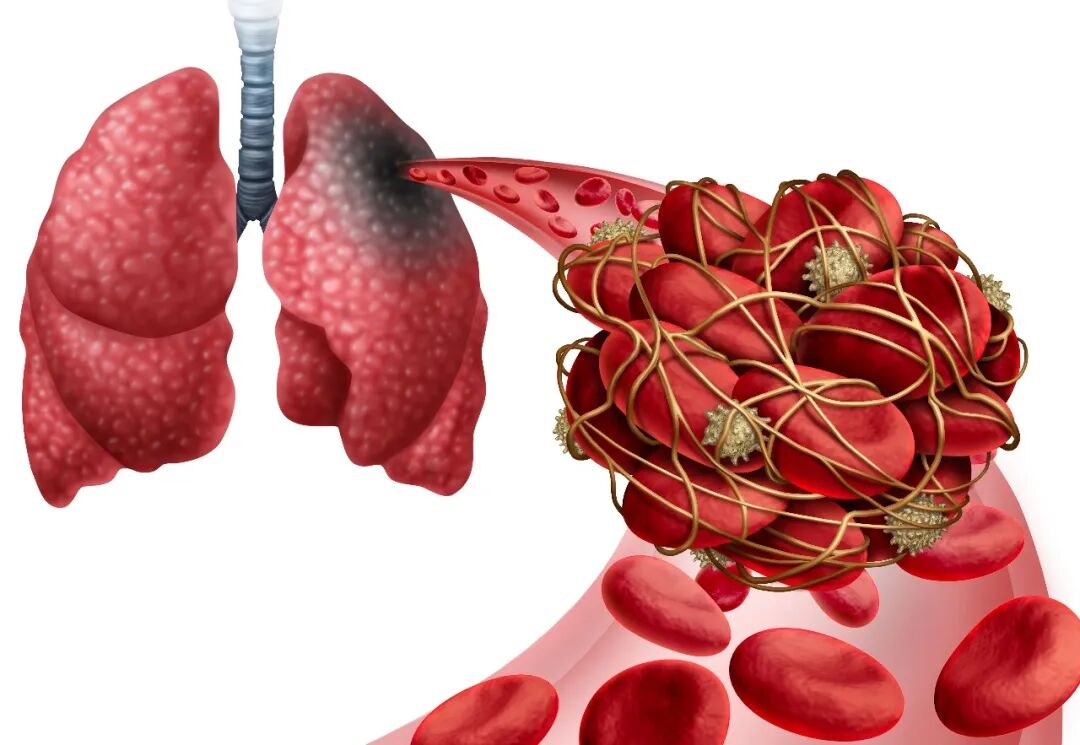
· Blood in stool and hematemesis may indicate intestinal cancer or stomach cancer
· Painless hematuria or accompanied by difficulty in urination may indicate tumors of the urinary system, such as kidney cancer and bladder cancer
· Non-menstrual bleeding or irregular vaginal bleeding in women may indicate gynecological tumors such as endometrial cancer and ovarian cancer
· Non-traumatic epistaxis may indicate nasopharyngeal cancer
Alarm 5: Dysphagia

Alarm 6: Change in bowel habits
Since the intestinal epithelium lacks nerves, intestinal problems do not "cry out in pain", making bowel movements a barometer of intestinal health.

Alarm 7: Persistent coughing

Health knowledge worth sharing with family and friends - always one step ahead of cancer!
Reference sources:
[1] Nicholson BD, Virdee P, Aveyard P, et al. Prioritizing primary care patients with unexpected weight loss for cancer investigation: diagnostic accuracy study (update). BMJ. 2024 Oct 16;387:e080199. PMID: 39414353; PMCID: PMC11480917.
[2] National Health Commission. Cancer Pain Diagnosis and Treatment Guidelines (2018 Edition)
[3] Zhang Zengxiao, Jiang Jiaxin, Jiang Yan. Patterns of Nasopharyngeal Carcinoma Invasion and Development to Surrounding Structures [J]. Chinese Journal of Otorhinolaryngology Head and Neck Surgery, 2022, 57(11): 1378-1383.
[4] https://linkinghub.elsevier.com/retrieve/pii/S0959804908008010
[5] Kocher F, Hilbe W, Seeber A, et al. Longitudinal analysis of 2293 NSCLC patients: a comprehensive study from the TYROL registry. Lung Cancer 2015; 87:193.

Scan QR code
Communicate with Professor Zhang Minghui's team
Founder of Lehe New Medicine
Professor Zhang Minghui, a Ph.D. in Immunology from Tsinghua University School of Medicine, has led a research team for over 20 years since the discovery of vNKT cells in 2002. They have accumulated experience in treating over 700 cases of solid tumors, covering almost all common solid tumors. The research results fully demonstrate the great value of vNKT cells in the treatment of solid tumors.

It is suitable for postoperative patients with high pathological malignancy or a risk of recurrence; patients whose tumors have been basically controlled but not cured through conventional treatments such as chemotherapy, radiotherapy, and targeted therapy; patients with persistent high carcinogenic factors; and patients intolerant to radiotherapy and chemotherapy. If these patients do not receive effective follow-up treatment after traditional anti-tumor therapy, recurrence, metastasis, or reoccurrence of tumors will be highly probable. In this case, vNKT cell therapy is an ideal follow-up treatment method, which can significantly improve the prognosis of patients.
Click on the image to view past exciting content





Address: Room 1101 (Unit 101), 11th Floor, Building 1, No. 7 Courtyard, Kexueyuan Road, Life Science Park, Changping District, Beijing
Phone:010-8265 9866
Email:lehemedneo@hotmail.com