Contact Us Careers
Lehe Popularization

The beverage commonly consumed by Chinese people is linked to liver cancer, colorectal cancer, esophageal cancer, and breast cancer

时间:2026-05-22 人气:
   
Click on the blue text above to follow us    


Various types of alcohol should be considered the most common beverage on the Chinese dining table. According to data from the China Alcoholic Drinks Association, there are approximately 500 million alcohol consumers in China, with men drinking an average of 11 liters of alcohol per year and women drinking an average of 3 liters of alcohol per year. Strong Baijiu and beer are the main choices for people.

While alcohol has become a regular guest at the dining table, it also hides huge health risks.


A study published by the International Agency for Research on Cancer (IARC) in the well-known medical journal The Lancet showed that in 2020, there were an estimated 741,000 new cases of cancer globally, with about 41% attributable to alcohol consumption. Among these cases of cancer caused by alcohol consumption, the number of new cases of esophageal cancer reached 189,700, liver cancer 154,700, and breast cancer in women 98,000. Not only that, drinking alcohol increases the risk of cancer in seven areas: the mouth, pharynx, larynx, esophagus, colorectal, liver, and female breast. [1]


Chinese people face a higher risk of cancer when drinking alcohol!


     
After drinking a glass of wine, alcohol is metabolized in the liver into acetaldehyde, which is highly toxic and can directly damage the DNA structure of cells. Not only that, acetaldehyde can also interfere with DNA synthesis and repair, keeping DNA in a damaged state for a long time.


It is good if a person can quickly metabolize the acetaldehyde produced in the body after drinking alcohol. However, studies have found that 28% to 45% of East Asians (including Chinese) carry mutations in the aldehyde dehydrogenase 2 (ALDH2) gene, which can lead to slow metabolism of acetaldehyde produced after drinking alcohol, causing it to accumulate in the body. This provides a backdoor opportunity for acetaldehyde, a carcinogen, to enter the body, thus making China one of the regions with the highest risk of cancer caused by alcohol consumption.

How to know whether your alcohol metabolism ability is good or bad?


     
First, let's see if you tend to blush easily after drinking. People who exhibit a tendency to blush after drinking are often associated with mutations in the ALDH2 gene. These individuals have extremely low activity of aldehyde dehydrogenase and very weak alcohol metabolism. After drinking, their capillaries dilate, leading to accumulation of acetaldehyde and resulting in blushing symptoms, often accompanied by headaches and nausea.


Some people also feel unwell after consuming small amounts of alcohol, experiencing strong intoxication and slow recovery, which is also a manifestation of weak alcohol metabolism.


Is it enough to drink less?


According to research published in The Lancet in 2018, there is no safe level of alcohol consumption, and the safest level of alcohol intake is "0"[3].


▶ Even among light to moderate drinkers (up to two drinks per day), the risk of cancer (including oral cancer, breast cancer, and colon cancer) is significantly increased[2].


▶ For every additional 20 grams of alcohol per day (approximately two drinks), there is a 15% increase in the risk of colorectal cancer[4].


▶ Even a small glass of various alcoholic beverages containing approximately 10 grams of alcohol per day, such as beer, can increase the risk of breast cancer by 5% in premenopausal women and 9% in postmenopausal women[5]. Breast cancer is directly proportional to the amount of alcohol consumed.


In addition, alcohol itself can lead to hormonal imbalances, further contributing to breast cancer. At the same time, it can also act as a "solvent" for other carcinogens. For example, alcohol increases the risk of head and neck cancer in smokers by enhancing the absorption of carcinogens in tobacco. [2]

After drinking alcohol, it reaches the brain in just 10 minutes; 50% of the alcohol is absorbed in 15 minutes; 60% to 90% is absorbed by the body after 30 minutes; and it takes 2 to 3 hours for the body to fully absorb all the alcohol.

However, metabolizing all this alcohol takes several times or even dozens of times longer.

Drink less, your immune system will thank you


     
Drinking less alcohol can reduce the metabolites of alcohol (such as acetaldehyde), lower the levels of inflammatory factors in the body, weaken oxidative stress response, and gradually restore the function of immune cells. The inhibitory effect of alcohol on the immune system will also be gradually lifted.

Studies have shown that abstinence from alcohol can significantly reduce inflammatory markers such as C-reactive protein and enhance the activity of natural killer (NK) cells and macrophages, thereby enhancing the clearance of viruses and bacteria.

Furthermore, without the weakening effect of alcohol on mucosal barriers (such as respiratory and intestinal mucosa), the integrity of the mucosal barriers can be restored, and the immune system's recognition and attack efficiency against pathogens can be improved, which can reduce the risk of infection and accelerate disease recovery.


Therefore, to maintain a healthy body, drinking less alcohol should be the first step. For those who have poor alcohol metabolism, it is better to "avoid alcohol altogether".

If you find it helpful, please share it with your family members as well~


Reference sources:
[1]Harriet Rumgay, Kevin Shield et al. Global burden of cancer in 2020 attributable to alcohol consumption: a population-based study. Lancet Oncol. 2021 July. https://doi.org/10.1016/S1470-2045(21)00279-5
[2]Atharva Rohatgi, Cheng-I Liao, Michelle Ann Caesar, Caitlin Ruth Johnson, Joshua Elbridge Chan, Daniel Stuart Kapp, John K Chan. The increasing incidence of alcohol-related cancers in young adults in the United States: Who is most at risk?
[3]Risk thresholds for alcohol consumption: combined analysis of individual-participant data for 599,912 current drinkers in 83 prospective studies. The Lancet, 14 April, 2018
[4]Papier K, Bradbury KE, Balkwill A, et al. Diet-wide analyses for risk of colorectal cancer: prospective study of 12,251 incident cases among 542,778 women in the UK. Nat Commun. 2025; 16(1):375. Published on January 8, 2025.  doi:10.1038/s41467-024-55219-5
[5] Report by the American Institute for Cancer Research (AICR) and the World Cancer Research Fund (WCRF)


Link  
Department
I
 

Scan QR code

Communicate with Professor Zhang Minghui's team
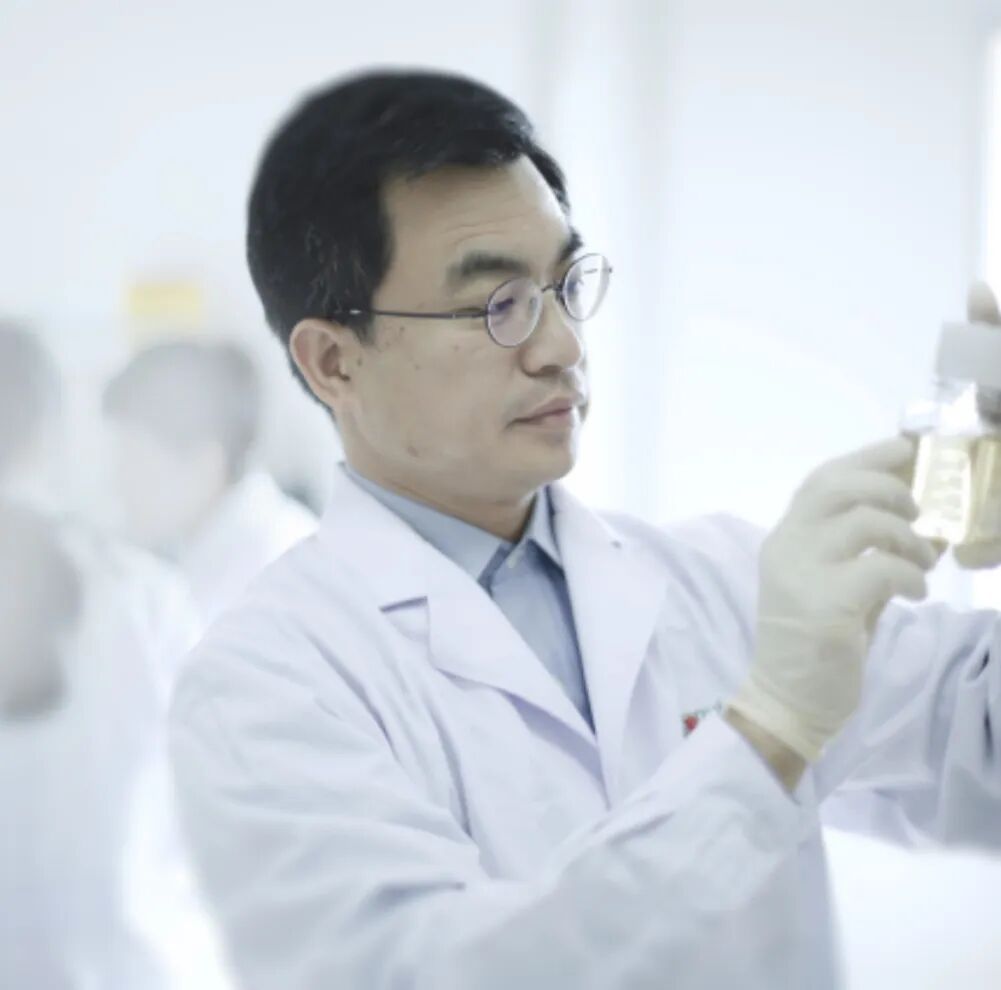


Zhang Minghui

Founder of Lehe New Medicine


Professor Zhang Minghui, who holds a PhD in Immunology from Tsinghua University School of Medicine, has led a research team for over 20 years since the discovery of vNKT cells in 2002. They have accumulated treatment experience in over 700 cases of solid tumors, covering almost all common solid tumors. The research results fully demonstrate the great value of vNKT in the treatment of solid tumors.
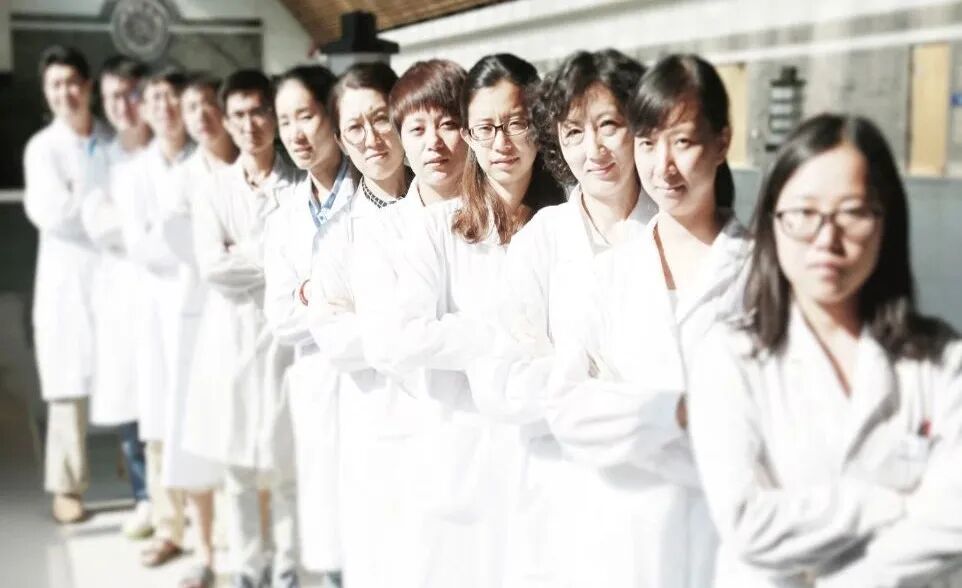


It is suitable for patients with high pathological malignancy or a risk of recurrence after surgery; patients whose tumors have been basically controlled but not cured through conventional treatments such as chemotherapy, radiotherapy, and targeted therapy; patients with persistent high carcinogenic factors; and patients who are intolerant to radiotherapy and chemotherapy. If these patients do not receive effective follow-up treatment after traditional anti-tumor therapy, recurrence, metastasis, or reoccurrence of tumors will be highly probable. In this case, vNKT cell therapy is an ideal follow-up treatment method that can significantly improve patient prognosis.


Written by: Zhang Tuo    
Reviewed by: Qiao Jiacheng, Wang Ying, Gao Chen
Edited/typeset by Zhang Jiao


Click on the image to view past exciting content



Fairies are watching
Click on the upper right corner of the homepage · Set as star!