About Lehe
乐于心,和与众,与己乐,与人和; 心宽念纯,百病无生。
乐于心,和与众,与己乐,与人和; 心宽念纯,百病无生。


We often hear that "disease enters through the mouth", but conversely, a good body can also be nourished through diet. A new study from Stanford University has found that eating more dietary fiber can have an anti-cancer effect beyond imagination!
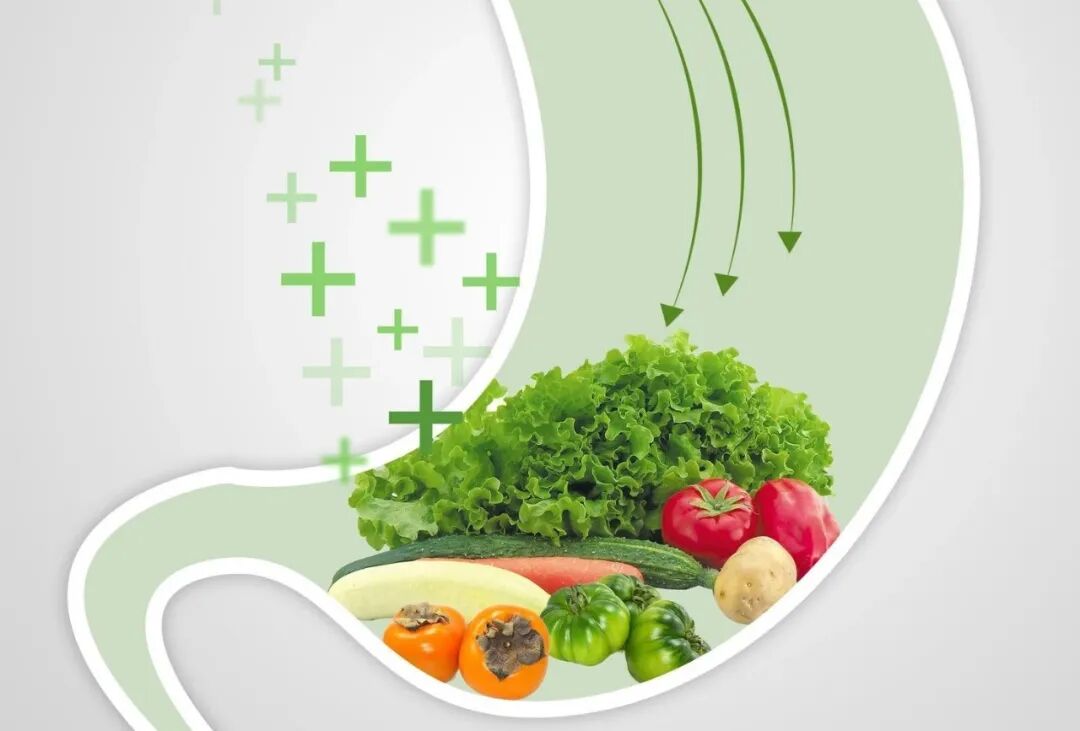
Dietary fiber is not a "necessary nutrient" in the traditional sense, as it cannot be digested and absorbed. However, it is an important dietary component, mainly found in daily plant-based foods.
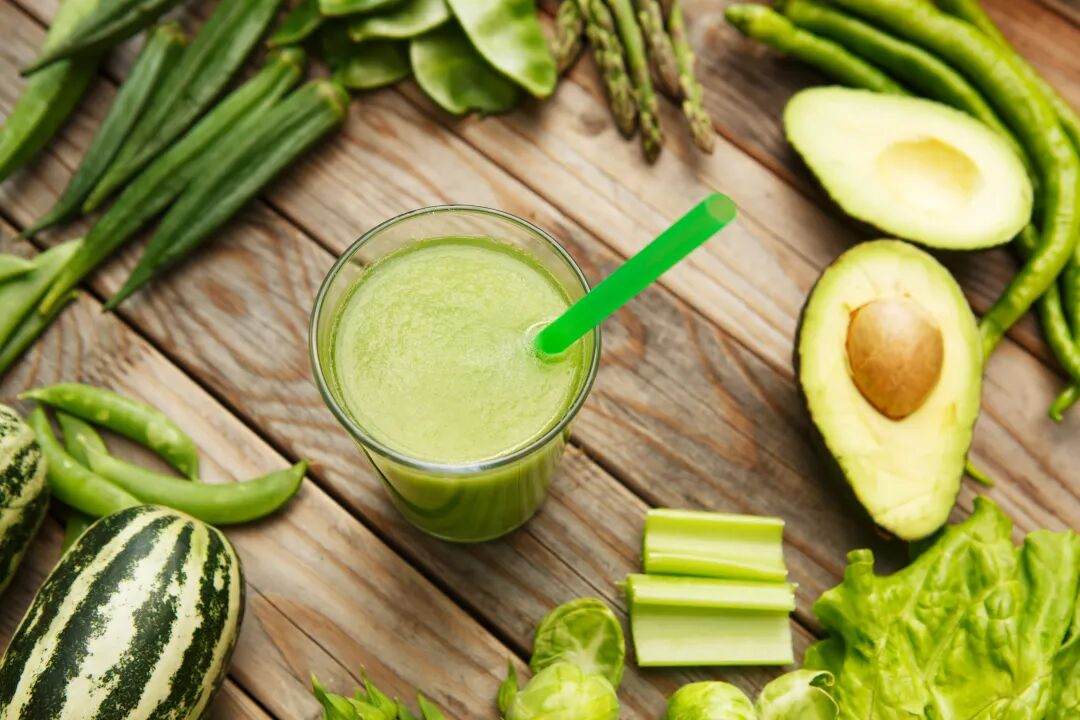
Why are components that are not digested and absorbed so important?
Dietary fiber is divided intoinsoluble fiber (such as crude fiber in whole grains and vegetables) and soluble fiber (such as pectin,β-glucan).
Insoluble fibers are like a soft"brush", helping to increase fecal volume, accelerate intestinal peristalsis, and reduce the residence time of harmful substances in the intestine.
Soluble fiber swells like a sponge after absorbing water, increasing satiety and encapsulating sugar and fat in food, stabilizing blood sugar and cholesterol levels.
· Dietary fiber can directly “activate” anti-cancer genes
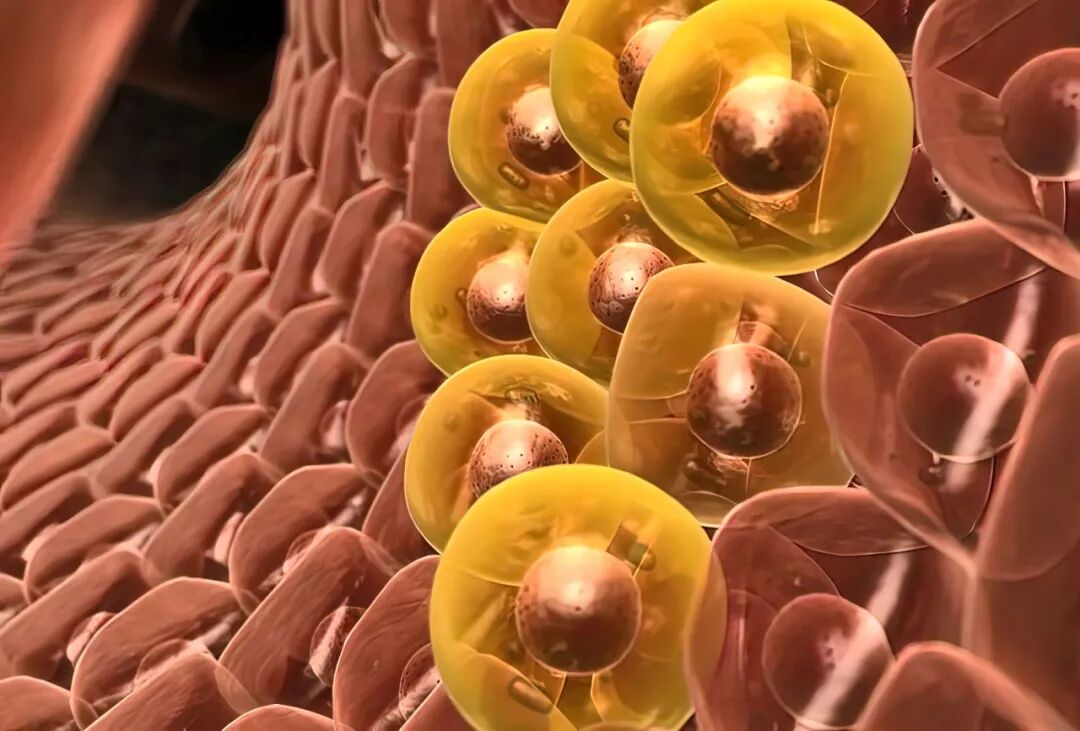
Recently, a new study in the journal -Metabolism found that the anti-cancer effect of dietary fiber may be more “direct” than previously thought. These short chain fatty acids can directly promote epigenetic regulation, allowing genes with anti-cancer effects to function< H221>[1]。
· Dietary fiber affects immune response
A study published in Frontiers of Immunology found that,After feeding mice a high fiber diet, the propionate produced by intestinal bacteria metabolismcan activate the immune response against cancer cells and help clear colorectal cancer cells
· Soluble fiber is associated with a lower risk of breast cancer
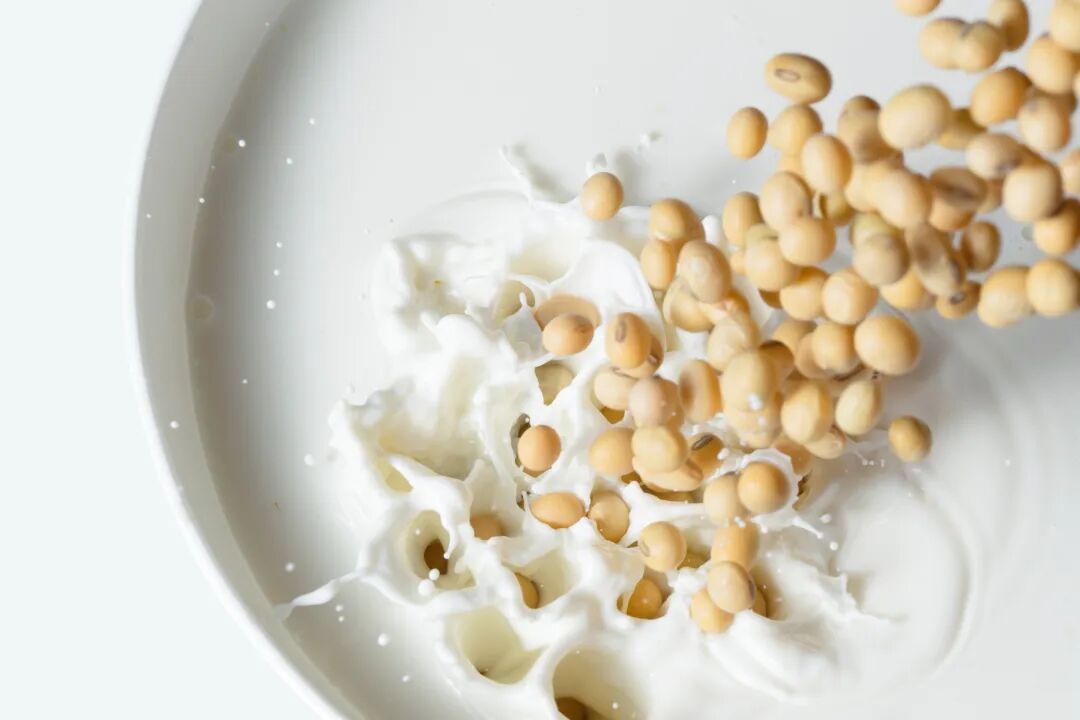
An analysis of all relevant prospective studies indicates that consuming high-fiber foods, especially soluble fiber, can reduce the incidence rate of breast cancer.
· A high-fiber diet can reduce the risk of lung cancer
Based on the analysis of research data from 1.4 million adults in the United States, Europe, and Asia, the risk of lung cancer was reduced by 33%in the group with the highest fiber intake compared to the group with the lowest fiber intake, indicating that this diet may also prevent lung cancer[4].

Eating more than 5 grams of dietary fiber per day can reduce the risk of cancer progression or death by 30%
Is your dietary fiber intake up to standard?
According to the recommendations of the "Chinese Dietary Reference Intakes for Nutrients (2023 Edition)", adults aged 18 and above should consume 25-30 grams of dietary fiber daily. Studies have found that for every additional 5 grams of fiber intake per day, the risk of cancer progression or death decreases by approximately 30%!
How to Get Enough Daily Dietary Fiber?
3 Tips to Help You Easily Meet the Daily Requirement
Whole grain staple food
A bowl of brown rice (150g) contains approximately 2.5g of fiber, while a bowl of white rice contains approximately 0.6g of fiber. Replace white rice with brown rice or oats/quinoa, and replace white flour with whole wheat flour
Eat fruits and vegetables directly, and try to juice them as little as possible
1Cup of orange juice ≈0.5gfiber, 1orange≈3.1gfiber
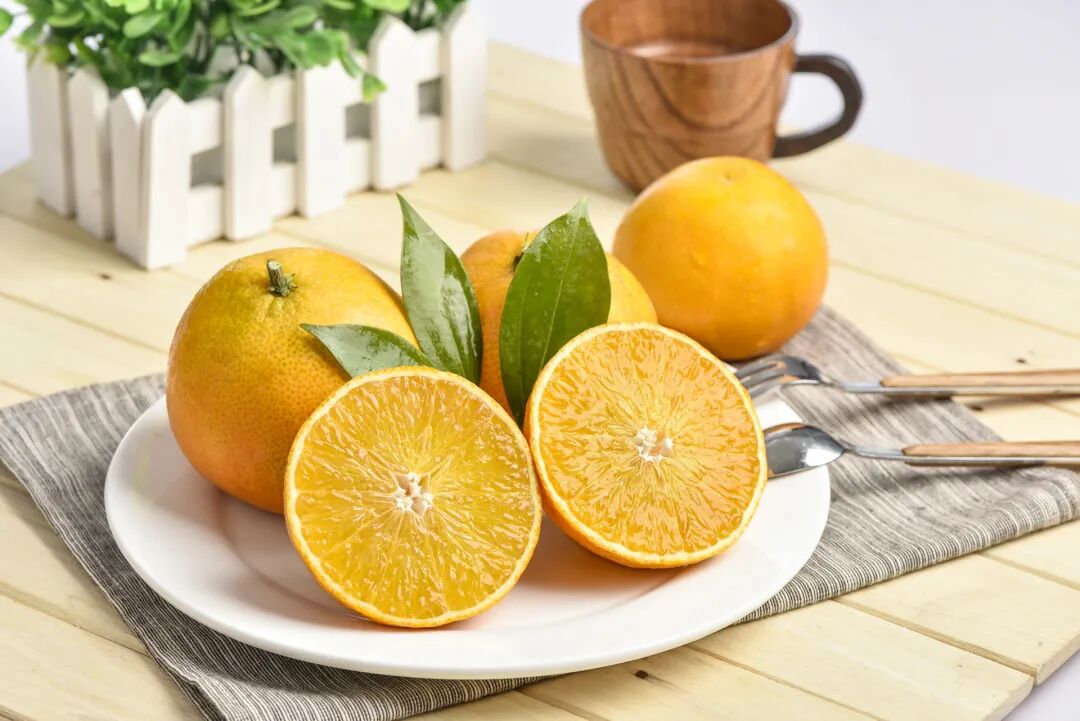
Many people enjoy juicing fruits and vegetables for consumption. In 2024, a systematic review and meta-analysis analyzed the relationship between 100% fruit and vegetable juice and health, finding that eating vegetables is very healthy, but drinking vegetable juice does not make you healthier, and dietary fiber is significantly lost[5].
Beans and seeds as side dishes
1spoon of chia seeds (10g)≈3.4gfiber
You can add a spoonful of chia seeds to your salad or yogurt bowl, or include some legumes as a side dish during stir-frying or soup making. This way, you can get an additional 2~3 gramsof fiber per meal.
In summary, based on the standard of 30 grams of dietary fiber intake per day for adults, roughly equivalent to eating 500 grams of green leafy vegetables, 100 grams of cereals and grains, and 250 grams of fruit per day.

High dietary fiber foods are highly recommended
Quinoa
has a higher dietary fiber content than the commonly known oats, containing 12g~14.4g of insoluble fiber and 1.4g~1.6g of soluble dietary fiber per
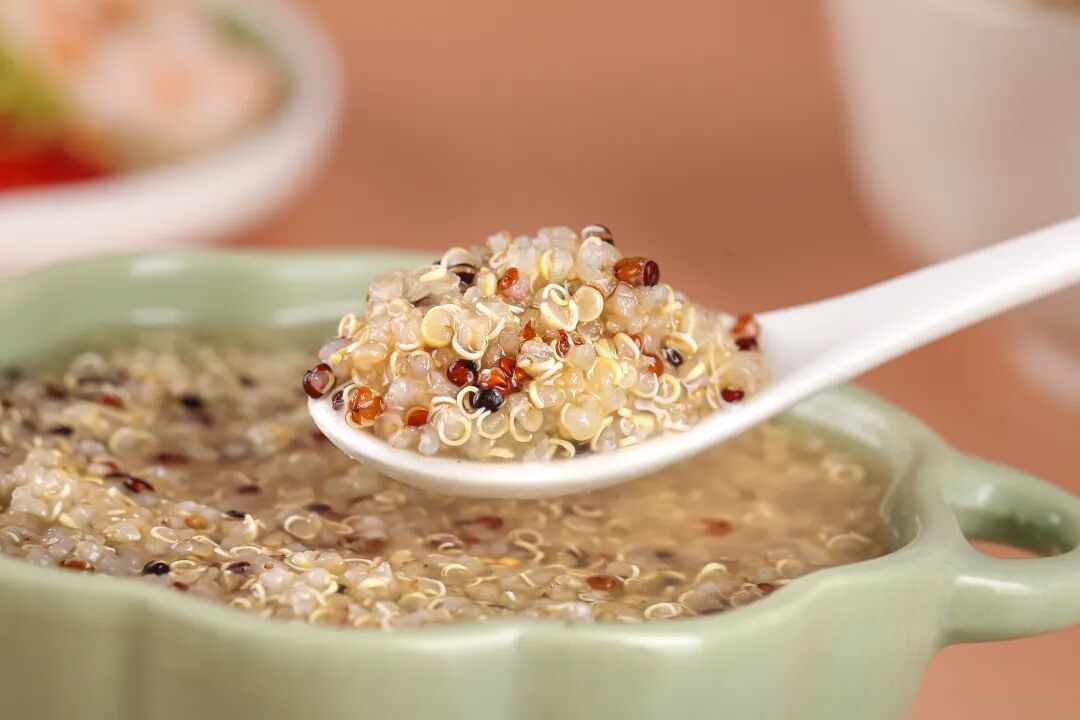 100g
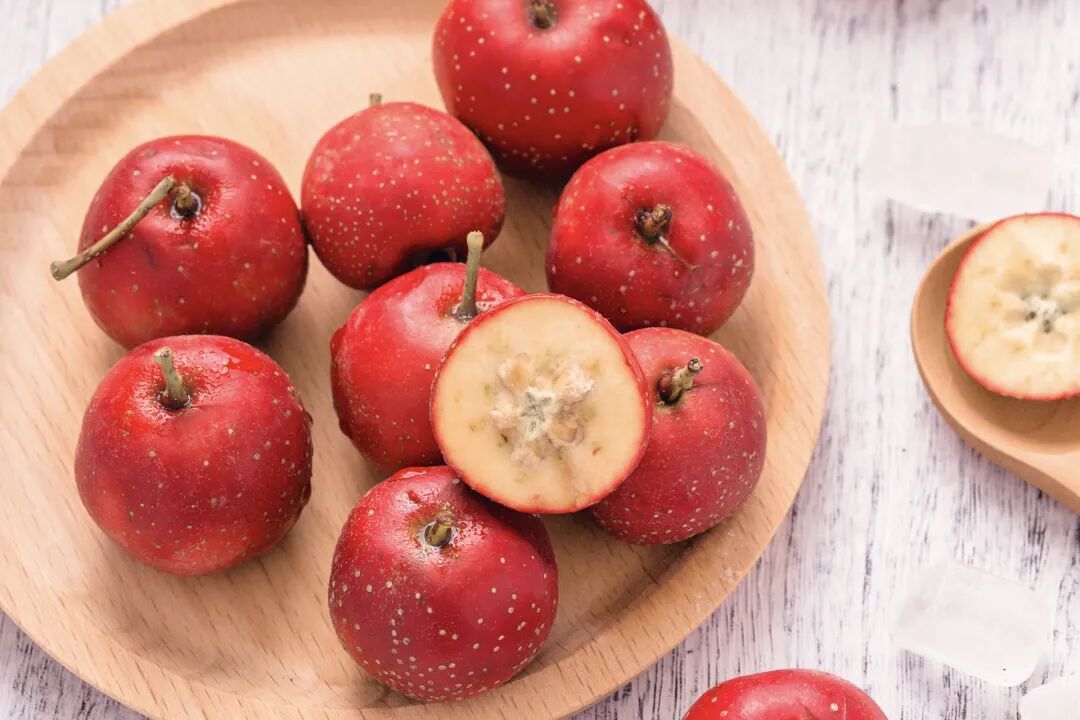
100g Hawthorn
contains 3.1 grams of insoluble dietary fiber per 100 grams, which is nearly 2 times that of apples. The content of water-soluble dietary fiber, pectin, is 2~3 times that of apples. The average total dietary fiber content is 6.75 grams per 100 grams.
Tip: A sudden increase in dietary fiber intake may cause abdominal distension. It is recommended to increase gradually . At the same time, due to the strong water-absorbing capacity of dietary fiber, consuming approximately 30 grams of dietary fiber per day requires supplementing with 1500-2500 milliliters of water .
Remember to like after watching+Share~
[1]Michael Nshanian et al., Short-chain fatty acid metabolites propionate and butyrate are unique epigenetic regulatory elements linking diet, metabolism and gene expression. Nature Metabolism (2025) DOI: 10.1038/s42255-024-01191-9
[2]DOI:10.3389/fimmu.2023.1190810
[3]Farvid, Maryam S. , et al. "Fiber consumption and breast cancer incidence: A systematic review and meta-analysis of prospective studies: Fiber intake and breast cancer incidence." Cancer 126.13(2020).
[4]Yang JJ, Yu D, Xiang YB, et al. Association of Dietary Fiber and Yogurt Consumption With Lung Cancer Risk: A Pooled Analysis. JAMA Oncol. 2020;6(2):e194107. doi:10.1001/jamaoncol.2019.4107
[5]Rossi I, Mignogna C, Del Rio D, Mena P. Health effects of 100% fruit and vegetable juices: evidence from human subject intervention studies. Nutr Res Rev. 2024 Jun; 37(1):194-238. doi: 10.1017/S095442242300015X. Epub 2023 Sep 1. PMID: 37655747.
[6]Dietary fiber and probiotics impact the gut microbiome and melanoma immunotherapy response

Scan the QR code
to communicate with Professor Zhang Minghui's team
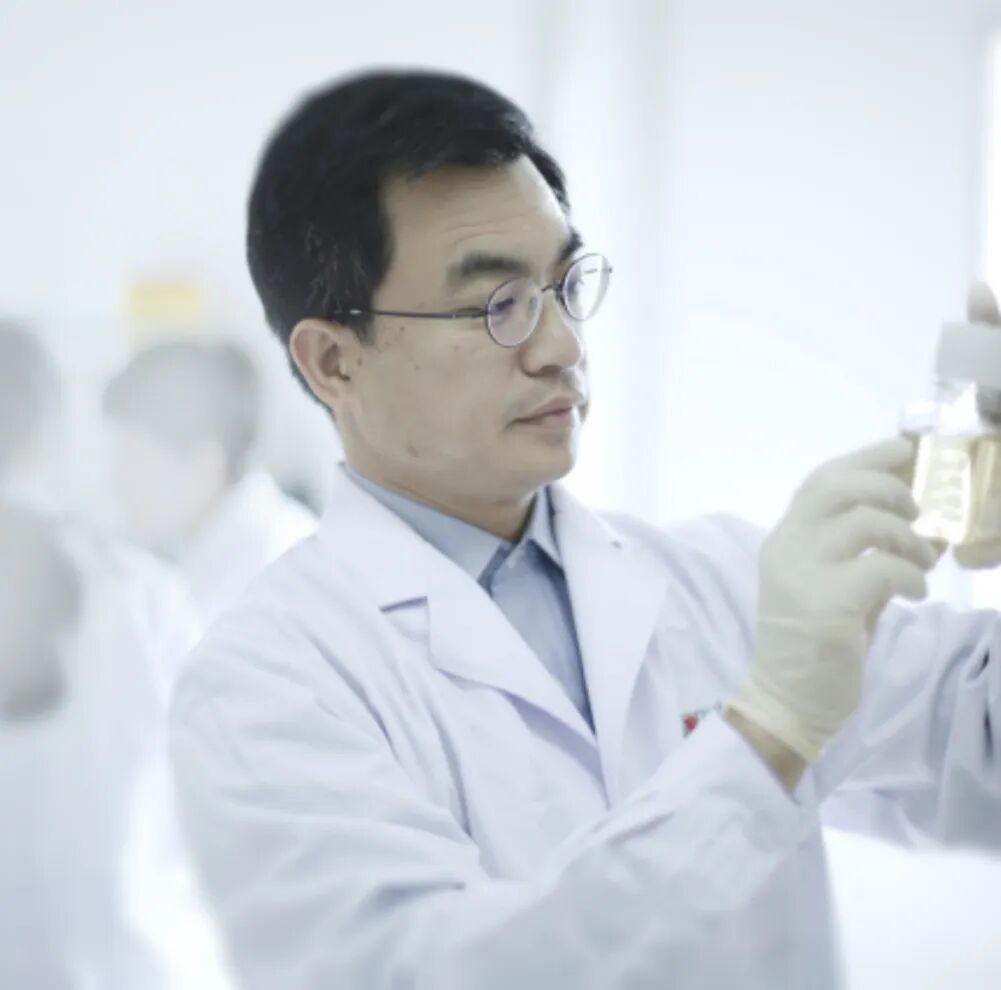
Founder of Lehe New Medicine
Professor Zhang Minghui, who holds a PhD in Immunology from Tsinghua University School of Medicine, has led a research team for over 20 years since the discovery of vNKT cells in 2002. They have accumulated experience in treating over 700 cases of solid tumors, covering almost all common types. The research results have fully demonstrated the immense value of vNKT cells in the treatment of solid tumors.
It is suitable for postoperative patients with high malignant potential or a risk of recurrence; patients whose tumors have been largely controlled but not cured through conventional treatments such as chemotherapy, radiotherapy, and targeted therapy; patients with persistent high carcinogenic factors; and patients intolerant to radiotherapy and chemotherapy. If these patients do not receive effective follow-up treatment after traditional anti-tumor therapy, recurrence, metastasis, or reoccurrence of tumors is highly likely. In such cases, vNKT cell therapy is an ideal follow-up treatment option, which can significantly improve patient prognosis.
Click on the image to view the exciting content from previous issues





Address: Room 1101 (Unit 101), 11th Floor, Building 1, No. 7 Courtyard, Kexueyuan Road, Life Science Park, Changping District, Beijing
Phone:010-8265 9866
Email:lehemedneo@hotmail.com