About Lehe
乐于心,和与众,与己乐,与人和; 心宽念纯,百病无生。


乐于心,和与众,与己乐,与人和; 心宽念纯,百病无生。


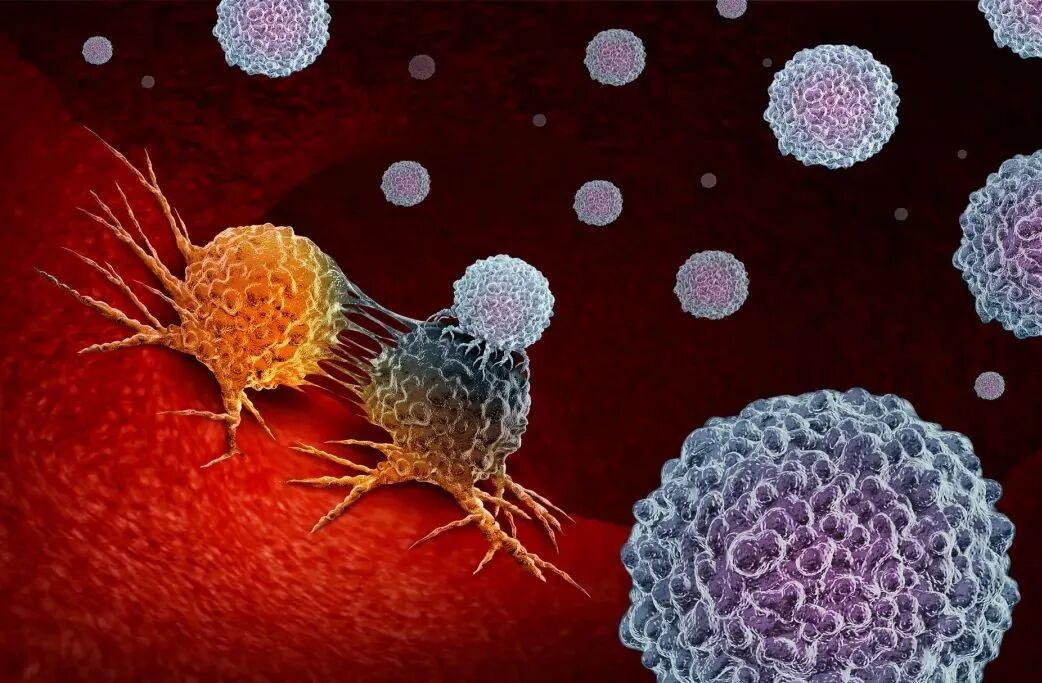
Due to the retention of many primitive proliferative characteristics and the lack of normal cell growth regulatory mechanisms in poorly differentiated tumor cells, these tumor cells typically proliferate much faster than well-differentiated tumors, and are more likely to penetrate tissue barriers, invade surrounding normal tissues and organs, and form new tumor lesions. Patients with poorly differentiated tumors typically have a shorter survival period, and even after surgical resection, the recurrence rate of poorly differentiated tumors remains high.
Lymph nodes are important immune organs in the human body and are also common sites of tumor metastasis. When cancer cells metastasize to lymph nodes, it often indicates that the tumor has acquired stronger invasion and metastasis capabilities.Generally speaking, the greater the number of lymph node metastases, the higher the risk of distant organ metastasis and the poorer the prognosis, and the risk of recurrence also increases accordingly.
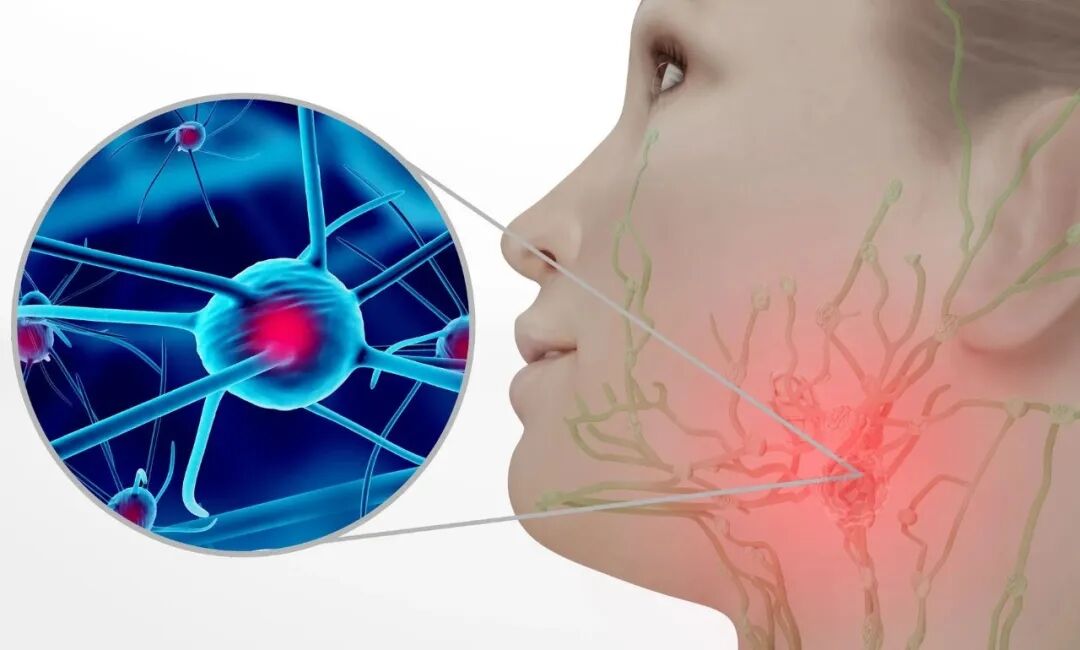
Lymph node biopsy or surgical excision biopsy is the definitive diagnosis of lymph node metastasis and the "gold standard" for lymph node metastasis.
The term "vascular cancer thrombus" often appears in imaging or pathological examination reports. Vessels, including blood vessels and lymphatic vessels, are important circulatory systems in the human body. When cancer cells invade the vessels, forming a cancer thrombus, it is like getting on a “highway”, which can flow with blood or lymphatic fluid. Even if surgery removes the primary lesion, the “hitchhiking” cancer cells may have already been lurking in the blood, waiting for an opportunity to metastasize, and “settle down” in other parts of the body, forming new metastatic lesions.
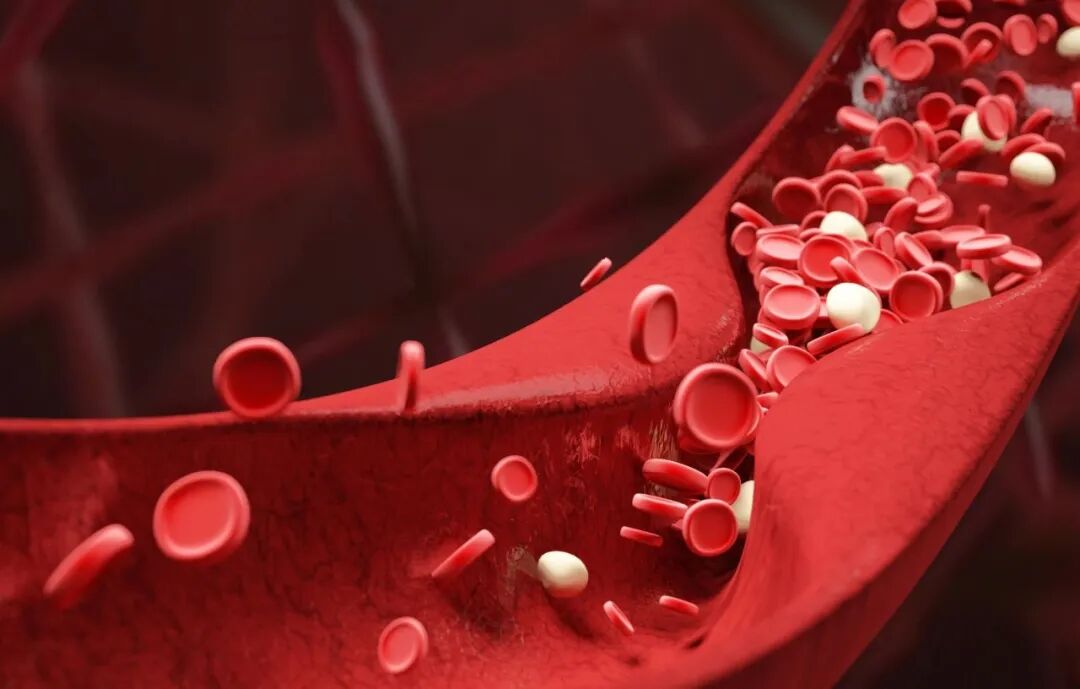
The incidence of cancer thrombus in tumor patients is up to 40%~60%[1], and cancer thrombus is more common in solid tumors, such as:
▶ liver cancer, portal vein cancer thrombus (macroscopic + microvascular) incidence of vascular cancer thrombus reaches 40.0%~90.2%[2].
▶< H382>Vascular cancer thrombus detected in postoperative specimens of gastric cancer< H387>35.2%~40.9%[3]。
▶< H414>The incidence of renal cancer with tumor thrombus is< H419>4%~10%[4]。.
▶< H446>Non small cell lung cancerVascular cancer thrombusIncidence rate< H459>5%~30%[5]。
▶< H486>Tumor infiltration depth in cervical cancer>5mmAmong patients, the incidence of microvascular cancer thrombus is< H500>46.7%[6]。.
Other types, such as breast cancer and thyroid cancer, also have a high incidence rate.
Surgery can remove tumors, but it cannot eliminate all cancer cells. Even tiny residual cancer cells can become the seeds of recurrence and metastasis under the catalysis of the aforementioned 3 major culprits.
We also hope that every cancer patient understands that “surgery, chemotherapy, and radiotherapy are not the end of cancer treatment” .
Learn to put the risk of recurrence “in a cage”——strengthen the immune system, and target the three traditional tumors
The immune system plays an irreplaceable role in recognizing and eliminating cancer cells, which cannot be achieved by other treatment methods . The susceptibility to cancer in some aspects reflects that cancer cells have successfully evaded the immune system's surveillance through various mechanisms. If these loopholes are not addressed in a timely manner, future recurrence and metastasis will be difficult to avoid.

To re-strengthen the immune system and effectively monitor cancer cells again, it is not sufficient for cancer patients to rely solely on dietary and lifestyle adjustments to enhance immunity. With the development of technology, cellular immunotherapy has become a new choice for cancer patients to rebuild their immune system barrier.
Professor Zhang Minghui of Tsinghua University 20years ago discovered a type of immune cell with a larger size and stronger killing ability among numerous immune cells, known as vNKT cells. Once activated, these immune cells can eliminate those residual cancer cells that may remain undetected in the body, achieving higher efficiency. As research progresses, Professor Zhang Minghui's team has also discovered that vNKT cells exhibit dual anti-tumor effects. Not only can they directly kill cancer cells, but they can also regulate the immune microenvironment within tumor tissues, killing inhibitory immune cells such as MDSCs, breaking tumor immune evasion, and thus playing a significant role in rebuilding the normal immune system and further preventing recurrence and metastasis. Experimental conditions: In the presence of vNKT cells, after 16 hours, almost all B16 tumor cells were killed! At the same time, immune cells will produce " "memory ", continuously repeating the process of " "recognizing-killing cancer cells ", providing patients with long-term resistance to cancer cells.
vNKT cells assist in tumor immunotherapy, by putting the risk of recurrence “into the cage of the immune system”, becoming a new hope for cancer patients to achieve cure.”
[1]TritschlerT, KraaijpoelN, Le GalG, et al. Venous thromboembolism: advances in diagnosis and treatment[j]. JAMA, 2018, 320(15): 1583-1594. DOI:10.1001/jama.2018.14346.
[2]SunJX, ShiJ, LiN, et al. Portal vein tumor thrombus is a bottleneck in the treatment of hepatocellular carcinoma[J]. Cancer Biol Med, 2016, 13(4): 452-458. DOI:10.20892/j.issn.2095-3941.2016.0059.
[3]MontagnaniF, CrivelliF, AprileG, et al. Long-term survival after liver metastasectomy in gastric cancer: systematic review and meta-analysis of prognostic factors[J]. Cancer Treat Rev, 2018, 69:11-20.DOI:10.1016/j.ctrv.2018.05.010.
[4]AbelEJ, MastersonTA, KaramJA, et al. Predictive nomogram for recurrence following surgery for nonmetastatic renal cell cancer with tumor thrombus[J]. J Urol, 2017, 198(4): 810-816.DOI:10.1016/j.juro.2017.04.066.
[5]ShimadaY, SajiH, KatoY, et al. The frequency and prognostic impact of pathological microscopic vascular invasion according to tumor size in non-small cell lung cancer[J]. Chest, 2016, 149(3):775-785.DOI:10.1378/chest.15-0559.
[6]SpaansVM, ScheunhageDA, BarzaghiB, et al. Independent validation of the prognostic significance of invasion patterns in endocervical adenocarcinoma: pattern A predicts excellent survival[J]. Gynecol Oncol, 2018, 151(2): 196-201. DOI: 10.1016/j.ygyno.2018.09.013.

Scan QR code
Communicate with Professor Zhang Minghui's team
Founder of Lehe New Medicine
Professor Zhang Minghui, a PhD in Immunology from Tsinghua University School of Medicine, has led a research team for over 20 years since the discovery of vNKT cells in 2002. They have accumulated treatment experience in over 700 cases of solid tumors, covering almost all common solid tumors. The research results fully demonstrate the great value of vNKT in the treatment of solid tumors.
It is suitable for postoperative patients with high pathological malignancy or a risk of recurrence; patients whose tumors have been basically controlled but not cured through conventional treatments such as chemotherapy, radiotherapy, and targeted therapy; patients with persistent high carcinogenic factors; and patients intolerant to radiotherapy and chemotherapy. If these patients do not receive effective follow-up treatment after traditional anti-tumor therapy, recurrence, metastasis, or reoccurrence of tumors will be highly probable. In this case, vNKT cell therapy is an ideal follow-up treatment method that can significantly improve patient prognosis.
Click on the image to view the exciting content from previous issues





Address: Room 1101 (Unit 101), 11th Floor, Building 1, No. 7 Courtyard, Kexueyuan Road, Life Science Park, Changping District, Beijing
Phone:010-8265 9866
Email:lehemedneo@hotmail.com