Contact Us Careers
Lehe Popularization

What should we do if chemotherapy drugs and targeted drugs become resistant? About 90% of cancer-related deaths are attributed to this

时间:2026-05-22 人气:
   
Click on the blue text above to follow us    


Why do cancer treatment drugs that were working suddenly stop working?
Why did chemotherapy fail?
Why did the cancer recur after taking targeted drugs for several months?

The sudden "failure" of these drugs
all point to the same answer - drug resistance.

Drug resistance is the ultimate fate that most anti-tumor drugs cannot escape. Drug resistance may occur in chemotherapy drugs , in targeted drugs , or in immune drugs ... Studies have found that drug resistance is widespread, and ultimately, about 90% of cancer-related deaths are associated with drug resistance [1].


popular science      
What are the causes of chemotherapy drug resistance?      


Broadly speaking, drug resistance can be divided into primary resistance (where patients fail to respond to chemotherapy drugs for the first time) and acquired resistance (where sensitivity to drugs decreases or even disappears as the number of drug administrations increases).


Resistance to chemotherapy drugs is related to multiple factors, including the intrinsic characteristics of tumor cells, the use of chemotherapy drugs, and the patient's own condition.


* Tumor heterogeneity  

Due to the presence of different types of cells within the tumor, some tumor cells may be inherently insensitive to chemotherapy drugs;


Adaptive decrement in drug effect  

Cancer cells undergo random genetic mutations during division, which gradually allows them to adapt to the chemotherapy drug environment. This adaptive evolution enables tumors to continue to survive in the drug environment;


Side effects 

Chemotherapy not only kills cancer cells but also damages normal cells, leading to weakened immune function in patients. This reduction in immune function makes it easier for cancer cells to evade the immune system's surveillance, thereby promoting the development of drug resistance.


Popular science
Reasons for resistance to targeted drugs      

     
Targeted drugs are like "missiles" with precise guidance, capable of specifically acting on specific targets of cancer cells. The reasons for the emergence of resistance to targeted drugs are mostly related to their "precise" nature.


* Gene mutation   
Cancer cells can alter their original target structure through gene mutation, making it impossible for targeted drugs to bind to them, thus losing their inhibitory effect and resulting in resistance;

Signal pathway alteration  
Cancer cells can also alter the activity pattern of signal pathways by regulating the expression levels of receptors, ligands, or signaling molecules in the pathways, weakening or avoiding the inhibitory effect of targeted drugs, leading to resistance;

Drug effect tolerance decreases 
With long-term use of targeted drugs, cancer cells become less sensitive to the drugs. [2]


Popular science
Reasons for immunotherapy resistance      

     
Immunotherapy represented by PD-1 inhibitors involves a complex mechanism of immune resistance, which is not simply a process of tumor counteracting the immune system, but rather the result of interactions between tumor cells, the immune microenvironment, and host factors.


* Mutations in immune checkpoint molecules  

For example, mutations in the PDL1 molecule prevent the normal binding of immune checkpoint inhibitors, thereby blocking the pathway through which the drugs exert their effect;


* Changes in the tumor microenvironment  

Tumors recruit immunosuppressive cells such as regulatory T cells and myeloid-derived suppressor cells, which release inhibitory cytokines in the tumor microenvironment, suppressing the activity of immune cells and allowing tumor cells to evade immune attack;


The downregulation of tumor cell self-antigen expression 

makes it difficult for the immune system to recognize tumor cells, which can also lead to drug resistance.


popular science
Will there be no drugs available after drug resistance occurs?      

     
Don't panic. Although drug resistance seems inevitable at present, timely review and adjustment of treatment plans are crucial.


Drug change

If the first-generation targeted drug is initially used, the second-generation and third-generation targeted drugs can be used under the guidance of a doctor after resistance occurs.


Combined treatment    

After resistance to a single drug emerges, combining multiple drugs, or combining radiotherapy, cellular immunotherapy, and other methods, can enhance their synergistic effects.


For example, combining targeted drugs with vNKT cell immunotherapy or using them sequentially, followed by re-treatment with targeted drugs, may restore sensitivity to the targeted drugs. Alternatively, combining vNKT cell immunotherapy with chemotherapy or targeted drugs when they have not yet completely lost efficacy can enhance treatment effectiveness, prolong the duration of drug efficacy, and delay the development of resistance.
vNKT cell immunotherapy   
For patients whose targeted drug therapy has failed and who cannot tolerate chemotherapy, vNKT cell immunotherapy, either alone or in combination with other conventional treatment methods, can also kill cancer cells and prevent recurrence and metastasis.


Cell immunotherapy enhances the therapeutic effect of immune cells through in vitro techniques, whether autologous or allogeneic, and then infuses them back into the human body to achieve functions such as killing tumor cells. The core of this treatment method is to utilize the natural function of immune cells to effectively eliminate tumor cells that may remain in the body but cannot be detected by existing technical means, thereby effectively preventing tumor recurrence and metastasis.


There is no need to worry about drug resistance in cellular immunotherapy, as immune cells rely on the mobilization of the entire immune system to control tumors after entering the body. Once they take effect, they exert a crushing "stranglehold" on cancer cells.

What is vNKT cell immunotherapy?


#  vNKT cell immunotherapy    


NKT cells (Natural killer T cells), are a special T cell subset with both T cell receptor (TCR) and NK cell receptor on their surface. They possess important characteristics of both NK cells and T cells, with the dual ability to recognize tumor cells nonspecifically and specifically, and can rapidly kill tumor cells. Among the NKT cell subsets, there is a larger and more potent special soldier, which was discovered by the experimental team led by Professor Zhang Minghui of Tsinghua University, namely vNKT (Variant Natural Killer T) cells.


The population of vNKT cells in the body is very small and they are not easily activated. However, once activated, they can be extremely effective in killing tumor cells that may remain undetected in the body. Additionally, research has found that vNKT cells have a dual anti-tumor effect. Not only can they directly kill cancer cells, but they can also regulate the immune microenvironment within tumor tissues, kill inhibitory immune cells known as MDSCs, break down tumor immune evasion, rebuild the normal immune system, and further prevent recurrence and metastasis.      

图片

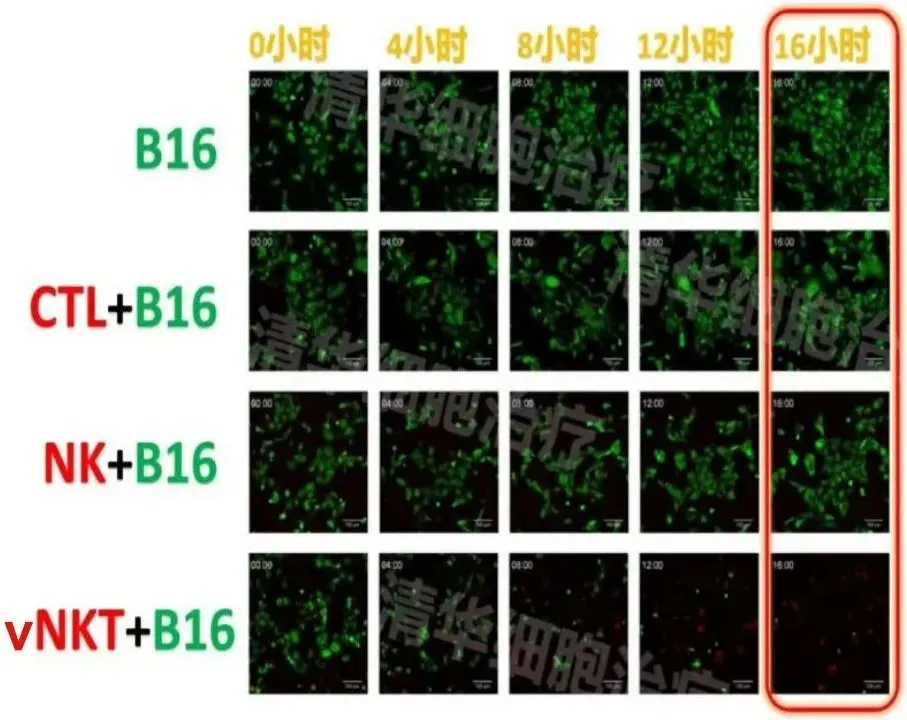
Experimental conditions: In the presence of vNKT cells, after 16 hours, nearly all B16 tumor cells were killed!


In summary, drug resistance is not uncommon in cancer treatment, but it does not mean that there is no solution for cancer treatment. If you have any questions, please click the consultation button below to contact us.



Lian  
Department
I
 

Scan QR code

to communicate with Professor Zhang Minghui's team


Reference sources:

[1]Pavan Kumar Dhanyamraju. Drug resistance mechanisms in cancers: Execution of pro-survival strategies[J]. The Journal of Biomedical Research, 2024, 38(2): 95-121. DOI: 10.7555/JBR.37.20230248

[2]Rational combinations of targeted cancer therapies: background, advances and challenges. Nat Rev Drug Discov. 2022 Dec 12.
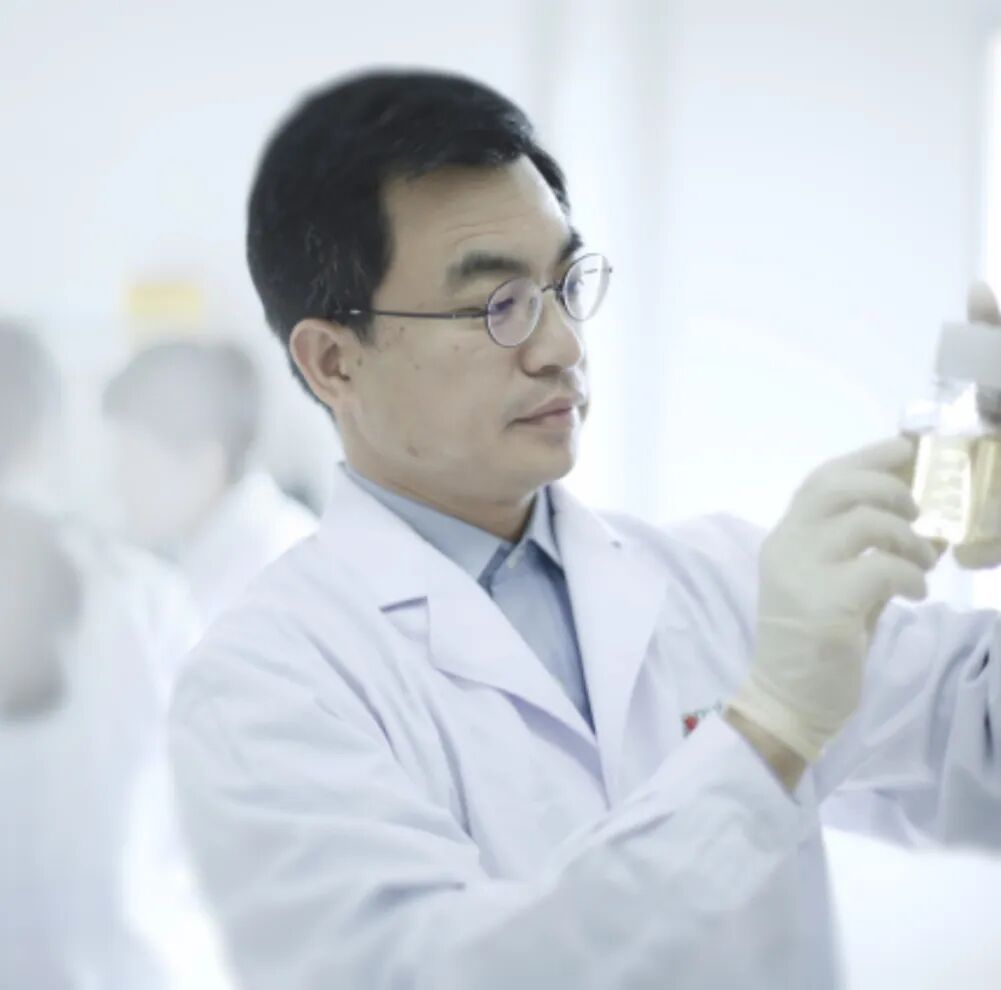


Zhang Minghui

Founder of Lehe New Medical

Professor Zhang Minghui, who holds a PhD in Immunology from Tsinghua University School of Medicine, has led a research team for over 20 years since the discovery of vNKT cells in 2002. They have accumulated treatment experience in over 700 cases of solid tumors, covering almost all common solid tumors. The research results fully demonstrate the great value of vNKT cells in the treatment of solid tumors.
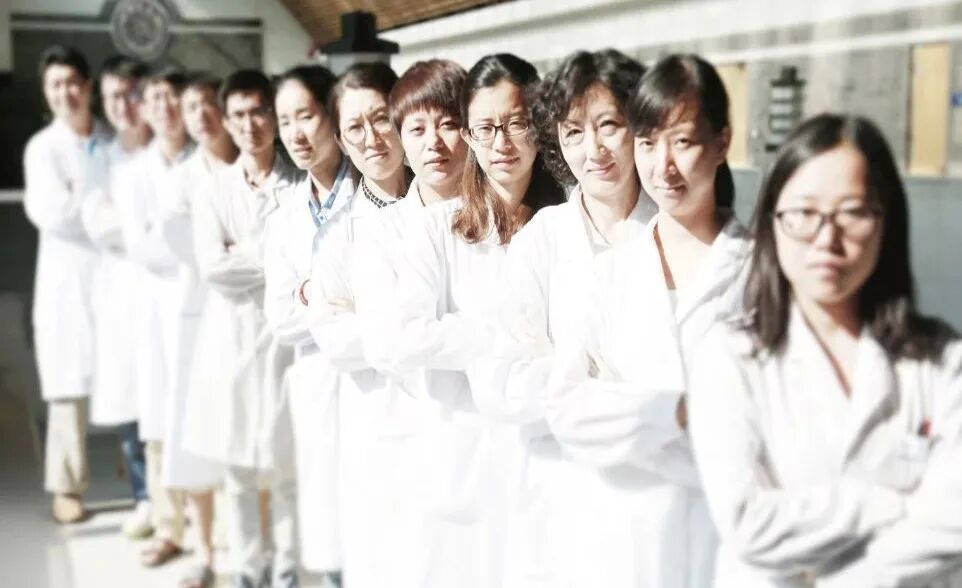


It is suitable for patients with high pathological malignancy or a risk of recurrence after surgery; patients whose tumors have been basically controlled but not cured after conventional treatments such as chemotherapy, radiotherapy, and targeted therapy; patients with persistent high carcinogenic factors; and patients who are intolerant to radiotherapy and chemotherapy. If these patients do not receive effective follow-up treatment after traditional anti-tumor therapy, recurrence, metastasis, or reoccurrence of tumors will be highly probable. In this case, vNKT cell therapy is an ideal follow-up treatment method that can significantly improve patient prognosis.


Written by: Zhang Tuo    
Reviewed by: Qiao Jiacheng, Wang Ying, Gao Chen
Edited/typeset by Zhang Jiao


Click on the image to view the exciting content from previous issues


图片


图片


All fairies are watching
Click the upper right corner of the homepage · Set as star