About Lehe
乐于心,和与众,与己乐,与人和; 心宽念纯,百病无生。


乐于心,和与众,与己乐,与人和; 心宽念纯,百病无生。


Early scientists discovered that exercise can significantly increase the average lifespan of cancer survivors. Studies show that post-cancer patients who burn 126,000 calories per week have a 48% lower risk of death compared to those who burn only 2,100 calories per week. Cancer survivors can live longer due to early diagnosis and treatment, and increased exercise can achieve the same effect. [1]

A multi-national randomized controlled trial (RCT) published in Nature Medicine (Nat Med) revealed that the exercise group exhibited a significant reduction in physical fatigue and a notable improvement in health-related quality of life (HRQOL) at 6 months. The exercise group also showed significant improvements in other cancer-related and treatment-related side effects, such as physical function, role function, physical adaptability, dyspnea, and pain. [3]
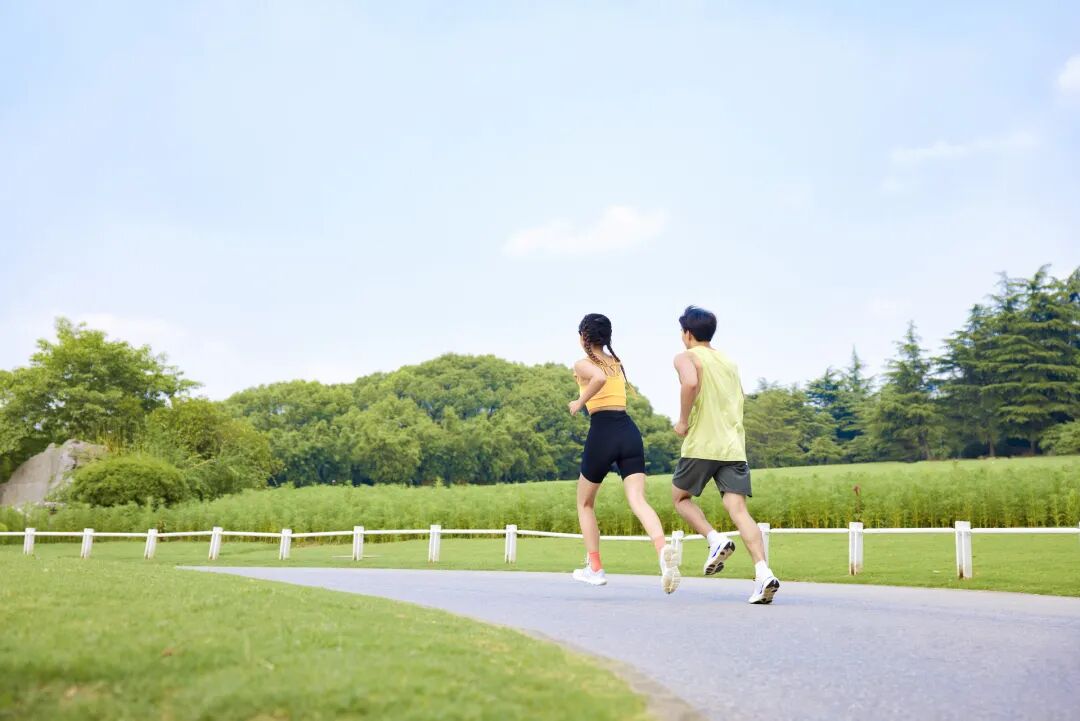
Twice-weekly, 1-hour multimodal training sessions, with an additional 30 minutes of daily activity encouraged.
What kind of exercise to do: Multimodal training sessions that include a combination of resistance training, aerobic exercise, and flexibility exercises.

This type of exercise involves active movement through muscles against external resistance, with the main goal of enhancing muscle strength and improving physical function. Common equipment for resistance training includes dumbbells, hand grips, resistance bands, and even bottles filled with water.

It is recommended for cancer patients to perform resistance training 2 to 3 times per week, starting with simple exercises (such as push-ups, plank, squats, etc.), and adapting to their own abilities.
is a regular exercise. Research from the International Journal of Cancer indicates that engaging in moderate-intensity aerobic exercise multiple times per week for extended periods can release more anti-cancer molecules, such as interleukin-6 (IL-6), which inhibits the growth of cancer cells. [5]
Professor Tang Zhaoyou, a CAE Member and expert in oncology surgery, points out that swimming is an excellent anti-cancer exercise. The secretion of dopamine increases significantly during swimming, which helps to enhance immunity and inhibit tumor growth. Furthermore, swimming stimulates the production of interferon in the body, which is beneficial for preventing the occurrence and recurrence of cancer.

It is worth noting that when the exercise intensity is too high, dopamine can inhibit its own secretion and shorten its survival time. Therefore, it is advisable to limit the duration of aerobic exercise to around 60 minutes, and it is important to warm up before exercise. Common aerobic exercises include jogging, brisk walking, ball games, and square dancing.
is a comprehensive training method that involves controlling muscle contraction and relaxation, such as common stretching and yoga exercises. It is recommended to perform flexibility exercises 2 to 3 times per week, as they can help alleviate joint stiffness and muscle tension caused by cancer or its treatment in cancer patients.

The benefits of exercise for cancer patients are not just one; exercising against cancer is not a miracle! Every exercise session is a reward for the body. Make exercise a part of your life, and take action today. Remember to share this with your family and friends, and let them join in too!
Reference sources:
[1] SARAH GRIFFITHS. Study claims that exercising cancer patients can halve their risk of death. Daily Mail. 24 January 2014
[2] Streckmann F, Elter T, Lehmann HC, Baurecht H, Nazarenus T, Oschwald V, Koliamitra C, Otten S, Draube A, Heinen P, Steinmetz T, Hallek M, Leitzmann M, Bloch W, Balke M. Preventive Effect of Neuromuscular Training on Chemotherapy-Induced Neuropathy: A Randomized Clinical Trial. JAMA Intern Med. 2024 Sep 1;184(9):1046-1053. doi: 10.1001/jamainternmed.2024.2354. PMID: 38949824; PMCID: PMC11217888
[3]Hiensch AE, Depenbusch J, Schmidt ME, Monninkhof EM, Pelaez M, Clauss D, Gunasekara N, Zimmer P, Belloso J, Trevaskis M, Rundqvist H, Wiskemann J, Müller J, Sweegers MG, Fremd C, Altena R, Gorecki M, Bijlsma R, van Leeuwen-Snoeks L, Ten Bokkel Huinink D, Sonke G, Lahuerta A, Mann GB, Francis PA, Richardson G, Malter W, van der Wall E, Aaronson NK, Senkus E, Urruticoechea A, Zopf EM, Bloch W, Stuiver MM, Wengstrom Y, Steindorf K, May AM. Supervised, structured and individualized exercise in metastatic breast cancer: a randomized controlled trial. Nat Med. 2024 Oct;30(10):2957-2966. doi: 10.1038/s41591-024-03143-y. Epub 2024 Jul 25. PMID: 39054374; PMCID: PMC11485212.
[4]Tiia Koivula et al, Acute exercise mobilizes CD8+ cytotoxic T cells and NK cells in lymphoma patients, Frontiers in Physiology (2023). DOI: 10.3389/fphys.2022.1078512
[5]Samuel T. Orange et al, Acute aerobic exercise‐conditioned serum reduces colon cancer cell proliferation in vitro through interleukin‐6‐induced regulation of DNA damage, International Journal of Cancer (2022). DOI: 10.1002/ijc.33982

Scan the QR code
to communicate with Professor Zhang Minghui's team
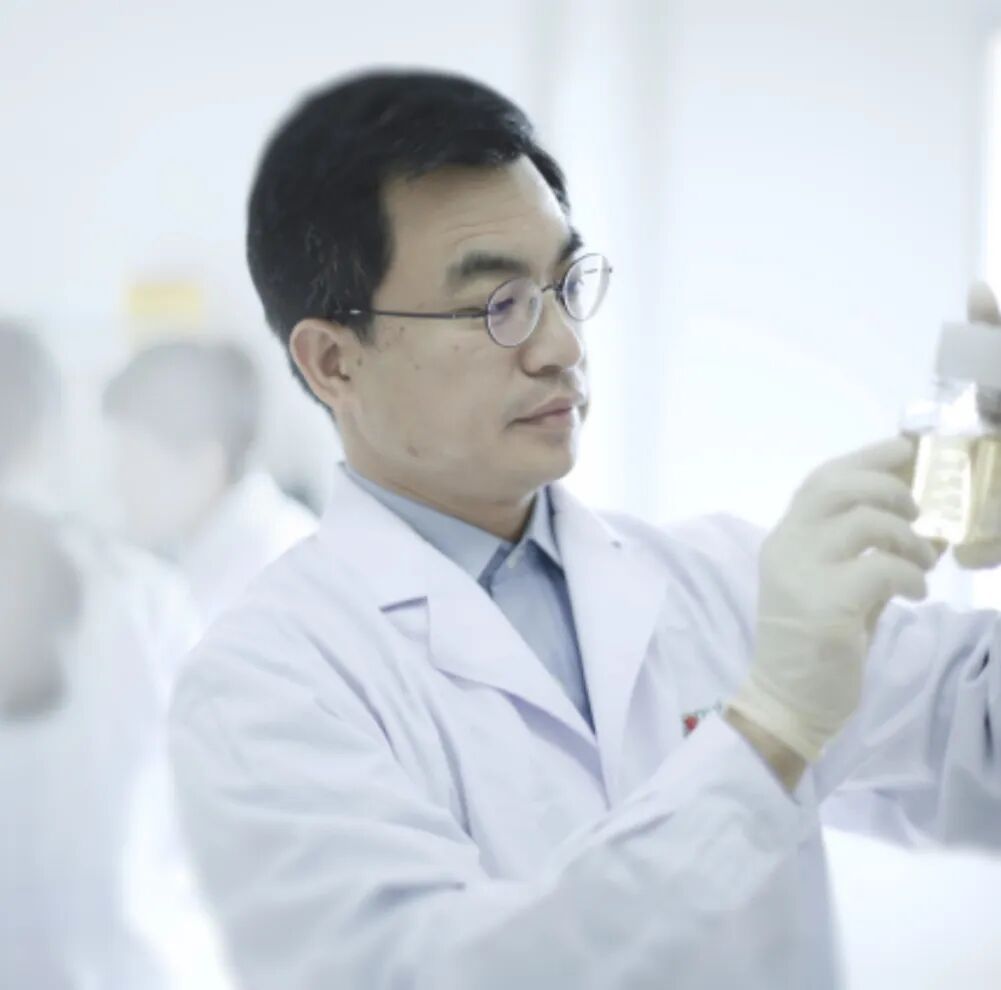
Founder of Lehe New Medical
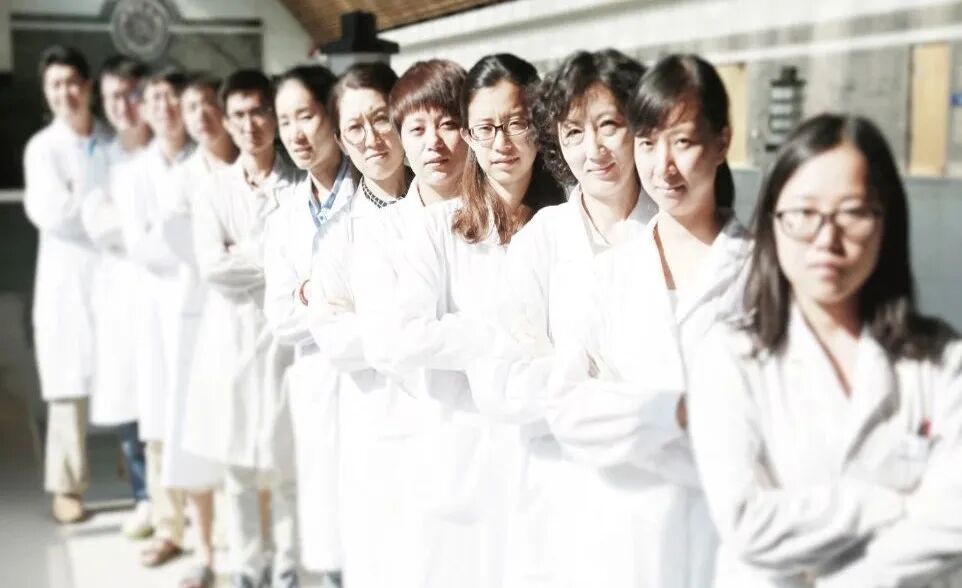
Professor Zhang Minghui, a Ph.D. in Immunology from Tsinghua University School of Medicine, has led a research team for over 20 years since the discovery of vNKT cells in 2002. They have accumulated treatment experience in over 700 cases of solid tumors, covering almost all common solid tumors. The research results fully demonstrate the great value of vNKT in the treatment of solid tumors.
It is suitable for postoperative patients with high pathological malignancy or a risk of recurrence; patients whose tumors have been basically controlled but not cured after conventional treatments such as chemotherapy, radiotherapy, and targeted therapy; patients with persistent high carcinogenic factors; and patients intolerant to radiotherapy and chemotherapy. If these patients do not receive effective follow-up treatment after traditional anti-tumor therapy, recurrence, metastasis, or reoccurrence of tumors will be highly probable. In this case, vNKT cell therapy is an ideal follow-up treatment method, which can significantly improve the prognosis of patients.
Click on the image to view past exciting content





Address: Room 1101 (Unit 101), 11th Floor, Building 1, No. 7 Courtyard, Kexueyuan Road, Life Science Park, Changping District, Beijing
Phone:010-8265 9866
Email:lehemedneo@hotmail.com