About Lehe
乐于心,和与众,与己乐,与人和; 心宽念纯,百病无生。


乐于心,和与众,与己乐,与人和; 心宽念纯,百病无生。


In our bodies, there exists a powerful defense system akin to an army—our immune system, silently guarding our health. When "enemies" such as bacteria and viruses attack, the immune system swiftly enters a "combat state." Its primary duties include defending against external threats (preventing pathogen invasion), eliminating internal anomalies (recognizing and destroying mutated cells within the body), and maintaining the cleanliness and balance of the internal environment. [1] This is known as the three major lines of defense of the human immune system.
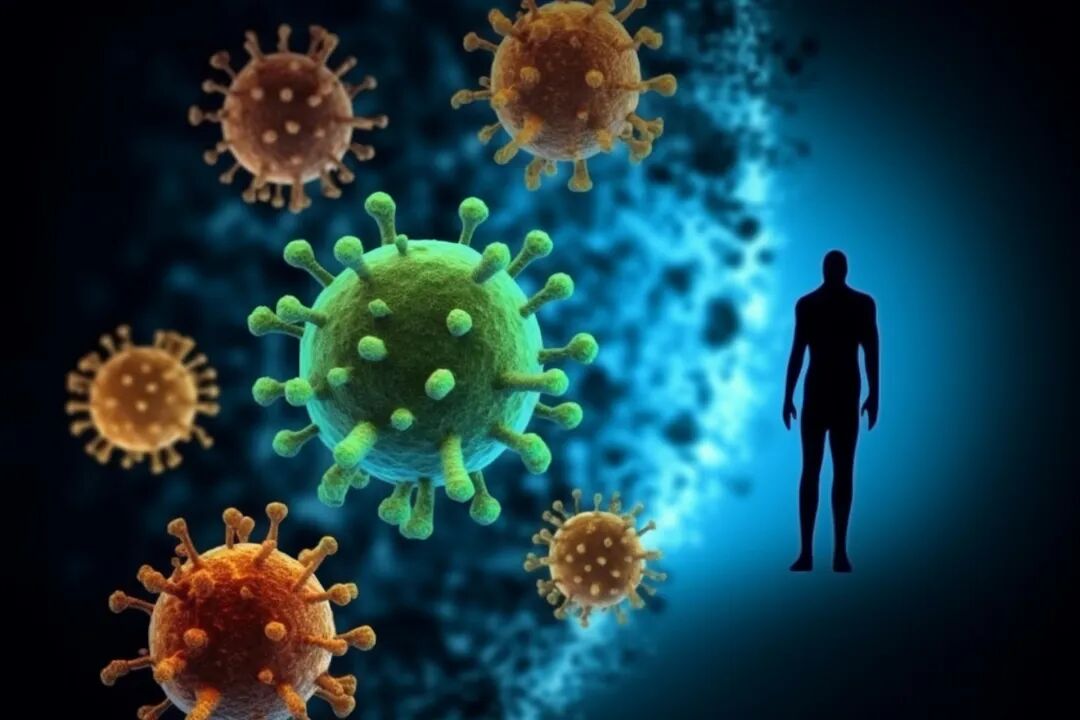
When immunity remains low for an extended period, it may lead to a series of health issues. Here are six common manifestations of low immunity. If these conditions persist for a long time, it should be taken seriously.
People with long-term low immunity often feel tired at the slightest activity, or experience frequent fatigue. They may lose interest in work, and their fatigue can be alleviated after a period of rest, but it often reappears within a few days. Hospital examinations often reveal no organic lesions. The reason for this is that low immunity has an adverse effect on the brain's nerves, which in turn triggers a fatigue response in the body.

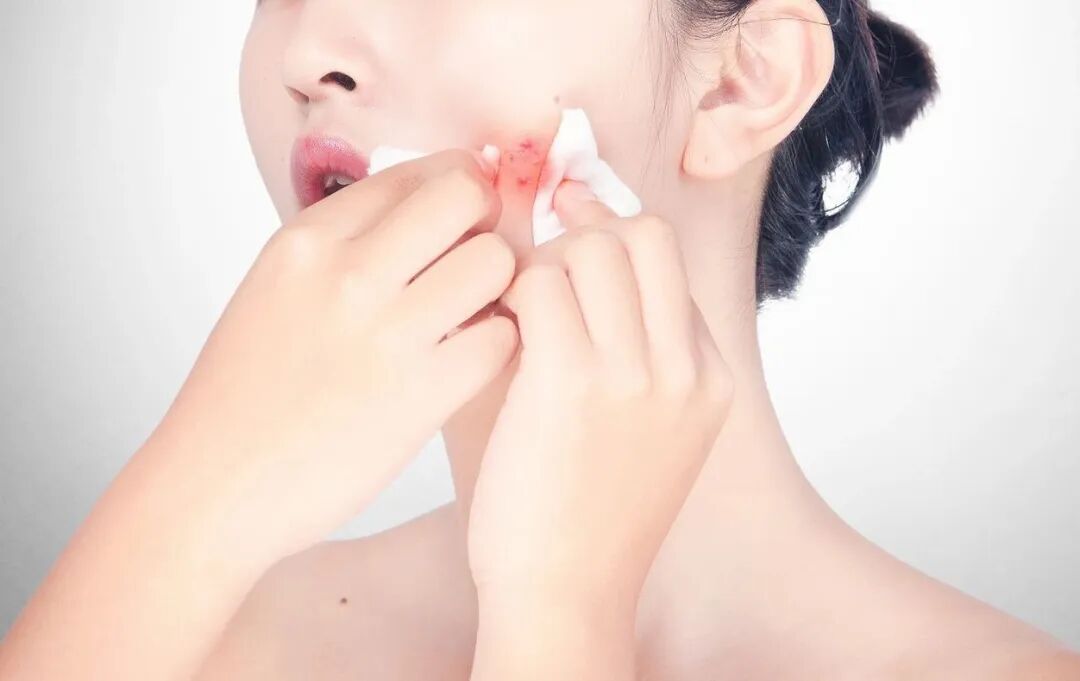
People with low immunity often experience various abnormalities in their skin, such as allergic dermatitis, recurrent eczema, shingles, acne, etc. Especially acne, which is not only prone to recurrence but also difficult to cure. In addition, the skin is prone to redness, itching, and the development of red rashes, all of which indicate a weakened immune defense capability of the skin.
Frequent colds are a typical sign of low immunity. Such individuals often cannot effectively resist external viral attacks during temperature changes and seasonal transitions. Symptoms such as fever, cough, and sneezing often accompany them, and the course of illness is long with slow recovery. Not only that, they are also prone to more serious infections, such as influenza and pneumonia, which are particularly harmful to the elderly.

When immunity is insufficient, the body's self-repair ability will also decrease, and the speed of wound healing will significantly slow down. For healthy people, if any part of the body is accidentally scratched, it will generally recover after a few days; but for people with low immunity, even minor abrasions may cause prolonged non-healing, and even lead to infections, redness, swelling, and other conditions.

As an important part of the immune system, the gastrointestinal tract is more vulnerable to "attacks" from external adverse factors when immunity is low. For example, even if someone eats the same food as others, they may experience symptoms such as vomiting, diarrhea, or constipation, while others remain unaffected. In addition, problems such as indigestion, abdominal distension, and diarrhea may also occur, and the gastrointestinal tract's tolerance to food is significantly reduced. [2]

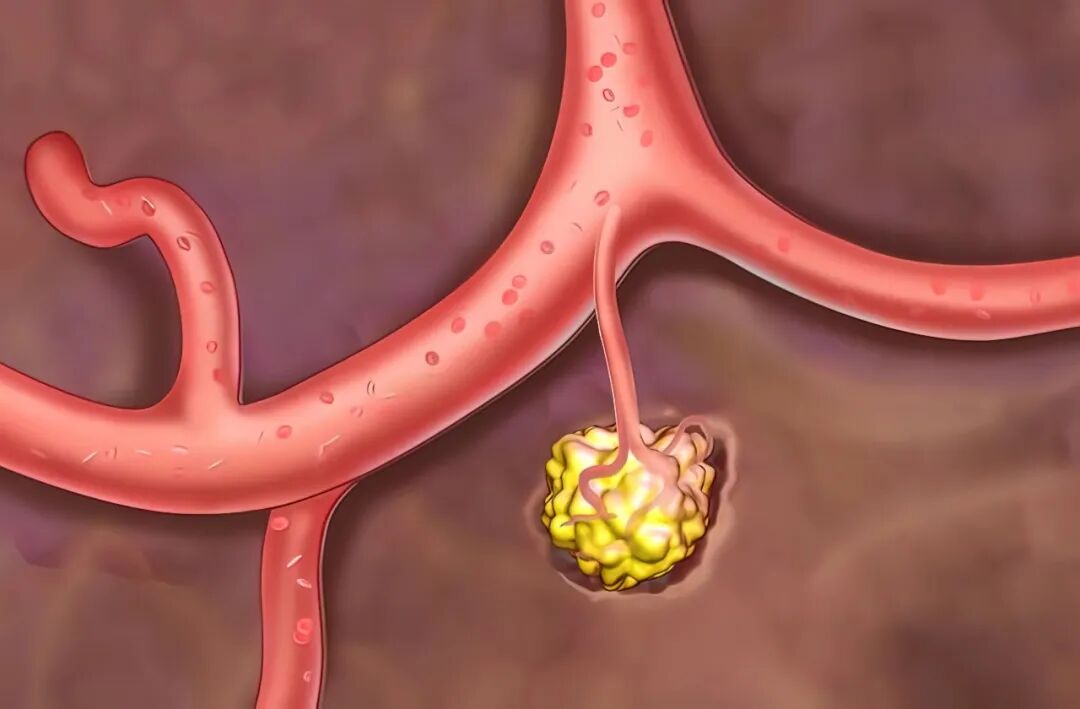
The immune system plays a crucial role in fighting cancer cells. When immunity is low, the body's ability to monitor and eliminate abnormal cells in the body weakens, and cancer cells may take advantage of this weakness and gradually develop into tumors. It can be said that low immunity is one of the important potential factors for the occurrence of cancer, and the decline of its function will promote the growth and progression of tumors to some extent.
Ensure adequate sleep, avoid staying up late, do not overexert yourself, and maintain a balance between work and rest, allowing your body to fully rest and recover.

Reduce meat consumption and increase the intake of fruits and vegetables. Avoid overeating and provide comprehensive and adequate nutritional support for the body.

Moderate exercise helps enhance immunity. Persisting in a certain amount of exercise every day, such as walking, cycling, swimming, etc., is a good choice. However, attention should be paid to the method of exercise to prevent overexertion. [3]

Positive emotions help strengthen the immune system's function and reduce the inhibitory effect of stress hormones on immunity. When emotions are restless, relaxation techniques such as active mindfulness can be employed for adjustment.

Immunity is an important safeguard for our physical health. By gaining a deep understanding of immunity-related knowledge, paying close attention to various signals emitted by the body, and developing good lifestyle habits, we can make our bodies stronger, resist the invasion of diseases, and embark on a healthy and vibrant life chapter.

Scan QR code
Communicate with Professor Zhang Minghui's team

Click on the image to view past exciting content



Address: Room 1101 (Unit 101), 11th Floor, Building 1, No. 7 Courtyard, Kexueyuan Road, Life Science Park, Changping District, Beijing
Phone:010-8265 9866
Email:lehemedneo@hotmail.com