Contact Us Careers
Lehe Popularization

People who take probiotics should be aware that if they don't do this, their efforts may be in vain!

时间:2026-05-22 人气:
     
Click on the blue text above to follow us


In recent years, consuming oral probiotics has become a new health choice for many people. However, you may not be aware that the probiotics you take may not survive in your intestines at all. The reason is not that you have eaten them incorrectly, but rather that the probiotics may have been "starved to death" by you.


PART1      
 What happens when you consume probiotics?      

  
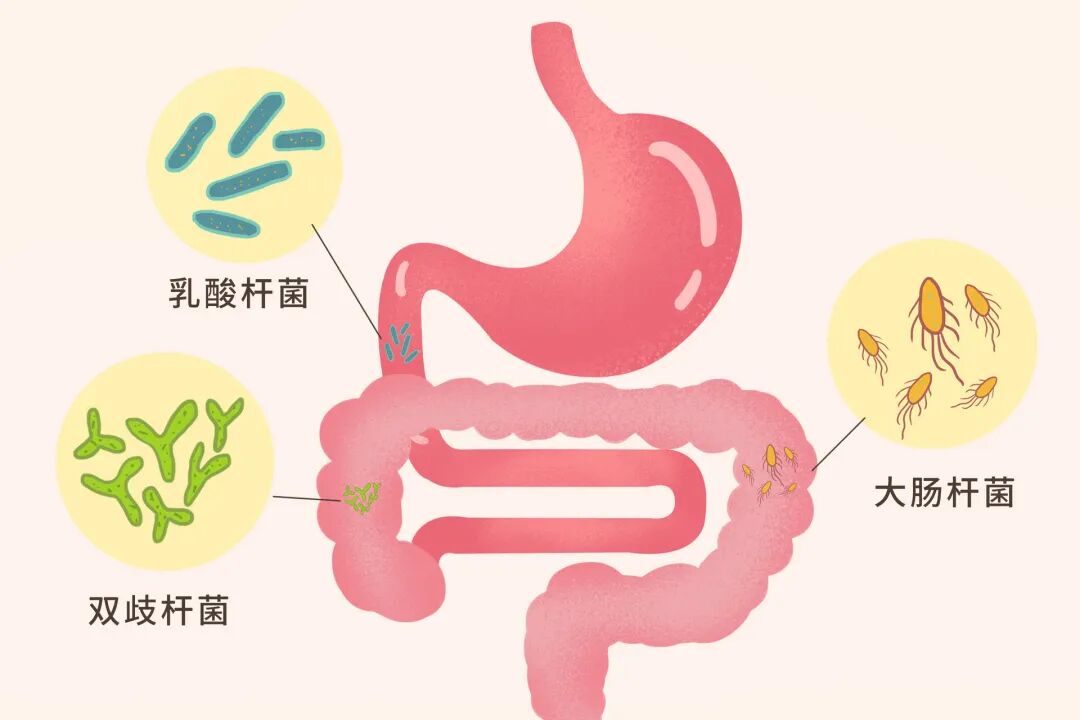
Probiotics, the "invisible guardian" of intestinal health, are actually tiny organisms capable of skillfully regulating the balance of gut microbiota, thereby comprehensively improving human bodily functions. Once these vibrant probiotics successfully enter the "mysterious battlefield" of the human intestine, they help restore the normal gut microbiota through growth and metabolic activities, inhibit the production of putrefactive substances, maintain intestinal function, enhance immune defense, and provide essential nutrients.   


▲Probiotic active metabolites, functions and applications [2]    

  
However, the probiotic preparations we commonly purchase are mostly in a dormant state of "sleeping" before entering the human body. But don't worry, they still retain their activity. Only when the probiotics enter the digestive tract will they be awakened, embarking on their missionary journey.    


However, the beginning of this journey is full of challenges - how to successfully "survive" in this complex and variable intestinal environment. This seemingly simple first step is actually the crucial "debut" that determines whether probiotics can truly exert their efficacy.    

   
Our intestines are like a bustling "microbial metropolis", inhabited by trillions of microbial residents with diverse shapes and habits, collectively forming an extremely complex and delicate ecosystem.    

   
In the intestines of healthy adults, there are as many as 1,000 species of bacteria, with a total weight of up to 1~1.5 kilograms, and the number is far more than 10 times the total number of human cells. These microorganisms constantly stage fierce "turf wars" in this limited space of the intestines. Beneficial microorganisms produce signals to drive the intestines, limiting the expansion of potentially harmful microorganisms; while some pathogenic bacteria use oxygen to crowd out and compete with beneficial microorganisms. [1]    


PART2      
 How to ensure the survival of ingested probiotics?


1. Provide food for probiotics


You are correct. Probiotics also need to "eat". Studies have found that dietary fiber can nourish beneficial microorganisms in the intestines and is their preferred food source. The metabolic products of intestinal microorganisms digesting dietary fiber are the fuel that helps intestinal cells maintain intestinal health. [1]    

   
2. Find a helper for probiotics   
For probiotics to successfully colonize the human body, they need some assistance besides food supply, and prebiotics are their most trusted "allies". Prebiotics are substances that are not easily digested by the body, are not utilized by harmful bacteria, but can be utilized and proliferated by beneficial bacteria. When they are decomposed and absorbed by beneficial bacteria in the intestines, they stimulate the growth of beneficial bacterial flora.    


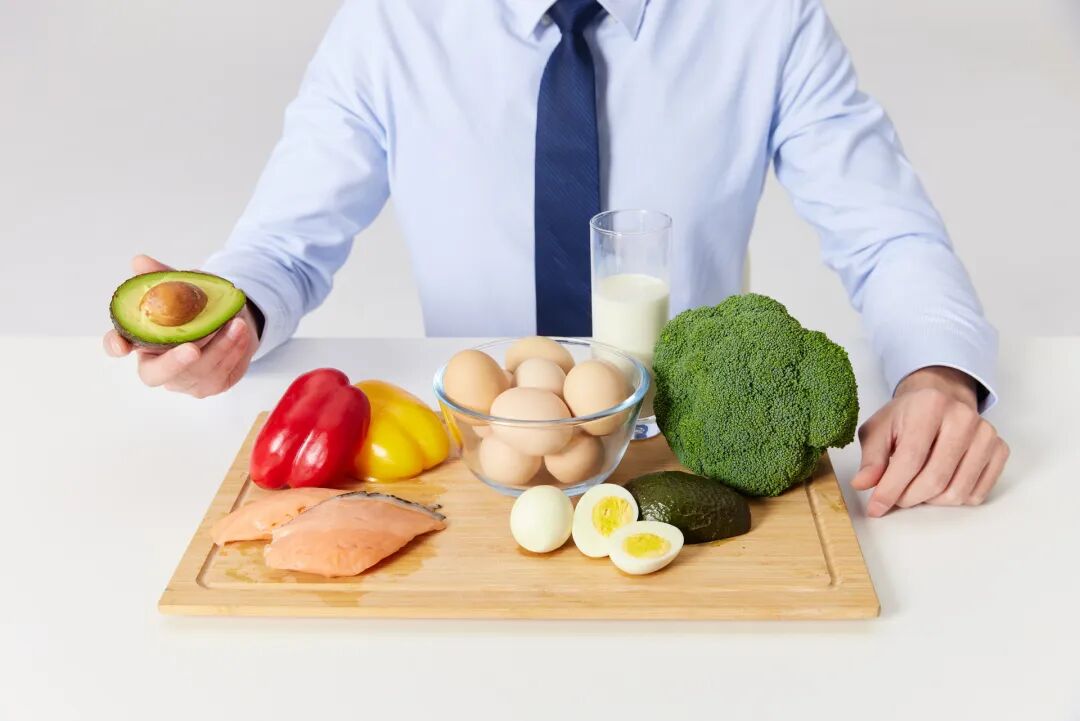
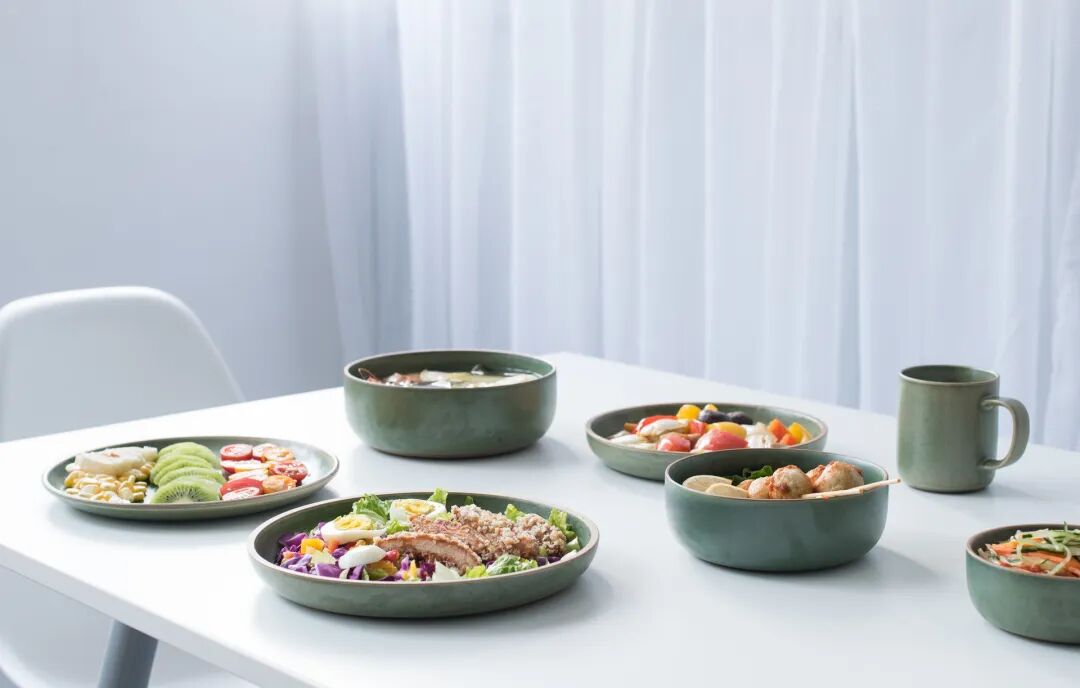
Having discussed the methods by which probiotics survive in the gut, where do these crucial "food" and "helpers" for probiotics come from? The answer lies on the dining table that we come into contact with every day.    


PART3      
 Adding it to a probiotic diet for better effects


1. Dietary fiber
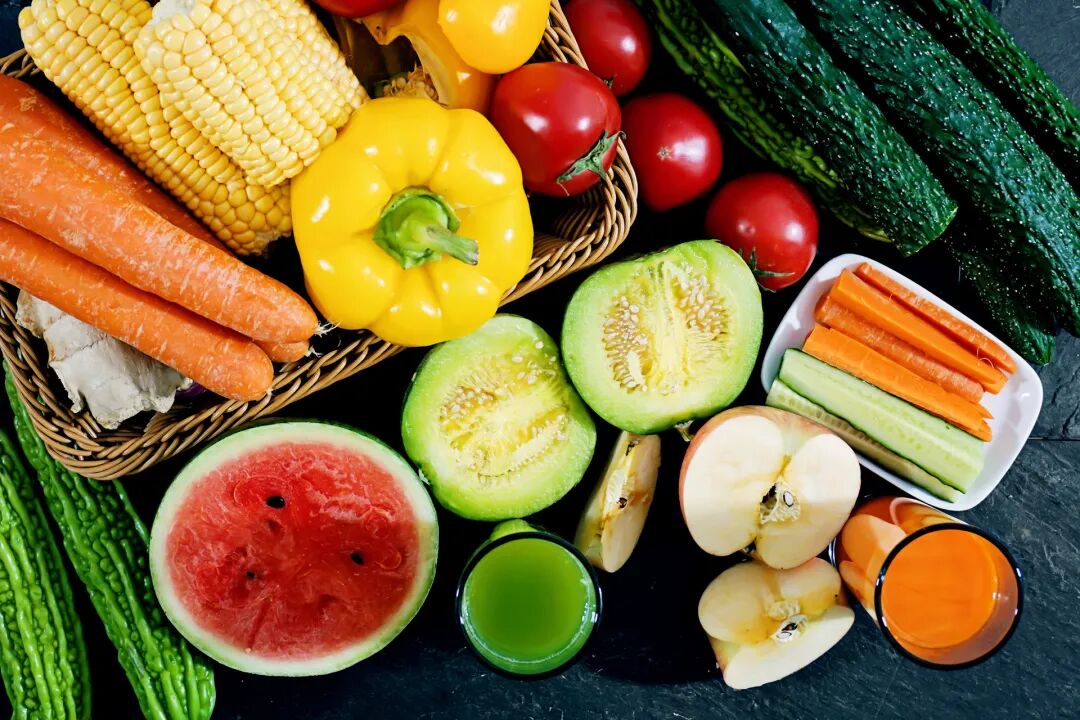
Divided into soluble dietary fiber and insoluble dietary fiber, the following ingredients can be eaten more frequently:


Cereals

Oats, brown rice, barley, wheat, buckwheat, sorghum, corn, etc.

Legumes

Broad beans, mung beans, black beans, red beans, etc.

Vegetables

Celery, pumpkin, lettuce, cauliflower, bean sprouts, fungus, kelp, mushrooms, etc.

Fruits

Apple, banana, orange, grape, cherry, plum, raisin, fig, hawthorn, etc.


2. Prebiotics    
Belong to dietary supplements, and the following foods can be consumed in larger quantities:
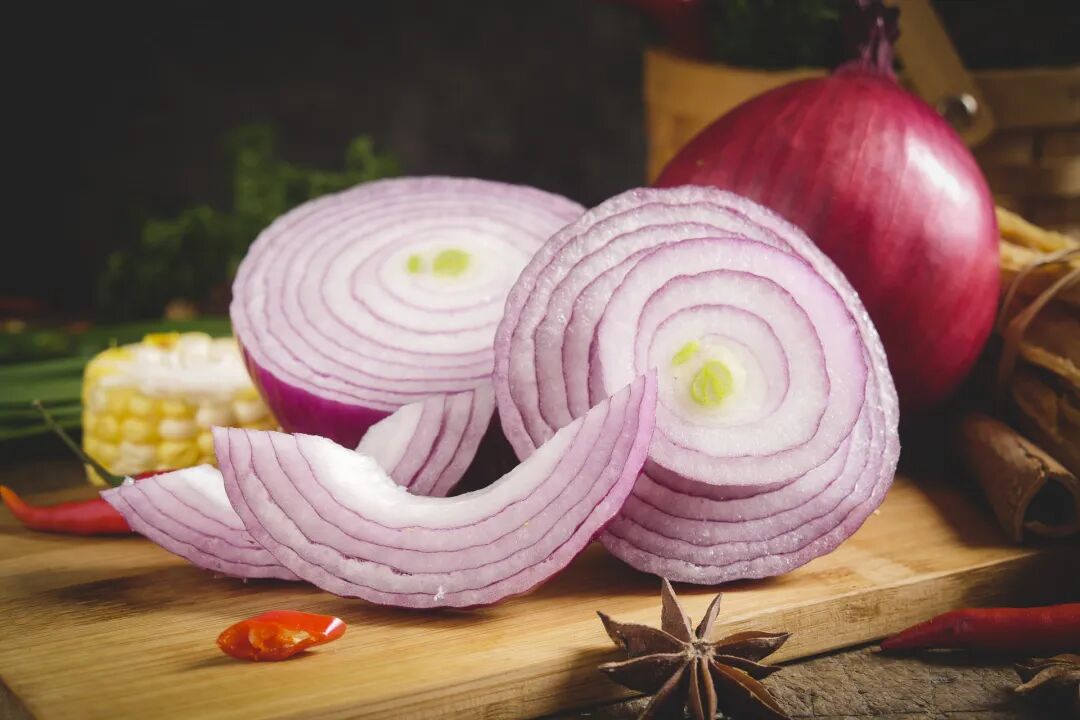
Onions, leeks, asparagus, chicory, Jerusalem artichokes, garlic, turmeric, oats, and beans, etc.    


Actually, it's not accurate to say "probiotics" in our daily life. We should call them "intestinal microecological preparations", which not only contain probiotics but also include prebiotics, postbiotics, digestive enzymes, etc., providing multiple functions such as regulation, antibacterial activity, protection, immunity, balance, and nutrition. Although it's good to take these oral intestinal microecological preparations, in order to truly make them effective, we need to have a deep understanding of their characteristics and requirements. Starting from daily diet, we can create a good living environment for probiotic groups. Only in this way, will the intake of probiotic groups not be in vain!


Reference source:

[1]"Microbiota-activated PPAR-γ-signaling inhibits dysbiotic Enterobacteriaceae expansion, " Science (2017).

[2] Lan Dongxue, Qu Xiannan, Huang Tian, et al. Research and application progress of  probiotic active metabolites [J]. Food Industry Science and Technology, 2022, 43(24): 11−20. doi:  10.13386/j.issn1002-0306.2022050305.



Click on the image to view the exciting content from previous issues


Written by: Zhang Tuo

Reviewed by: Qiao Jiacheng, Wang Ying, Gao Chen

Edited/typeset by: Zhang Jiao



Contact Us        

Scan QR code

Communicate with Professor Zhang Minghui's team



Reposting is a driving force, sharing is a virtue