Leave your message or request below and we will get back to you as soon as possible.
vNKT clinical trial · patient screening form
We are conducting a clinical study on vNKT immunotherapy. This form is for preliminary screening only; saving it does not mean enrollment. Information is used for screening only; separate informed consent will be signed before formal enrollment.
Part 1: Basic information
2. Sex
years
4. Nationality
Part 2: Disease and medical history
9. Treatments received (multiple choice)
10. Performance status (ECOG reference)
Part 3: Initial screening criteria
11. Are you 18 years of age or older?
12. Are you willing to participate and able to sign informed consent?
13. Known severe allergy, especially to biological products or monoclonal antibodies?
14. Active, uncontrolled severe infection (e.g. HBV, HCV, HIV, syphilis)?
15. Severe uncontrolled cardiac disease (e.g. NYHA III–IV), lung disease, or other major organ dysfunction?
16. Active autoimmune disease or need for systemic immunosuppression?
17. Pregnant or breastfeeding?
18. Participated in another drug or device trial within the past 6 months?
Part 4: Self-report and additional information
20. What do you hope to achieve through this immunotherapy study? (multiple choice)
Tip: For extensive records, you may contact the clinical study coordinator to submit pathology, imaging, or discharge summaries.
Declaration
Privacy Policy
Thank you for trusting LEHE MedNeo. This Privacy Policy explains how we collect, use, store and protect your personal information.
1. Information We Collect
When you submit the contact form, message form, or patient screening form on this website, we collect the information you voluntarily provide, including your name, contact details (mobile / WeChat / email), city, inquiry intent, and any health-related answers in the screening form.
2. How We Use Your Information
Your information is used solely for:
Responding to your inquiry;
Arranging consultation, follow-up or clinical-study enrollment communication;
Internal statistics and service improvement, within the scope permitted by law.
3. Information Protection
We protect your personal information through encrypted transmission, minimized access permissions and regular security audits. Your information will not be disclosed or shared with any unrelated third party without your explicit consent.
4. Your Rights
You have the right to access, correct or request deletion of the personal information we hold about you. To exercise these rights, please contact us using the channels listed on this page.
LEHE MedNeo reserves the right of final interpretation of this Privacy Policy. Please edit this content in the backend under the "Privacy Policy" sidebar menu.
Cancer recurrence and metastasis: 90% of patients miss a crucial step!
时间:2026-05-22 人气:
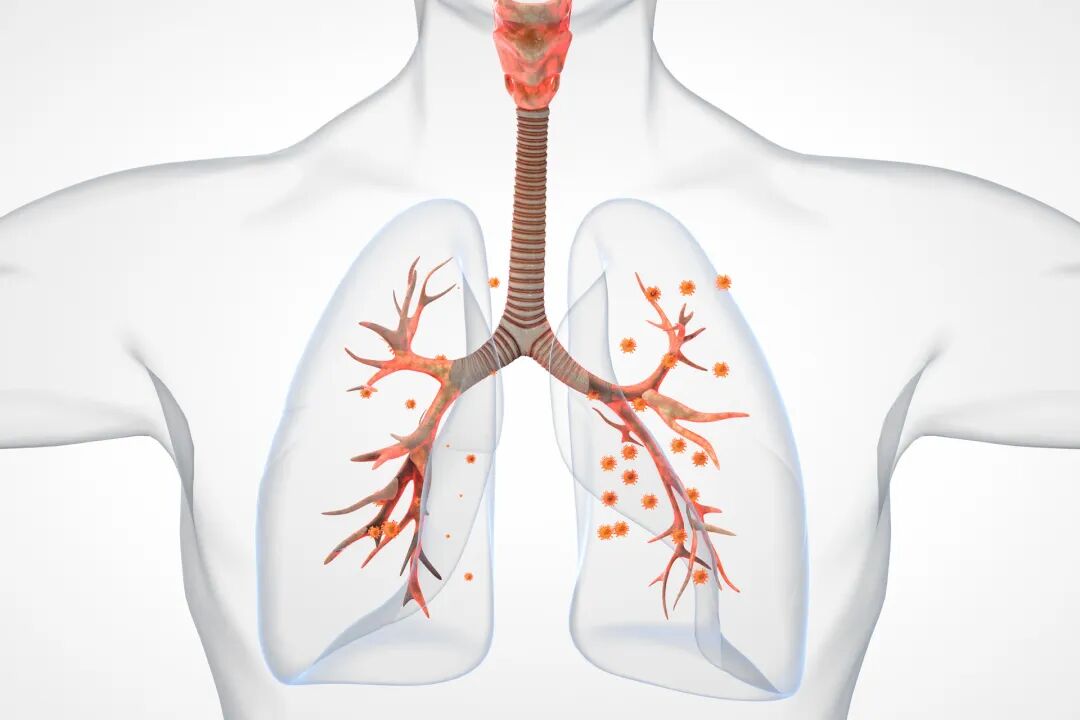
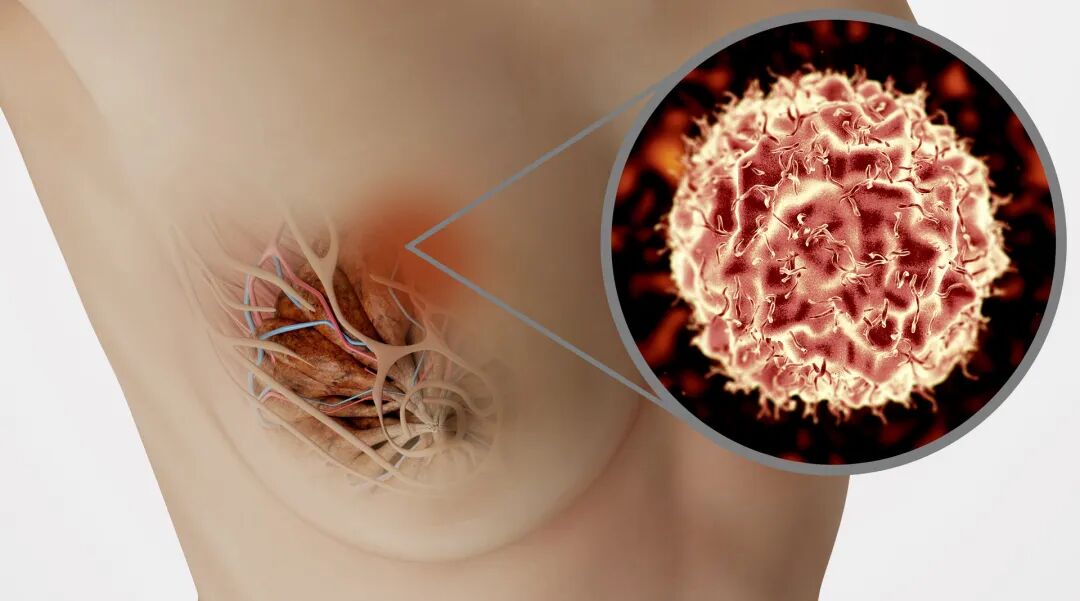
Click on the blue text above to follow us Recurrence and metastasis, how many cancer patients' hopes for cure have these two words taken away? Among them, cancer metastasis accounts for 90% of cancer deaths. [1] Regardless of which type, it means that cancer cells have regrouped and launched a new round of attack.
Where exactly is the vulnerability? Which link of surgery, chemotherapy, and radiotherapy has gone wrong? Why do recurrence and metastasis occur in you? The answer lies in the most critical step of cancer cure, controlling micro-residuals. Popular scienceWhat is micro-residual? Minimal residual disease (MRD) refers to the presence of a small number of cancer cells remaining in the body after tumor treatment (such as surgery, chemotherapy, radiotherapy, or bone marrow transplantation), which cannot be detected by conventional tests despite the disappearance of the tumor or the achievement of complete remission status as indicated by traditional imaging examinations such as CT, MRI, or blood tumor marker tests.
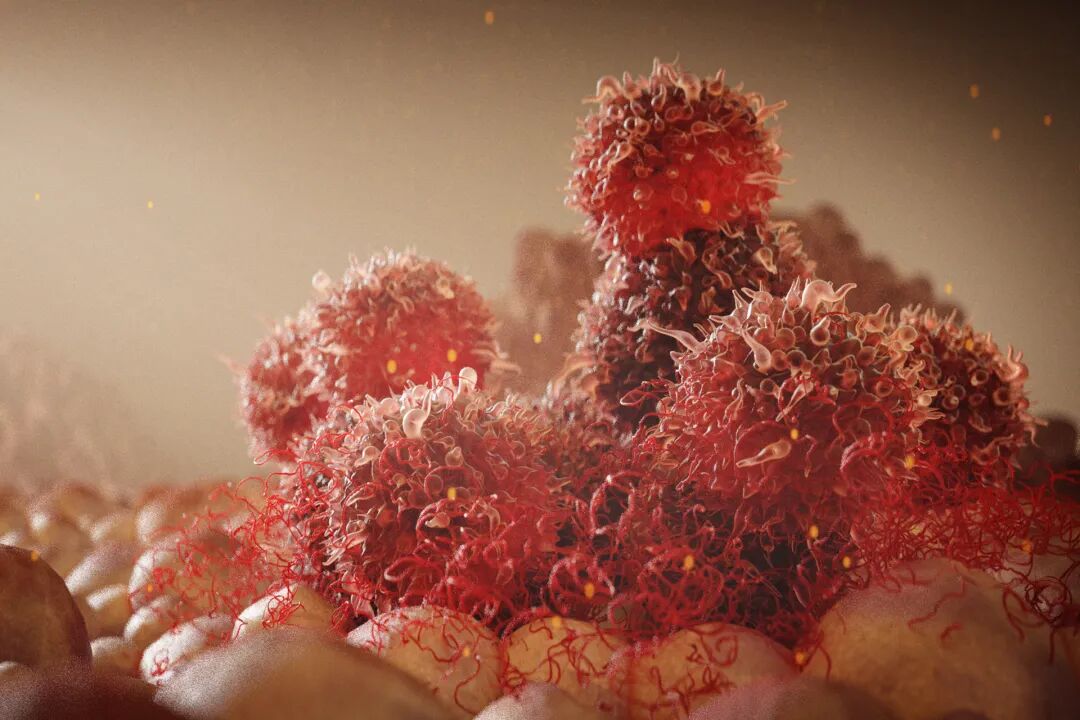
Over time, these minimal residual cancer cells may become reactivated and start proliferating, ultimately leading to recurrence or metastasis. Popular scienceHow do micro-residuals lead to recurrence and metastasis? Although micro-residuals may not be strongly noticeable, their harm is not insignificant. First, let's talk about recurrence. Recurrence refers to the growth of tumor at the primary site or nearby areas again after patients with tumors have undergone radical treatment. It is divided into local recurrence and regional recurrence. These small and hidden residual cancer cells may have escaped the "killing" of treatment due to dormancy or insensitivity to therapeutic drugs, and they are waiting for changes in the body's internal environment, such as decreased immunity or altered drug metabolism, to reactivate and proliferate. Once they reach a certain "scale", tumor recurrence may occur again.
And "metastasis" is a "superpower" of cancer cells, with these micro-residual cancer cells being the protagonists. Due to the weakened adhesion between cancer cells, they can leave the primary lesion like a wild horse escaping its reins, spreading to other parts of the body through the bloodstream, lymphatic system, or other pathways. And when cancer cells reach their "new destination", they must create an environment conducive to their growth and survival, forming clusters of cancer cells. With just a few clusters of cancer cells taking root, they can quickly occupy new organs and grow new tumors through their powerful reproductive ability, completing metastasis.
Popular scienceControlling micro-residuals is the key to curing cancer Even though many cancer patients have undergone radical treatment, micro-residuals are still unavoidable. Therefore, how to control this factor becomes the key to determining cancer cure. 1. Restoring immune ecologyIn cancer patients, the immune ecosystem is often in an imbalanced state, which provides an opportunity for cancer cells to take advantage of. On the other hand, chemotherapy, radiotherapy, and other treatments used in the process of cancer treatment may also cause damage to the immune system, further exacerbating immune imbalance. To control micro-residuals, it is necessary to first rebuild the patient's damaged immune defense network and fill the loopholes. 2. Cell therapy takes a "shortcut" to rebuild immunityImmune cells are capable of recognizing and killing cancer cells. However, for cancer patients, especially those in the middle and late stages, relying on their own immune system to rebuild is not only challenging but also a lengthy process, with the added concern of the disease suddenly progressing due to the presence of residual cancer cells. Therefore, opting for immune cell therapy can provide a "shortcut" for immune system reconstruction, and the process is more controllable. Among numerous immune cells, there exists a type of vNKT cell that is larger and more potent in killing. Once activated, it can efficiently eliminate hundreds of cancer cells that may remain undetected in the body. Furthermore, research has also revealed that vNKT cells possess a dual anti-tumor effect. Not only can they directly kill cancer cells, but they can also regulate the immune microenvironment within tumor tissues, kill inhibitory immune cells known as MDSCs, break down tumor immune evasion, rebuild the normal immune system, and further prevent recurrence and metastasis. 3. Enhancing the resilience of cancer cellsThrough immune cell therapy, residual micro-lesions and cancer cells in the body are eliminated. At the same time, immune cells develop "memory" and continuously repeat the process of "recognizing and killing cancer cells," providing patients with long-term resistance to cancer cells. Popular scienceBoost immunity and seize the critical period
1. Ending the tumor treatment confrontation period After undergoing conventional treatment, cancer patients enter a better recovery phase following the end of the tumor treatment's confrontation phase, during which the tumor cell burden is significantly reduced. At this time, the introduction of immune cell therapy can not only eliminate micro-residuals and improve the tumor cure rate, but also alleviate the side effects of chemotherapy and radiotherapy, thereby enhancing the patient's quality of life. 2. Recovery period After all treatments have been completed, some patients may lack suitable follow-up treatment options, which can compromise the continuity of their treatment. However, micro-residual cancer cells still persist. In this case, introducing immune cell therapy can not only enhance patients' immunity and aid in the clearance of residual cancer cells, but also improve tumor cure rates and survival rates. 3. Loss of other treatment opportunities in the late stageFor patients who have lost other treatment opportunities and may no longer be eligible for surgery, chemotherapy, or radiotherapy, immune cell therapy can still be used to improve their lifespan and quality of life. vNKT cell therapy brings new hope for cancer patients to be cured. # vNKT cell immunotherapy
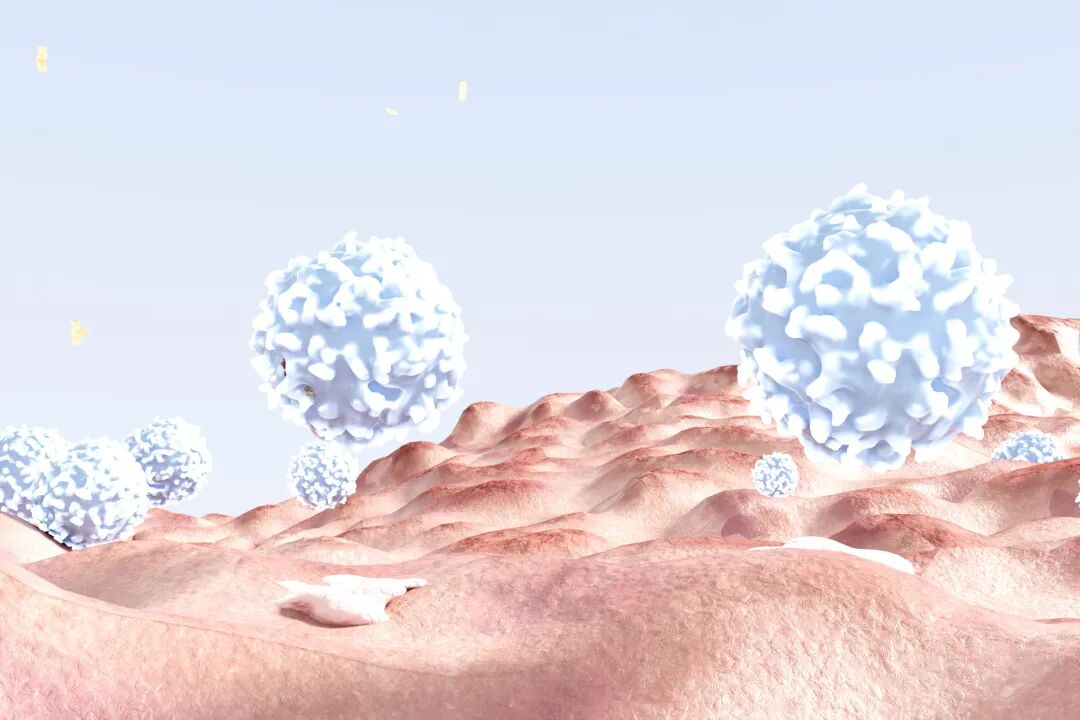
Natural killer T (NKT) cells, a special T cell subset with both T cell receptor (TCR) and NK cell receptors on its surface, combine the important characteristics of NK cells and T cells, possessing the dual ability to recognize tumor cells non-specifically and specifically, and can rapidly kill tumor cells. Among the NKT cell subsets, there is a larger and more potent special type of soldier discovered by the experimental team led by Professor Zhang Minghui of Tsinghua University, namely variant natural killer T (vNKT) cells. The population of vNKT cells in the body is very small and they are not easily activated. However, once activated, they can effectively eliminate tumor cells that may remain undetected in the body. Additionally, research has found that vNKT cells exhibit dual anti-tumor effects. Not only can they directly kill cancer cells, but they also modulate the immune microenvironment within tumor tissues, killing inhibitory immune cells known as MDSCs, breaking tumor immune evasion, rebuilding the normal immune system, and further preventing recurrence and metastasis.
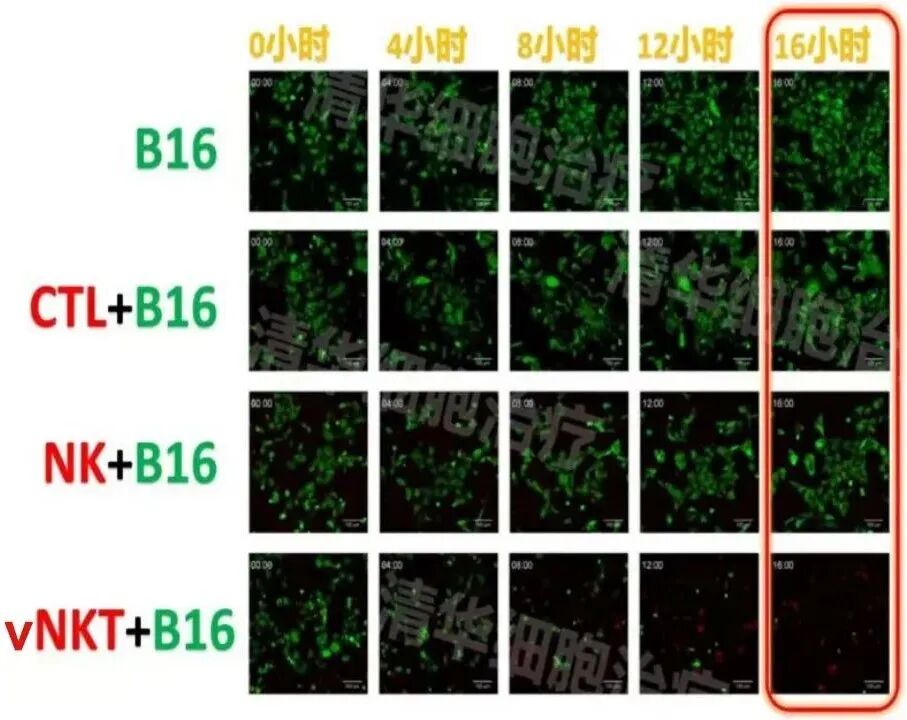
Experimental conditions: In the presence of vNKT cells, after 16 hours, nearly all B16 tumor cells were killed!

Lian is a I
Scan QR code
Communicate with Professor Zhang Minghui's team

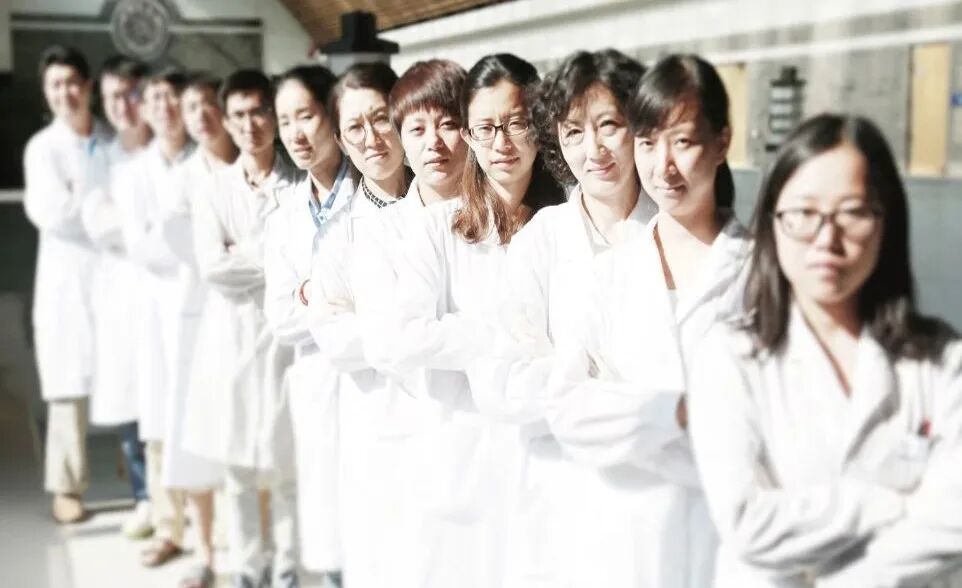
Zhang MinghuiFounder of Lehe New Medicine and PhD in Immunology from Tsinghua University School of MedicineSince the discovery of vNKT cells in 2002, Professor Zhang Minghui's research team has been engaged in research for over 20 years, accumulating treatment experience in over 700 cases of solid tumors, covering almost all common solid tumors. The research results fully demonstrate the great value of vNKT in the treatment of solid tumors.
It is suitable for postoperative patients with high malignant potential or a risk of recurrence; patients whose tumors have been largely controlled but not cured through conventional treatments such as chemotherapy, radiotherapy, and targeted therapy; and patients who continue to have high carcinogenic factors. If these patients do not undergo effective follow-up treatment after traditional anti-tumor therapy, recurrence, metastasis, or re-emergence of tumors will be highly probable. In this case, vNKT cell therapy is an ideal follow-up treatment method that can significantly improve the prognosis of patients. Reference source:
[1]Chaffer CL, Weinberg RA. A perspective on cancer cell metastasis. Science. 2011;331(6024):1559-1564.
Written by: Zhang TuoReviewed by: Qiao Jiacheng, Wang Ying, Gao ChenEdited/typeset by Zhang Jiao
Click on the image to view past exciting content

Reposting is a driving force, sharing is a kind of beauty