About Lehe
乐于心,和与众,与己乐,与人和; 心宽念纯,百病无生。


乐于心,和与众,与己乐,与人和; 心宽念纯,百病无生。


We often say that if someone is always getting sick, it must be due to a decline in immunity; if someone unfortunately gets lung cancer, it is related to low immunity, and improving immunity can reduce the occurrence of many diseases.
In blood routine examination, the indicator that best reflects immunity is white blood cell count (WBC). White blood cells are colloquially known as immune cells. Any cells involved in or related to immune response can be called immune cells. They include various types, such as neutrophils, lymphocytes, monocytes, etc., each of which undertakes different immune defense tasks.
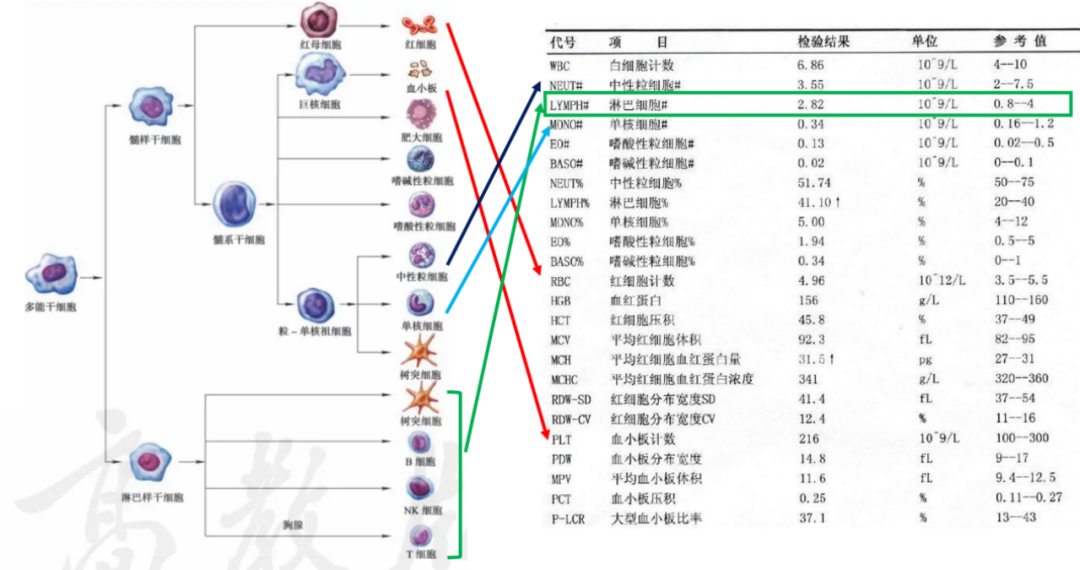
The white blood cell count (WBC) in blood routine examination refers to the total number of neutrophils, lymphocytes, monocytes, eosinophils, and basophils. As can be seen from Figure 1, the two largest types of white blood cells are differentiated from different "seeds" - stem cells. The type including neutrophils, monocytes, eosinophils, and basophils develops from myeloid stem cells, while lymphocytes (T cells, B cells, and NK cells) come from lymphoid stem cells. Different developmental origins also indicate their participation in different immune response processes. If any of these cells undergo abnormal changes, it can help us infer what problems exist in the body's immunity.
The above figure also shows that under normal circumstances, the highest content of white blood cells is neutrophils, accounting for more than half of the total number of white blood cells; followed by lymphocytes, accounting for about 20%-40%; monocytes also account for a certain proportion.
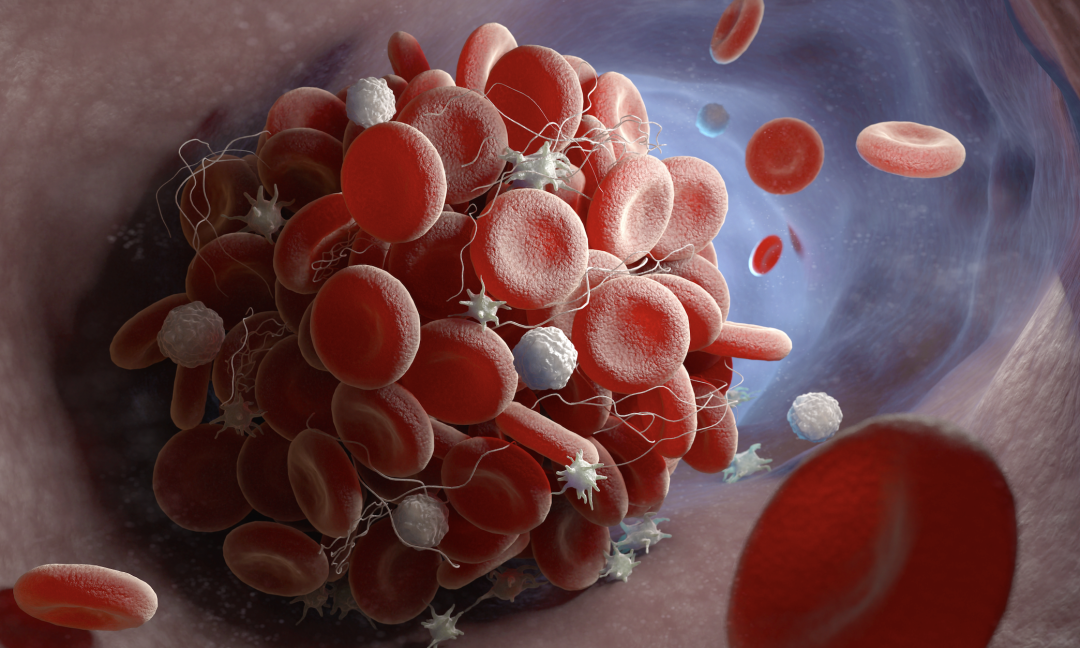
★ The total count of white blood cells decreases, leading to poor immune function. There are many reasons for this:
· Commonly, it is due to viral infection, parasitic invasion, allergy, or poisoning.
· It may also be caused by radiation exposure or the use of certain medications.
· If a patient with lung cancer undergoing chemotherapy experiences a significant decrease in the total count of white blood cells and neutrophils, leading to grade 4 bone marrow suppression, their immune function is severely compromised, making them prone to secondary infections in various organs. Timely administration of leukogenic drugs is necessary to mobilize bone marrow hematopoiesis.
★ An increase in the total count of white blood cells is often due to the following reasons:
· If the total count of white blood cells increases significantly, it may indicate leukemia.
· If the increase is not significant, it may be due to bacterial or viral infection, or allergy. To further determine whether the cause is viral or allergic, it is necessary to consider the classification of white blood cells.
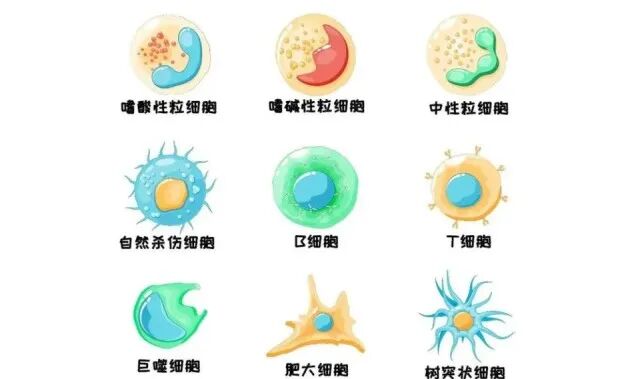
Types of immune cells
We only pick out some common situations for discussion:
① Neutrophil percentage: Neutrophils account for 50%-70% of the total white blood cell count. An increase in neutrophils is commonly seen in bacterial infections;
② Lymphocyte percentage: Lymphocytes account for 20%-40% of the total white blood cell count. An increase in lymphocytes is commonly seen in viral infections;
③ Eosinophil percentage: An increase in eosinophils is commonly seen in allergies or parasitic infections;
④Basophil percentage: An increase in basophils is commonly seen in poisoning;
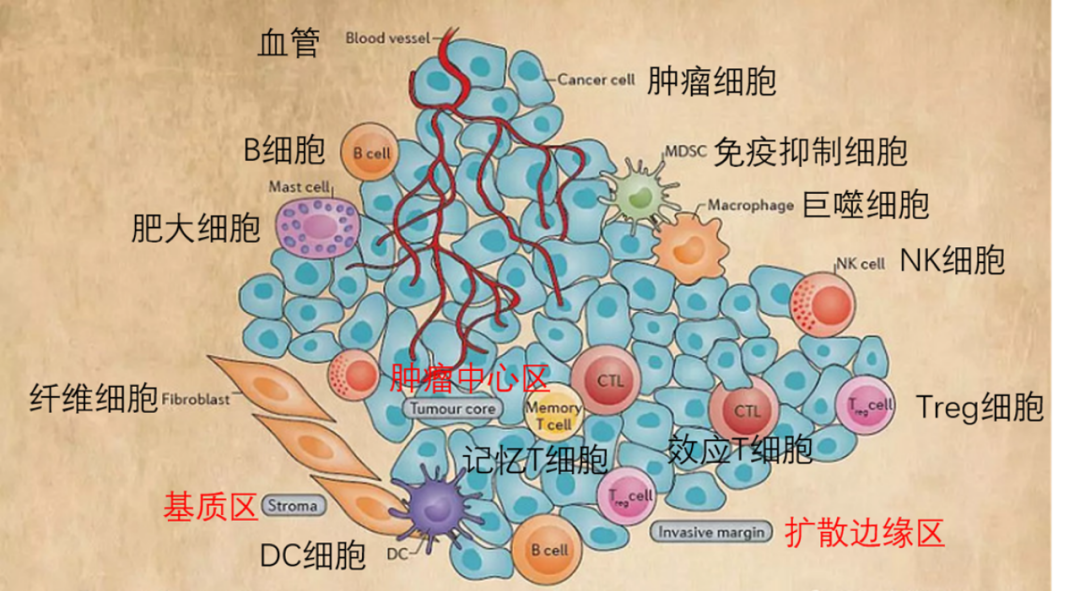
Leukocytes not only participate in the process of anti-infection, but also play an important role in the formation of the tumor microenvironment (TME) during the occurrence and development of tumors. The relationship between the immune system and tumors is one of the most extensively studied topics in the field of cancer. Previously, it was believed that cancer was solely the result of the tumor itself; however, we now know that it requires the support of different cells and cytokines, namely the tumor microenvironment (TME).
Based on scientists' continuous research on tumors and immune cells, people attempt to modify, activate, and expand immune cells in vitro, and then re-infuse them back into patients' bodies to achieve the goal of tumor clearance. In the early 1980s, Rosenberg's team of surgeons in the United States pioneered the use of adoptive immunotherapy with lymphokine-activated killer (LAK) cells in the treatment of melanoma, achieving certain efficacy. After the establishment of LAK cell therapy, it caused a sensation worldwide, and adoptive immunotherapy (ACT) represented by it became a research direction in tumor treatment. After 40 years of development, the effect of adoptive immunotherapy is relatively clear. With technological iteration and progress, the cells used to carry out adoptive immunotherapy include NK (natural killer) cells, CTL (cytotoxic T lymphocyte) cells, DC (dendritic cell) cells, CAR-T cells (chimeric antigen receptor-modified T cells), TCR-T cells (TCR gene-engineered T cells), TIL (tumor-infiltrating lymphocytes), and vNKT, becoming immunotherapy methods that have attracted attention from both industry and academia. And these cells, without exception, belong to natural or artificially modified immune cells.
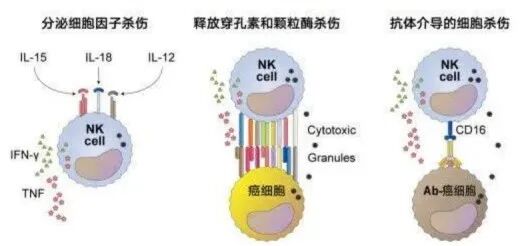
NK cells
Also known as natural killer cells, they belong to the category of white blood cells. They are the loyal guardians of the human body, with the primary task of eliminating cells that have been infected by viruses, thereby nipping the viruses in the bud. They are also referred to as the "first line of defense" of the human body
. The most impressive aspect of NK cells is that they do not require an antigen presentation process. They can broadly recognize abnormal cells and, without the need for any warning, can directly and rapidly eliminate foreign substances (such as cells infected by viruses or bacteria, cancer cells, and senescent or diseased cells) within 5 minutes. They can secrete perforin, which punctures the membrane of cancer cells, causing their death.
DC cells
Dendritic cells (DCs), as the immune scouts, are the strongest antigen-presenting cells in the human body. DCs can recognize various pathogens and tumor cells, primarily serving to stimulate immune responses, activate NK cells, T cells, B cells, etc., and thereby activate and enhance the body's immune capabilities.
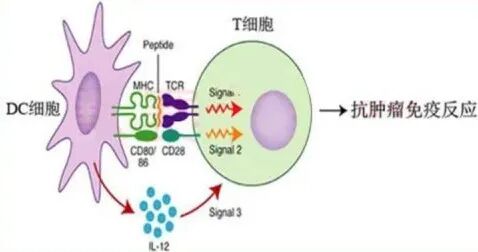
Interaction between DC cells and T cells
TIL cells
Also known as tumor-infiltrating lymphocytes, are tumor-killing special forces . As a novel type of anti-tumor effector cells, they primarily act to intervene in primary or secondary tumors located in the skin, kidney, lung, head and neck, liver, and ovary.
CAT-T cells
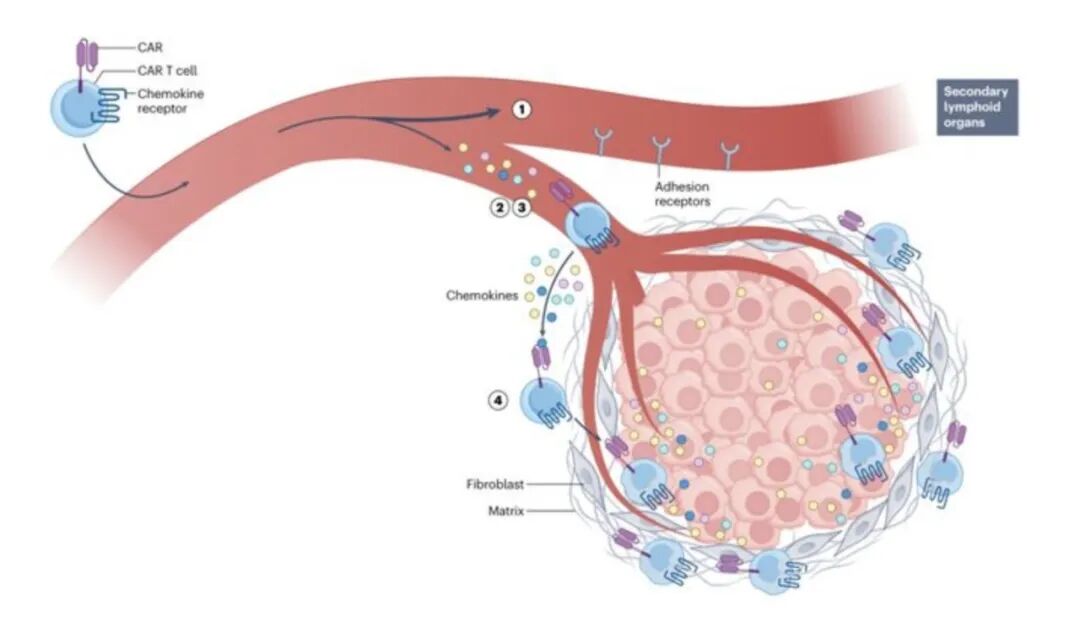
Also known as chimeric antigen receptor T cells, they can be regarded as the vanguard in tumor killing. In recent years, through optimization and improvement, they have been able to recognize and actively pursue and kill, mainly targeting cancer cells in the lymphatic system, with precision, speed, and efficiency in attacking, killing, and eliminating cancer cells. However, they cannot be used for prevention in high-risk populations.
TCR-T cells
T cells genetically engineered with T cell receptor (TCR) are also known as TCR-T cells. TCR is a receptor expressed on the surface of T cells, capable of specifically recognizing relevant antigens presented by MHC molecules on the surface of tumor cells, thereby mediating the anti-tumor effect of T cells. Currently, TCR-T cells have demonstrated good therapeutic effects and application potential in clinical trials for solid tumor treatment. Due to MHC differences among individuals, MHC mismatch between the input cells and the recipient can lead to immune rejection. This has limited the application of TCR-T cell therapy, which is mainly conducted through the infusion of autologous cells after modification.
vNKT cells
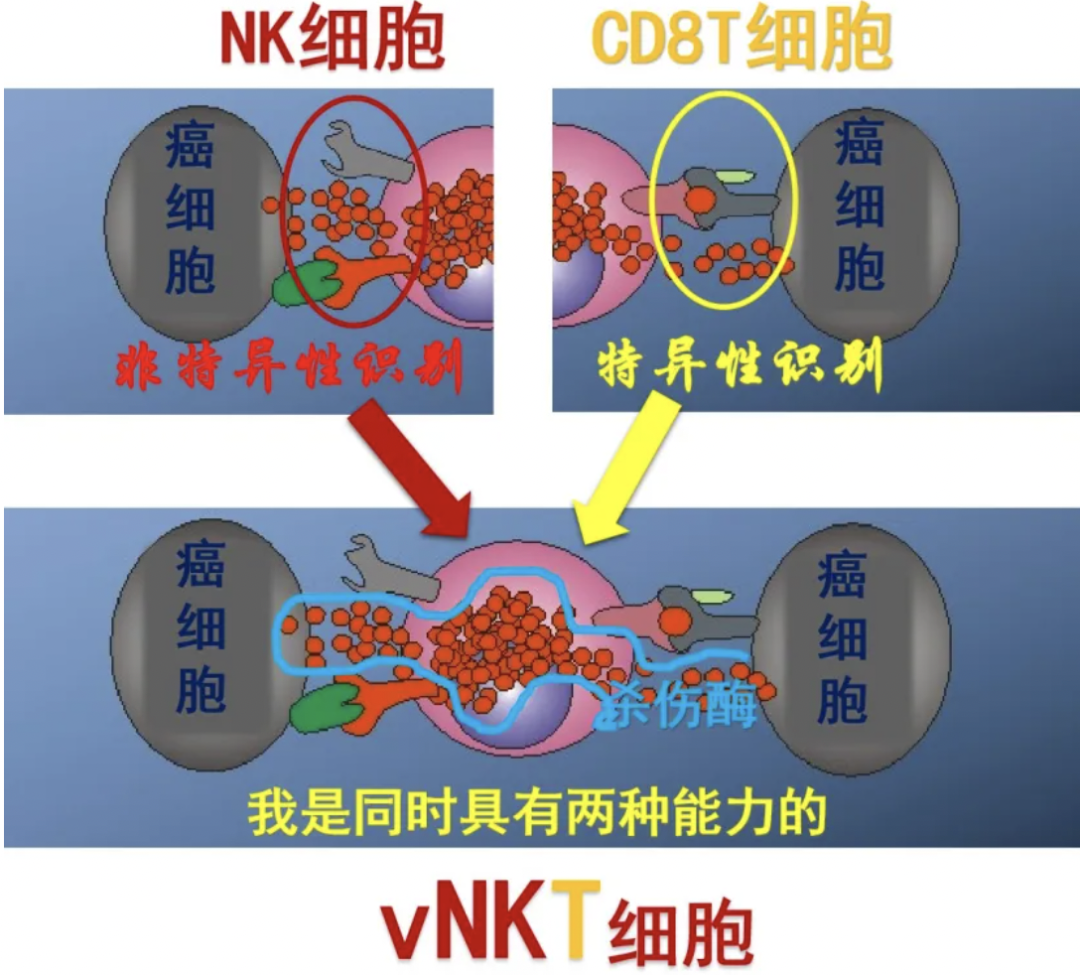
The vNKT immune cell subpopulation discovered by Zhang Minghui's team at Tsinghua University exhibits bidirectional anti-tumor effects. It not only possesses the important characteristics of NK cells and CD8+ T cells, allowing for the rapid killing of tumor cells, but also regulates the microenvironment within cancer tissues, clearing inhibitory immune cells (MDSCs), thereby playing a role in regulating the tumor microenvironment. vNKT cells exhibit broad-spectrum tumor cell killing activity. Therefore, after tumor burden reduction (such as surgery or chemoradiotherapy), it can effectively eliminate tumor cells that may remain in the body but are undetectable by existing technological means, thus effectively preventing tumor recurrence and metastasis, providing new hope for the treatment of solid tumors.
The pros and cons of different immunotherapy treatments are shown in the image.
Tumor cell immunotherapy has become a powerful tool in the fight against cancer. The therapeutic effects of adoptive cellular immunotherapy used in clinical tumor immunotherapy are becoming increasingly clear, and the body's tolerance to cellular immunotherapy methods is higher than that of traditional chemotherapeutic drugs. vNKT cell infusion provides a new treatment strategy for tumor patients who may have micro-metastasis or have already undergone metastasis, offering both "disease prevention and treatment" without side effects! It provides a feasible direction for achieving long-term cure of cancer!
Written by: Cao Tingting
Reviewed by: Qiao Jiacheng, Wang Ying, Gao Chen
Edited/typeset by: Zhang Jiao

Scan QR code
Communicate with Professor Zhang Minghui's team

Address: Room 1101 (Unit 101), 11th Floor, Building 1, No. 7 Courtyard, Kexueyuan Road, Life Science Park, Changping District, Beijing
Phone:010-8265 9866
Email:lehemedneo@hotmail.com