Contact Us Careers
Lehe Popularization

80% of liver cancers are discovered at an advanced stage. Are there any early warning signs?

时间:2026-05-22 人气:
     
Click on the blue text above to follow us      


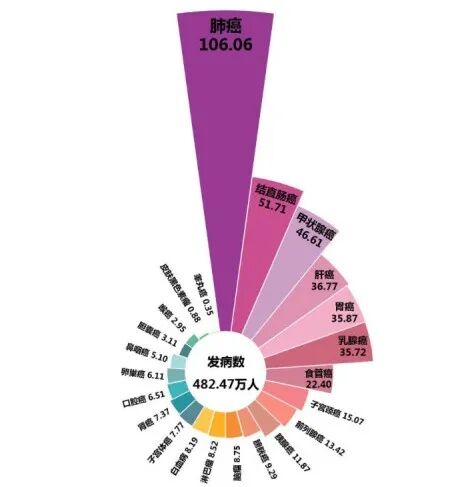
80% of liver cancers are already at an advanced stage when discovered! According to statistics, in 2022, the number of new cases and deaths from liver cancer in China was approximately 368,000 and 317,000 respectively. Approximately 140,000 people die from primary liver cancer each year, accounting for about 46% of the global liver cancer deaths, highlighting the severity of the situation in China.


Why is liver cancer often discovered at an advanced stage

     
popularization of science      


Liver cancer, like having the ability to turn invisible, has been lurking around us until it is suddenly discovered at the last moment. This is the result of a combination of various factors:

PART1
 The specificity of the liver


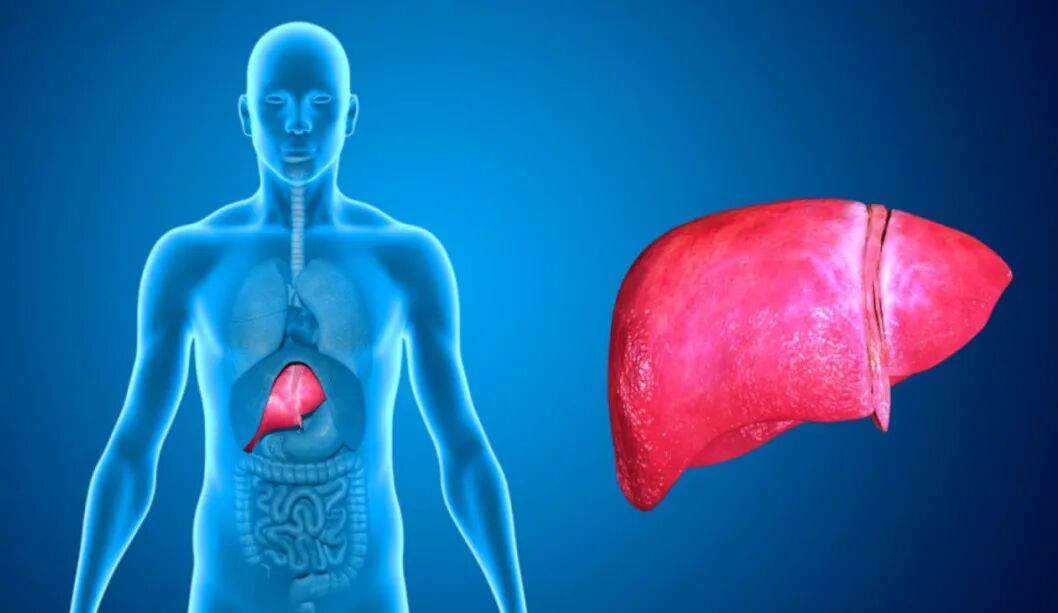
Concealed location: The liver is located in the upper right part of the abdominal cavity and is protected by the ribs, making it relatively concealed and not easily touched directly. Therefore, even if the liver develops a disease, it may be difficult for patients to detect it themselves.  


Lack of pain nerves: The liver is the only solid organ in the human body that lacks pain nerves. This means that even if the liver is damaged or a tumor grows, patients may not feel pain, thus missing the opportunity for early detection.  


PART2    
The occult nature of liver cancer


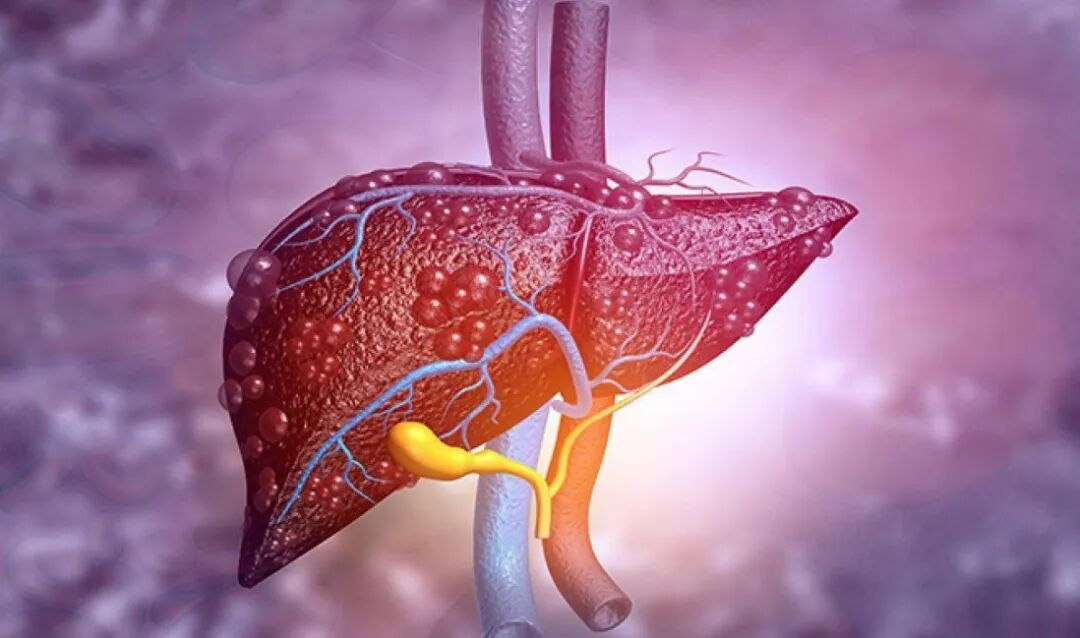
Early symptoms are atypical: Liver cancer often presents no obvious specific symptoms in its early stages. Patients may experience mild fatigue, loss of appetite, indigestion, and other symptoms, but these are easily overlooked because they resemble common causes in daily life, such as fatigue and improper diet.


Rapid disease progression: Liver cancer cells grow relatively quickly and are prone to metastasize through blood, lymphatic, and other pathways. Therefore, once liver cancer progresses to an advanced stage, the condition may deteriorate rapidly in a short period of time.



PART3      
 Inadequate screening awareness    


Lack of regular physical examinations: Many people do not attach enough importance to liver cancer screening and do not undergo regular related examinations. Even if they do undergo physical examinations, early liver cancer may remain undetected due to incomplete or unprofessional examination items.


Limited screening methods: Although some screening methods such as ultrasound, CT, MRI, etc. can be used for early detection of liver cancer, these examinations are usually not included in routine physical examination programs and require a certain amount of expense and time. Therefore, many people do not undergo these examinations regularly.  


PART4      
 Presence of high-risk factors      


Hepatitis virus infection: Hepatitis B and C are major high-risk factors for liver cancer. These viruses persist and repeatedly damage the liver, easily leading to hepatocellular carcinoma.


Unhealthy lifestyle habits: Long-term alcohol consumption, staying up late, and a greasy diet, among other unhealthy lifestyle habits, may also cause damage to the liver and increase the risk of liver cancer.


Therefore, in order to reduce the incidence rate of liver cancer and improve early detection, it is necessary to strengthen the publicity and education of liver cancer, enhance people's health awareness and screening awareness, strengthen the monitoring and management of high-risk groups, and enhance the early diagnosis and treatment of liver cancer.
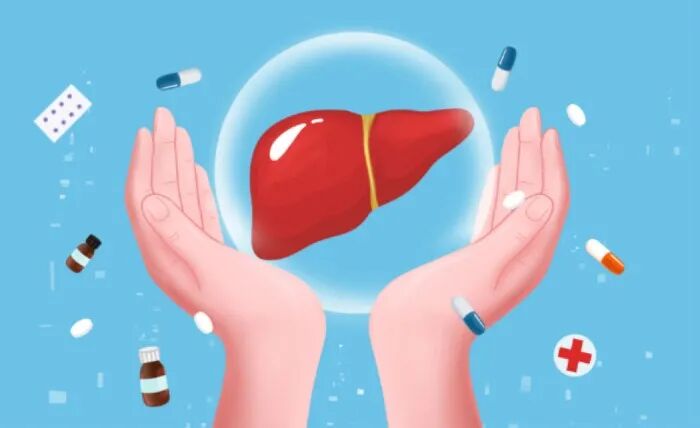


What are the early signs of liver cancer?

     
popularization of science      


The early signs of liver cancer may be subtle and easily overlooked, but there are still some symptoms that may indicate liver problems. Here are some common early signs of liver cancer:



PART1      
 Digestive symptoms      

 
Loss of appetite: Patients may feel a lack of appetite and a lack of interest in food.  
Nausea and vomiting: Impaired liver function may lead to nausea and vomiting.  
Indigestion: When the metabolism of food in the liver is affected, symptoms of indigestion may occur.  


PART2      
 Abdominal discomfort      


Mild abdominal pain or bloating: The patient may experience abdominal discomfort, especially near the liver area.  
Liver area pain: Sometimes, the pain may manifest as persistent or intermittent pain in the liver area, which may worsen with changes in body position.  


PART3      
 Systemic Symptoms      


Lassitude and fatigue: Liver damage may lead to energy metabolism disorders, causing patients to feel tired and weak.
Weight loss: Due to the tumor consuming energy and nutrients from the body, patients may experience unexplained weight loss.  


PART4      
 Jaundice      


Jaundice: Jaundice is a common symptom of liver cancer, manifesting as yellowing of the skin and sclera.


PART5      
 Fever    


Irregular fever: Patients with liver cancer may experience fever symptoms, usually due to the release of pyrogens into the blood circulation after tumor tissue necrosis.  


PART6      
 Other symptoms      

 
Bleeding tendency: Such as epistaxis, subcutaneous hemorrhage, etc., which may be caused by liver tissue damage or liver failure.  
Hepatomegaly: Some patients with liver cancer may feel a mass or induration in the liver area.  
Skin itching: Jaundice may be accompanied by symptoms of skin itching.  

 
It should be noted that these symptoms are not specific to liver cancer and may also be related to other diseases. Therefore, if any of the above symptoms occur, prompt medical attention and detailed examination should be sought to rule out the possibility of liver cancer. Especially for individuals with high-risk factors for liver cancer, such as those with chronic hepatitis B or C virus infection, or cirrhosis, regular relevant examinations should be conducted to facilitate early detection of liver cancer and take appropriate treatment measures.  


High-risk population for liver cancer

     
popularization of science      

 
PART1      
 Pay attention to these 6 categories      


1. Individuals infected with viral hepatitis B or C.

2. Individuals with a long-term history of heavy alcohol consumption.

3. Patients with fatty liver disease or non-alcoholic steatohepatitis.

4. Individuals who have long-term exposure to foods contaminated with aflatoxin.

5. Patients with cirrhosis resulting from various causes.

6. Individuals with a family history of liver cancer.
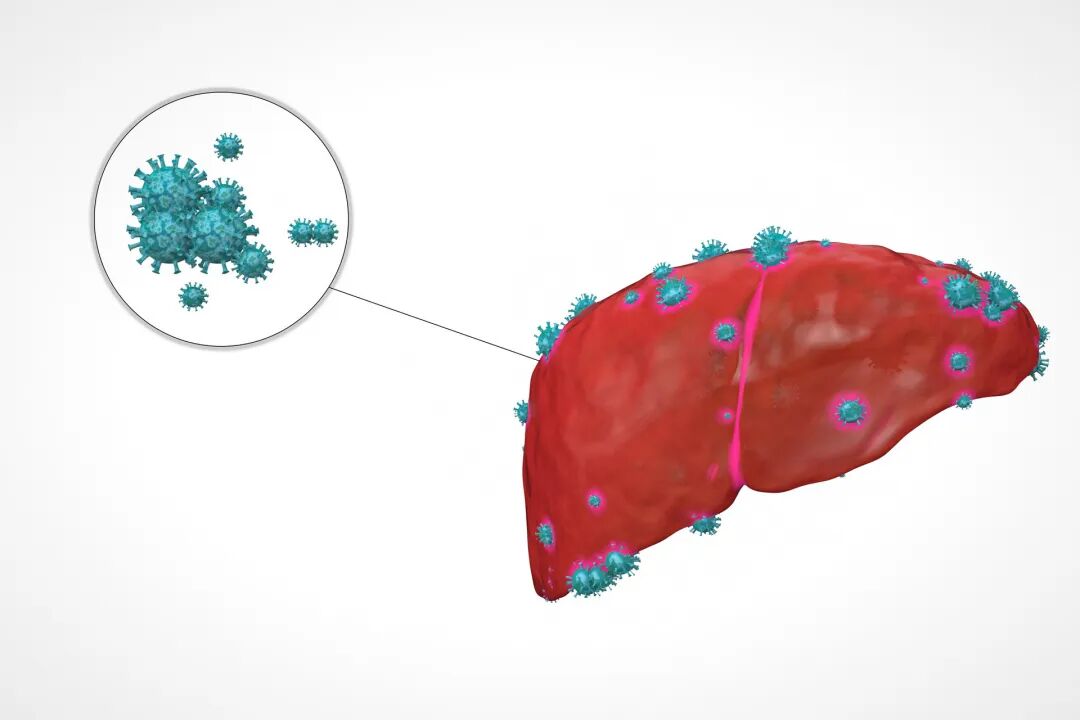


Prevention and screening of liver cancer
     
popularization of science      

 
PART1      
 Attach importance to physical examination and lead a regular life

 
Regular physical examination: For individuals with underlying liver diseases, it is recommended to undergo a check-up for alpha-fetoprotein and liver ultrasound every six months starting from the age of 40.  


Healthy Lifestyle: Maintain a healthy weight, avoid eating moldy foods, limit consumption of smoked, pickled, baked, fried, and overheated foods, and thoroughly clean fresh fruits and vegetables before consumption. Refrain from excessive alcohol consumption and smoking, do not take long-term medications that may cause cancer, and avoid using toxic plastic bags.  


Avoid overexertion: Especially for individuals with a family history of hepatitis and liver cancer, it is important to rest and avoid overexertion.  


Early liver cancer is not completely symptom-free, but the symptoms are usually subtle. Therefore, for people with underlying liver diseases, regular physical examinations and maintaining a healthy lifestyle are crucial. At the same time, it is important to be vigilant about early signs of liver cancer. If any related symptoms appear, seek medical attention and examination promptly.

 
In addition, maintaining good living and dietary habits is also an important measure to prevent liver cancer. Avoiding long-term excessive drinking, staying up late, greasy diet, and other unhealthy habits, actively exercising, maintaining a healthy mindset and optimistic mood, all contribute to reducing the risk of liver cancer.  


Written by Cao Tingting

Reviewed by Qiao Jiacheng, Wang Ying, Gao Chen

Edited/typeset by Zhang Jiao


Professor Zhang Minghui of Tsinghua University has always harbored the great aspiration of "a world without disease". The Lehe New Medicine team he established has over 20 anti-cancer science popularization groups, dedicated to providing a patient-centered platform for patients to exchange and help each other. Whether you are newly diagnosed, troubled by side effects, unsure how to choose a treatment plan, want to share experiences and insights, or simply pour out your heart, you are welcome here!


Within the group, there are professional experts giving lectures and enthusiastic group members for exchanges. Moreover, you have the opportunity to use free and mature immunotherapy techniques. Join me and let's enter the group to live a Lehe and healthy life together!


 
Want to know more about comprehensive treatment suggestions for liver cancer
Welcome to the Lehe New Medical Liver Cancer Exchange Group


Contact Us            

Scan QR code

to communicate with Professor Zhang Minghui's team



Click on the image to view the exciting content from previous issues  


Reposting is a driving force, sharing is a virtue