About Lehe
乐于心,和与众,与己乐,与人和; 心宽念纯,百病无生。


乐于心,和与众,与己乐,与人和; 心宽念纯,百病无生。


"Wonder Drug" Aspirin is familiar to many people. It was initially used for analgesia , fever reduction, and inflammation , and later for inhibiting platelet aggregation in cardiovascular and cerebrovascular diseases , as well as for antithrombotic purposes . Its wide range of applications has benefited patients with various diseases . According to data , globally, the annual consumption of aspirin is approximately 50,000 tons, equivalent to about 120-500 billion tablets in dosage form.
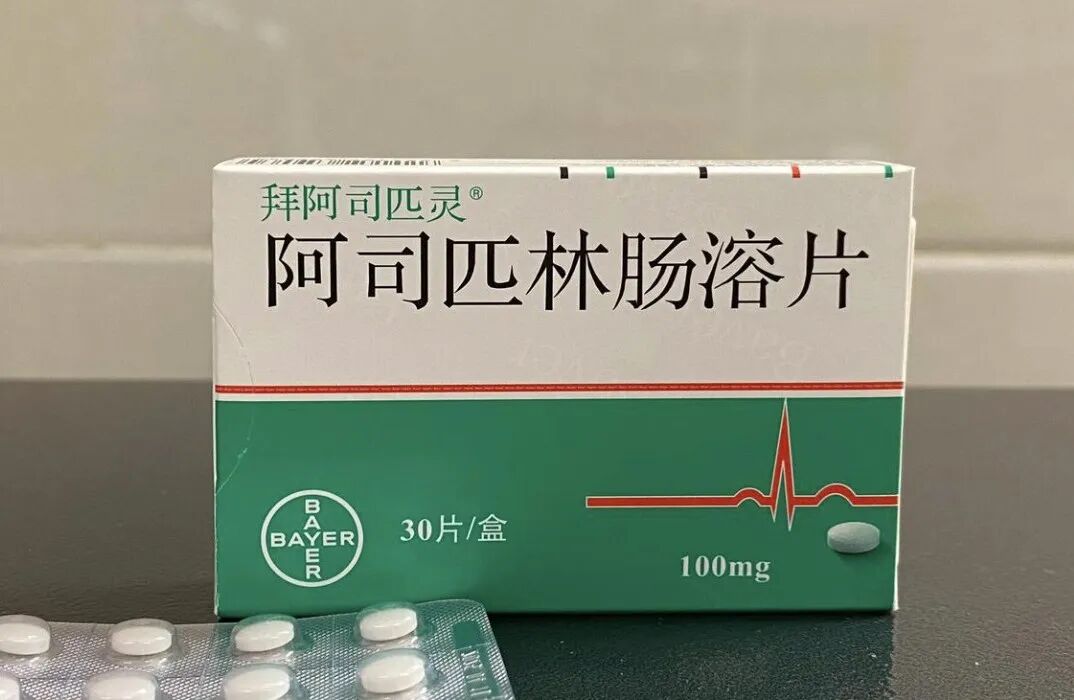
Recently, aspirin, which so many people take, has once again become a trending topic. It's unimaginable that such a century-old drug could make such big news!

Did you know that aspirin can also fight cancer?
As early as 2020, The Lancet published research indicating that among high-risk individuals with genetic predisposition, taking aspirin can halve the risk of colorectal cancer, and this preventive effect can be maintained for 10 to 20years[1]. Taking low-dose aspirin daily is associated with a reduction of 20% in cancer mortality and all-cause cancer deaths[2].
Daily low-dose aspirin therapy is significantly associated with a reduced risk of hepatocellular carcinoma (HCC) (aHR=0.48; P < 0.001), with a reduction in risk of up to 52%[3].
Women who take low-dose aspirin more than 3times per week have a 16% reduced risk of breast cancer[4] according to the guidelines.
Taking low-dose aspirin daily can reduce the risk of ovarian cancer by 10%, and aspirin can improve the survival rate of ovarian cancer patients by 30%[5].
Recently, a groundbreaking study published in Nature has added another item to the list of “superpowers” of aspirin: Aspirin can also prevent cancer metastasis[6]!
How does aspirin prevent cancer metastasis?
Cancer metastasis is the main cause of90%related deaths. The latest research reveals thatAspirin can reduce cancer metastasis by stimulating the immune system
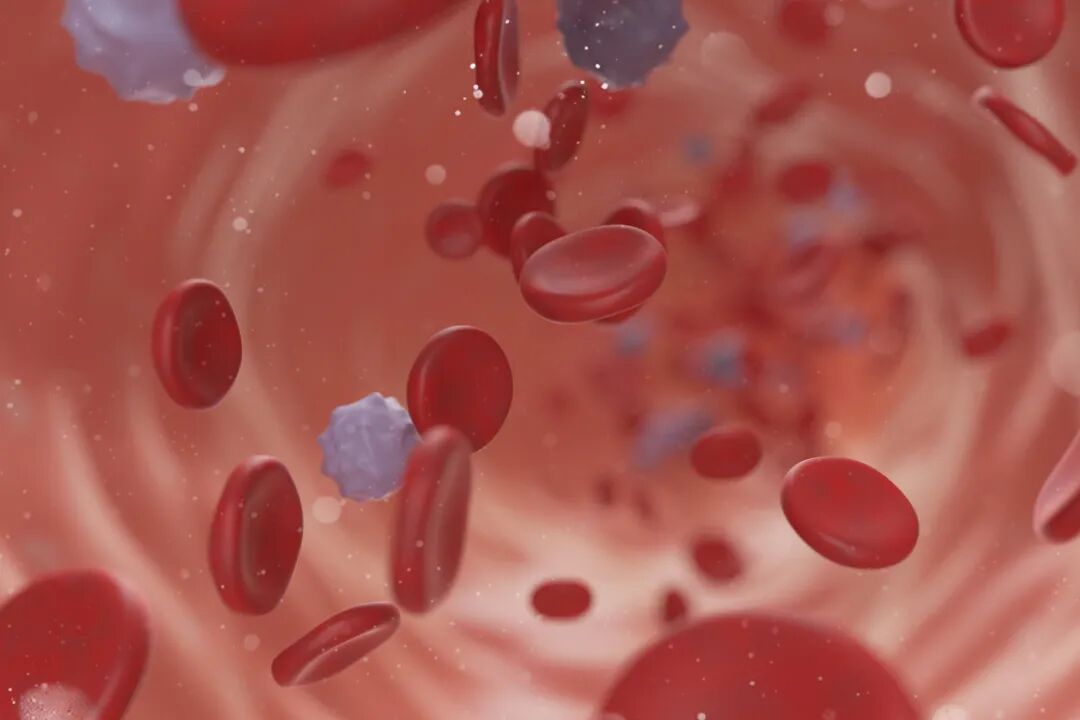
Scientists have discovered that aspirin prevents cancer metastasis through a novel mechanism. Aspirin, as a classic antiplatelet drug, exerts its effect by irreversibly inhibiting platelet cyclooxygenase (COX-1), leading to a reduction in the production of thromboxane A2 (TXA2), thereby inhibiting platelet aggregation and preventing blood coagulation. In this process, by inhibiting the coagulation factors of thromboxane A2 (TXA2), it can also restore the activity of immune cells, specifically T cells, and reactivate their ability to recognize and eliminate cancer cells. This, in turn, enhances the immune system's surveillance and attack on metastatic cancer cells, ultimately achieving the goal of preventing cancer spread.
Who should consider using aspirin?
Although aspirin has been clinically used for a century, it is not a “perfect drug”. Its adverse effects, such as bleeding risk, gastrointestinal mucosal injury, and burden on liver and kidney, make it not suitable for everyone. When used as primary prevention, the potential benefits and risks of taking aspirin should be fully evaluated. The following groups of people should consider taking aspirin:
* Aged 40~59, with a 10-year cardiovascular risk of ≥10%
Populations;
* High-risk groups for hereditary cancers such as Lynch syndrome; * Patients who have undergone early-stage cancer surgery (need to detect CD8+T cell activity).
5 Things to Keep in Mind When Taking Aspirin
1、 Pay attention to the dosage
Currently, aspirin is used in cardiovascular and cerebrovascular diseases, with a daily dosage of75-150milligrams. A dosage that is too small cannot effectively prevent bleeding, while a dosage that is too large increases the risk of bleeding without increasing the therapeutic effect.[7].
In the application of cancer prevention and metastasis prevention, there is currently no clear clinical guideline for the optimal dosage.
2.Pay attention to bleeding reactions
The mechanism of action of aspirin may lead to abnormalities in the coagulation mechanism, increase the risk of bleeding, and cause gastrointestinal bleeding, hematoma, gingival bleeding, nosebleeds, subcutaneous bleeding, urogenital bleeding, etc. During the use of aspirin, be sure to pay attention to these abnormal bleeding situations and consult a doctor in a timely manner.
3、 Pay attention to gastrointestinal issues
Due to the salicylic acid structure in aspirin, frequent use can damage the lining of the gastrointestinal tract, increasing the risk of duodenal ulcers, Crohn's disease, inflammatory bowel disease(IBD) and intestinal perforation. If aspirin users experience symptoms such as nausea, vomiting, upper abdominal pain, vomiting blood, black stool, anemia, dizziness, etc., they should consider gastrointestinal problems caused by the medication.
4、 Pay attention to medication time
Aspirin is divided into two categories: regular preparations and enteric coated tablets. Regular preparations are recommended to be taken after meals to reduce direct damage to the gastric mucosa, while enteric coated aspirin tablets are more effective when taken 15 to 30 minutes before meals.
5. Pay attention to allergic reactions
Some people may be allergic to aspirin, with common allergic reactions such as sneezing, skin redness and itching, and asthma.
Special reminder
Aspirin must be taken according to doctor's advice, and attention should be paid to medication safety.
Popular science is also a kind of charity. Share useful knowledge with the people you love~
[1] https://doi.org/10.1016/S0140-6736(20)30366-4
[2] Elwood, P., Morgan, G., Watkins, J. et al. Aspirin and cancer treatment: systematic reviews and meta-analyses of evidence: for and against. Br J Cancer (2023). doi: 10.1038/s41416-023-02506-5
[3] Teng-Yu Lee et al, Daily aspirin associated with a reduced risk of hepatocellular carcinoma in patients with non-alcoholic fatty liver disease: a population-based cohort study. eClinicalMedicine. DOI: 10.1016/j.eclinm.2023.102065
[4] Christina A. Clarke, Alison J. Canchola, Lisa M. Moy, et al. Regular and low-dose aspirin, other non-steroidal anti-inflammatory medications and prospective risk of HER2-defined breast cancer: the California Teachers Study. Breast Cancer Research. 1 May 2017, DOI: 10.1186/s13058-017-0840-7.
[5] Melissa A Merritt et al: "Pre-diagnosis and post-diagnosis use of common analgesics and ovarian cancer prognosis (NHS/NHSII): a cohort study". The Lancet Oncology, July 17, 2018
[6] Aspirin prevents metastasis by limiting platelet TXA2 suppression of T cell immunity. Nature (2025). DOI: https://doi.org/10.1038/s41586-025-08626-7
[7] Li Xiaoli, Wang Yongji, Fan Li, et al Analysis of the correlation between aspirin dosage and antiplatelet effect of aspirin in elderly population using propensity score matching method [J]. Chinese Journal of Geriatric Cardiology and Cerebrovascular Diseases, 2015, 000(009):925-928.
Immunity science popularization, vegetarian diet, health live broadcast
Add a small assistant and join Professor Zhang's science popularization group to learn together
Founder of Lehexin Medical
Professor Zhang Minghui, a Ph.D. in immunology from Tsinghua University School of Medicine, has led a research team for over 20 years since the discovery of vNKT cells in 2002. They have accumulated experience in treating over 700 cases of solid tumors, covering almost all common solid tumors. The research results fully demonstrate the great value of vNKT cells in the treatment of solid tumors.
It is suitable for postoperative patients with high pathological malignancy or a risk of recurrence; patients whose tumors have been basically controlled but not cured through conventional treatments such as chemotherapy, radiotherapy, and targeted therapy; patients with persistent high carcinogenic factors; and patients intolerant to radiotherapy and chemotherapy. If these patients do not receive effective follow-up treatment after traditional anti-tumor therapy, recurrence, metastasis, or reoccurrence of tumors will be highly probable. In this case, vNKT cell therapy is an ideal follow-up treatment method that can significantly improve patient prognosis.
Click on the image to view the exciting content from previous issues



Address: Room 1101 (Unit 101), 11th Floor, Building 1, No. 7 Courtyard, Kexueyuan Road, Life Science Park, Changping District, Beijing
Phone:010-8265 9866
Email:lehemedneo@hotmail.com