About Lehe
乐于心,和与众,与己乐,与人和; 心宽念纯,百病无生。


乐于心,和与众,与己乐,与人和; 心宽念纯,百病无生。



Why is the lung prone to cancer?
1、 Aspartate opens a backdoor for cancer cells
Recently, an article titled "Aspartate signaling drives lung metastasis via alternative translation" was published inNature. The gene expression characteristics reveal the reasons why the lungs are favored by cancer cells.
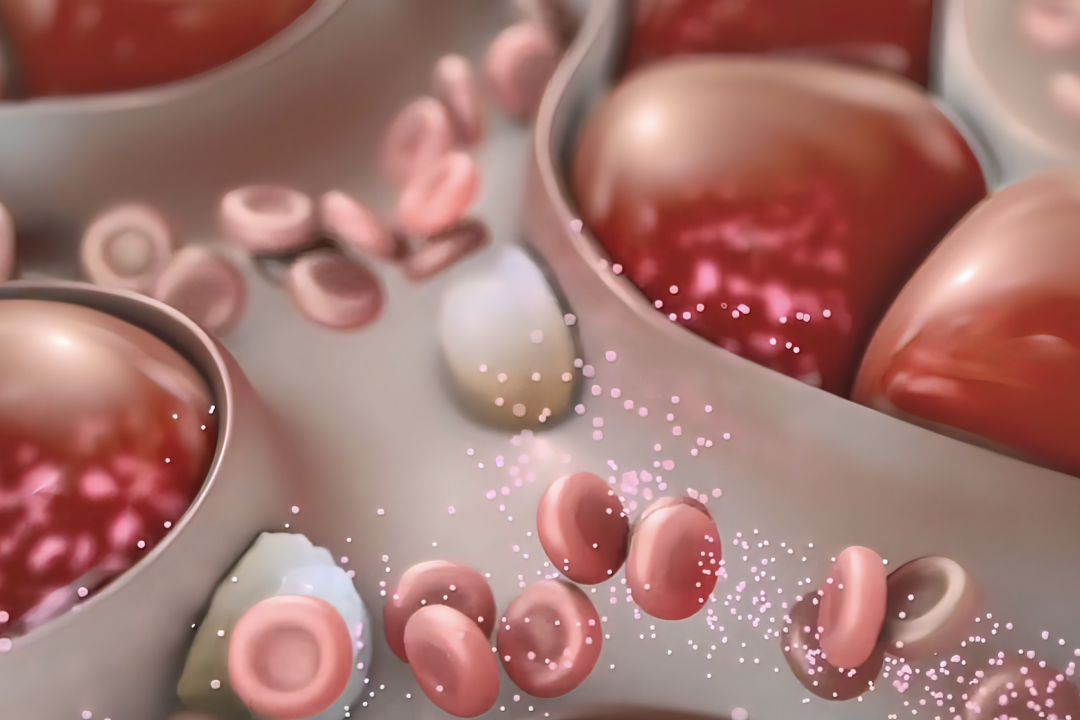
Research has found that aspartic acid, an amino acid, activates cancer cells to initiate alternative translation programs, which act as a special switch that changes the way cells produce proteins, making cancer cells more adaptable to the lung environment, more suitable for invasive growth, and easier to grow and reproduce in the lungs. [2]
2、 The inflammatory microenvironment in the lungs may promote cancer cell lung metastasis
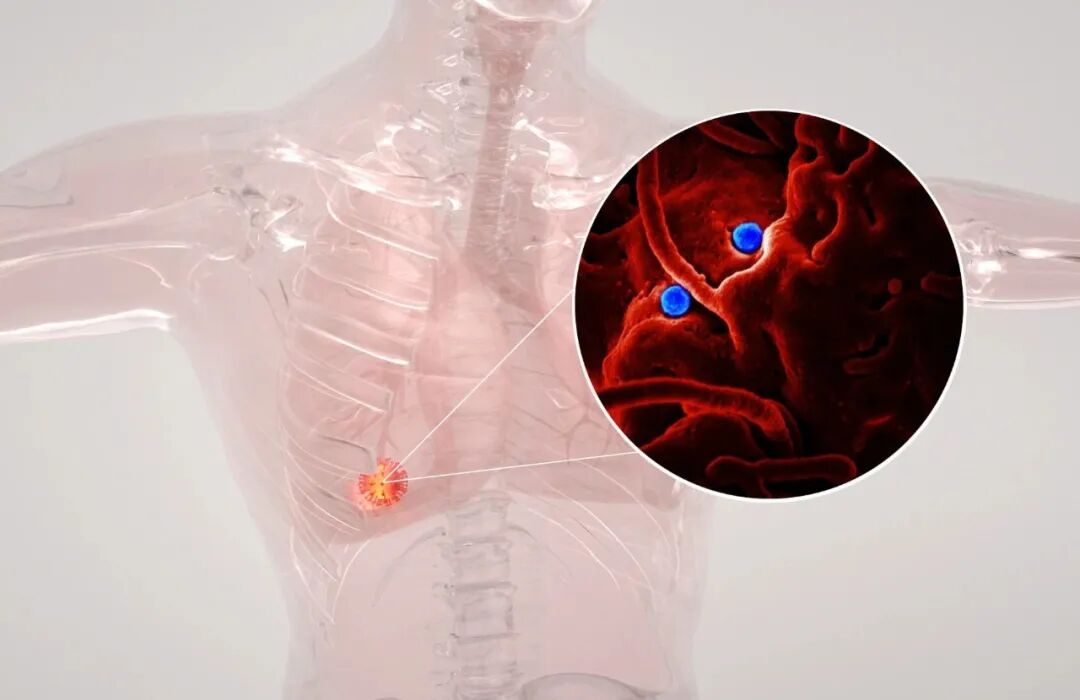
Research has found that an increase in the number of neutrophils in lung inflammation can release neutrophil elastase and proteaseGinto the lungs, which can target and destroy a protective enzyme that protects lung tissue from tumor development23>Tsp-1Proteins,create a suitable environment for cancer to metastasize to the lungs. [3]
Change the predisposition to cancer and deny cancer cells the opportunity to metastasize
The mechanisms of cancer metastasis are complex and diverse, but overall, it is due to issues with the body's anti-cancer mechanisms that a small number of residual cancer cells can successfully counterattack after surgery, radiotherapy, and chemotherapy have eliminated the vast majority of cancer cells.
When the body's anti-cancer mechanisms fail, the immune system is the most important system to be held accountable."
The human immune system is composed of a wide variety of immune cells. Under normal circumstances, when normal cells undergo genetic mutations, they are recognized and eliminated by the immune system. The human body is always in a state of immune surveillance, which prevents cancer cells from growing into tumors.
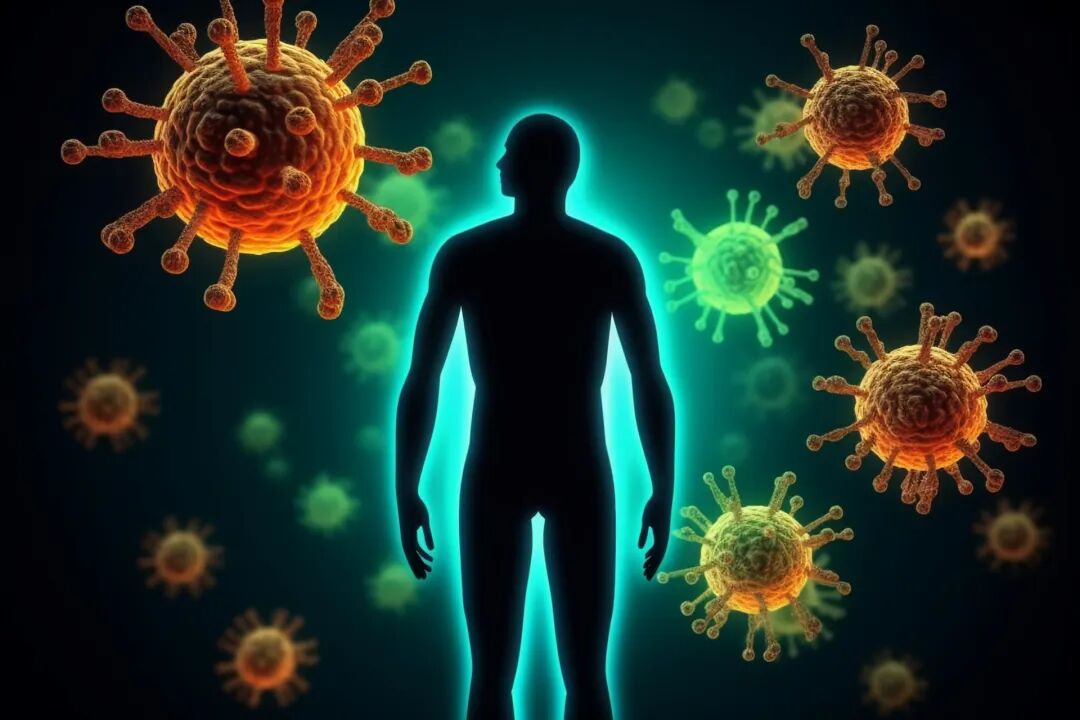
However,Whenthe immune system weakens or becomes vulnerable,The balance of immune surveillance in the body is disrupted, allowing cancer cells to escape the surveillance of the immune system, and even certain key molecules can reprogram immune cells to become bad people that promote cancer growth48>[4].
The formation of tumors in cancer patients is the result of the immune system losing control, and subsequent treatments such as surgery, chemotherapy, and radiation therapy once again cause "consumption" of the immune system. This vicious cycle, even if there are small amounts of cancer cells remaining, the immune system cannot deter them, and cancer will inevitably come back.
Restoring immune function is the top priority
Most cancer patients are in a relatively weakened state, making it difficult for them to enhance their immunity on their own. However, with the development of modern technology, immune cells can now be efficiently replenished through adoptive transfer. In particular, the large immune cell type vNKT cells, whose volume is 7-8 times that of CTL cells, exhibit important characteristics of both NK cells and CTL cells, storing more cytotoxic enzymes inside the cell (thousands of times more than NK cells and CTL cells). More importantly, vNKT cells can regulate the microenvironment within cancer cell tissues, eliminate inhibitory immune cells (MDSCs), and enhance the immune system's anti-tumor capability. NKT cells kill cancer cells (green fluorescence in the image represents cancer cells, red fluorescence represents NKT cells, the upper left corner indicates the shooting duration, with units accurate to minutes; the lower right corner indicates the scale, with units in micrometers). vNKT cell immunotherapy is used in combination with traditional surgery, radiotherapy, and chemotherapy, and through the adoptive infusion of vNKT cells, it rapidly increases anti-tumor cell components, while mobilizing the patient's own immune system to effectively control residual cancer cells in a timely manner. vNKT cells The ideal state of immunotherapy is to reverse the patient's immunosuppression, activate the patient's own anti-tumor immunity, effectively eliminate tumor cells that may remain in the body but cannot be detected by existing technological means, thereby effectively preventing tumor recurrence and metastasis, and jointly reversing the predisposition to cancer.
Immunity science popularization, vegetarian diet, health live broadcast
Add a virtual assistant and join Professor Zhang's science popularization group to learn together
[1]Chaffer CL, Weinberg RA. A perspective on cancer cell metastasis. Science. 2011;331(6024):1559-1564.
[2]Doglioni, G., Fernández-García, J., Igelmann, S. et al. Aspartate signalling drives lung metastasis via alternative translation. Nature (2025). doi:10.1038/s41586-024-08335-7
[3]El Rayes T, Catena R, Lee S, Stawowczyk M, Joshi N, Fischbach C, Powell CA, Dannenberg AJ, Altorki NK, Gao D, Mittal V. Lung inflammation promotes metastasis through neutrophil protease-mediated degradation of Tsp-1. Proc Natl Acad Sci U S A. 2015 Dec 29; 112(52):16000-5
[4]Platelet-activating factor (PAF) promotes immunosuppressive neutrophil differentiation within tumors
Founder of Lehe New Medical
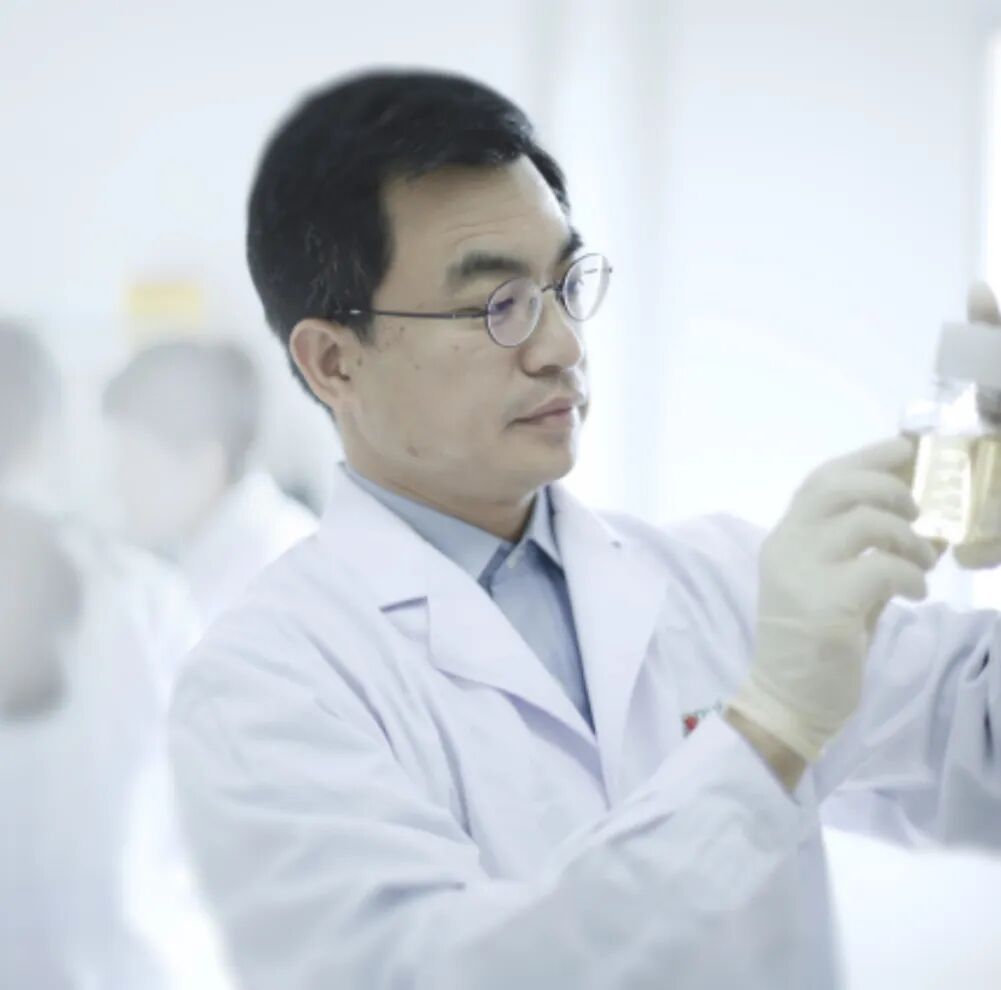
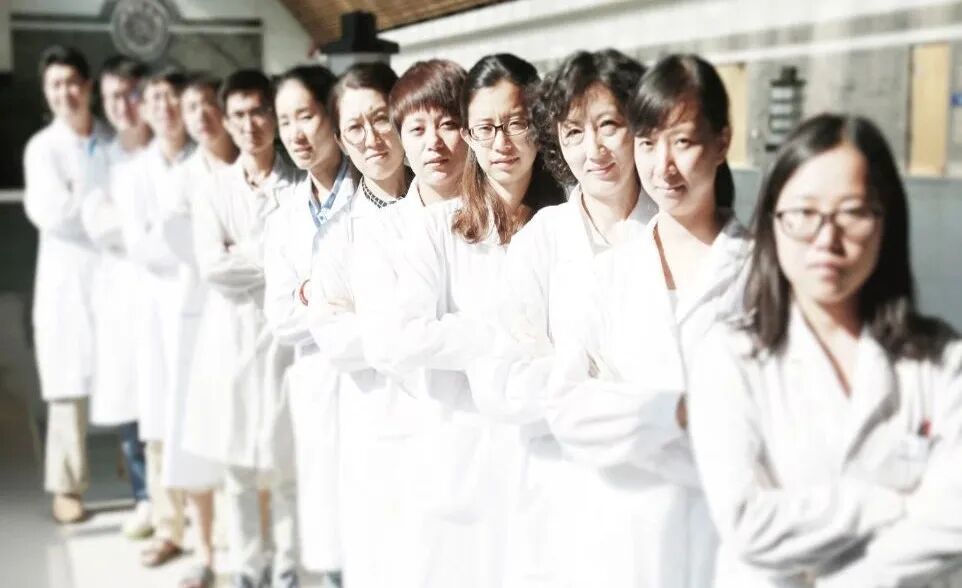
Professor Zhang Minghui, a PhD in Immunology from Tsinghua University School of Medicine, has led a research team for over 20 years since the discovery of vNKT cells in 2002. They have accumulated treatment experience in over 700 cases of solid tumors, covering almost all common solid tumors. The research results fully demonstrate the great value of vNKT cells in the treatment of solid tumors.
It is suitable for postoperative patients with high pathological malignancy or a risk of recurrence; patients whose tumors have been basically controlled but not cured through conventional treatments such as chemotherapy, radiotherapy, and targeted therapy; patients with persistent high carcinogenic factors; and patients intolerant to radiotherapy and chemotherapy. If these patients do not receive effective follow-up treatment after traditional anti-tumor therapy, recurrence, metastasis, or reoccurrence of tumors will be highly probable. In this case, vNKT cell therapy is an ideal follow-up treatment method, which can significantly improve the prognosis of patients.
Click on the image to view past exciting content



Address: Room 1101 (Unit 101), 11th Floor, Building 1, No. 7 Courtyard, Kexueyuan Road, Life Science Park, Changping District, Beijing
Phone:010-8265 9866
Email:lehemedneo@hotmail.com