About Lehe
乐于心,和与众,与己乐,与人和; 心宽念纯,百病无生。


乐于心,和与众,与己乐,与人和; 心宽念纯,百病无生。


In Chinese culture, it is believed that food and tea should be consumed while hot. Additionally, the phrase "drink plenty of hot water" has become a caring expression among family and friends.
It is unimaginable that such a behavior, which is widely regarded as healthy and nourishing, could potentially pose a carcinogenic risk. Our beloved hot water and tea have become 2A carcinogens. 1.4 billion Chinese people express "incomprehension".

First published in the journal Lancet Oncology in 2016: Hot beverages at temperatures above 65℃ may induce esophageal or laryngeal cancer and are classified as 2A carcinogens (meaning "probably carcinogenic to humans")[1].
Subsequently, further studies have revealed that drinking hot water exceeding 700ml (approximately 2large cups) per day, with a temperature exceeding 60℃, can increase the risk of esophageal cancer by 90%. Compared to eating food at moderate temperature and chewing slowly, people who are accustomed to eating hot and fast food have a highest risk of esophageal squamous cell carcinoma, which can increase by nearly 4 times[2]!Compared to those who drink tea at a temperature <60℃, people who prefer to drink hot tea at a temperature ≥60℃ have a 41% higher risk of esophageal cancer[3].
Compared with the global cancer burden data released by the International Agency for Research on Cancer, the number of esophageal cancer patients in China accounts for 53.70% and 55.35% of the global incidence and mortality of esophageal cancer. That is to say, half of the global esophageal cancer cases are in China, which makes us pay attention to the relationship between the habit of "eating while hot" and cancer.
As Chinese people who cannot live without "hot water" throughout our lives, it is difficult to give up hot water and hot tea. But at what temperature can we safely drink hot beverages in a healthy way without causing harm to our health?

experts from the Chinese Academy of Sciences gave the answer for the first time.54 ℃is heat stress promotingesophagussquamous cell carcinomathermal activation temperature[4].
54What is the feeling of ℃? The inner wrist test method, due to the thin skin and rich nerves on the inner wrist, is sensitive to temperature. If the wrist feels hot water or tea significantly hotter than body temperature, but can tolerate it, it may be between50-55℃. (This method is not applicable for insulated cups)
In addition to hot water and tea, there are many foods in daily life that are mixed with high temperatures and disguised before appearing to people, making them easy to swallow without vigilance.
For example: a bowl of white congee, when first served, is 92℃, and it takes 17minutes to cool down to 65℃.
For example: a freshly cooked beef rice-meat dumpling, with a center temperature of 70℃, needs to be left to cool for 3minutes or more to drop to 60℃.
In daily life, many people simply won't wait for such a long time, and inadvertently consume a lot of very hot food. Today, let's uncover those “invisible high-temperature foods”.
* Main Dishes
Casserole Congee, Little pan rice, Stone Pot Rice, Noodles in soup, Spicy Hot Pot, Hot Pot, etc.
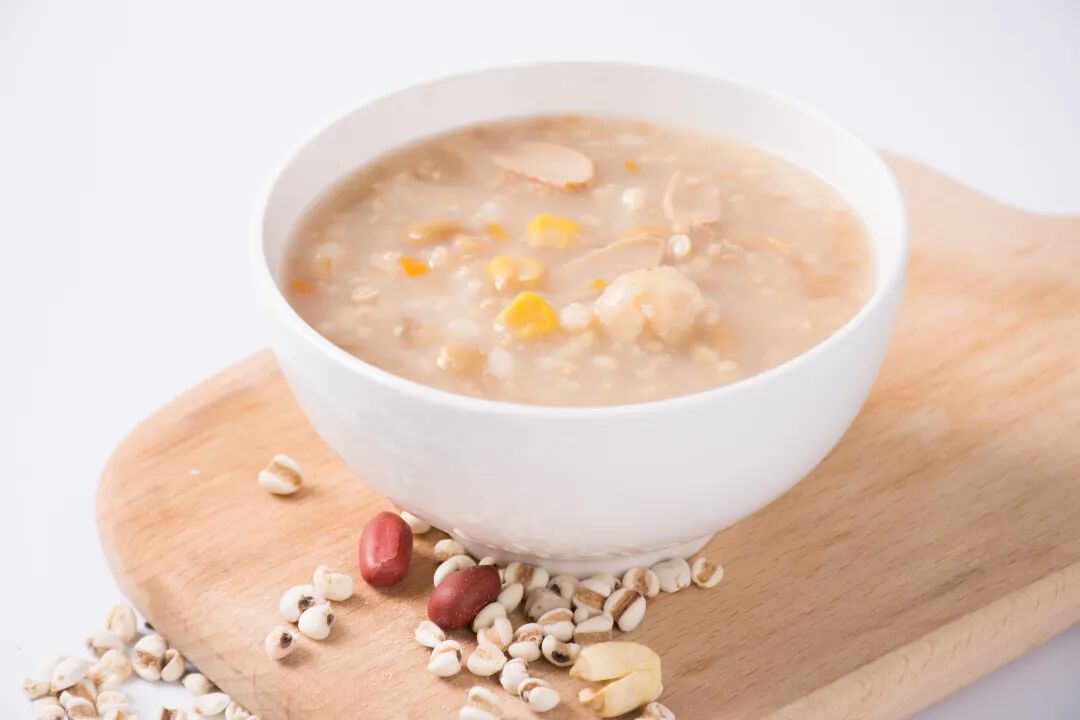
* Solid Foods with High Temperature in the Center
Rice dumpling, Red Bean Pie, Roasted Sweet Potato, Fried Meatball, Hot Pot Meatball, Tofu, Soup Dumpling, etc.
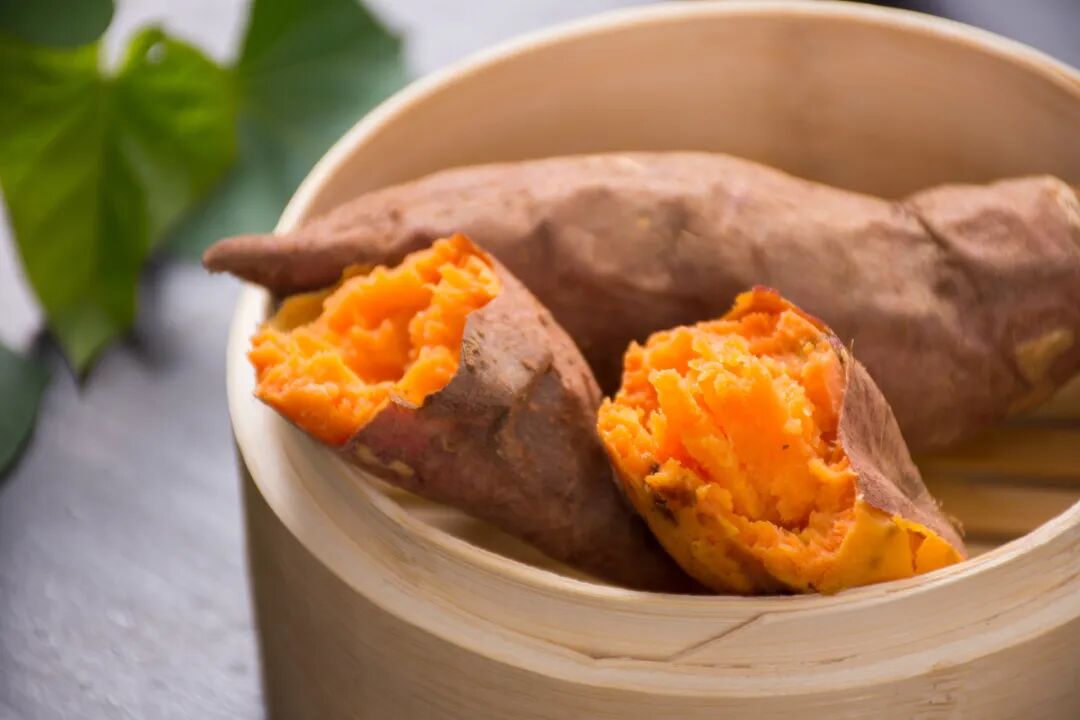
* Hot Drinks
Hot tea, Hot Soybean Milk, Hot Coffee, Hot Milk, Hot Soup, etc.

The esophageal mucosa is very sensitive to heat, and the cells of the burned esophageal mucosa can only silently heal and self-repair. Long-term “hot food” consumption keeps mucosal cells in a state of “damage -”During the process of "repairing - and then re-damaging - and then repairing again", each round may lead to genetic mutations, resulting in the emergence of cancer cells.
Quickly share with friends who like
“Eat while it's hot”!
Reference sources:
[1]Loomis D, Guyton K Z, Grosse Y, et al. Carcinogenicity of drinking coffee, mate, and very hot beverages[J]. Lancet Oncology, 2016, 17(7): 877.
[2]https://edition.cnn.com/2019/03/20/health/hot-tea-linked-to-higher-cancer-risk-study-intl/index.html
[3]Islami F, Poustchi H, Pourshams A, Khoshnia M, Gharavi A, Kamangar F, et al. (2020). A prospective study of tea drinking temperature and risk of esophageal squamous cell carcinoma. Int J Cancer, DOI: 10.1002/ijc.32220
[4]Huang, R., Li, S., Tian, C. et al. Thermal stress involved in TRPV2 promotes tumorigenesis through the pathways of HSP70/27 and PI3K/Akt/mTORin esophageal squamous cell carcinoma. Br J Cancer (2022). /10.1038/s41416-022-01896-2.

Immunity science popularization, vegetarian diet, health live broadcast
Add a virtual assistant and join Professor Zhang's science popularization group to learn together
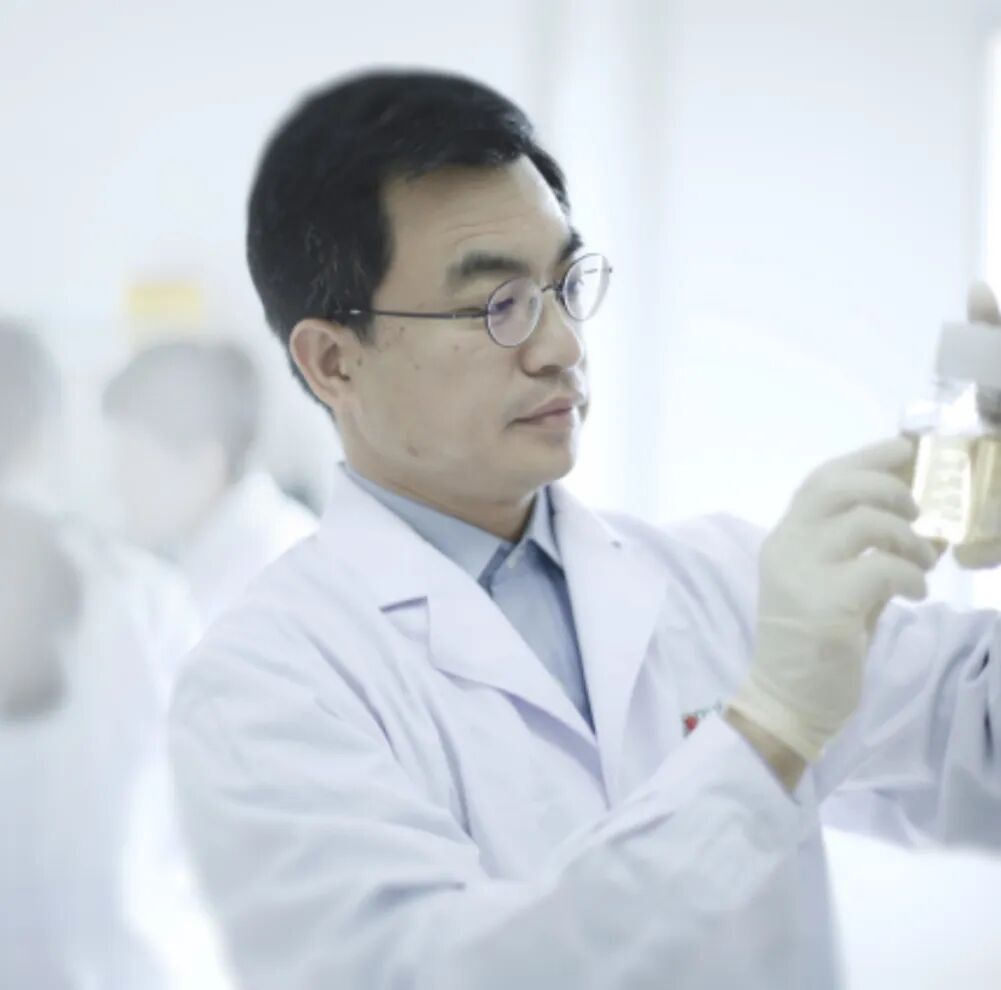
Founder of Lehe New Medical
Professor Zhang Minghui, who holds a PhD in Immunology from Tsinghua University School of Medicine, has led a research team for over 20 years since the discovery of vNKT cells in 2002. They have accumulated treatment experience in over 700 cases of solid tumors, covering almost all common solid tumors. The research results fully demonstrate the great value of vNKT cells in the treatment of solid tumors.
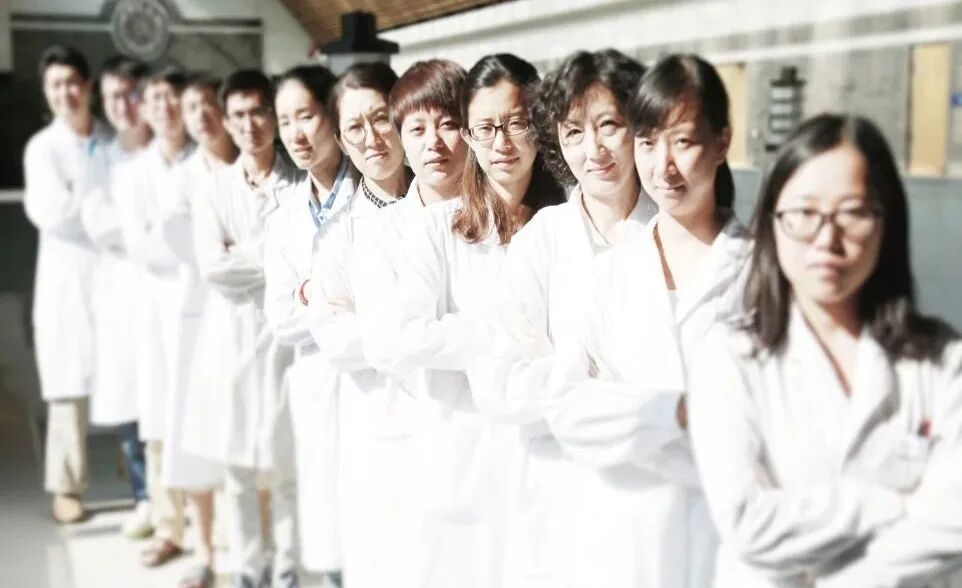
It is suitable for postoperative patients with high pathological malignancy or a risk of recurrence; patients whose tumors have been basically controlled but not cured through conventional treatments such as chemotherapy, radiotherapy, and targeted therapy; patients with persistent high carcinogenic factors; and patients intolerant to radiotherapy and chemotherapy. If these patients do not receive effective follow-up treatment after traditional anti-tumor therapy, recurrence, metastasis, or reoccurrence of tumors will be highly probable. In this case, vNKT cell therapy is an ideal follow-up treatment method, which can significantly improve the prognosis of patients.
Click on the image to view past exciting content



Address: Room 1101 (Unit 101), 11th Floor, Building 1, No. 7 Courtyard, Kexueyuan Road, Life Science Park, Changping District, Beijing
Phone:010-8265 9866
Email:lehemedneo@hotmail.com