About Lehe
乐于心,和与众,与己乐,与人和; 心宽念纯,百病无生。


乐于心,和与众,与己乐,与人和; 心宽念纯,百病无生。


Immunotherapy, a technology with a history of over 130 years, has undergone technological iterations for more than a century and has now become the "fourth pillar" of cancer treatment. However, regarding its therapeutic effect, some say it's a scam! Others have been cured through it!
What is the truth behind the rapidly developing cell therapy?
Is it the key to cure?
Or is it just a consolation that leaves people bankrupt and their wealth gone?
The immune cell therapy mentioned here refers to “adoptive cellular immuno-therapy (ACI)”
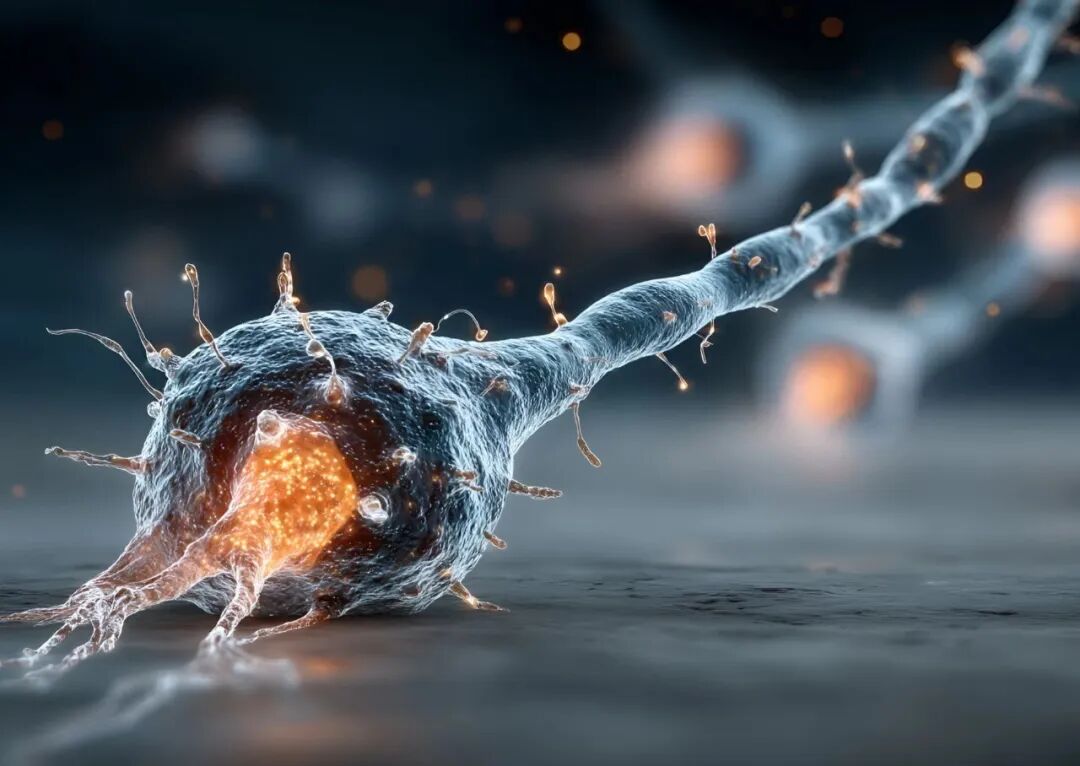
. Due to the superpower of tumors to "disguise" cancer cells as normal cells, thus evading the immune system's pursuit, and these cancer cells also secrete some cytokines or signaling molecules to suppress the activity of immune cells, creating a tumor microenvironment more suitable for the survival and growth of cancer cells.
The core logic of immune cell therapy is to give the human immune system a boost, transforming ordinary soldiers within the body, even those who have been severely damaged by chemotherapy, into a well-equipped and super-powerful "special forces". These artificially trained "super soldiers" can not only restore the body's ability to eliminate cancer cells, but also break the suppressed immune blockade, awaken the body's self-healing ability, and endow the immune system with the ability to "dimensionally reduce and attack" cancer through science.
Immune cell therapy is an advanced and complex biomedical technology. To achieve good therapeutic effects, the following three key points are crucial for success or failure.

Timing of Interventional Therapy
Like traditional surgery, radiotherapy, and chemotherapy, immune cell therapy also requires selecting the appropriate treatment timing to maximize its effectiveness.
After cancer patients have completed conventional treatments (surgery, radiotherapy, and chemotherapy) and entered the end-stage tumor treatment, where the tumor cell load has been significantly reduced, they enter a better recovery period. At this time, introducing immune cell therapy can not only eliminate micro-residuals and improve tumor cure rates, but also reduce the side effects of chemotherapy and radiotherapy, thereby improving patient survival.
Furthermore, some cancer patients, despite having early-stage tumors, may have a high malignant potential, a high recurrence rate, and a high risk of metastasis. After completing conventional treatments , without suitable follow-up treatment methods, the continuity of treatment cannot be guaranteed. However, micro-residual cancer cells still exist . After several rounds of treatment, the immune system is suppressed to an overly low state, making it unable to eliminate residual cancer cells on its own . At this point, introducing immune cell therapy can not only enhance the patient's immunity and assist in eliminating residual cancer cells, but also improve tumor cure rates and survival rates , making it an optimal timing for immune cell therapy .
Selection of cells used
The quality and type of cells used in immunocyte therapy are core factors determining treatment efficacy. Different cell types and preparation processes significantly affect the targeting, persistence, and safety of the treatment.
Currently, there are many types of cells used in immunocyte therapy, such as: CAR-T, NK, CIK, CTL, DC, TIL, TCR-T, vNKT... and so on. Different immunocytes exhibit significant differences in their "modes of operation and combat capabilities".
Let's take a look at a set of intuitive comparisons. In the following images, under experimental conditions, EL4 (lymphoma cells) was exposed to three different conditions: ① without any immune cells; ② with the addition of red CTL (cytotoxic T cells); and ③ with the addition of red vNKT immune cells. Among these conditions, only the presence of ③vNKT immune cells effectively eliminated the green EL4 (lymphoma cells). This visually demonstrates the differences in combat effectiveness among different immune cells.
If it weren't for the exposure of the microscope, you would never know that vNKT immune cells are so powerful in clearing cancer cells!
vNKTImmune cells, as the best at killing tumor cells, combine the broad-spectrum killing power of NK cells and the precise recognition ability of CD8+T cells
1. Brand priority, prefer large hospitals and teams.
2. Professional consultation, seek advice from professional doctors or researchers to avoid being misled by exaggerated claims.
3. Beware of quack doctors, any team claiming to "cure all diseases" is likely to be unreliable.
4、 Case validation, verifying the technical level of the team through real treatment cases (especially long-term survival data of advanced cancer patients).
At the same time, it is important to ensure the combat effectiveness of immune cells.The quality and preparation process of cells are also important.. Standardized production requirements such as cell viability, purity, and sterility are key to improving therapeutic efficacy.
Utilization of immune cell quantity and quality
The elimination of cancer cells by immune cell therapy is like the relationship between the police and thieves. As long as the police are standing there, the thieves have to take a detour. However, when the thieves have strong "anti-reconnaissance capabilities" and a large number, the police force deployed should be increased accordingly, that is, the number of immune cells reinfused should reach an effective level.
Next, let's take a look at (green) B16cancer cells versus (red) vNKTimmune cell army in the battle between good and evil↓↓↓
* Quality of cells
* Dosage of cells
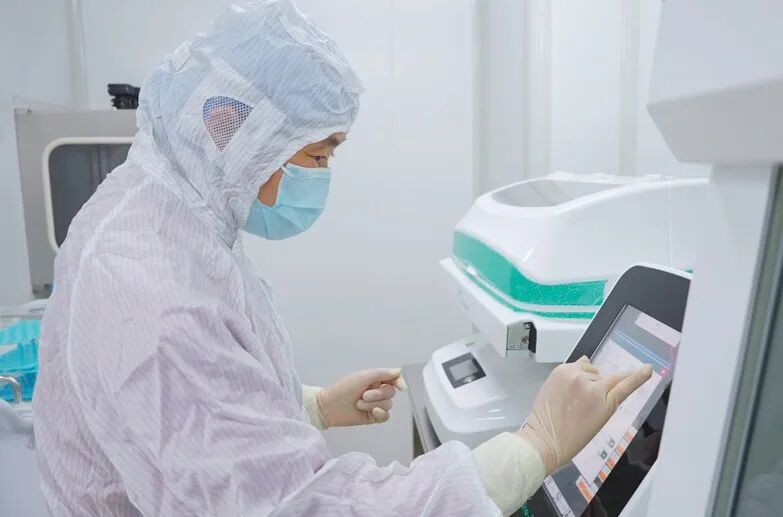
Biological drug preparation is a complex process. For example, a dosage unit for vNKT cell therapy is 100 billion ± 15% of cells, which requires more than two weeks of cultivation to achieve.
After achieving the three key factors that determine the effectiveness of immune cell therapy as mentioned in , there's no need to rush. ~
Another characteristic of immune cell therapy is that its effect is relatively slow to emerge. Compared to traditional surgery, radiotherapy, and chemotherapy, immune cell therapy may not have an advantage in terms of onset time. However, there's no need to rush, because its advantage lies in its ability to stimulate a sustained immune response .
That is to say, the immune cells infused back into the body are like cultivating a long-term security team for the body. They can not only eliminate cancer cells on the spot, but also remember the appearance of the villain. Even if the medication is stopped after treatment, they can continue to "patrol" in the body, improving the quality of life of patients.. For cancer patients who have undergone radiotherapy and chemotherapy, immune cell therapy can also be an important means of restoring physical function.
Overall, the effectiveness of immune cell therapy is the result of multiple factors working together, and it is essential to seek professional immunology experts for evaluation before treatment.
If you or your family members are facing treatment selection difficulties, scan the QR code below, add the assistant WeChat, and you can get personalized treatment plans from Professor Zhang Minghui. Our professional strength will help you find the most suitable immunotherapy survival strategy.

Immunity science popularization, vegetarian diet, health live broadcast
Add a virtual assistant and join Professor Zhang's science popularization group to learn together
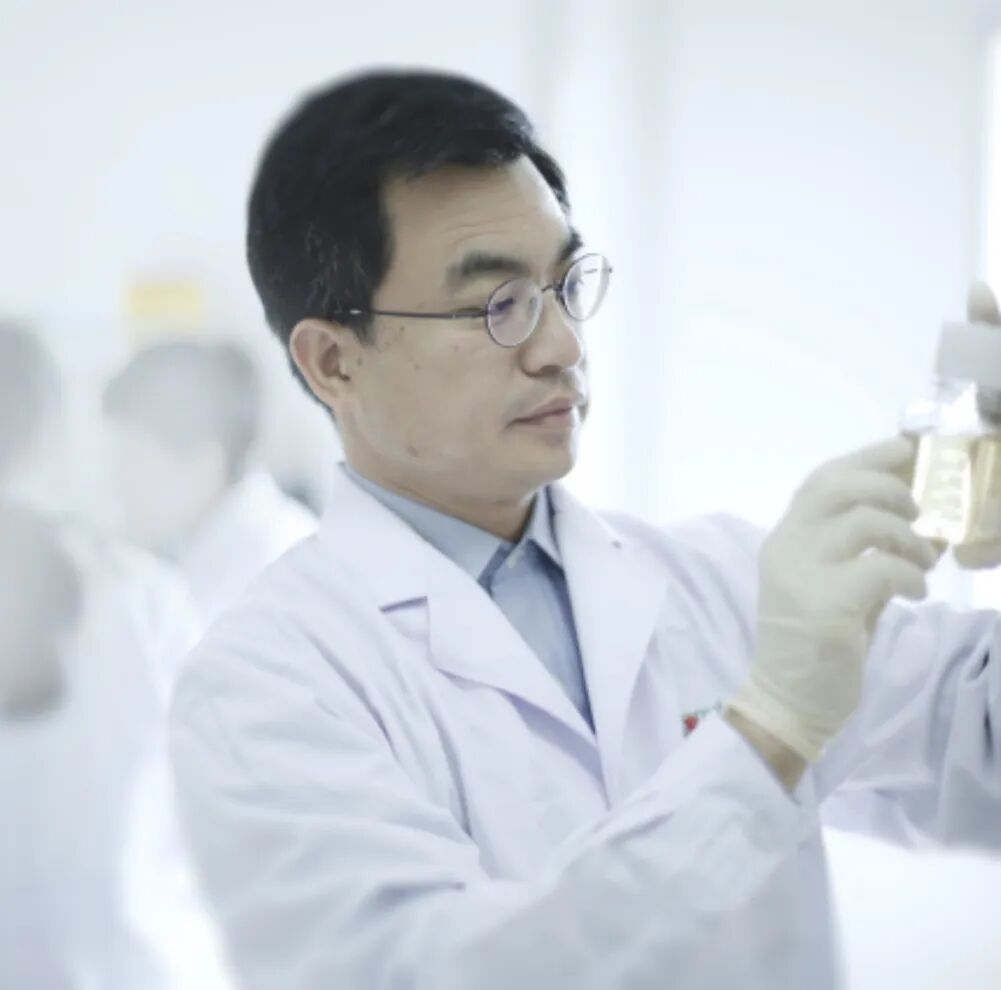
Founder of Lehe New Medicine
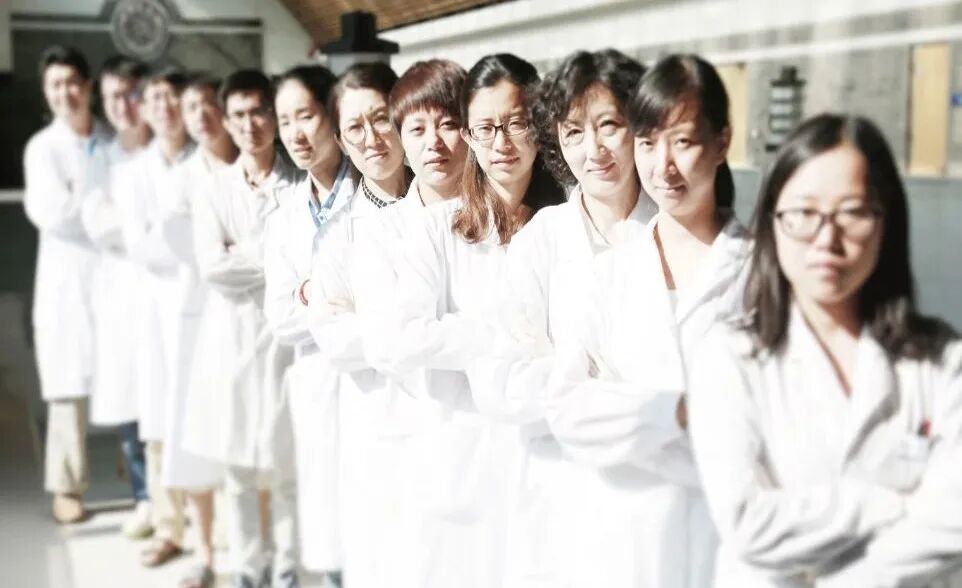
Professor Zhang Minghui, who holds a PhD in Immunology from Tsinghua University School of Medicine, has led a research team for over 20 years since the discovery of vNKT cells in 2002. They have accumulated experience in treating over 700 cases of solid tumors, covering almost all common types. The research findings have fully demonstrated the immense value of vNKT cells in the treatment of solid tumors.
It is suitable for postoperative patients with high pathological malignancy or a risk of recurrence; patients whose tumors have been largely controlled but not cured through conventional treatments such as chemotherapy, radiotherapy, and targeted therapy; patients with persistent high carcinogenic factors; and patients intolerant to radiotherapy and chemotherapy. If these patients do not receive effective follow-up treatment after traditional anti-tumor therapy, the probability of tumor recurrence, metastasis, or reoccurrence is high. In such cases, vNKT cell therapy is an ideal follow-up treatment option, significantly improving patient prognosis.
Click on the image to view past exciting content

Address: Room 1101 (Unit 101), 11th Floor, Building 1, No. 7 Courtyard, Kexueyuan Road, Life Science Park, Changping District, Beijing
Phone:010-8265 9866
Email:lehemedneo@hotmail.com