About Lehe
乐于心,和与众,与己乐,与人和; 心宽念纯,百病无生。
乐于心,和与众,与己乐,与人和; 心宽念纯,百病无生。


Sleep, as an important physiological phenomenon of the human body, not only allows the body to rest but also has intricate connections with cancer.
Studies have found that short sleep duration (less than 6 hours) is significantly associated with an increased risk of cancer. Compared to those with nighttime sleep duration of 6 to 8 hours, individuals with nighttime sleep duration less than 6 hours have a 41% higher risk of developing cancer; Compared to those who have a nighttime sleep duration of 6~8hours and a siesta duration of >60minutes, those who have a nighttime sleep duration of less than6hours and never take a siesta have an 82%[1] higher risk of developing cancer.
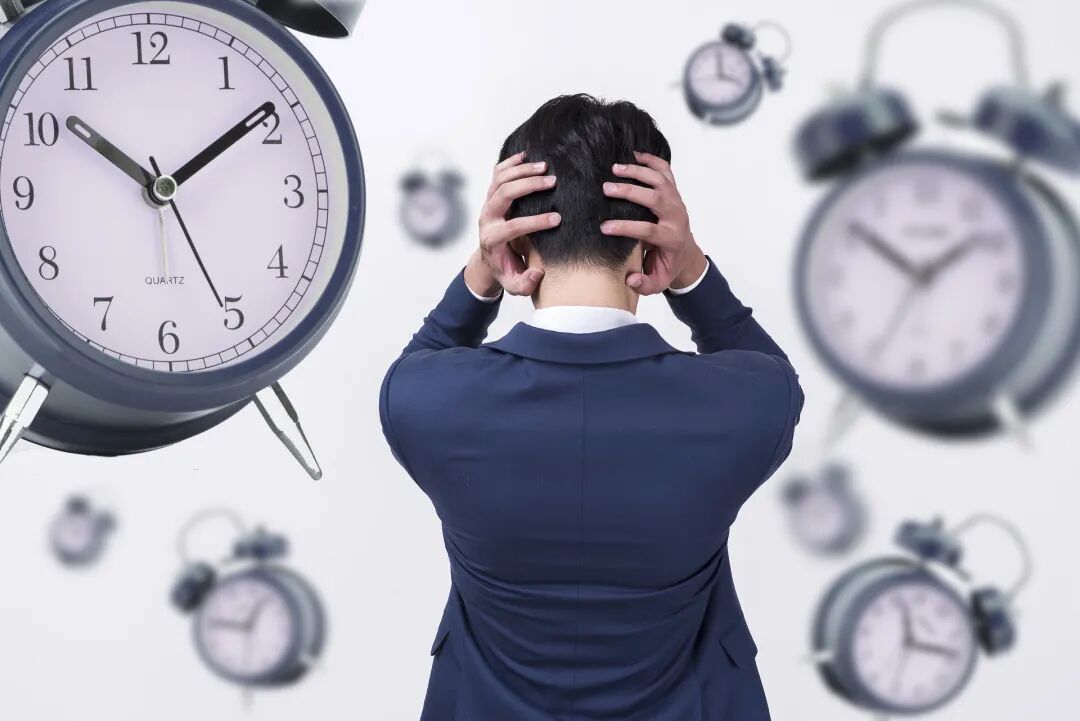
In addition to sleeping less or not sleeping at all, studies have also found that disruption of the circadian rhythm, which involves not sleeping when one should, can also accelerate cancer metastasis, making tumors more prone to spreading. Due to the reversed sleep schedule, it can induce the accumulation of myeloid derived suppressor cells (MDSC) and dysfunctionalDC8+Tcells, especially myeloid suppressor cells (MDSC), which can inhibitTCells,BCells,NKCells mediate immune responses, becoming a "roadblock" for immune cells to clear cancer cells.Not only directly promote immune escape, but also help tumor invasion Promote the metastasis of cancer< H251>[2]。
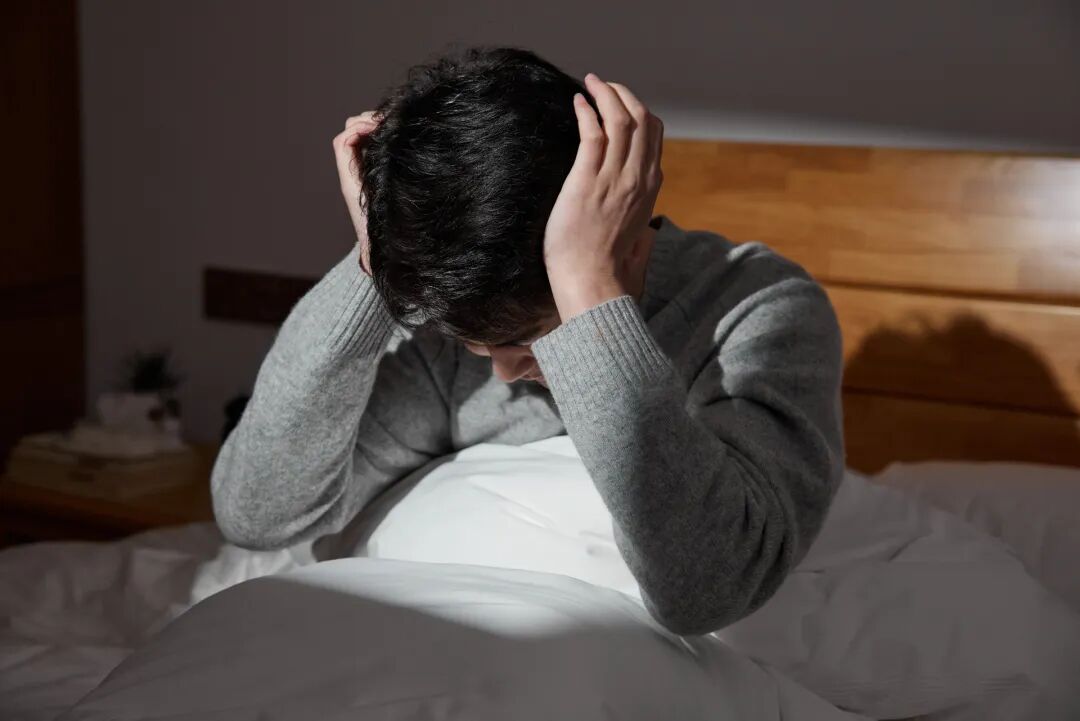
This figure is even more alarming among cancer patients. According to the "White Paper on the Quality of Life of Cancer Patients in China 2020", which surveyed patients with breast cancer, lung cancer, liver cancer, prostate cancer, and other 11types of cancer, up to 70.1%of cancer patients suffer from sleep disorders.
Good sleep becomes an invisible recipe against cancer
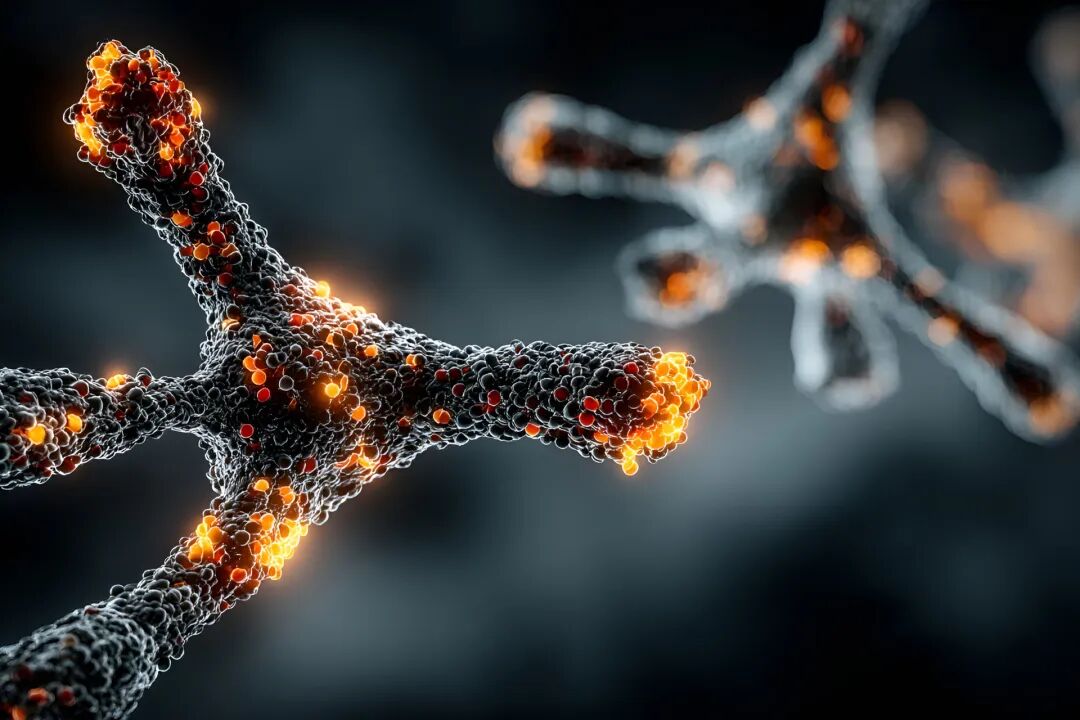
Research has found that during deep sleep, the human body secretes various immune factors to activate NK (natural killer) cells capable of killing cancer cells. In other words, while people are sleeping, their immune system is "training troops" during the night, enhancing immune surveillance function and consolidating the body's "Great Wall of Immunity".
1. Psychological disorders require psychological treatment
Most sleep disorders in cancer patients are related to anxiety, which, if prolonged, can lead to a vicious cycle of anxiety - insomnia - aggravated by anxiety - long-term insomnia. As the saying goes, "Psychological disorders require psychological treatment", cognitive behavioral therapy (CBT) in medicine is a non-pharmacological intervention that uses sleep restriction and stimulus control therapy to help patients alleviate sleep disorders.
For example: try to only go to bed when feeling sleepy; If you cannot fall asleep within 20minutes, get up and leave the bedroom until you feel sleepy again, and then return to the bedroom,
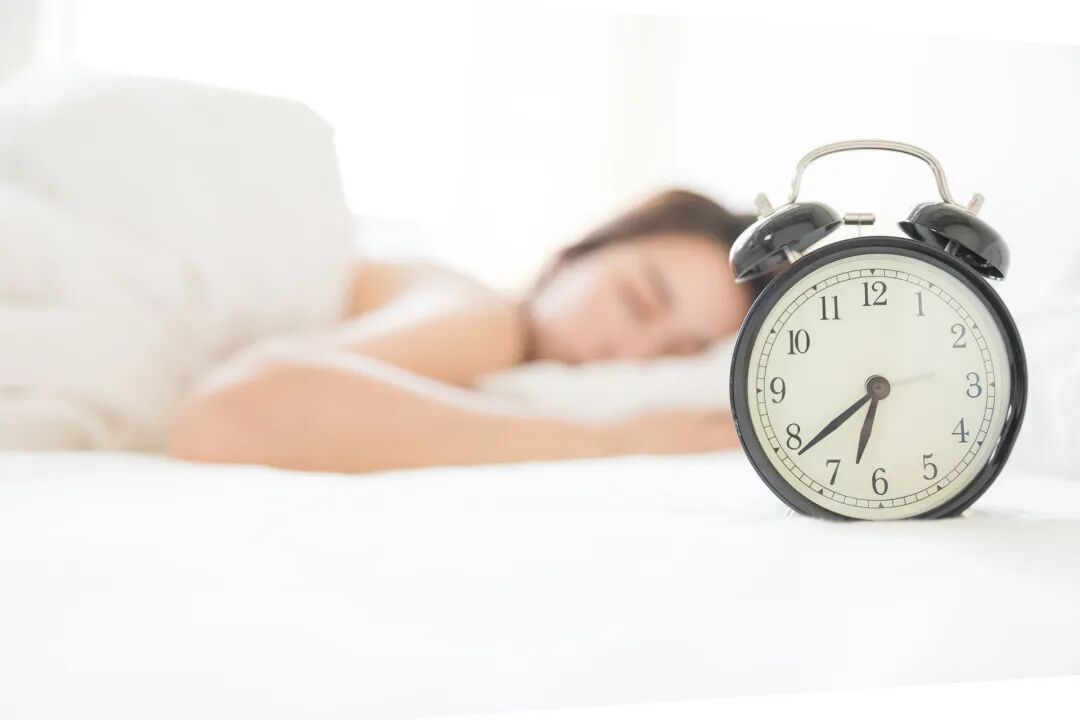
At the same time, try to get up on time every morning. The human body generally has 3 peaks of sleep need: 1~3 o'clock in the afternoon, 5~7 o'clock in the evening, and after 11 o'clock at night. Around 9 o'clock in the evening, the body will secrete melatonin, giving us a sleep impulse. Control the sleep rhythm well, and the afternoon nap should not be too long. Establish the confidence of "I can master sleep", and relax mentally.
2、 Traditional Chinese martial arts such as Tai Chi, Qigong, and Baduanjin are aerobic physical and mental exercises that combine gentleness, health, and rehabilitation. Multiple studies have confirmed that traditional Chinese sports can alleviate sleep disorders in cancer patients to a certain extent. Through physical and mental exercise, patients can reduce fatigue, anxiety, and other feelings, accelerate blood circulation, and improve sleep quality.[4].
Eight prescriptions: By doing so, the recurrence rate can be directly reduced!
3、 Sunbathing during the day
Sunbathing can make the body produce more serotonin, which is a type of melatonin that helps us feel sleepy under the action of enzymes."Happiness hormone". At the same time, sunlight can also inhibit the release of melatonin during the day, reducing drowsiness and preventing it from affecting nighttime sleep. It is recommended to expose to sunlight for 15 to 30 minutes every day, preferably in the morning between 8 a.m. and 10 a.m. The sunlight during this time contains more blue light, which can stimulate the suprachiasmatic nucleus of the brain, making the mind more alert.
4. Create a Sleeping Environment
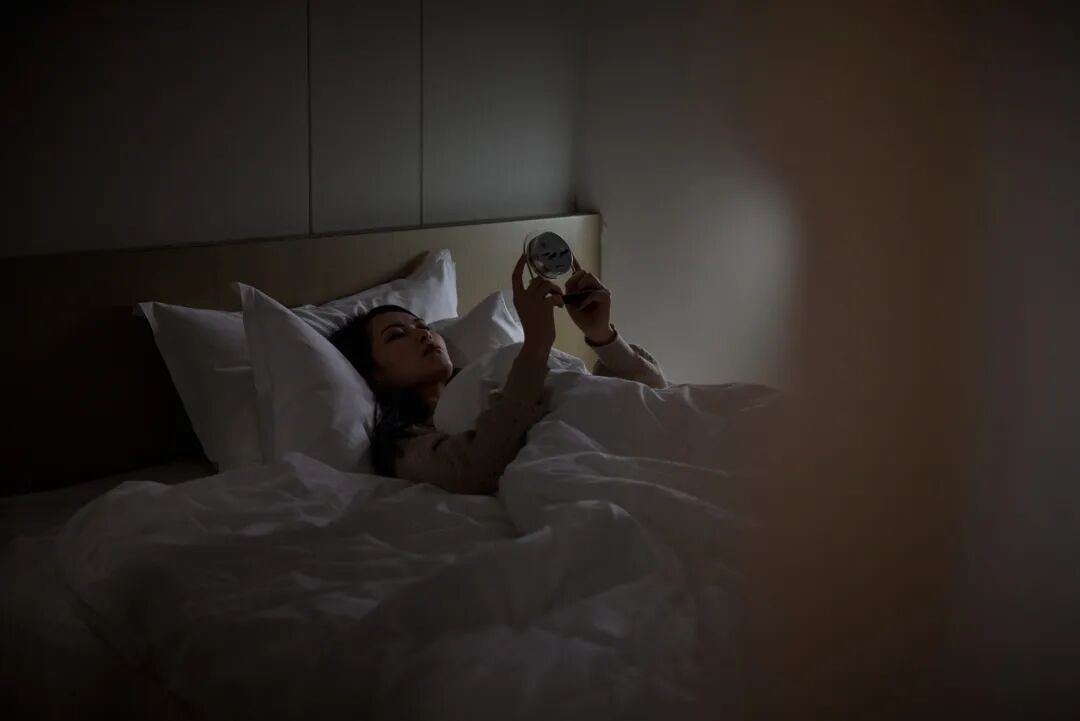
Dim the lights in the bedroom and put down your phone, as blue light from mobile phones can interfere with melatonin secretion and affect sleepiness. Maintain a comfortable bedroom temperature. Studies have found thatsleep quality is highest in an environment with a temperature of 26℃, followed by 23℃, and the worst is 30℃[5].
Scan the QR code below to add LeHe Assistant,
Send[Good Sleep]to obtain a sleep quality assessment.
May you have good sleep, good health, and keep getting better~
One click forwarding@[My friend who can't sleep]< H326>
Immunology popularization, vegetarian diet, health live broadcasts
Add a virtual assistant and join Professor Zhang's science popularization group to learn together
Reference sources:
[1]Deng Ning, et al., (2023). Association of habitual sleep duration and its trajectory with the risk of cancer according to sex and body mass index in a population‐based cohort. Cancer, DOI:10.1002/cncr.34951.
[2]Dysfunctional circadian clock accelerates cancer metastasis by intestinal microbiota triggering accumulation of myeloid-derived suppressor cells. Cell Metabolism (2024).
[3]Chinese Sleep Research Society, 2025 Chinese Sleep Health Survey Report
[4]Yao LQ, Tan JY, Turner C, et al. Traditional Chinese exercise for cancer-related sleep disturbance: A systematic review and descriptive analysis of randomized controlled trials.
[5]Lan, L., Pan, L., Lian, Z., Huang, H., Lin, Y. (2014). Experimental study on thermal comfort of sleeping people at different air temperatures. Building and Environment, 73, 24-31.
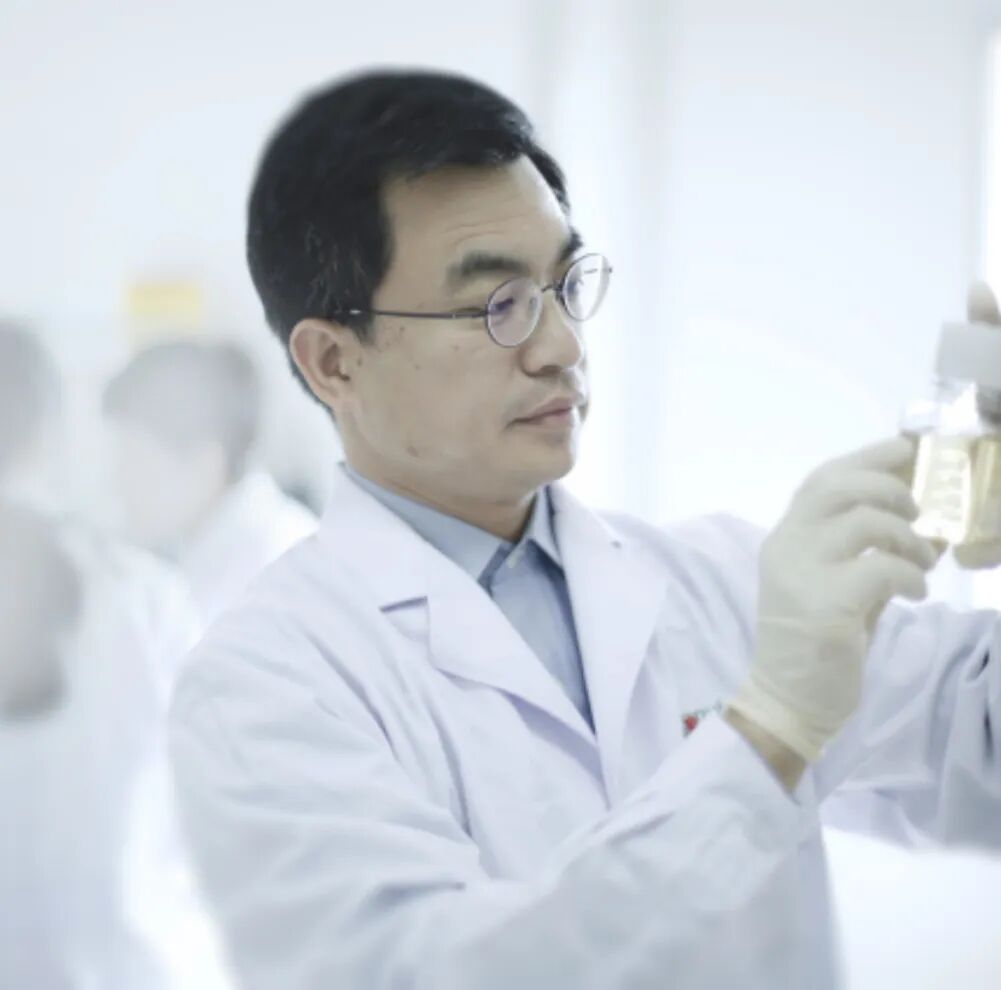
Founder of Lehe New Medical
Professor Zhang Minghui, who holds a PhD in Immunology from Tsinghua University School of Medicine, has led a research team for over 20 years since the discovery of vNKT cells in 2002. They have accumulated treatment experience in over 700 cases of solid tumors, covering almost all common solid tumors. The research results fully demonstrate the great value of vNKT cells in the treatment of solid tumors.
It is suitable for postoperative patients with high pathological malignancy or a risk of recurrence; patients whose tumors have been basically controlled but not cured through conventional treatments such as chemotherapy, radiotherapy, and targeted therapy; patients with persistent high carcinogenic factors; and patients intolerant to radiotherapy and chemotherapy. If these patients do not receive effective follow-up treatment after traditional anti-tumor therapy, recurrence, metastasis, or reoccurrence of tumors will be highly probable. In this case, vNKT cell therapy is an ideal follow-up treatment method that can significantly improve the prognosis of patients.
Click on the image to view the exciting content from previous issues



Address: Room 1101 (Unit 101), 11th Floor, Building 1, No. 7 Courtyard, Kexueyuan Road, Life Science Park, Changping District, Beijing
Phone:010-8265 9866
Email:lehemedneo@hotmail.com