About Lehe
乐于心,和与众,与己乐,与人和; 心宽念纯,百病无生。
乐于心,和与众,与己乐,与人和; 心宽念纯,百病无生。


Is anyone in your family or friends taking statins? (If so, be sure to read today's article)
Statins are taken by people with hyperlipidemia, coronary heart disease, myocardial infarction, and those who have undergone stent implantation...The number of users is considerable, which has made statins one of the "three magic drugs" alongside metformin and aspirin. Atorvastatin, rosuvastatin, pitavastatin, pravastatin, simvastatin, and other members of the statin family have also grown along the way.
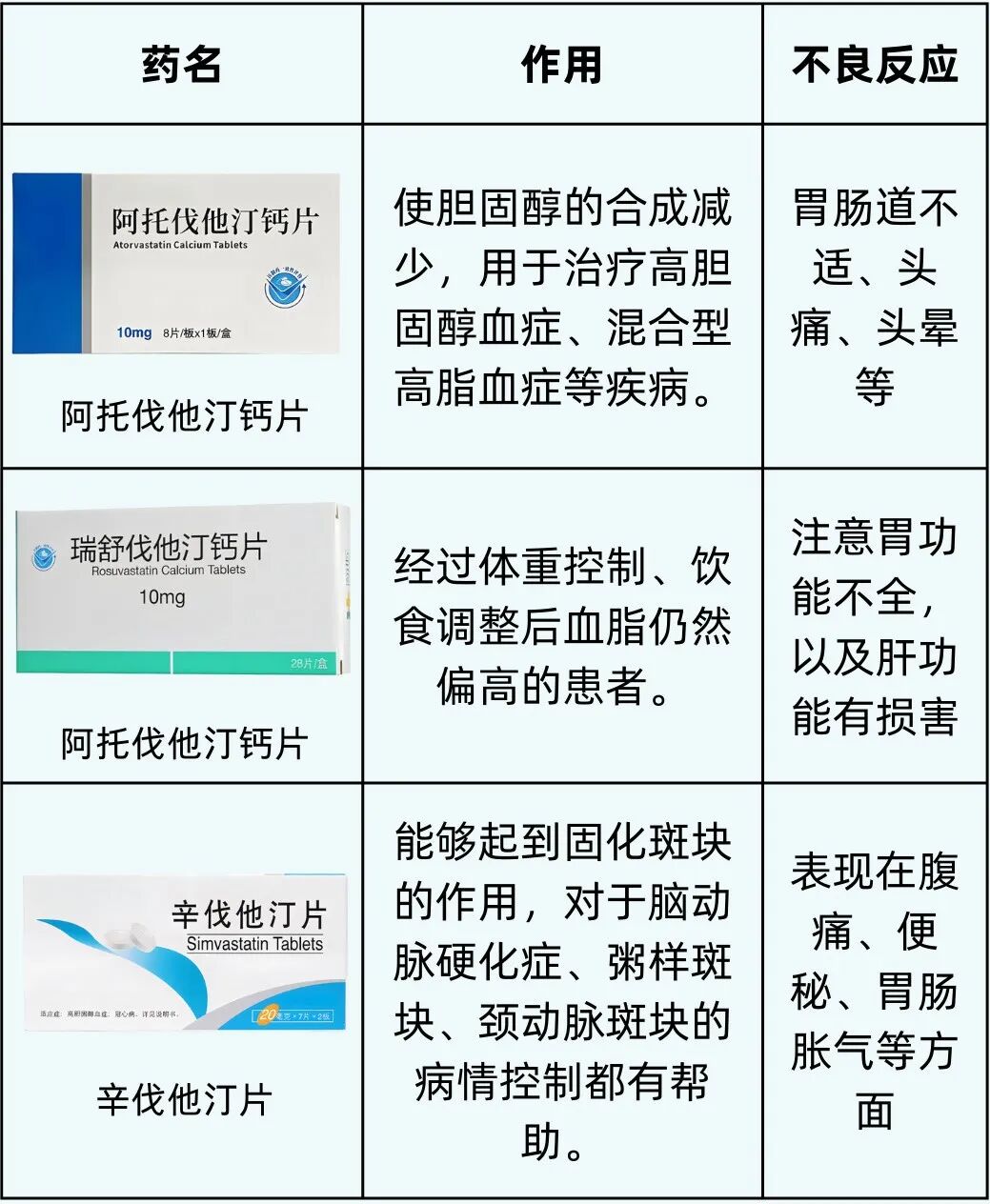
However, as more people take statins, rumors about statins have been circulating:
Some say taking statins can damage the liver and kidneys?
Some say taking statins can cause muscle pain, weakness, and rhabdomyolysis?
Is long-term use of statins safe?
When it comes to the adverse reactions of statins, liver damage is certainly on the list. However, more and more studies have found that one of the benefits of long-term statin use is actually [liver protection].
In fact, the incidence of abnormal liver enzymes is about 0.5% to 3.0%when taking statins, and it is dose-dependent. That is to say, the risk increases with the increase in the doseof statins. Generally, for Chinese people taking moderate doses of statins, the safety of standard medication is guaranteed.
Dispel the misconception that statins damage the liver, stating that there is solid evidence that stating [protects the liver]. A cohort study involving over 170,000 people, published in a sub-journal of JAMA, suggests that compared to those who do not take statins, those who regularly take statins have a 15% reduction in new-onset liver disease, a 28% reduction in liver disease-related deaths, and a 42% reduction in the risk of progression to liver cancer[1].
Another study followed up 16,501 patients with chronic liver disease aged 40 and above, and found that compared to those who did not use statins, statin users had a 33% reduced risk of developing liver cancer and a 22% reduced risk of experiencing liver dysfunction [2].
In addition to their lipid-lowering effects, statins also perform other functions, such as:
1. Protecting the heart:
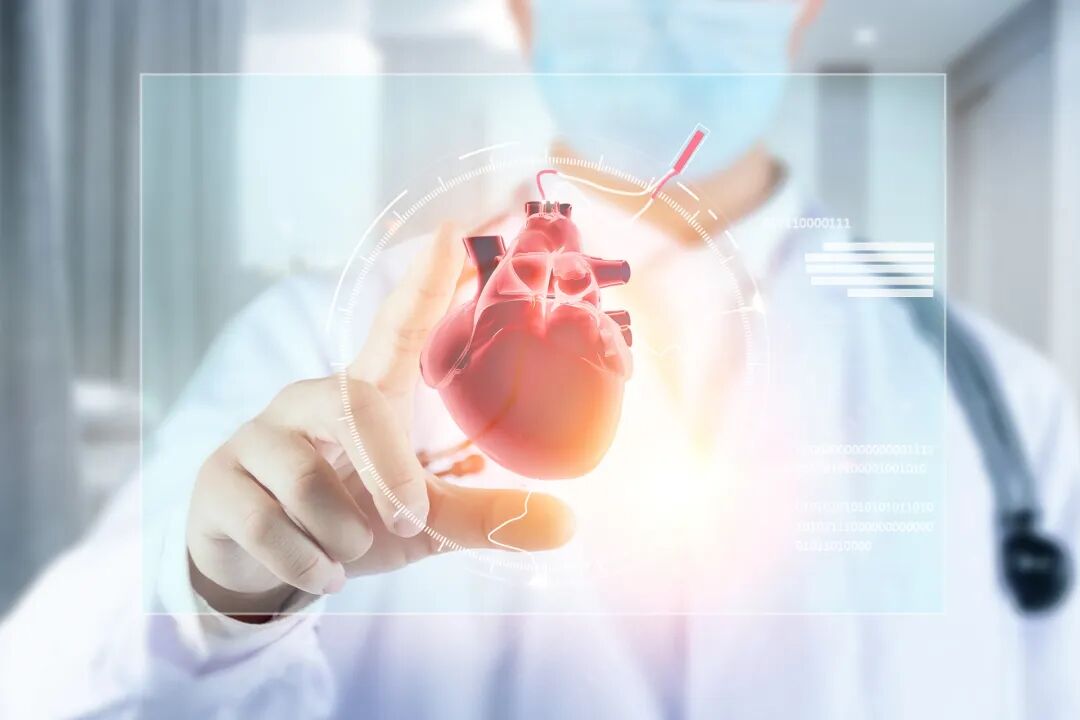
Statins exhibit anti-inflammatory, antioxidant, antithrombotic, and vascular endothelial function-improving properties with multiple effects, playing a significant role in reducing myocardial damage and delaying the onset and progression of cardiomyopathy[3].
2. Prevention of Parkinson's disease:

A US study found that due to the protective effect of long-term statin use on cerebral arteries, elderly individuals who have taken statins for 6years have a 16% reduced risk of Parkinson's disease[4].
3、 Preventing Alzheimer's:

In21studies, statin users showed a reduced risk of dementia in< H492>32%[5]。
1、 The dosage of statins should strictly follow the doctor's advice. As statins can cause liver damage and increase transaminase levels, it is usually related to the dosage of statins. Therefore, it is necessary to take statins at the minimum effective dose to achieve lipid-lowering. The goal is to strictly follow the doctor's advice. H600>.

2、 Regular follow-up
It is necessary to regularly check blood biochemistry and blood routine during statin medication. On the one hand, re examination can provide feedback on whether the medication effectively controls blood lipids; On the other hand, adverse reactions can also be detected and intervened in a timely manner.
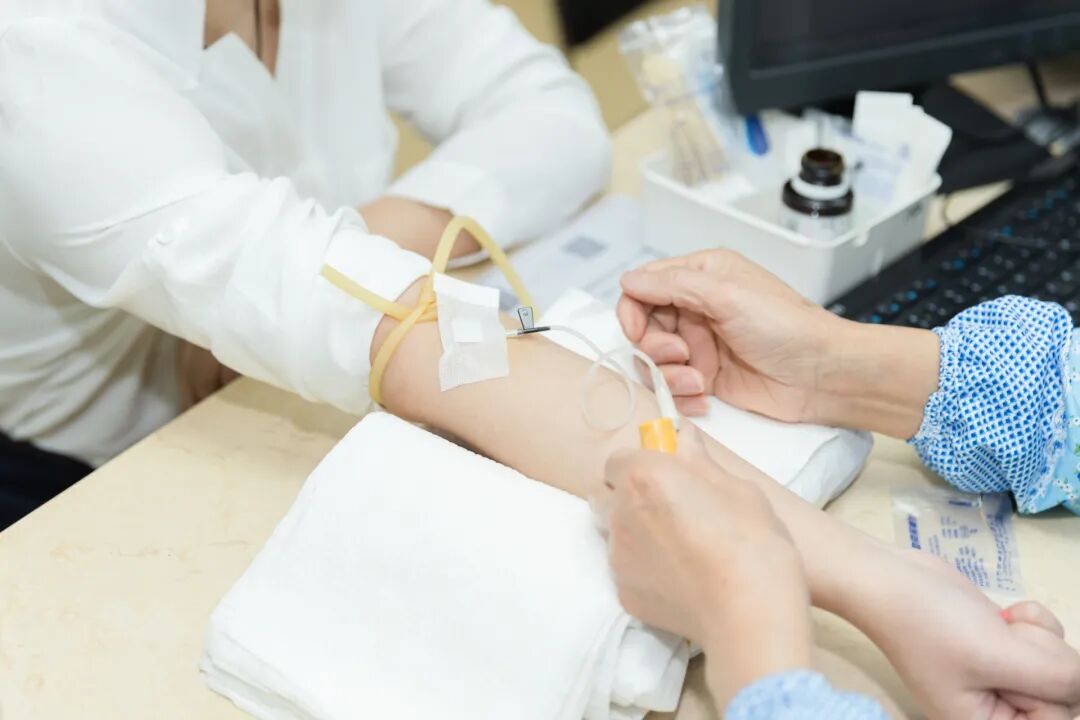
Adverse reactions to statins generally occur within 3months after starting treatment. Therefore, patients who have just started taking statins or switched to a different type of statin midway through treatment should undergo follow-up monitoring for about 3months.
In addition, muscle damage caused by statins generally occurs within 4~6 months after starting treatmentWithin the week, if there is no muscle pain, weakness, or elevated creatine kinase after6weeks, it indicates good tolerance and there is no need to worry too much.
3、 Pay attention to the interaction between diet and medication
People taking simvastatin, atorvastatin, lovastatin, and pravastatin should avoid eating grapefruit or drinking grapefruit juice during medication. Pomelo contains abundant furan coumarin, which can inhibit the enzymatic activity of drugs in the human body and double the amount of drugs entering the bloodstream. That is to say, even though you only took one tablet of statins, drinking a glass of grapefruit juice during this period is equivalent to taking several tablets, which greatly increases the occurrence of side effects.
It is worth noting that if you are taking rosuvastatin, which is not a metabolic lipid-lowering drug, consuming grapefruit is not a conflict.CPY3A4. [6]
Statins are generally required to be taken for a long time by patients with dyslipidemia or who need to prevent adverse cardiovascular and cerebrovascular events , , If you are concerned about adverse drug reactions, you may wish to try the above method to ensure medication safety.
If medication is discontinued arbitrarily, there may be an increase in the risk of [7]:
cardiovascular events by 33%
and an increase in the risk of coronary events by 46%
and cerebrovascular diseases (such as stroke) by 26%
. Furthermore, the therapeutic benefits of statins become more pronounced in the later stages of treatment, and individuals who take them long-term must be aware of this.

Immunology popularization, vegetarian diet, health live broadcast
Add a small assistant, join Professor Zhang's popularization group to learn together
Reference sources:
[1]Association of Statin Use With Risk of Liver Disease, Hepatocellular Carcinoma, and Liver-Related Mortality. JAMA Netw Open, 2023, 6(6): e2320222.
[2]Choi J, Nguyen VH, Przybyszewski E, et al. Statin Use and Risk of Hepatocellular Carcinoma and Liver Fibrosis in Chronic Liver Disease. JAMA Intern Med. Published online March 17, 2025. doi:10.1001/jamainternmed.2025.0115
[3]Zhou JingboProgress on the pleiotropic effects of statins on myocardial protection.Chinese Pharmaceutical Journal2011Year20Volume12Issue
[4]Statin use in older adults linked to lower risk for parkinsonism. Healio. March 23, 2022.
[5]Statin use and risk of dementia or Alzheimer’s disease: a systematic review and meta-analysis of
Founder of Lehe New Medicine
Professor Zhang Minghui, a PhD in Immunology from Tsinghua University School of Medicine, has led a research team for over 20 years since the discovery of vNKT cells in 2002. They have accumulated treatment experience in over 700 cases of solid tumors, covering almost all common solid tumors. The research results fully demonstrate the great value of vNKT cells in the treatment of solid tumors.
It is suitable for postoperative patients with high pathological malignancy or a risk of recurrence; patients whose tumors have been basically controlled but not cured through conventional treatments such as chemotherapy, radiotherapy, and targeted therapy; patients with persistent high carcinogenic factors; and patients intolerant to radiotherapy and chemotherapy. If these patients do not receive effective follow-up treatment after traditional anti-tumor therapy, recurrence, metastasis, or reoccurrence of tumors will be highly probable. In this case, vNKT cell therapy is an ideal follow-up treatment method, which can significantly improve the prognosis of patients.
Click on the image to view the exciting content from previous issues



Address: Room 1101 (Unit 101), 11th Floor, Building 1, No. 7 Courtyard, Kexueyuan Road, Life Science Park, Changping District, Beijing
Phone:010-8265 9866
Email:lehemedneo@hotmail.com