About Lehe
乐于心,和与众,与己乐,与人和; 心宽念纯,百病无生。

乐于心,和与众,与己乐,与人和; 心宽念纯,百病无生。


Many people have a very “simplistic and crude”understanding of cancer staging: early stage =can be cured, while late stage =is very bad. What about those caught in the middle, the "stage three" ones? They seem to have less presence, and some even think “at least it's not late stage...”
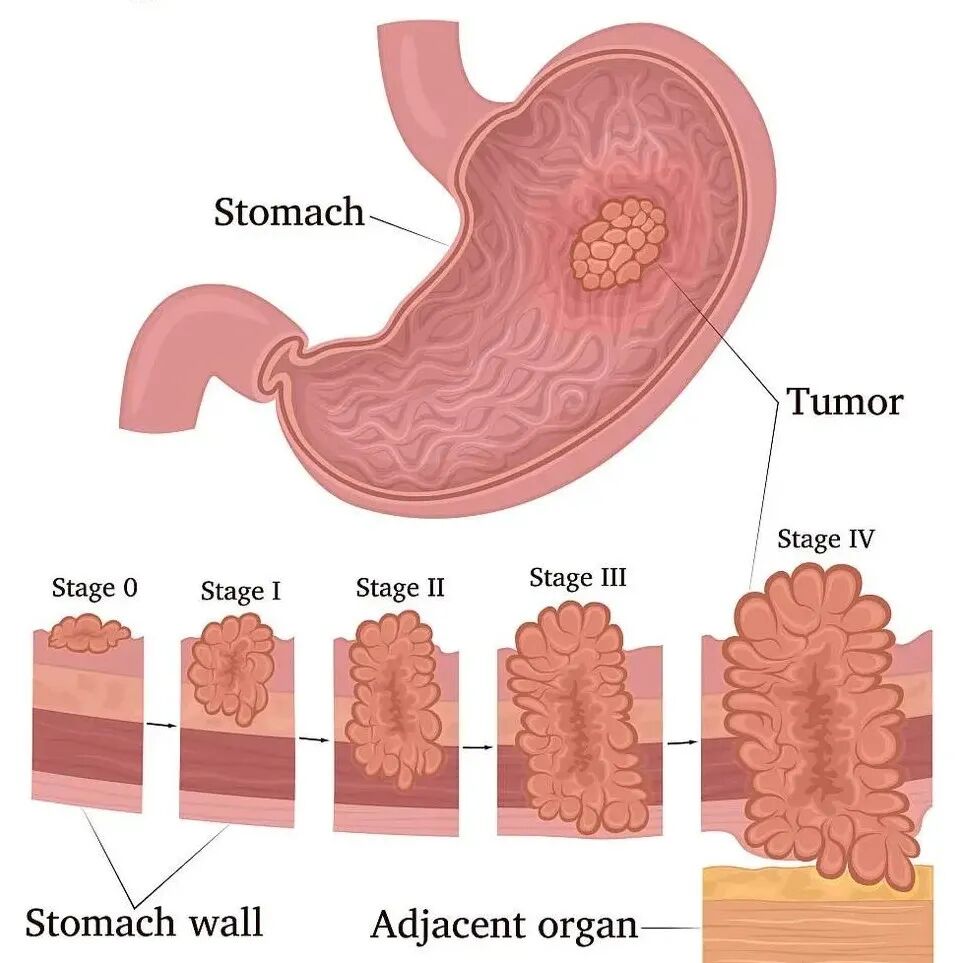
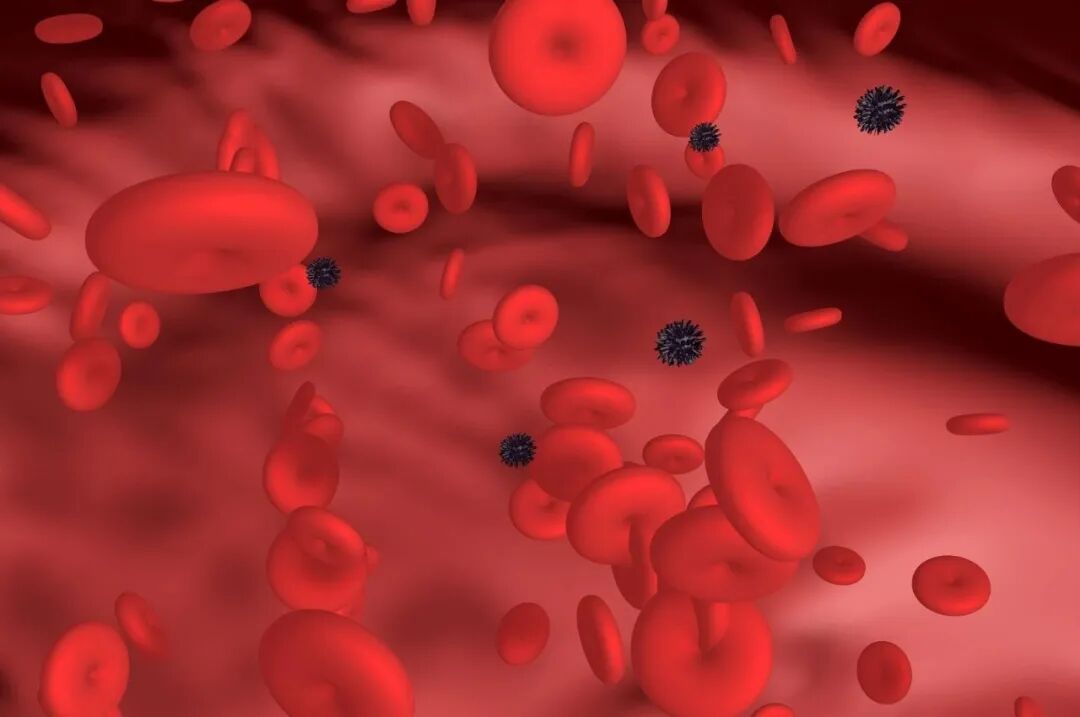
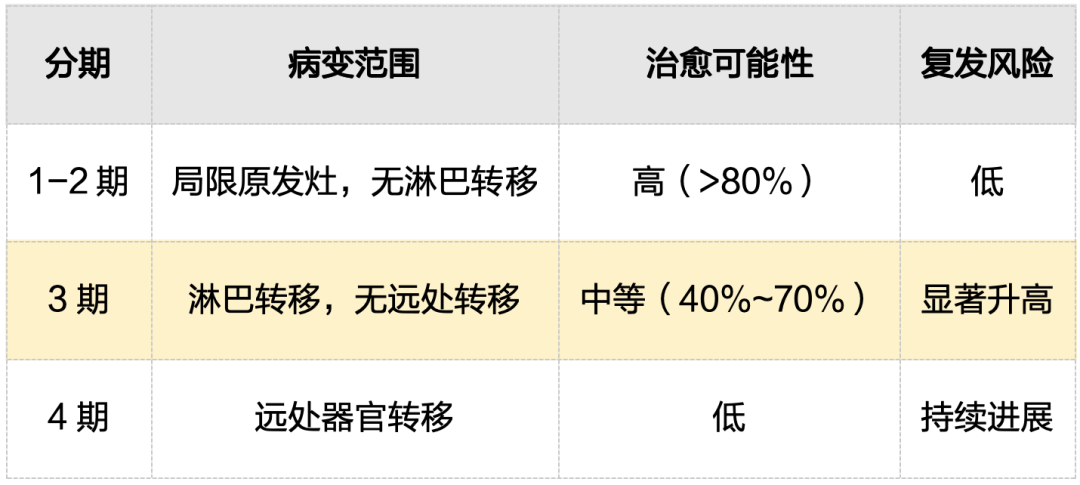
But you may not know that this is an extremely dangerous cognitive misconception! In the eyes of oncologists, "Stage Ⅲ" is a special phase that demands utmost attention and full combat capability If we compare a tumor to a tree: Early stage (I/II stage): Just like a newly planted sapling with shallow roots, it is relatively easy to “uproot” (radically cure). Mid-to-late stage (III/IV stage): Just like a deeply rooted tree, the tumor has already metastasized to surrounding lymph nodes or has broken through the boundaries of the primary organ (making radical cure difficult through surgery, radiotherapy, or chemotherapy). The core characteristics of stage III tumors are extensive local infiltration but no distant metastasis (M0), stage III tumors often have a larger volume, more aggressive biological behavior, invade deep tissues or adjacent organs, with uncontrolled proliferation of cancer cells, and are prone to spread through lymphatic vessels and blood vessels. Lymph nodes, as the ""transfer stations"", have been breached by cancer cells into the lymphatic system and blood circulation channels, enabling systemic dissemination. Furthermore, even after surgical removal of the primary lesion and lymph nodes in stage III tumors, there may still be micrometastases in the body that are undetected by imaging. These cancer cells can remain dormant after surgery and proliferate opportunistically, leading to recurrence. It is difficult to achieve complete cure solely through surgery. However, even with comprehensive treatment, the recurrence rate is significantly higher than that of early stages. Due to long-term evolution, stage III tumors may exhibit inherent resistance to chemotherapy/ and targeted therapy, and the immunosuppressive microenvironment can also impair the immune system's ability to eliminate residual cancer cells. We present a table to compare the core differences between stage III tumors and other stages : Stage III tumors represent the final boundary between local progression and systemic metastasis. Successful control may lead to cure; failure leads to rapid progression to stage IV4. The answer is: enhancing adjuvant therapy to eliminate micro-residual cancer cells. Traditional radiotherapy and chemotherapy appear to be somewhat ineffective against micro-residual cancer cells, and ultimately, the body's immune system is often relied upon to eliminate them. Patients with a robust immune system are more likely to achieve cure after surgery, while those whose immune systems have been nearly collapsed by surgery, radiotherapy, and chemotherapy face greater challenges in eliminating micro-residual cancer cells. Therefore, in postoperative adjuvant therapy, enhancing /and reshaping the immune system have become essential. Adoptive cellular immunotherapy is one of the most active areas in tumor biotherapy in recent years. By infusing immunocompetent cells, it enhances the immune function of tumor patients to achieve anti-tumor effects with minimal side effects. Professor Zhang Minghui's research focuses on vNKT immune cells, which are outstanding in killing tumor cells, combining the broad-spectrum killing power of NK cells with the CD8+TThe precise recognition ability of cells. Not only can they directly kill cancer cells, but they can also regulate the immune microenvironment within tumor tissues, killing inhibitory immune cells MDSCs, breaking the tumor's immune escape, and rebuilding the normal immune system. In the video below, we can clearly see: on the left side (green) B16 cancer cells proliferate wildly without immune cells; while on the right side, with the addition of (red) vNKT immune cells, the green cancer cells are quickly eliminated. After conventional treatment, cancer patients enter the best period for clearing micro-residuals after the tumor burden is significantly reduced and the tumor treatment phase is over. This approach not only clears micro-residuals, improves tumor cure rates, but also reduces the side effects of chemotherapy and radiotherapy, improving patient survival and treatment outcomes. More key strategies for tumor stage 3, Click here to find Professor Zhang's assistant Click to view previous highlights





Address: Room 1101 (Unit 101), 11th Floor, Building 1, No. 7 Courtyard, Kexueyuan Road, Life Science Park, Changping District, Beijing
Phone:010-8265 9866
Email:lehemedneo@hotmail.com