About Lehe
乐于心,和与众,与己乐,与人和; 心宽念纯,百病无生。


乐于心,和与众,与己乐,与人和; 心宽念纯,百病无生。


Starting from September every year, various pomelos begin to hit the market. They are sweet and juicy, rich in vitamin C, and are regarded by many as "natural fire extinguishers". However, for patients and their families who are battling cancer, this fruit, which we often associate with moisturizing and reducing internal heat, may instantly render expensive anti-cancer drugs ineffective and even pose risks.
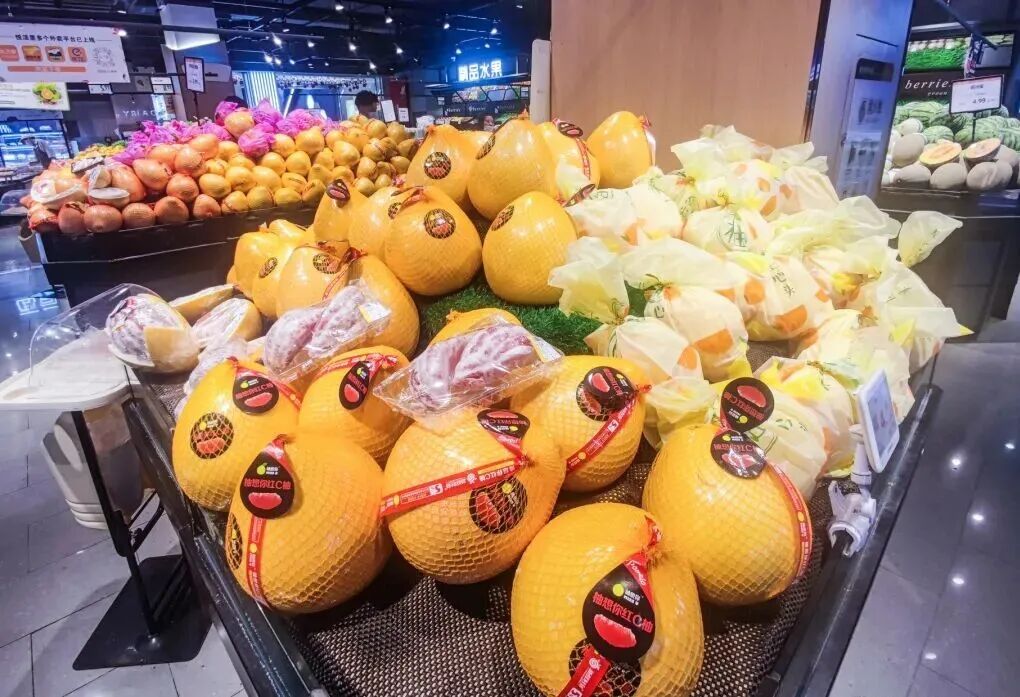
Today's content is intended for more cancer patients and their families to avoid accidental consumption!
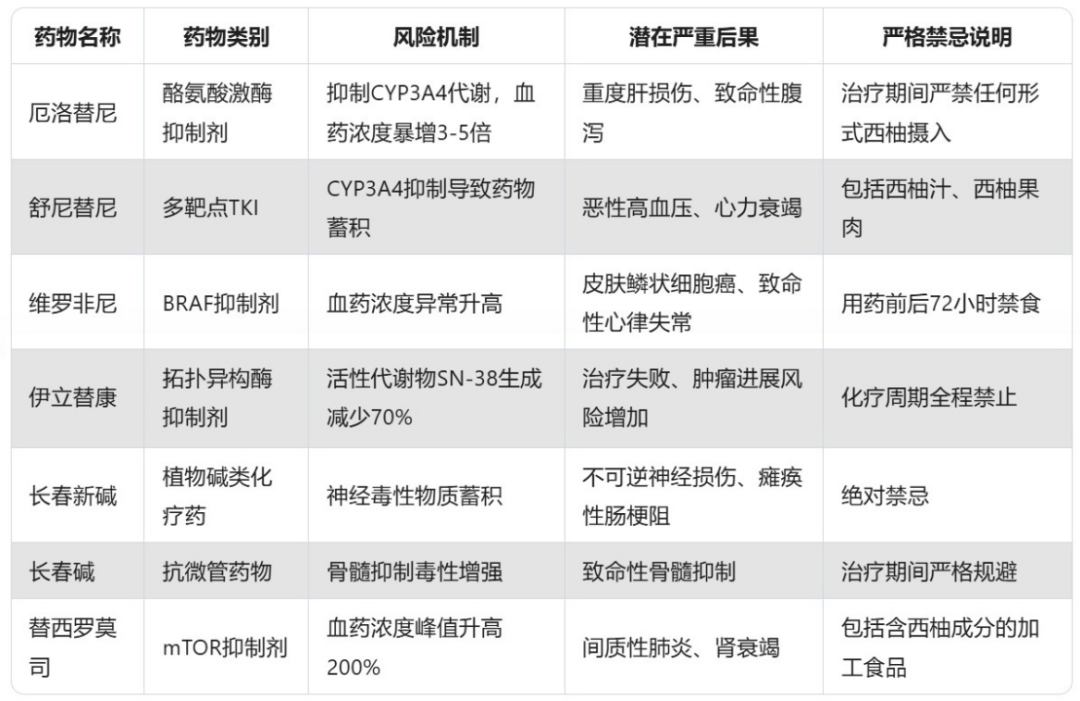
This starts with grapefruit, especially grapefruit/grapefruit is rich in a substance calledfuranocoumarin, which is a natural substance.44>CYP3A4Enzyme inhibitors.
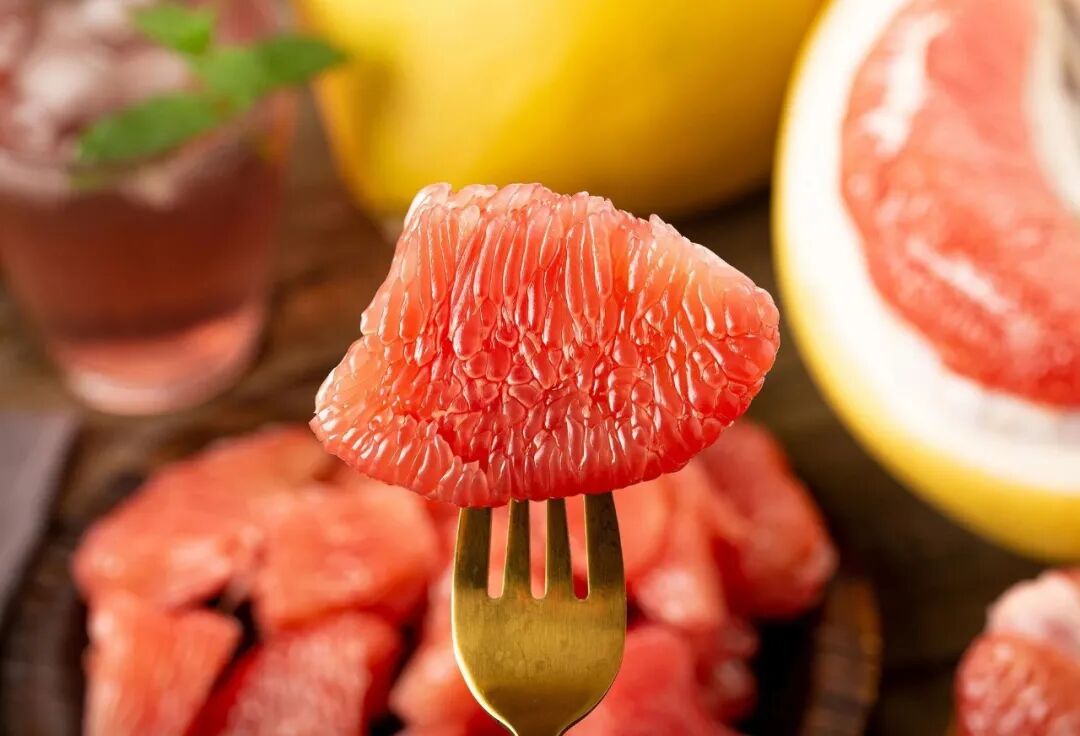
During the process of drug metabolism in the human body,CYP3A4Enzymesplay a catalytic role in drug metabolism. In clinical practice, over 50% of drugs require CYP3A4 for metabolism and clearance from the body.
When the CYP3A4 enzyme encounters furanocoumarin compounds that inhibit it, this metabolic pathway becomes blocked, leading to two distinct but equally dangerous outcomes:
① Drug accumulation and toxicity
Normally, drugs that should undergo a round of metabolism in the intestine are not metabolized as expected due to the "blocking" effect of furanocoumarin compounds in grapefruit, resulting in an abnormal increase in drug concentration in the blood (plasma drug concentration), equivalent to "overdosing", which may increase the risk of adverse reactions.
② Reduced efficacy
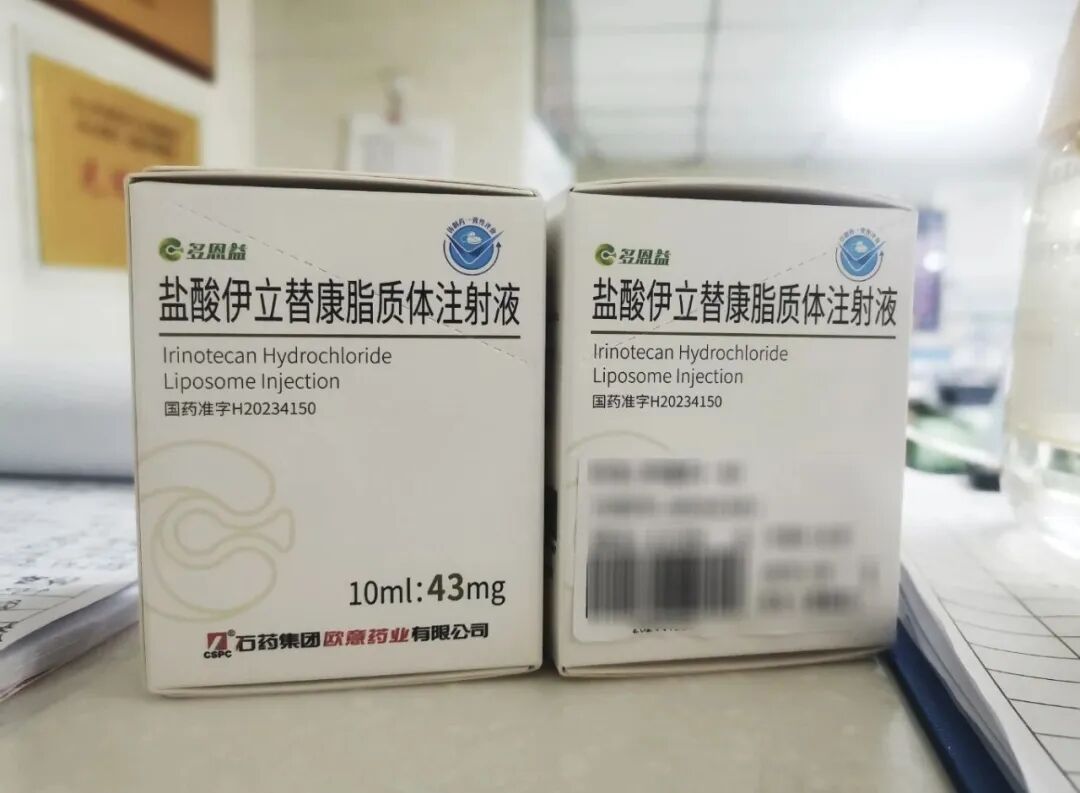
Certain prodrugs, such as irinotecan and cyclophosphamide, requireactivation by CYP3A4enzyme to exert their anticancer effects. The inhibition of furanocoumarin compounds in grapefruit can reduce the production of active metabolites, which is equivalent to"weakening"the drug's efficacy.
What's more troublesome is that the recovery of CYP3A4 in the intestine requires the enzyme to be resynthesized, which takes approximately 24~72hours. In other words, it is best to avoid grapefruit for
Chemotherapy drugs that must be kept away from grapefruit
Targeted drugs that must be kept away from grapefruit[2]
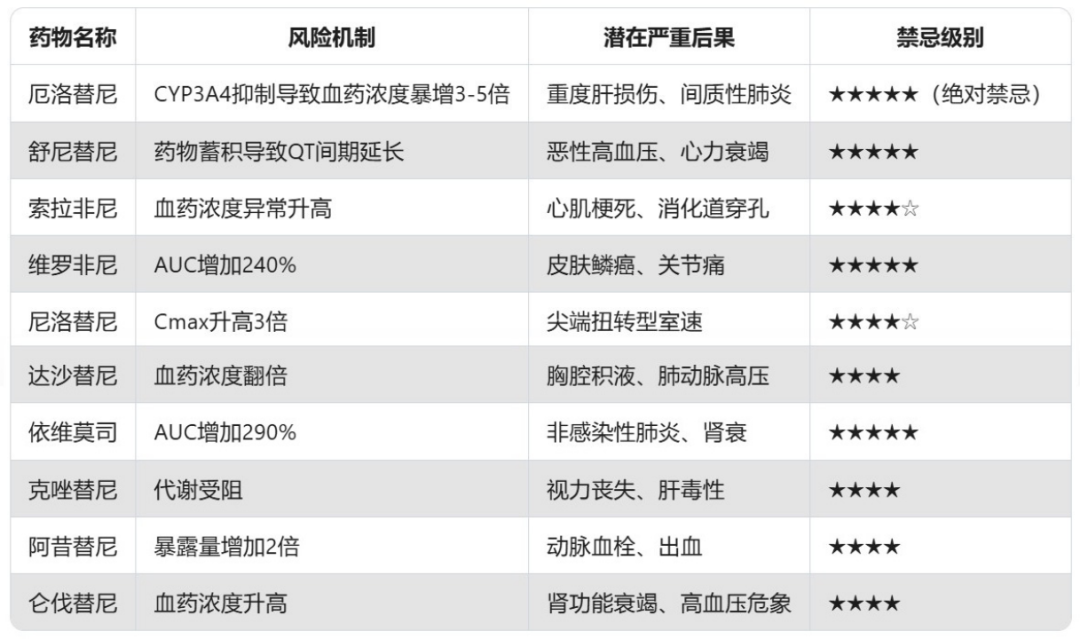
Due to space limitations, you may not find the drug you are using in the table. Don't worry, you can take out the drug instruction manual in your hand and look for the section on Contraindications or Precautionsto see if there are any restrictions related to “grapefruit, grapefruit juice, etc.”.
Umbelliferae vegetables, include celery, cilantro, fennel, and carrot, which are all well-known to us. Among them, there are quite a few "hidden champions" of furocoumarin , with some even surpassing grapefruit in content:
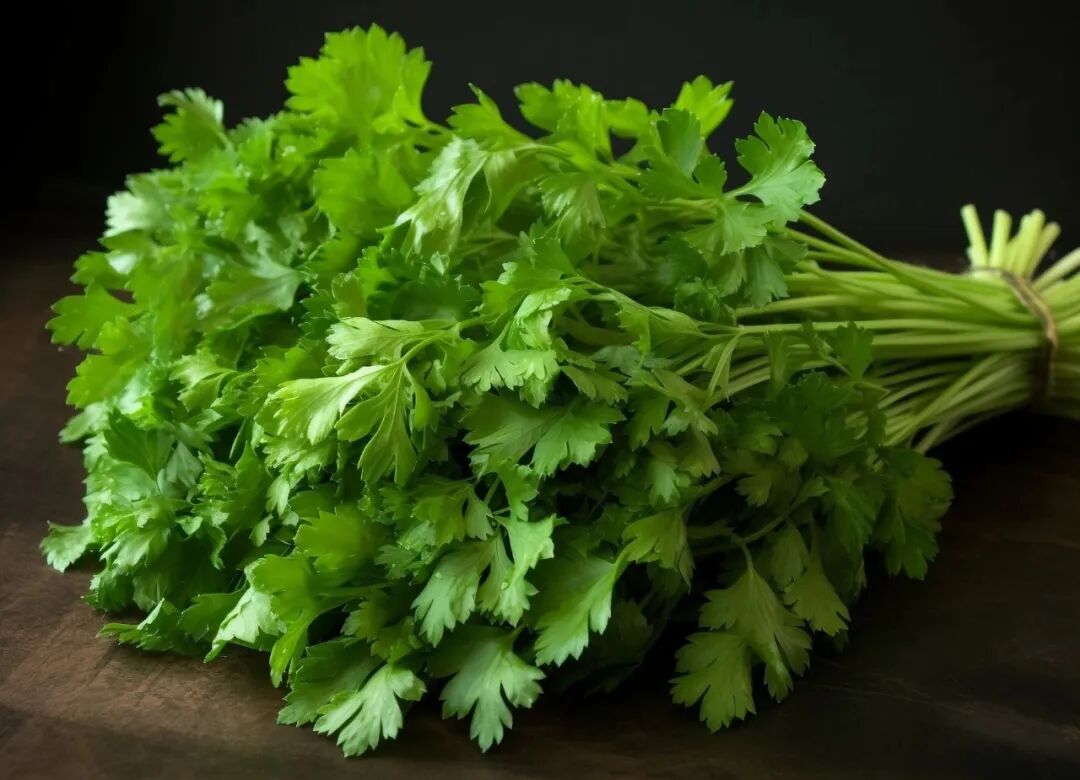
① Parsley
contains 35~55 mg of furocoumarin per 100 grams of fresh parsley leaves, which is already comparable to grapefruit , and the 'parsley powder' that people often use for seasoning when cooking, after being dried, increases furocoumarin by 3fold .
② Common celery
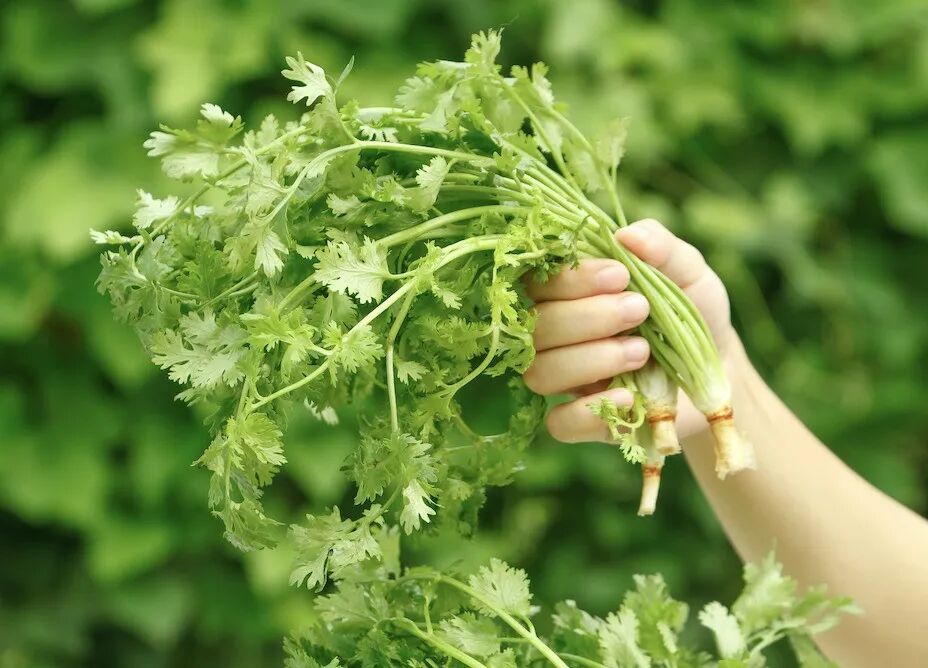
Celery leaves contain 8~18 mgof furocoumarin per 100g of fresh leaves, while celery stems contain 1~4 mgper 100g. Eating normally about 100g has little effect, but for
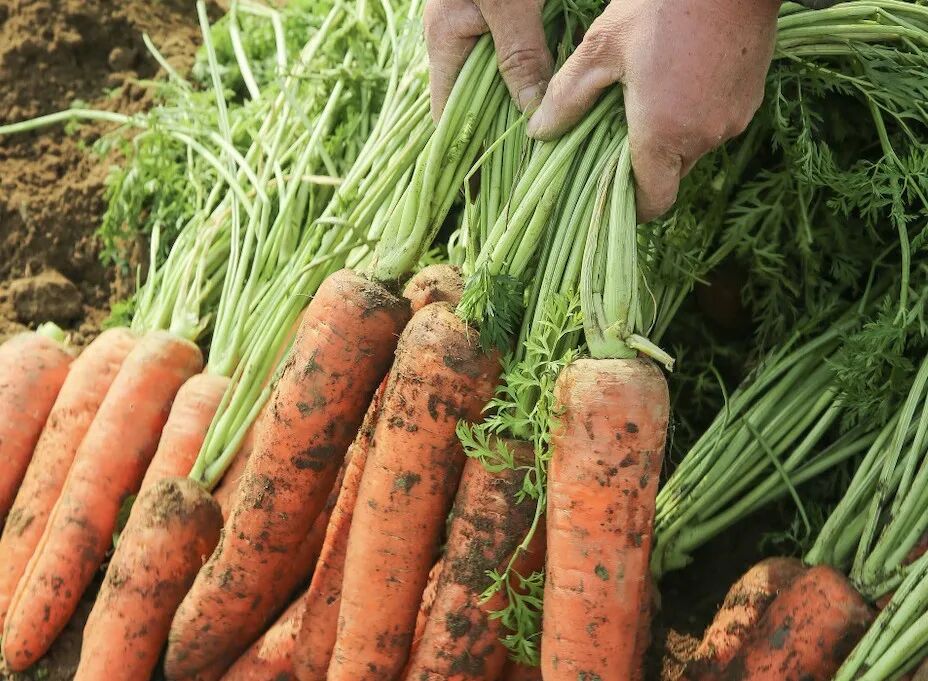
Carrots
The furanocoumarins in carrots are mainly concentrated in the leaves, while the root and stem parts that we commonly eat contain very low levels of furanocoumarins. They can be consumed normally."
In the long-term battle against cancer, every detail can affect the final outcome. Every year when pomeloes are in season, some people fall victim to their toxicity. I hope you, who are reading this article, can share it and help more people avoid this hazard.
Reference source:
[1]Rendic S, Ci Carlo FJ. Human cytochrome P450 enzymes: a status report summarizing their reactions, substrates, inducers, and inhibitors. Drug Metab Rev 1997; 29:413-580.
[2]Guiding Principles for the Clinical Application of Novel Antitumor Drugs (2024 Edition)). National Health Commission. January 2025.

Click to view past exciting content


Address: Room 1101 (Unit 101), 11th Floor, Building 1, No. 7 Courtyard, Kexueyuan Road, Life Science Park, Changping District, Beijing
Phone:010-8265 9866
Email:lehemedneo@hotmail.com