About Lehe
乐于心,和与众,与己乐,与人和; 心宽念纯,百病无生。

乐于心,和与众,与己乐,与人和; 心宽念纯,百病无生。


When it comes to chemotherapy, opinions vary widely on the internet. In your mind, what is chemotherapy like?
First, let's get to the conclusion: chemotherapy can indeed treat cancer, but what it does may not be what you think at all.
In fact, from an immunological perspective, chemotherapy is more like an operation of "using a borrowed knife to kill someone." The real trick of chemotherapy is not to "poison" cancer cells , but to first push cancer cells down and then let the immune system make the killing blow . Many people haven't used it correctly.
Next, let's use the magnifying glass of immunology to understand what chemotherapy brings to the body?
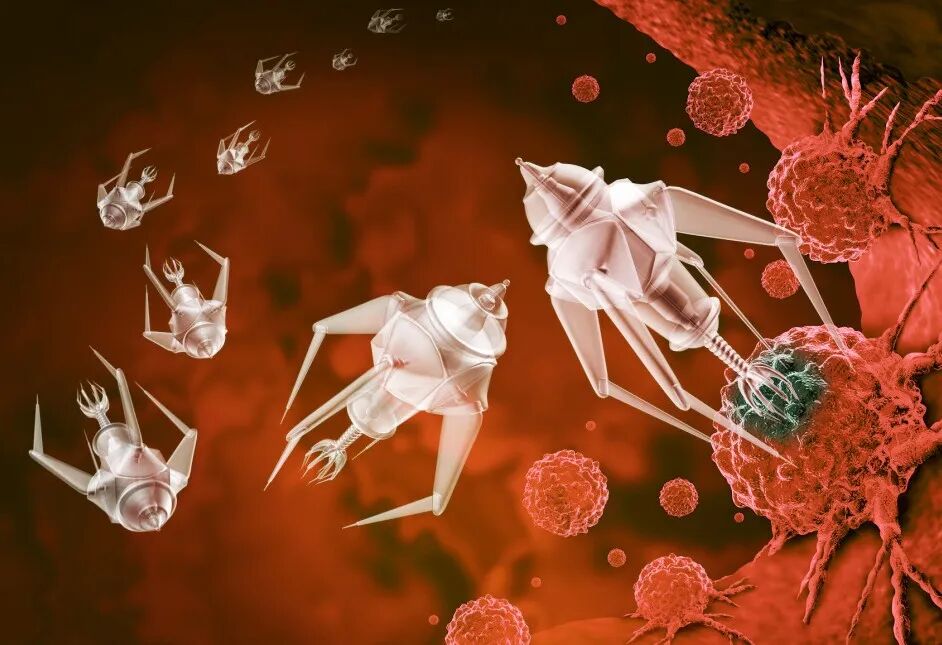
In the traditional impression of the public, chemotherapy is like an indiscriminate bombing air raid, killing both good and bad cells. After several courses of chemotherapy, cancer cells are killed, but the immune system is also in a state of exhaustion. However, from an immunological perspective, there are differing views. When chemotherapy is used appropriately, it can even collaborate with the immune system to combat cancer."
The ways cancer cells die are far more complex and diverse than we imagine, with over a dozen known methods currently. When chemotherapy drugs kill cancer cells, two outcomes may occur:
* Silently, immune cells are completely unaware of what has happened.
* With a loud and vigorous roar, the cancer cells, before dying, "revealed their identity", sticking the label of ""having done bad things" all over their bodies, and emitting a bunch of ""distress signals". Dendritic cells immediately rushed to take pictures and told other immune cells: ""Remember this face, and fight it every time you see it. ”
At this point, the immune system should have sounded the "charge" to continue expanding the overwhelming advantage created by chemotherapy against tumors, until the battlefield is cleared and the remaining cancer cells are eliminated. However, problems arose......
with the emergence of side effects from chemotherapy drugs, such as the common“myelosuppression”. Currently, the incidence of myelosuppression in chemotherapy patients in China is as high as44.2%, with almost one in every two chemotherapy patients experiencing myelosuppression, and about1/3patients experiencing two or more types of blood cell reductions simultaneously[1].
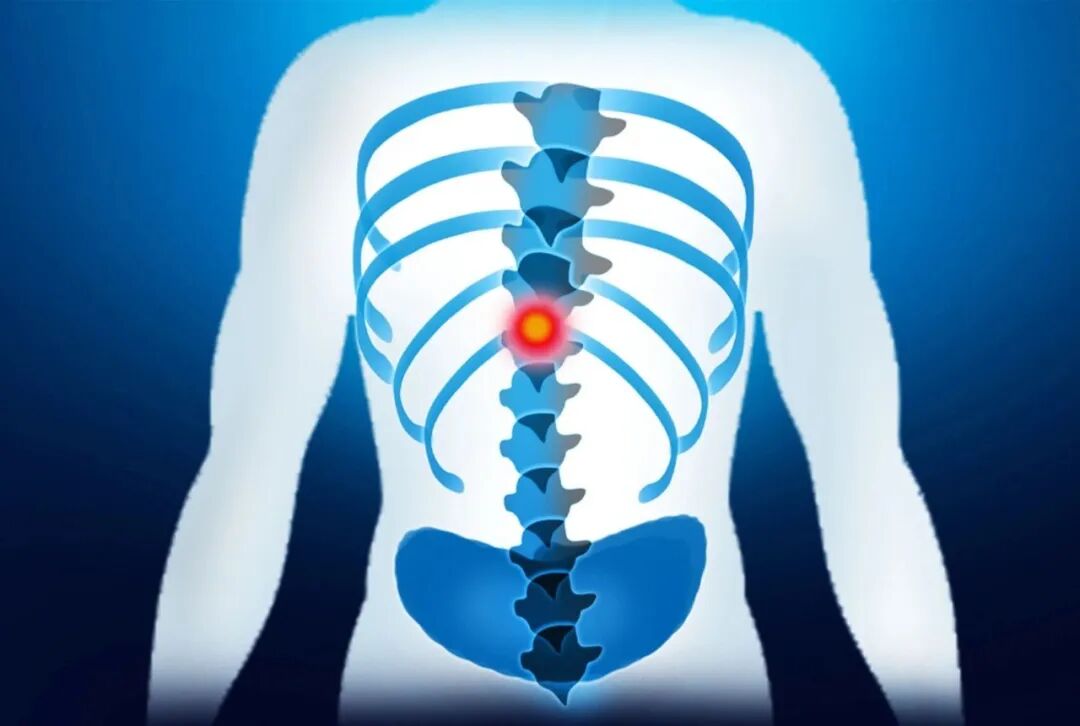
Due to the destruction of hematopoietic stem cell function in the bone marrow, the immune white blood cells, platelets, red blood cells, etc. are rapidly reduced, making the immune system unable to cope with residual cancer cells. As a result, the outcome of this war against cancer cells is uncertain, and it may even give patients a feeling of "the more chemotherapy, the worse the body gets, the faster one dies".
This also leaves many patients in a dilemma, unsure whether chemotherapy should continue and how to continue it
1. Mastering the "degree" of chemotherapy
The "Guidelines" serve as the basis for modern medical treatment of tumors, and the data in clinical guidelines mostly originate from Western research and chemotherapy drugs have lipid-soluble characteristics that are more suitable for Westerners with thicker fat layers, which can alleviate drug toxicity.
In domestic clinical practice, Chinese people have a symmetrical body shape and significantly lower body fat than Westerners, especially for patients who are frail or have underlying diseases. Traditional high-dose chemotherapy is prone to intolerance and adverse reactions such as bone marrow suppression.
Therefore, there is an urgent need for a chemotherapy suitable for the Chinese physique"".
Professor Zhang Minghui, an immunology professor at Tsinghua University, has found through extensive research and clinical observation that chemotherapy has reached its maximum efficacy after undergoing4courses. The survival benefits brought by the new cycle are minimal, but the cumulative toxicity significantly increases.can also make tumor cells that survivedevelop drug resistance. From the perspective of overall revenue,4Stopping one course of treatment is more appropriate.
2. Breaking down chemotherapy into “small steps”, allows immune cellsto survive
. Traditional chemotherapy involves a large dose all at once, causing both cancer cells and immune cells to suffer. Later, doctors discovered that breaking down the same total amount of chemotherapy drugs into multiple smaller doses, like “taking small steps and running fast”, can not only continuously suppress tumors but also allow immune cells toThere is breathing room. Its core lies in inhibiting tumor angiogenesis and regulating immunity, rather than directly killing tumor cells with high doses. Simply put: chemotherapy has shifted from "bombing and shelling" to "precise harassment", both delaying the tumor and leaving a window for the immune system to recruit and train soldiers.
3 After "clearing the field" with chemotherapy, allow immune cells to enter the stage
. The reason why tumors can grow is not only because they grow fast themselves, but also because they can buy off regulatory T cells (Treg) and myeloid-derived suppressor cells (MDSC) and "betray" them, these traitors send secret messages to the immune system every day: “Don't attack, we are one of your own. ”
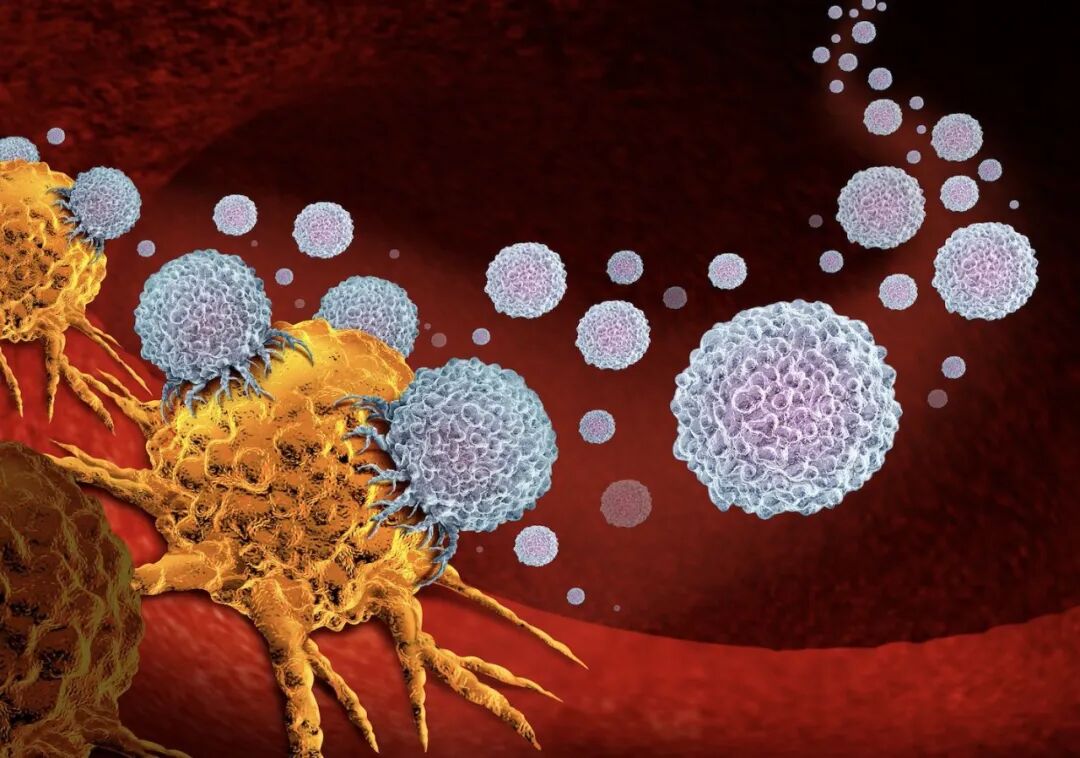
Chemotherapy knocks down cancer cells first, and the immune system not only has to deal with the remaining cancer cells, but also has to address the internal “betrayal” of immune cells transmitting false information. With such internal and external challenges, due to insufficient autoimmune response, it is advisable to seek “external assistance” (adoptive cellular immunotherapy) in a timely manner. This involves expanding and modifying immune cells in vitro to enhance their anti-cancer capabilities, which can then be infused back into the patient.
Such as vNKT immune cells, they can rapidly recognize and attack tumor cells, with a killing speed and capability far exceeding that of general NK cells and T cells. In addition, vNKT immune cells also have strategies against “mutated” immune cells. They are also capable of killing inhibitory immune cells MDSCs, exerting anti-tumor effects by regulating the microenvironment within cancer tissues.
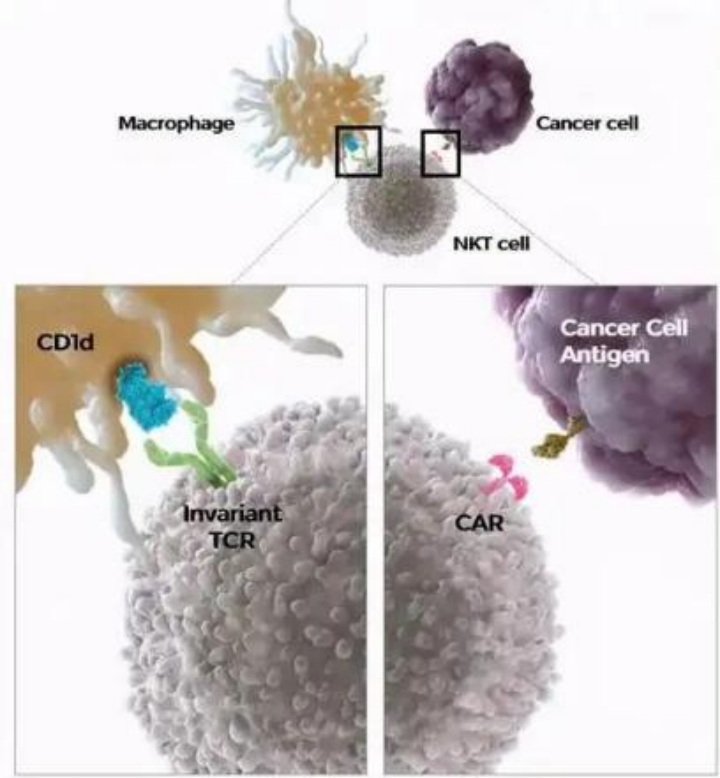
After the "clearance" of chemotherapy, immune cells enter the stage, making chemotherapy not a one-man show of "poison", but rather a knife handed to the immune system; chemotherapy is not the end, but rather the "final mobilization" before the immune system takes full control.
From the perspective of immunology, we hope to provide you with a different perspective on chemotherapy.
Reference source:
[1] Mingjian|Research on the Current Status of Chemotherapy-Related Myelosuppression and Clinical Management in China

Click to view past exciting content
Address: Room 1101 (Unit 101), 11th Floor, Building 1, No. 7 Courtyard, Kexueyuan Road, Life Science Park, Changping District, Beijing
Phone:010-8265 9866
Email:lehemedneo@hotmail.com