About Lehe
乐于心,和与众,与己乐,与人和; 心宽念纯,百病无生。

乐于心,和与众,与己乐,与人和; 心宽念纯,百病无生。


When it comes to cancer treatment, many patients, upon diagnosis, are busy seeking various surgical methods and consulting about various targeted drugs, while overlooking a free "good medicine" around them. This "good medicine" can not only enhance the anti-cancer effect but also significantly contribute to extending the survival period of cancer patients. The latest research from NEJM further confirms: the world's first IIIphase clinical trial verifies that its effect is comparable to taking medication.
That is exercise!
At this point, some may say:
Don't worry, after reading, you will know that the threshold for the "exercise" mentioned here is not high.
1、 Exercise during chemotherapy and before surgery to enhance anti-cancer effects< H160>
《Journal of Sport and Health Science》 A study on[1]: During chemotherapy and before surgery, exercise can be seen to significantly increase the number of anti-cancer immune cells in the tumors of exercise patients, especiallyCD8+Tcells, which are less common in tumors of patients who do not participate in exercise. That is to say,Exercise helps to send more immune cells into cancerous tumors, making the anti-cancer effect stronger.
2、 Extend the survival of cancer patients
One study included1.1More than 10000 diagnosed cancer patients. After a long period of16data follow-up, it was found thatwas diagnosed with lung cancer and ovarian cancer. Among patients with cancers such as cancer, colorectal cancer, and prostate cancer, adhering to authoritative guidelines for exercise significantly reduces the risk of all-cause mortality compared to patients who do not exercise< H260>25%(HR=0.75, Compared to non exercise patients,[2].
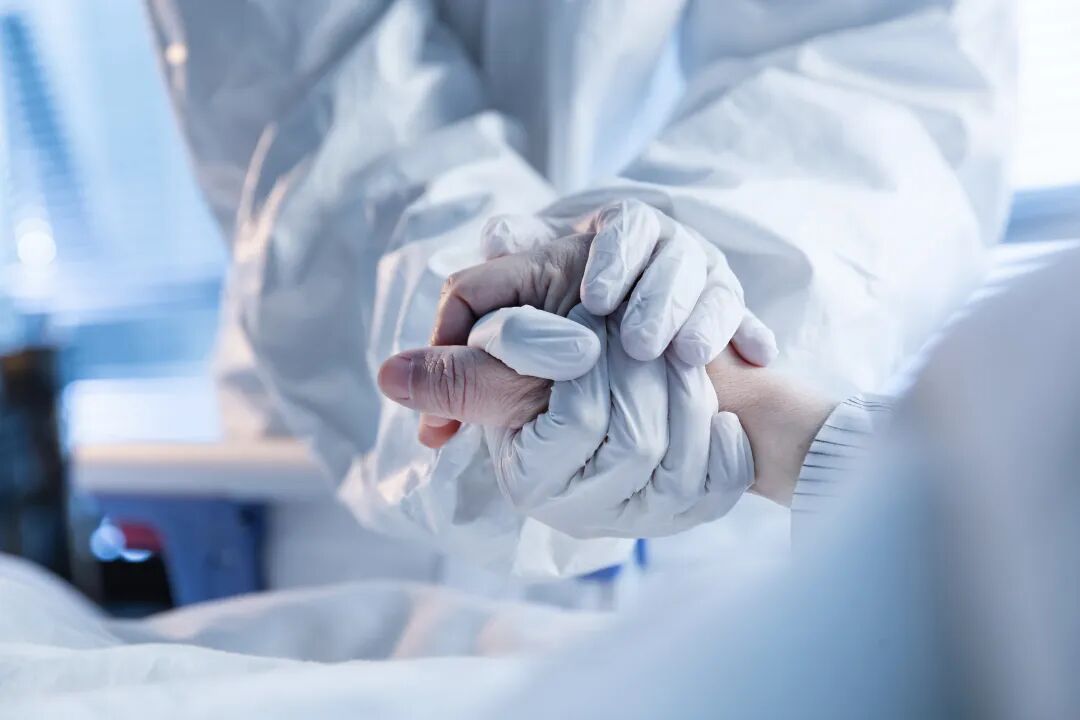
Moreover, numerous previous studies have shown that exercising after being diagnosed with cancer can not only reduce the risk of all-cause mortality, but also significantly lower the risks of cancer-related death and cancer recurrence[3]. For cancer patients, exercise is a crucial aid in prolonging survival, and it also embodies the belief that life lies in movement.
3、 Cancer patients exercise, the effect is comparable to taking medication
The top medical journal, The New England Journal of Medicine, recently released data from a randomized controlled clinical trialIII[4], which includes
Researchers indicate that the benefits brought to bowel cancer patients by exercise after adjuvant chemotherapy are comparable to those of many currently approved drugs. In terms of disease-free survival, the structured exercise group of bowel cancer patients exhibited significantly longer disease-free survival periods
2022 The "Expert Consensus on Exercise Therapy for Malignant Tumor Patients in China" released in [year] provides the answer< H520>[5]。
1.Conduct exercise risk assessment before exercise intervention:< H542>

* Patients with breast cancer: upper limbs and shoulders were evaluated before upper body movement;
* Gynecological cancer patients:The exercise risk of patients with severe obesity exceeds the exercise risk caused by the specificity of malignant tumor sites, and additional medical evaluation is needed to increase their activity safety. It is recommended to evaluate lower limb lymphedema before engaging in high-intensity aerobic or resistance exercises.
*Patients with colorectal cancer: For ostomy patients participating in high-intensity exercise, it is necessary to assess whether they have established continuous and proactive measures to prevent infection;
*Patients with prostate cancer: Assess muscle strength and loss, especially for those undergoing androgen deprivation therapy, who need to have their bone density evaluated.
2. Principles for customizing exercise prescriptions for patients with malignant tumors:
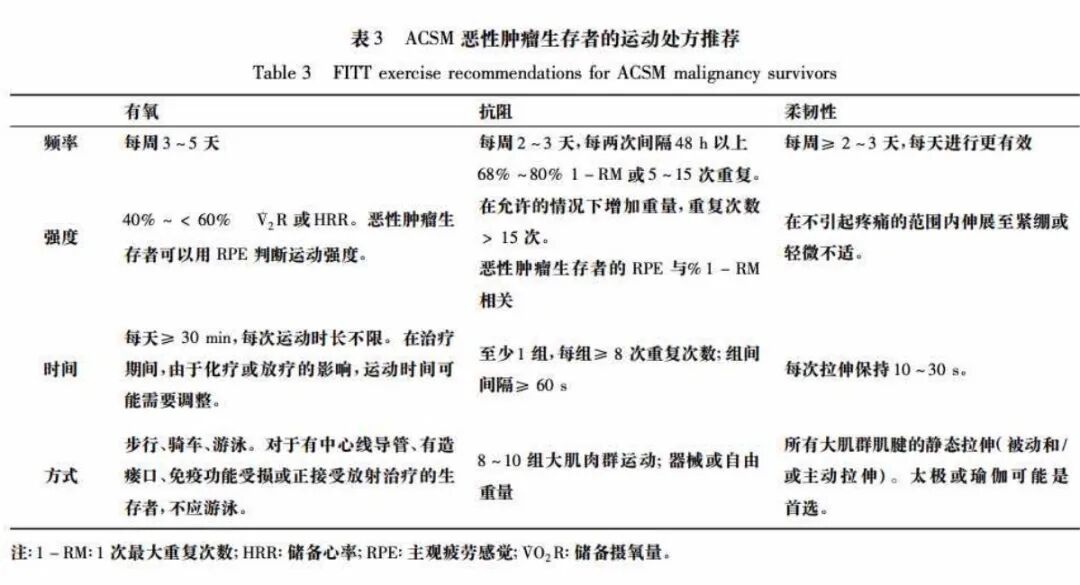
*Aerobic exercise: 3 to 5days per week, more than 30 minutes of walking, cycling, swimming, practicing Baduanjin (eight-section brocade), qigong, etc. .
Special reminder: Patients with malignant tumors can use subjective fatigue sensation to judge exercise intensity. During treatment, due to the effects of chemotherapy or radiotherapy, exercise duration and intensity need to be adjusted. Patients with central line catheters, stoma, impaired immune function, and undergoing radiotherapy should not swim.
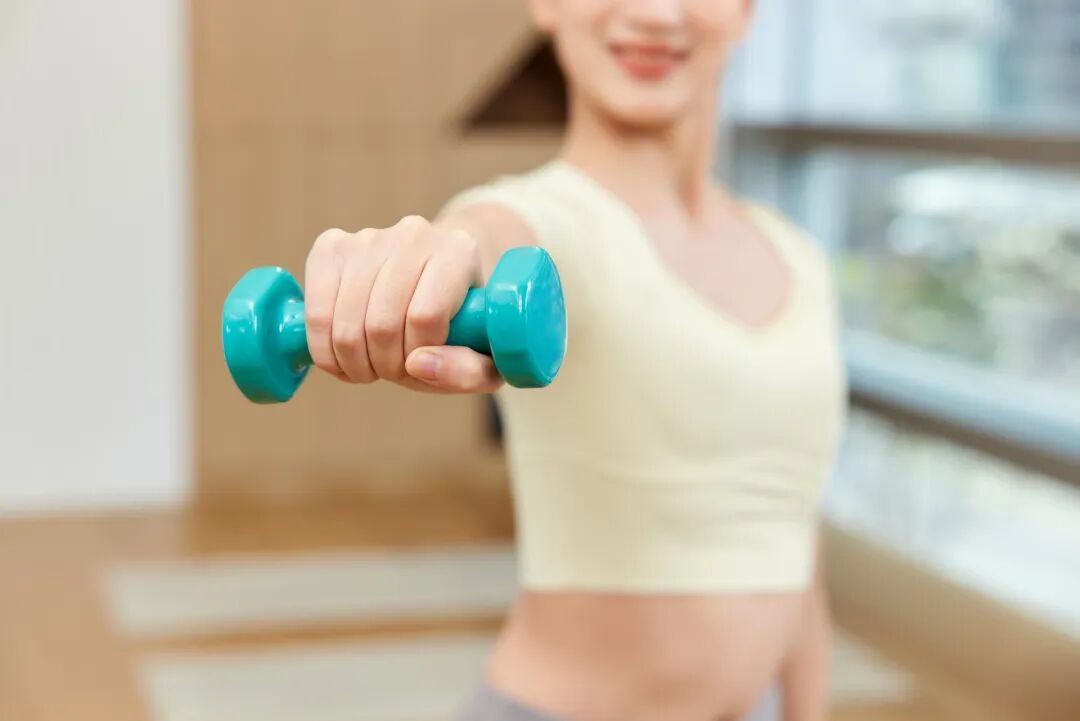
*Resistance Exercise:Weekly2-3DaysDumbbells, grippers, elastic bands, and even bottles filled with water can be used for resistance training.Interval between each resistance exercise48More than hours.
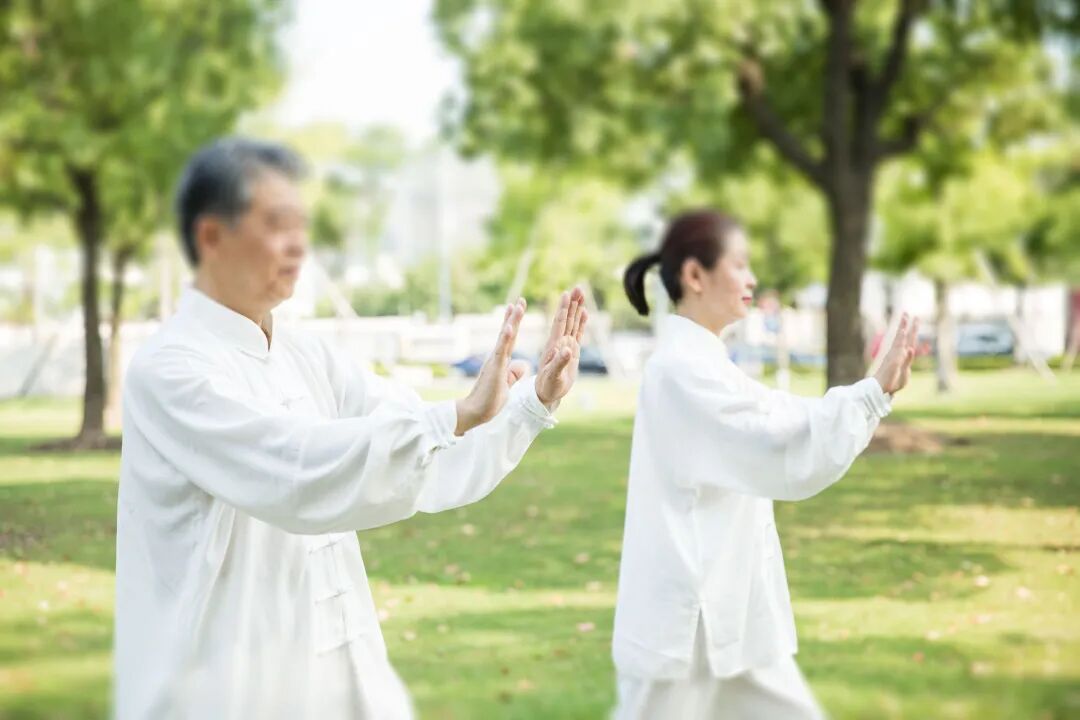
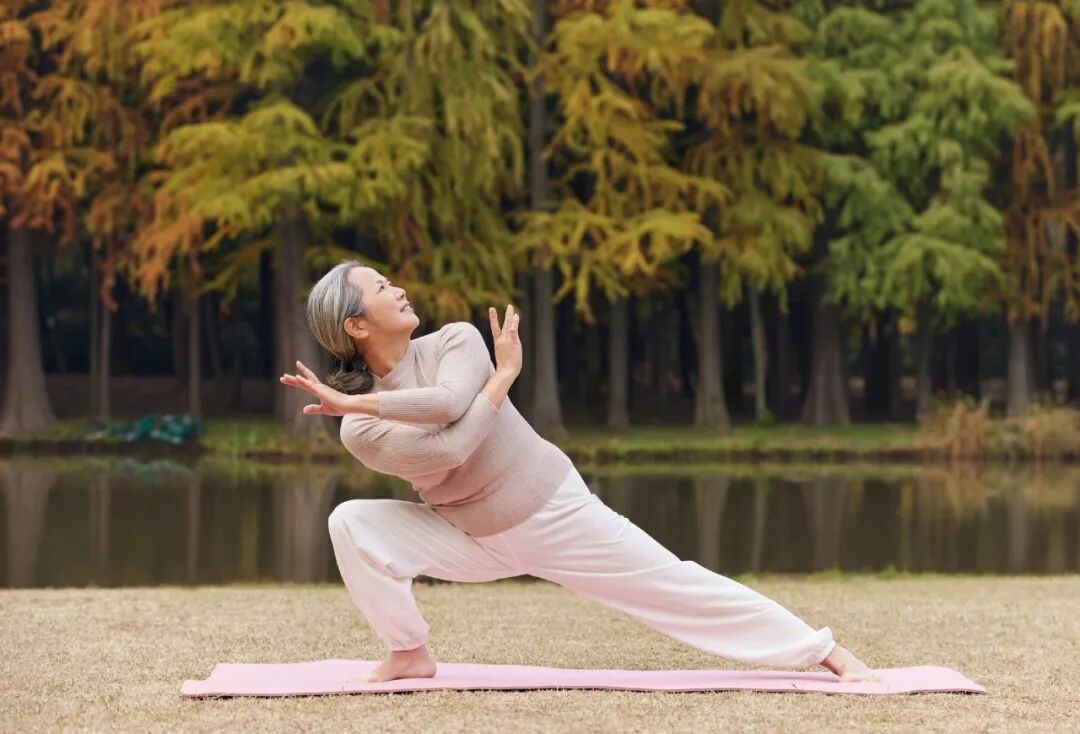
* Flexibility Training:Weekly2-3Days, stretch within a range that does not cause pain until it is tight or slightly uncomfortable,Hold10-30seconds,Tai Chi and yoga are the preferred choices.
Having seen the numerous benefits of exercise, cancer patients and their families must diligently practice to improve their quality of life. ~Start with low-intensity activities like taking a walk outside or doing some grocery shopping within a safe range, and gradually overcome the tumor!
Lastly, we have prepared a small gift for everyone. Leave a message with "exercise" , and contact Professor Zhang's assistant to receive the "Expert Consensus on Exercise Therapy for Chinese Cancer Patients" .
Reference:< H177>
[1] Charles J. Rayner et al, Prehabilitation during neoadjuvant chemotherapy results in an enhanced immune response in esophageal adenocarcinoma tumors: A randomized controlled trial, Journal of Sport and Health Science (2025). DOI: 10.1016/j.jshs.2025.101063 [2] Lavery J A, Boutros P C, Scott J M, et al. Pan-Cancer Analysis of Postdiagnosis Exercise and Mortality[J]. Journal of Clinical Oncology, 2023, JCO.23.00058. [3] Cormie P, Zopf E M, Zhang X, et al. The impact of exercise on cancer mortality, recurrence, and treatment-related adverse effects[J]. Epidemiologic Reviews, 2017, 39(1): 71-92. [4] Courneya KS, Vardy JL, O'Callaghan CJ, et al. Structured Exercise after Adjuvant Chemotherapy for Colon Cancer. N Engl J Med. Published online June 1, 2025. doi:10.1056/NEJMoa2502760 [5] Expert Consensus on Exercise Therapy for Malignant Tumor Patients in China [J/CD]. Journal of Tumor Metabolism and Nutrition, 2022,9 (3): 298-311. DOI: 10.16689/j.cnki. cn11-9349/r. 2022.03.006

Click to view past exciting content


Address: Room 1101 (Unit 101), 11th Floor, Building 1, No. 7 Courtyard, Kexueyuan Road, Life Science Park, Changping District, Beijing
Phone:010-8265 9866
Email:lehemedneo@hotmail.com