About Lehe
乐于心,和与众,与己乐,与人和; 心宽念纯,百病无生。
乐于心,和与众,与己乐,与人和; 心宽念纯,百病无生。


"Doctor, how long can I live for?"
This is a question that every cancer patient, no matter how strong they are, has asked in their heart.
It's not fear of death, but rather fear of not knowing whether they can recover, not knowing when the disease might recur, not knowing what exactly is the right thing to do ...
Is cancer cure really just a matter of “luck”?
Today, we will open a new perspective on cancer cure from the perspective of immunology, and see what mostly happens to those patients who are truly “cured” - that is, their immune systems have reactivated.

Many patients believe that after surgery, chemotherapy, and imaging tests show no signs of lesions, they are “cured”.
However, inside the body, where the naked eye cannot see, there is still a battle going on: Surgery and chemoradiotherapy are not 100%effective in eliminating cancer cells, and the residual cancer cellsthat evade early treatment often will“hide”, and the fundamental means to defeat cancer still requires a strong immune system to provide support.
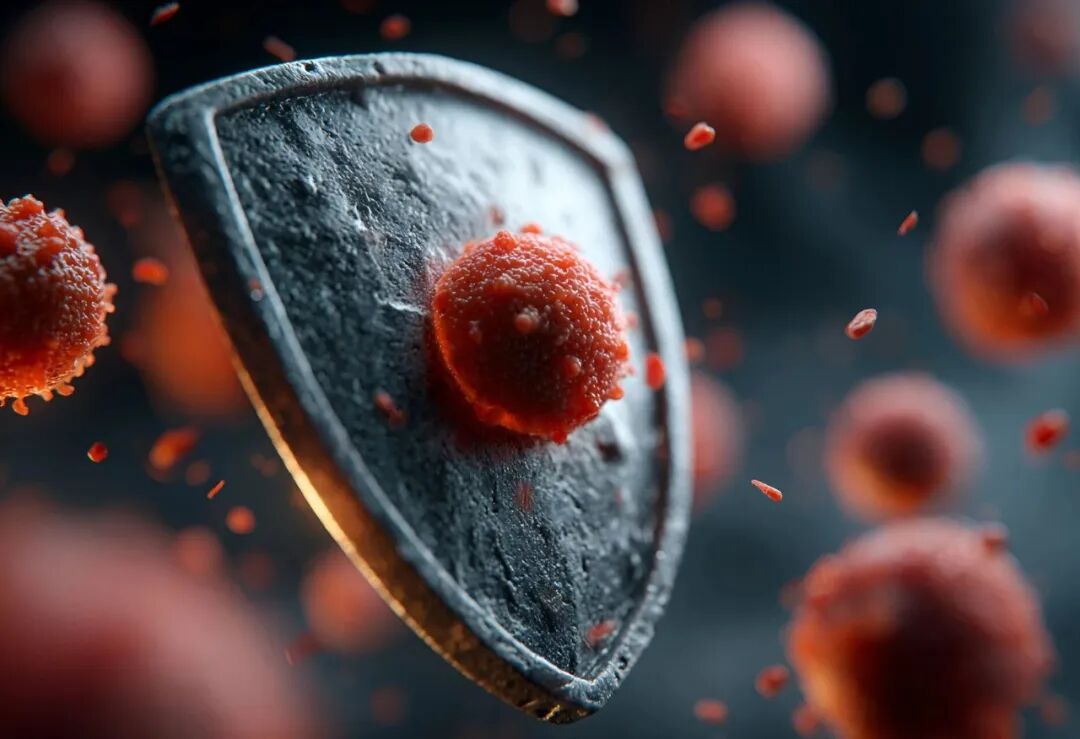
Imagine that your immune cells, originally loyal "defenders", are suddenly blinded by cancer cells one day , and the uncleared cancer cells continue to grow and form a tumor .
Cancer cells can evade immune attack by disguising themselves, suppressing immune cells, bribing immune cells, establishing physical barriers , and , as well as and continuously mutating in various ways. Although surgery, chemotherapy, and radiotherapy temporarily resolve tumors, the underlying immune surveillance issue remains . As long as there are cancer cells that have successfully escaped, the possibility of cancer recurrence and metastasis exists in the future.
Cancer cure is never as simple as “tumors disappearing”. Instead, it's about the immune system regaining dominance and establishing a long-term, stable anti-cancer immune state.
In other words, the disappearance of the tumor is only a matter of"First half"Whether the immune system has been rebuilt is the key to"Second half"The key to winning.
1、 The immune restart button hidden in daily life
① Regular sleep:Daily life is often a basic requirement for the immune system to self repair and adjust, and enhance the activity of immune cells.

Research has found that a reversed sleep-wake cycle can induce the accumulation of myeloid-derived suppressor cells (MDSCs) and dysfunctional DC8+ T cells, particularly MDSCs, which can inhibit T cells, B cells, and NK cells-mediated immune responses, becoming a "roadblock" for immune cells to clear cancer cells. This not only directly promotes immune evasion but also aids tumor invasion and promotes cancer metastasis [1].
② Balanced diet:The nutrients provided by food are the foundation for the normal functioning of the immune system, helping to enhance the activity and function of immune cells.
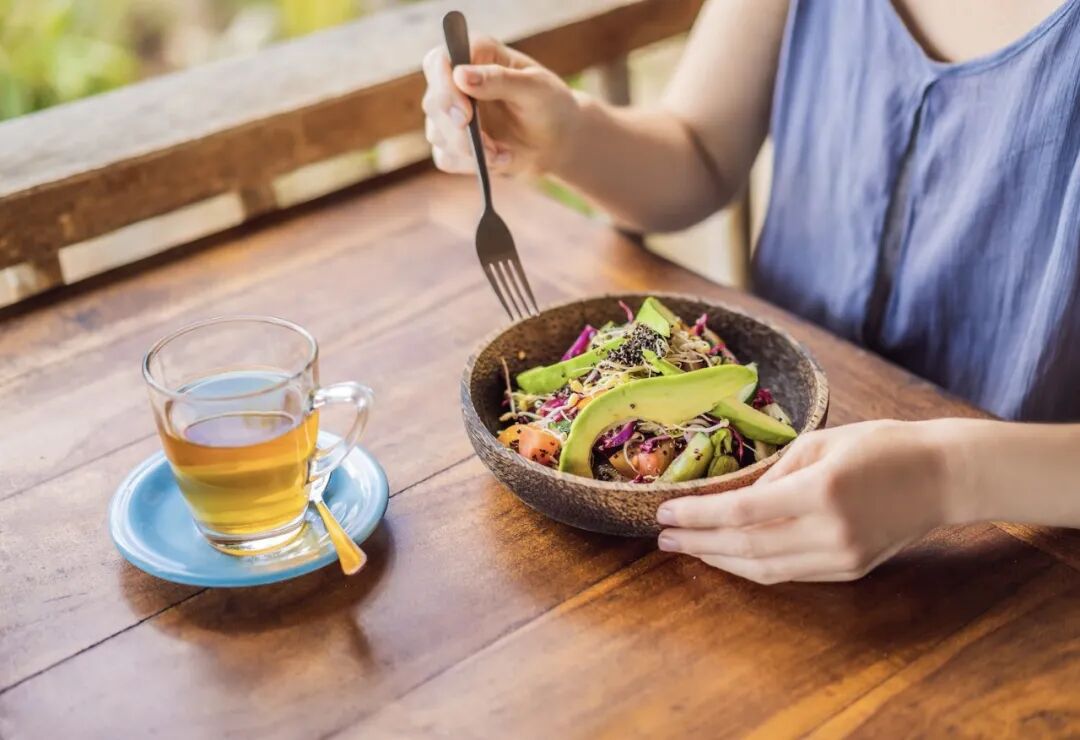
Oncology can be said to be one of the places where malnutrition occurs most frequently. Clinical data shows that 40%~80% of oncology patients suffer from varying degrees of malnutrition[2].
③ Moderate Exercise: Exercise is one of the important means to enhance immune function, and this effect follows a “inverted U-shaped” curve, meaning that only moderate exercise can bring benefits.
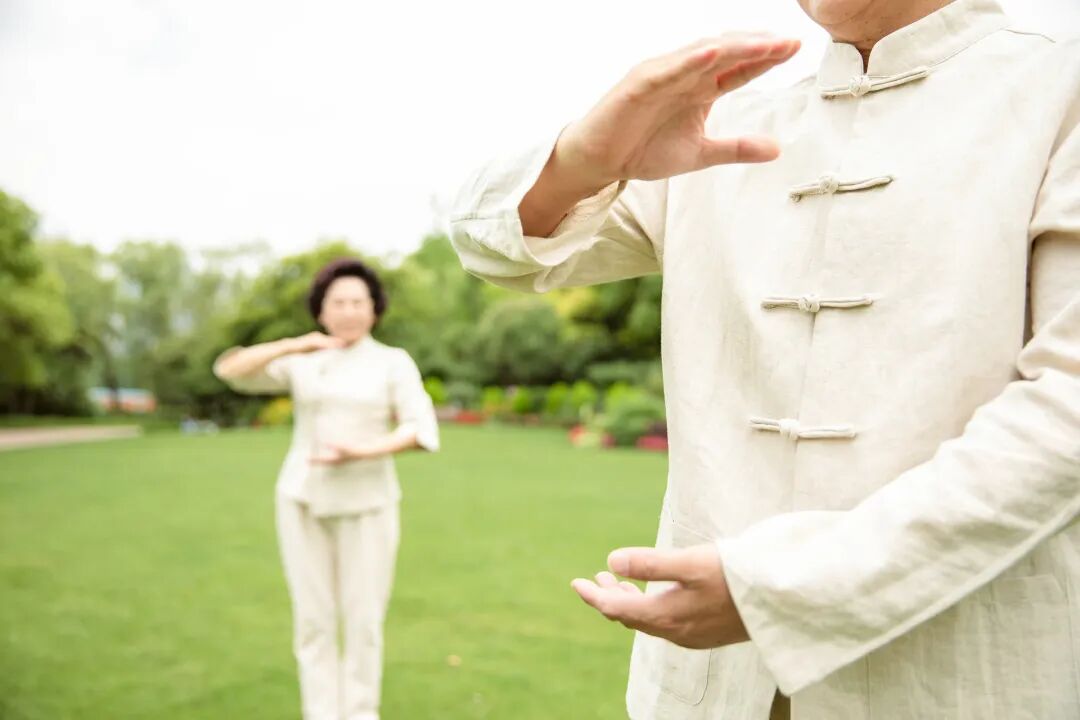
For example, regular long-term walking can increase the activity of immune cells by 20% to 30%.
④ Maintain a Good Mood: Emotions are amplifiers of immune function.
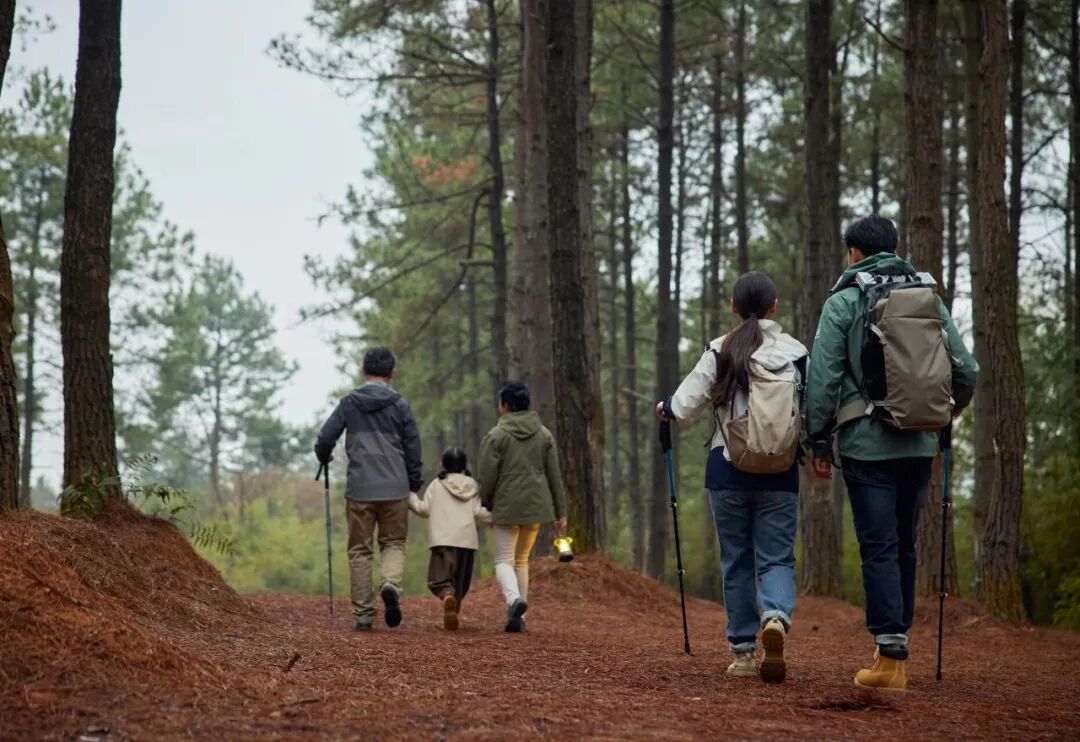
The pain cancer brings to patients is not only physical, but psychological anxiety and depression are even more torturous. As early as 2019, research published in "Nature Medicine" confirmed that mental stress can reprogram dendritic cells, inhibit anti-tumor immune responses, and ultimately lead to poorer outcomes in chemotherapy and immunotherapy. Furthermore, cutting-edge hopes from the laboratory suggest that if enhancing immune function, which permeates daily life, is merely a basic operation, one may desire a more direct and efficient approachImmunotherapy is becoming increasingly popular, and it requires the use of cutting-edge technologies.
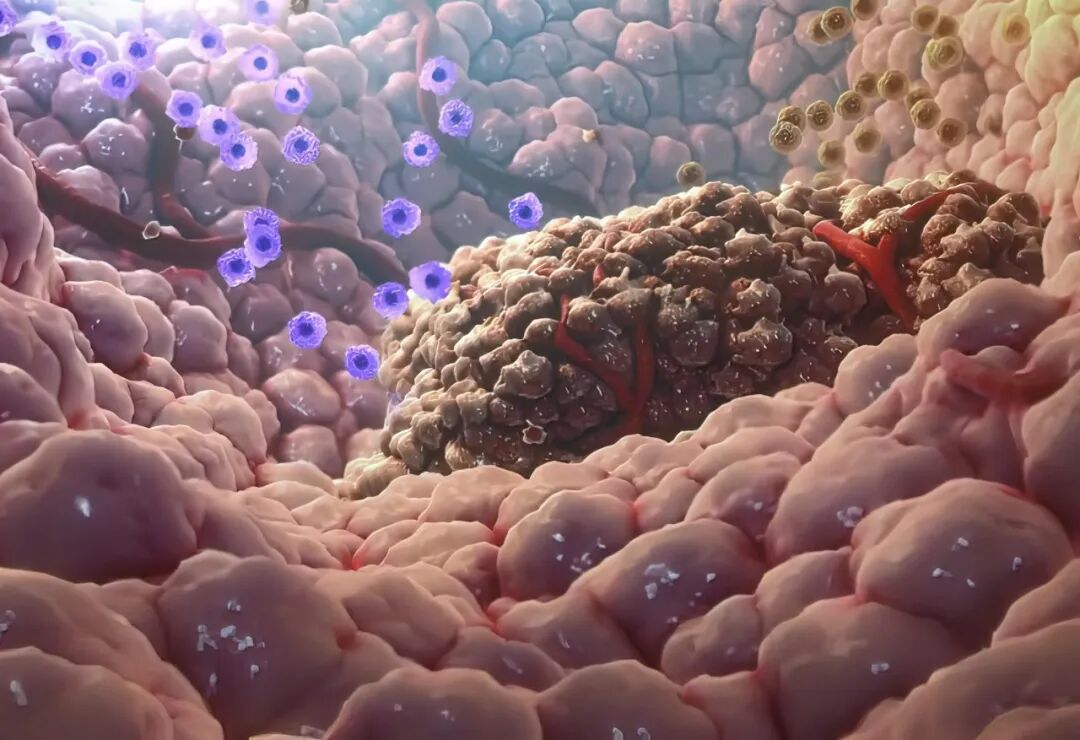
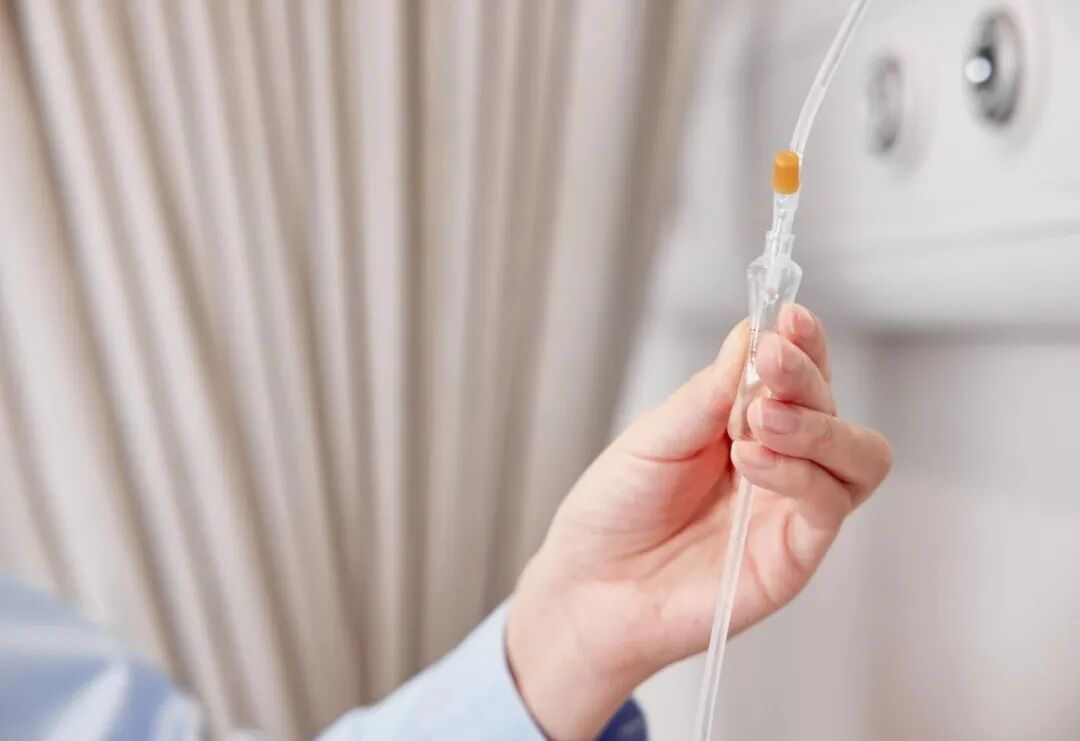
Adoptive immunotherapy, the core principle of which is to enhance the human immune system, like giving it a boost, turning ordinary soldiers in the body, even those who have been severely damaged by chemotherapy, into a well-equipped and highly capable "special forces". In the laboratory, various immune cells, represented by vNKT cells, are artificially trained to become "super soldiers". This not only restores the body's ability to eliminate cancer cells but also lifts the suppressed immune blockade, awakens the body's self-healing ability, and endows the immune system with the capability to "dimensionally reduce" cancer through science.
In summary, the immune system is not a bystander in treatment, but rather the main force in the fight against cancer.
I know that you may have just finished chemotherapy and are so nauseous that you can't even drink water; you may have just received your follow-up report and found that your tumor markers have increased a little; or you may have been searching for the term "cancer cure" late at night, just to find out if there is still hope for you.
Follow me, let's turn “healing” from luck into science.
Reference:
[1]Dysfunctional circadian clock accelerates cancer metastasis by intestinal microbiota triggering accumulation of myeloid-derived suppressor cells. Cell Metabolism (2024).
[2]Lim SL, Ong KC, Chan YH, et al. Malnutrition and its impact on cost of hospitalization, length of stay, readmission and 3-year mortality. Clin Nutr. 2012; 31(3):345-350.
[3]Yang, H., Xia, L., Chen, J. et al. Stress–glucocorticoid–TSC22D3 axis compromises therapy-induced antitumor immunity. Nat Med 25, 1428–1441 (2019). https://doi.org/10.1038/s41591-019-0566-4

Click to view past exciting content

Address: Room 1101 (Unit 101), 11th Floor, Building 1, No. 7 Courtyard, Kexueyuan Road, Life Science Park, Changping District, Beijing
Phone:010-8265 9866
Email:lehemedneo@hotmail.com