About Lehe
乐于心,和与众,与己乐,与人和; 心宽念纯,百病无生。
乐于心,和与众,与己乐,与人和; 心宽念纯,百病无生。


"Being able to match a target and have targeted drugs available"
This should be one of the most exciting news for cancer patients, especially those with advanced cancer, since their diagnosis.
Having targeted drugs available means being able to receive more precise treatment than traditional chemotherapy, with fewer side effects, and a longer survival period. Targeted drugs have also become a "life-saving straw" in the hearts of cancer patients.

Is targeted drug treatment for cancer really that magical?? Remind everyone that the sooner you know these 3truths, the better!
Targeted therapy is a relatively “precise”anti-cancer method. Its principle is like “targeting”, specifically attacking some unique “markers”or “weaknesses”on cancer cells, without harming too many normal cells.
These “markers” may be specific gene mutations or abnormal signal conduction unique to cancer cells, or some special proteins on the surface of cancer cells. Scientists will design specialized drugs based on these “markers
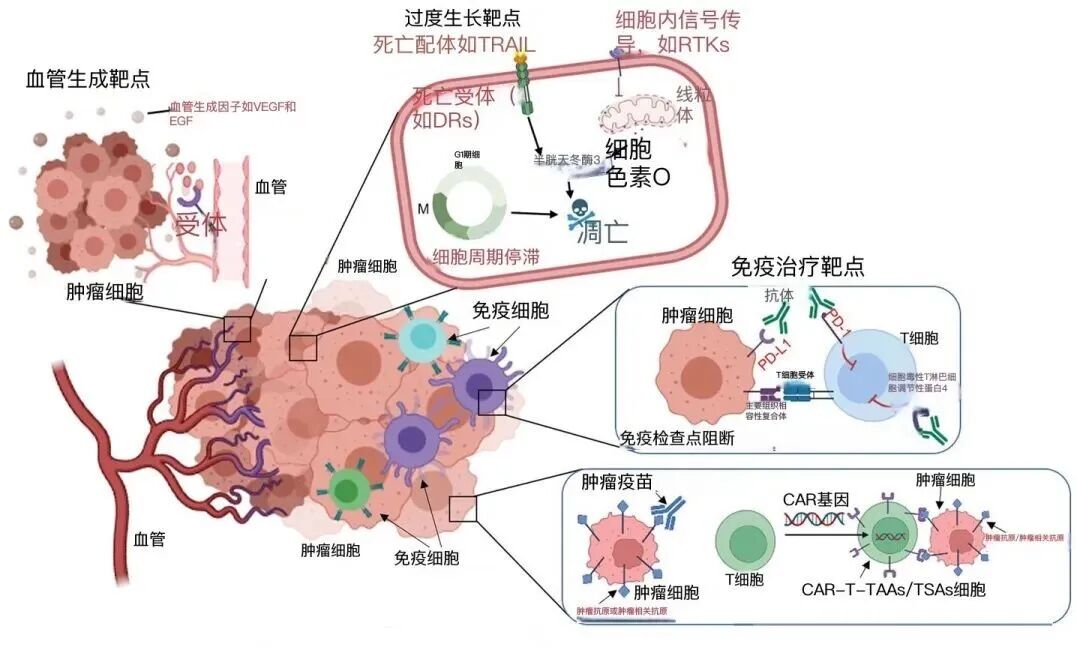
Therefore, before using targeted drugs, it is necessary to first determine whether the patient carries the corresponding gene mutation. Only when there is a match, will the targeted drug be effective.
Truth1: Are targeted drugs the cure for cancer?
The reality is that most targeted drugs currently only have the potential to prolong the survival of patientsand improve their quality of life, but they cannot cure cancer or directly lead to recovery.
Let's use the concept of "genetic mutation abundance" in targeted drugs as an example. This indicator reflects the relative quantity of mutated cells in tumor tissue, usually expressed as a percentage (%) or a decimal.
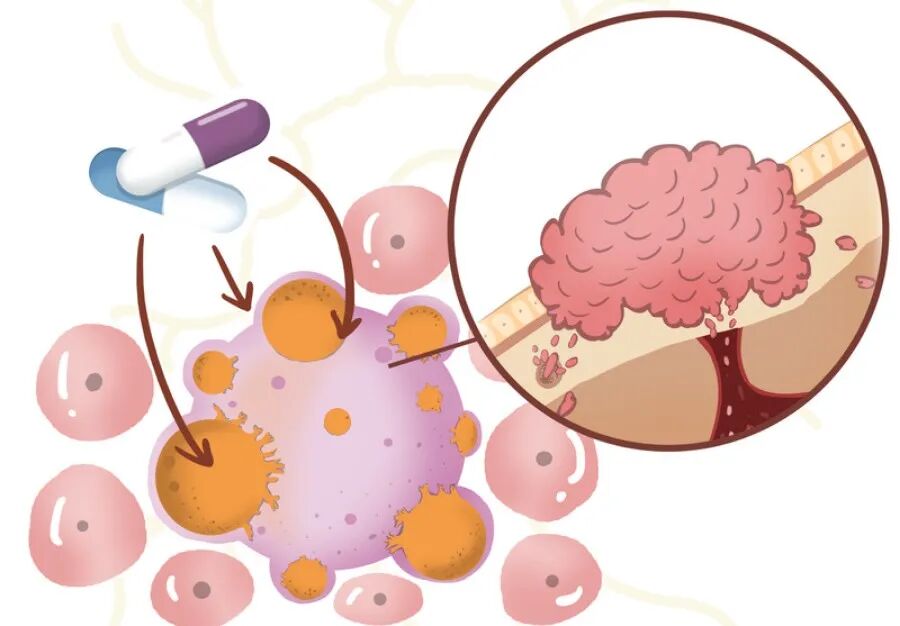
For example, if the abundance is 30%, it means that approximately 1/3 of the cells in the tumor can be killed (or inhibited from replicating) by the targeted drug. That is to say, after the targeted drug takes effect, it can shrink the tumor to a certain extent and control it, but it cannot completely eliminate the tumor.
Truth2: Do I need to keep taking the targeted drug?
Many patients with advanced cancer who aim to control their condition and prolong their survival usually need to take targeted drugs for a long time. However, after taking the drugs for three to five years and seeing their condition stabilize, they may think they have been cured and can stop taking the drugs? Under this misconception, abruptly discontinuing medication often carries significant risks, providing cancer cells with the opportunity to become active again. As we mentioned earlier, targeted drugs do not eradicate tumors or cure cancer; they only temporarily suppress tumor activity. Once medication is discontinued, the tumor is no longer restrained, and the condition may progress again. Therefore, for patients with advanced cancer, if targeted drugs effectively control tumor growth, alleviate symptoms, and are well tolerated by the patient, it is generally recommended to continue taking the medication to maintain efficacy. For patients who undergo adjuvant therapy with targeted drugs after surgery, such as those with lung or breast cancer who need to take targeted drugs for a period of time to reduce the risk of recurrence, medication can be discontinued according to the doctor's advice after the doctor assesses that the predetermined course of treatment has been completed and the condition is stable.
Truth3: The Inevitable Drug Resistance of Targeted Drugs
Although targeted drugs have become the "lifesaving drugs for cancer patients,“”almost all targeted drugs will eventually lead to drug resistance, with gradually weakening efficacy, symptoms reappearing or worsening, and indicators rising again...
How to maintain the efficacy of targeted drugs?? How can we delay the emergence of drug resistance? How can we strive for more time of “high-quality survival with tumor”? This has become an unavoidable challenge for patients on medication.
Over 20 years ago, Professor Zhang Minghui's research team turned their attention to “Adoptive immunotherapy”, which involves infusing in vitro cultured vNKT immune cells back into patients' bodies. This approach combines immune cell therapy with broad-spectrum tumoricidal effects and targeted drugs, providing an alternative potential treatment strategy for eliminating cancer cells, achieving long-term tumor control, and delaying the emergence of drug resistance.
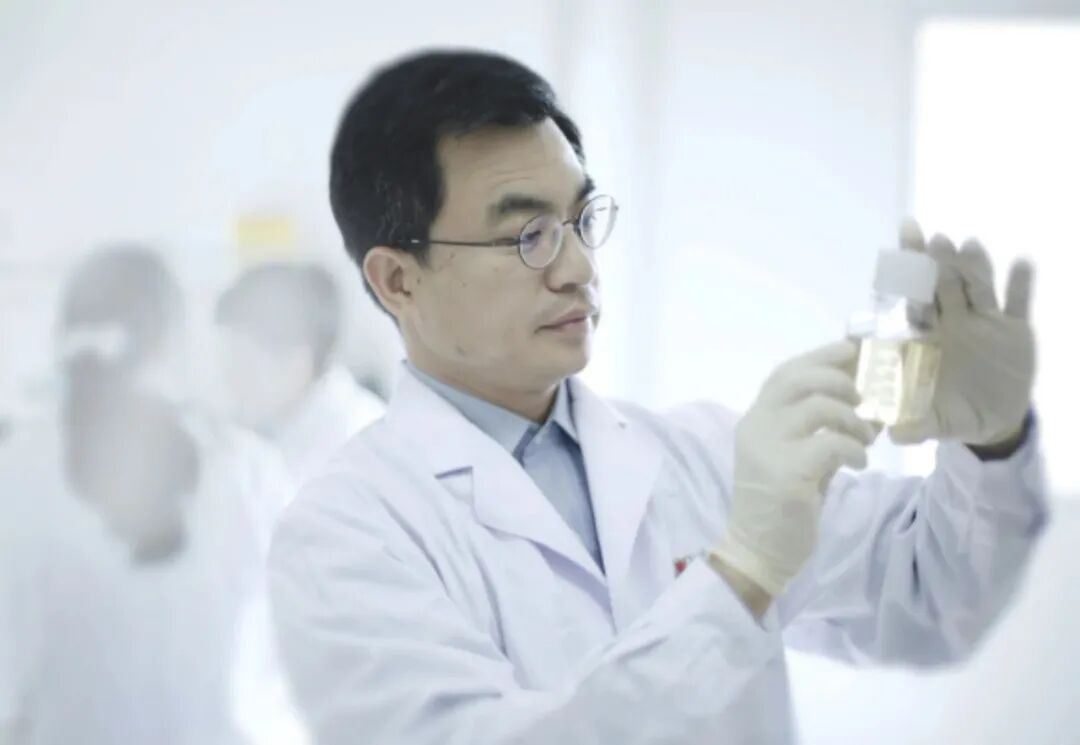
The vNKT immune cells used in this adoptive immunotherapy can rapidly kill cancer cells, including those that are insensitive to targeted drugs and immune-suppressing cells (MDSCs) that create immune escape opportunities for newly mutated cancer cells. The complementary nature of the treatments allows targeted drugs to “last longer”.
Targeted drugs have indeed changed the history of cancer treatment, but they are not magic wands. Instead, they are a relay race against the "evolution speed" of tumors. Understanding the truth about targeted drug treatment earlier will give you more treatment options.

Click to view past exciting content
Address: Room 1101 (Unit 101), 11th Floor, Building 1, No. 7 Courtyard, Kexueyuan Road, Life Science Park, Changping District, Beijing
Phone:010-8265 9866
Email:lehemedneo@hotmail.com