About Lehe
乐于心,和与众,与己乐,与人和; 心宽念纯,百病无生。


乐于心,和与众,与己乐,与人和; 心宽念纯,百病无生。


Why does cancer recur and metastasize suddenly after successful surgery? Even many patients who have been regularly undergoing follow-up examinations still find cancer recurrence or even metastasis?
You may not know that in a place rarely noticed by patients, there are cancer cells that are most adept at sneak attacks, and many people are even unaware of their existence. Cancer deaths 90%are due to cancer metastasis[1], which is one of the important driving forces behind the scenes.
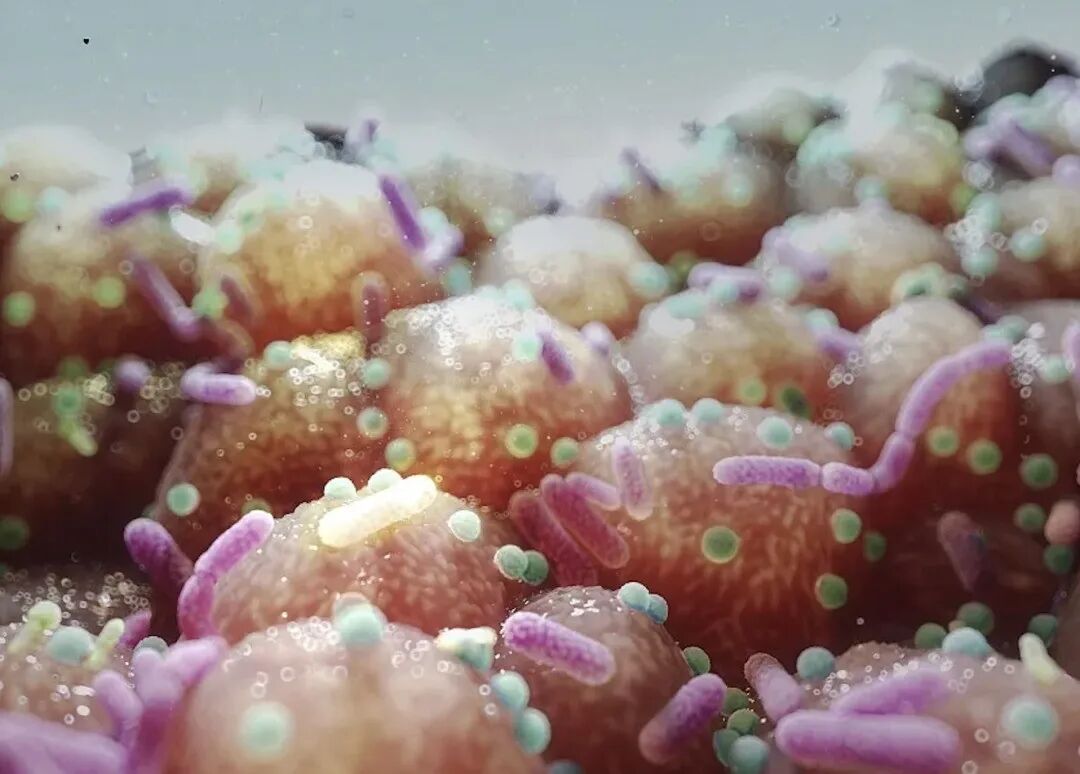
Minimal residual disease (MRD) is the scientific term for these sneaky attackers. After traditional treatments such as surgery, radiotherapy, and chemotherapy in the process of tumor treatment, no trace of tumor can be found in traditional imaging examinations and blood tumor marker tests, but this does not mean that cancer cells are not present.
A small number of cancer cells are still lurking in the form of single cells or small cell clusters , or in a latent or dormant state, quietly lurking and waiting to make waves again.
⚠️ Why are these minimal residual diseases so adept at sneak attacks?
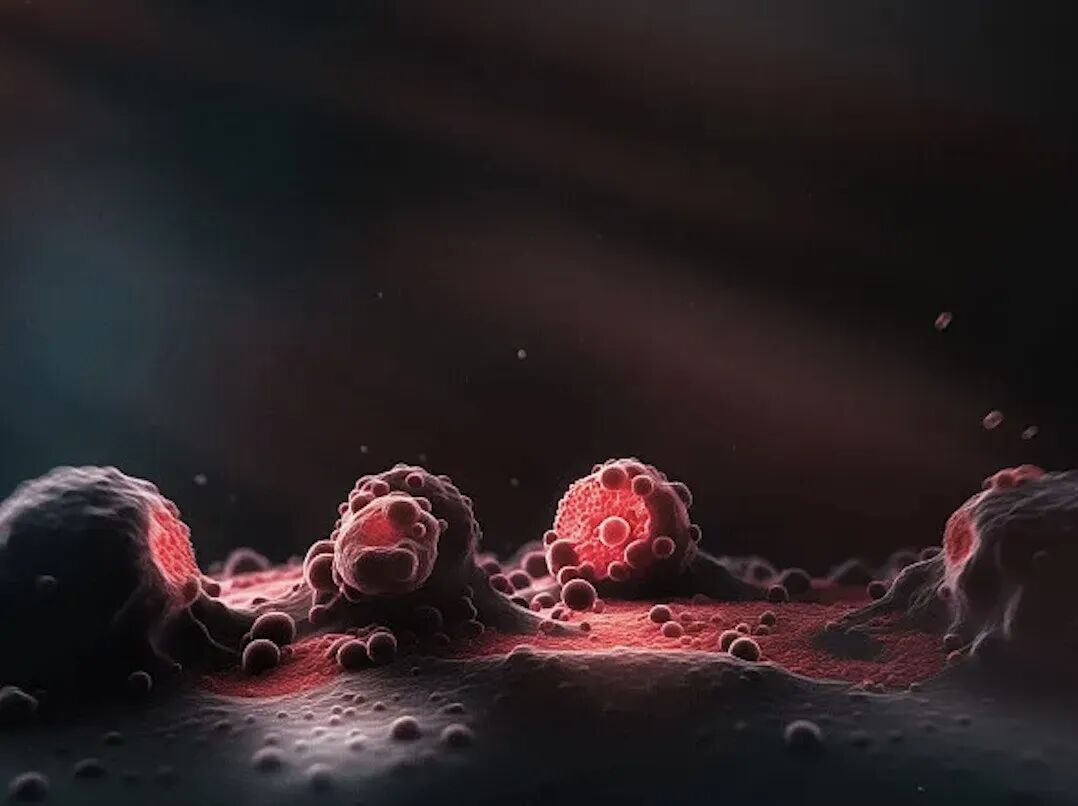
Limited by the limitations of examination methods, such as in imaging examinations, CT, MRIfind it difficult to detect lesions smaller than 5millimeters. In some special areas such as the brain and bones, specialized brain MRIor bone scans may even be required to detect these lesions. Under the cover of their small quantity, small size, and dormant nature, these tiny residual lesionsfollow the principle of "as long as the green mountains are there, there is no need to worry about firewood", becoming the seeds of recurrence and metastasis, evading multiple hurdles such as routine follow-up examinations and patient self-perception
The presence of minimal residual disease in tumor treatment is a high-probability event, but for these residual cancer cells to cause recurrence and metastasis, they need an opportunity to reactivate.
Patients with cancer-prone constitution are those with minimal residual disease having a chance to resurface.
Cancer occurrence is the result of the combined effects of internal and external factors. Cancer-prone constitution refers to an individual's physical state with a higher risk of developing cancer. The strength of the immune system's function constitutes an important defense line for whether the human body is prone to cancer .
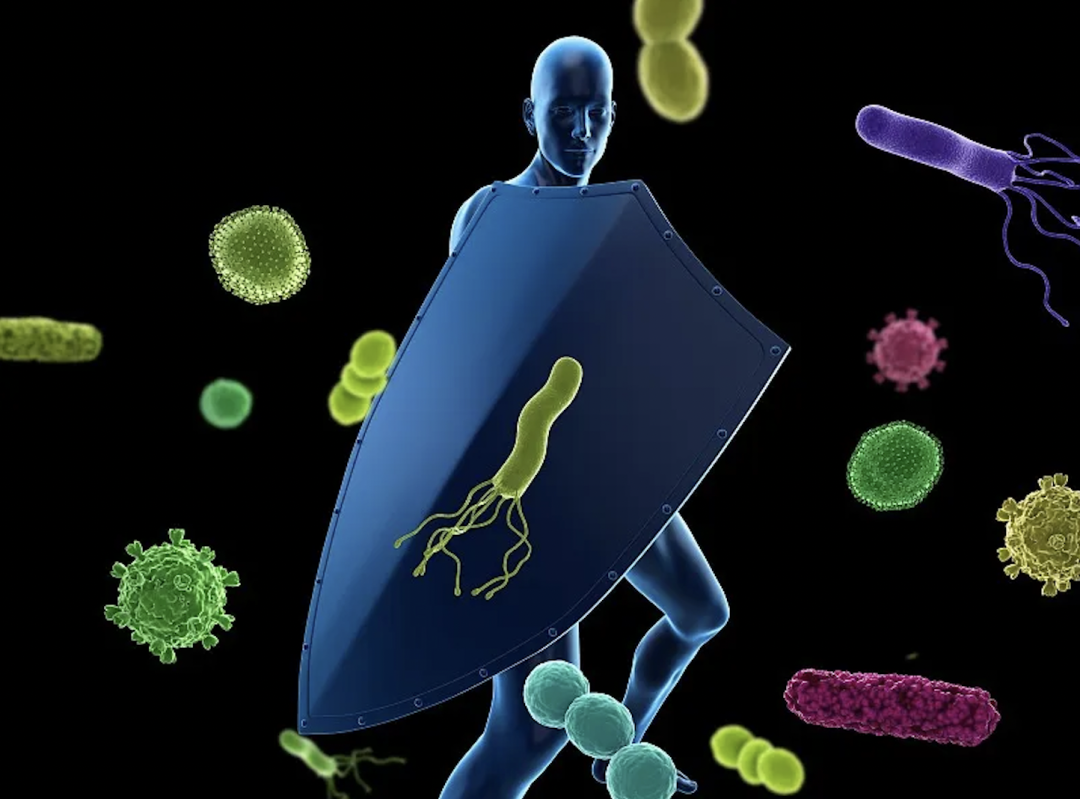
Firstly, under normal circumstances, cancer cells are monitored and cleared by the immune system. The occurrence of cancer is essentially a manifestation of significant vulnerabilities in the immune system.
Secondly, the tumor microenvironment has a significant impact on the occurrence, development, and immune escape of tumors. It inhibits the growth and activity of immune cells in the human body, and during the course of cancer in patients, both the quantity and quality of immune cells are insufficient.
Lastly, chemotherapy and radiotherapy are double-edged swords. While clearing cancer cells, they can also significantly damage immune cells in the body.
The above factors force cancer patients to start by transforming their immune environment as the first step towards eliminating their predisposition to cancer.
Breaking the immunosuppressive state. The immune system of cancer patients loses its ability to kill under the inhibition of the tumor microenvironment (TME). There are a large number of immunosuppressive cells in the tumor microenvironment, such as regulatoryTcells (Treg), marrow Cell derived suppressor cells (MDSCs), tumor associated macrophages (TAM), etc. To eliminate or suppress these “bad”cells, immune cell therapy is a more direct approach.
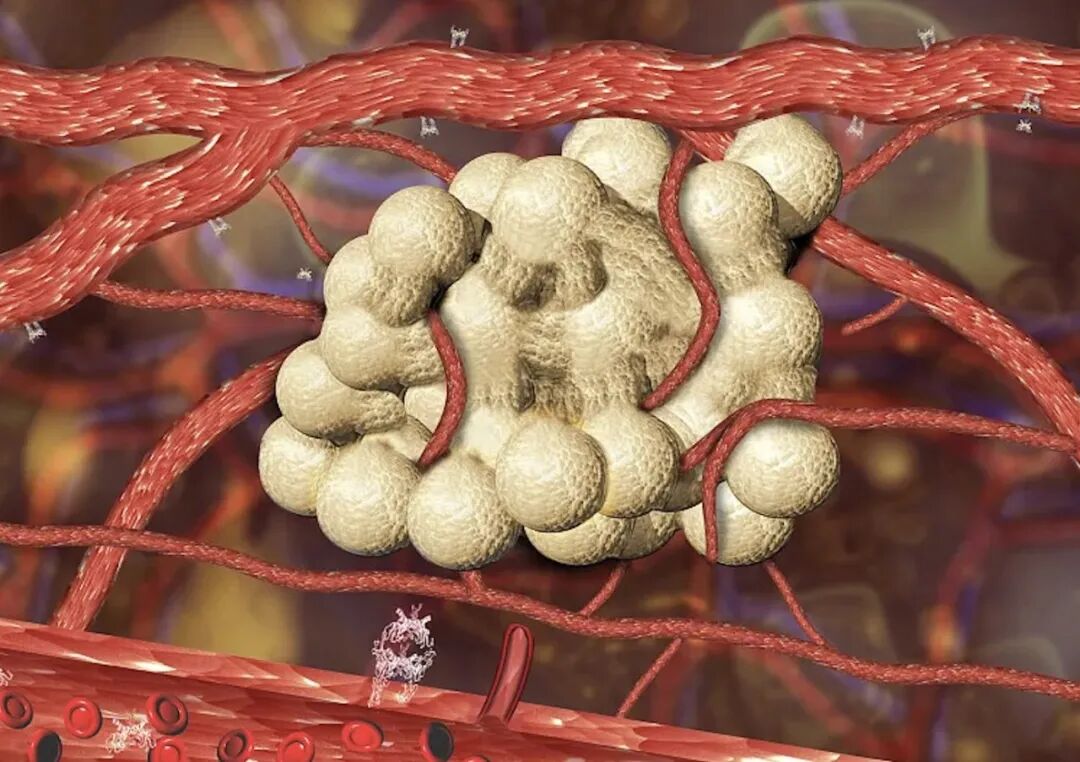
Professor Zhang Minghui's experimental team at Tsinghua University has discovered that vNKT cells can eliminate immunosuppressive cells, such as MDSCs, and possess important characteristics of both NK cells and CD8+ T cells. These cells exhibit dual abilities of non-specific and specific recognition of tumor cells, allowing them to rapidly kill tumor cells, achieving the dual effects of improving the tumor microenvironment and eliminating tumors. [2]。
Experimental conditions: In the presence of vNKT cells, after 16 hours, almost all B16 tumor cells were killed!
Reactivate the immune systemThe ideal state of cancer treatment is not only to kill cancer cells, but also to activate the patient's own anti-cancer immunity. Adoptive cell immunotherapy is a method of delivering processed autologous or allogeneic immune cells or molecules to the patient to enhance their cellular immune function. For example,vNKT
If you or your family members are in a confused period of cancer treatment, or in a treatment window after surgery, radiotherapy, and chemotherapy, and have no follow-up treatment plan, you can↓click the button to contact us for exclusive prevention of recurrence and metastasis.

Reference source:< H51>
[1]Chaffer CL, Weinberg RA. A perspective on cancer cell metastasis. Science. 2011; 331 (6024): 1559-1564.
[2]Li, Z., Y. Wu, C. Wang and M. Zhang. (2019)."Mouse CD8 (+) NKT like cells exercise dual cytotoxicity against mouse tumor cells and myeloid derived suppressor cells."Cancer Immunotherapy 68 (8): 1303-1315.
Click to view past science popularization


Address: Room 1101 (Unit 101), 11th Floor, Building 1, No. 7 Courtyard, Kexueyuan Road, Life Science Park, Changping District, Beijing
Phone:010-8265 9866
Email:lehemedneo@hotmail.com