About Lehe
乐于心,和与众,与己乐,与人和; 心宽念纯,百病无生。


乐于心,和与众,与己乐,与人和; 心宽念纯,百病无生。


Compared to expensive nutritional supplements that often cost hundreds or thousands of yuan, apples, which can be bought in a large bag for just tens of yuan, have surprisingly become a cancer-fighting food jointly recommended by a group of "big names in science" including the American Institute for Cancer Research! Benefits for colorectal cancer, breast cancer, lung cancer, and ovarian cancer have been confirmed through research. Autumn and winter are the best seasons for apples to be in season and delicious. Today's article tells you how much to eat and how to eat them better !
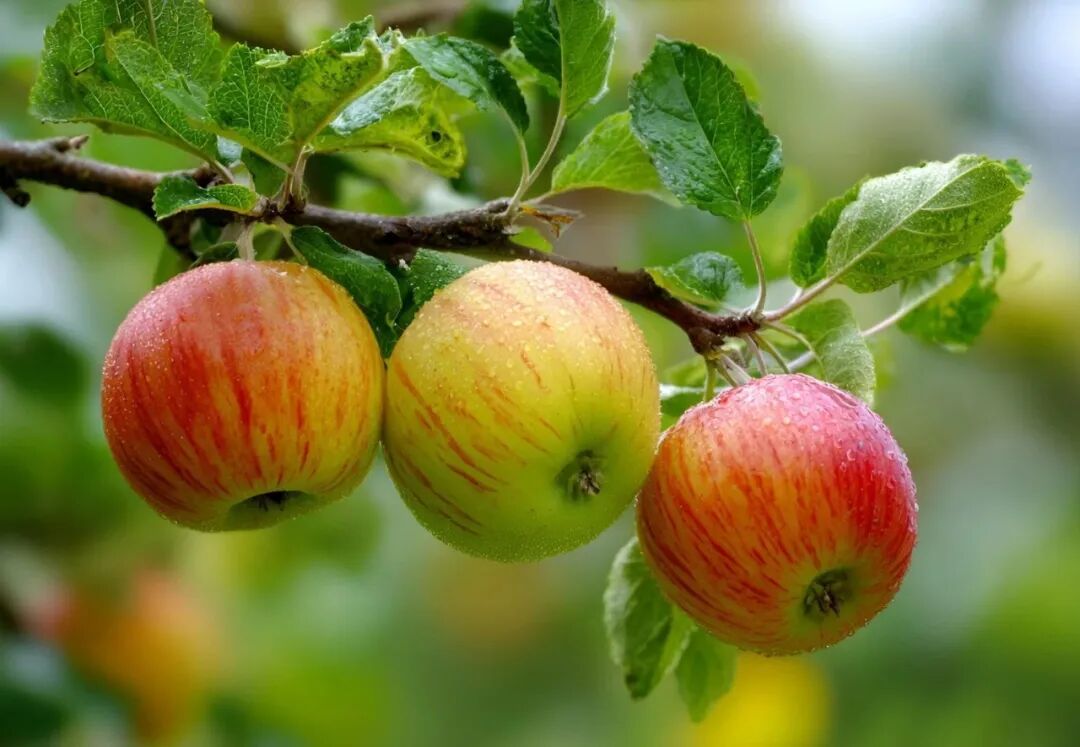
Breast cancer patients often eat apples:
As early as 2012, a study published in "Nutrition and Cancer" confirmed that compared to people who consumed less than 12.51grams of apples per day, which are representative of fruits in the Rosaceae family, those who consumed more than 91.13grams per day had a significantly reduced risk of breast cancer by 16%[1].
The triterpenes, flavonoids, organic acids and phytosterols in apple peel can inhibit the proliferation of breast cancer cells[2].
Colorectal cancer patients often eat apples:< H199>
Multiple studies have shown a close association between eating apples and a reduced risk of colorectal cancer. Data shows that compared to people who do not eat apples,63%The decrease in colorectal cancer risk is related to eating apples[3].
Lung cancer patients often eat apples:
Ovarian cancer patients often eat apples:
Quercetin is a common phytochemical with high content in apples. Quercetin has a unique role in inducing apoptosis of ovarian cancer cells, with an apoptosis rate of up to< H297>40.9%, Can better protect normal cells[5].
We often hear the saying, "An apple a day keeps the doctor away." Apples are more like a "functional fruit" that safeguards human health and resists cancer invasion. Apart from the well-known vitamins in apples, there are also ...
① Quercetin, which doubles the nutrition of apples
Quercetin is a flavonoid compound that has anti-inflammatory, antioxidant, and immune-regulating effects. Its "charming feature" is that it can exert cytotoxic effects on cancer cells through various mechanisms, yet it does not affect healthy cells. Quercetin in apples is mainly hidden in the peel. When you eat apples later, remember to take the peel with you.~
② Apple peel triterpenoids
Apple peel triterpenoids are triterpenoids contained in apple peel, which are a natural antioxidant. It can eliminate free radicals in the body and inhibit the proliferation of breast cancer cellsMCF-7and liver cancerHepG2[6]
③ Pectin
Apples have the highest pectin content among common fruits. Pectin is a water-soluble fiber that can provide nutrients for beneficial bacteria in the intestine. A healthy intestinal environment helps enhance immune function and indirectly reduce the risk of cancer. It also has benefits for blood sugar regulation and cholesterol reduction.
1、 Eating with skin on a daily basis
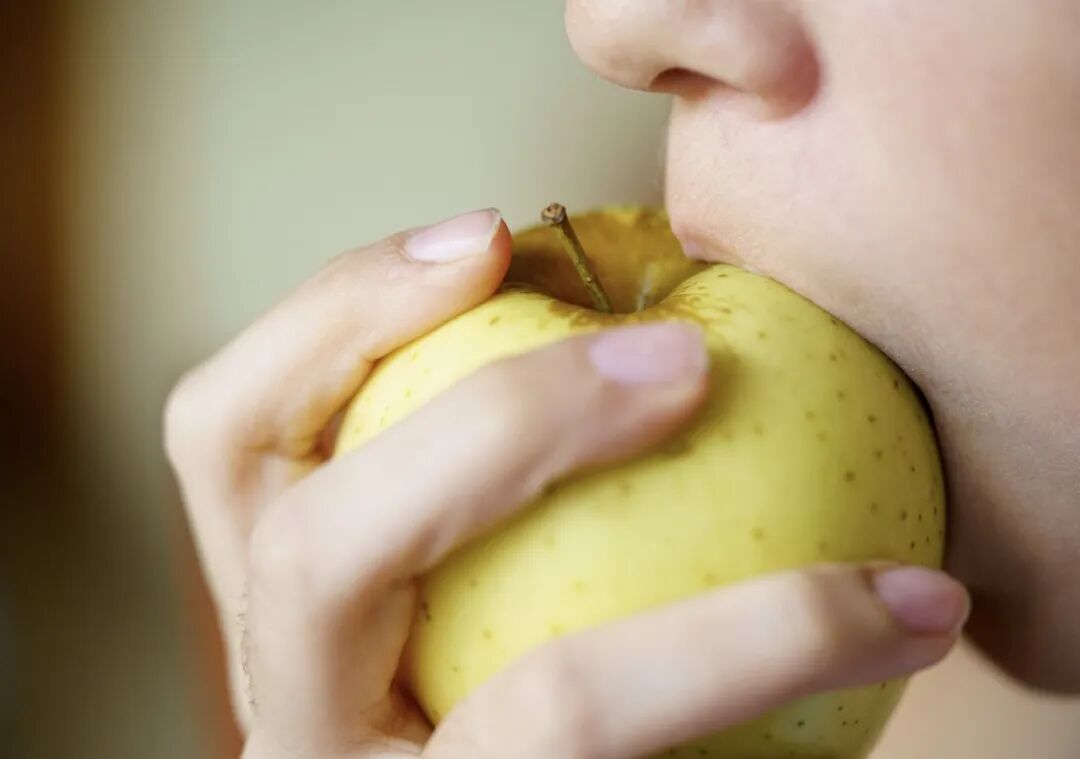
It is not difficult to see from the above content that many nutrients of apples are found in the skin. If you want high quercetin content, try to choose red apples with skin on.
2、 Steaming apples to calm gastrointestinal sensitivity during chemotherapy
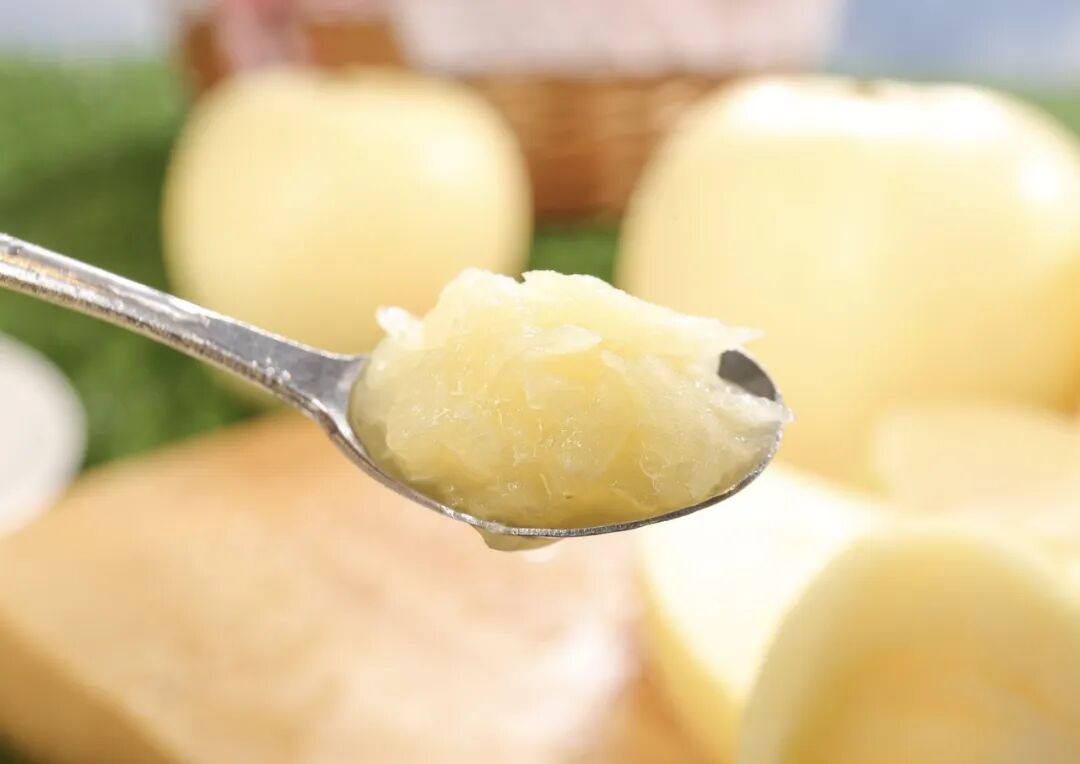
Chemotherapy often leads to gastrointestinal reactions such as nausea, vomiting, and diarrhea. The pectin in steamed apples is converted into ripe pectin after heating, which has astringent and antidiarrheal effects, can help alleviate diarrhea, and reduce gastrointestinal irritation. It is suitable for patients with weak gastrointestinal function after chemotherapy.
Apples are not a miracle drug for "killing cancer", but a good helper in the prevention, recovery, and adjuvant treatment stages.. It is not a substitute, but it may be a daily boost to your immune system. In autumn and winter, it is the season when various apples are in season, which are not only cheap but also delicious. Tell your family members to eat them now! ~
References:
[1] Fruit, vegetable, and animal food intake and breast cancer risk by hormone receptor status. Nutr Cancer. 2012 Aug;64(6):806-19. doi: 10.1080/01635581.2012.707277
[2]Ali Tahir Sair, Yitong Li, Weiyang Zhao, Tong Li, Rui Hai Liu,Anticancer activity of apple peel extracts against human breast cancer cells through insulin-like growth factor-1 signal transduction pathway,Journal of Agriculture and Food Research,Volume 11,2023,100507,ISSN 2666-1543,https://doi.org/10.1016/j.jafr.2023.100507.
[3]Annema N, Heyworth JS, McNaughton SA, Iacopetta B, Fritschi L. Fruit and vegetable consumption and the risk of proximal colon, distal colon, and rectal cancers in a case-control study in Western Australia. J Am Diet Assoc. 2011 Oct;111(10):1479-90. doi: 10.1016/j.jada.2011.07.008. PMID: 21963014.
[4]Boyer J, Liu R. Apple phytochemicals and their health benefits. Nutrition Journal. 2004;3(1).
[5]Vafadar A, Shabaninejad Z, Movahedpour A, Fallahi F, Taghavipour M, Ghasemi Y, Akbari M, Shafiee A, Hajighadimi S, Moradizarmehri S, Razi E, Savardashtaki A, Mirzaei H. Quercetin and cancer: new insights into its therapeutic effects on ovarian cancer cells. Cell Biosci. 2020 Mar 10; 10:32. doi: 10.1186/s13578-020-00397-0. PMID: 32175075; PMCID: PMC7063794.
[6]SAIR A T, LI Y T, ZHAO W Y, et al. Anticancer activity of apple peel extracts against human breast cancer cells through insulin-like growth factor-1 signal transduction pathway[J]. Journal of Agriculture and Food Research, 2023, 11: 100507. DOI:10.1016/j.jafr.2023.100507.
Click to view past science popularization


Address: Room 1101 (Unit 101), 11th Floor, Building 1, No. 7 Courtyard, Kexueyuan Road, Life Science Park, Changping District, Beijing
Phone:010-8265 9866
Email:lehemedneo@hotmail.com