About Lehe
乐于心,和与众,与己乐,与人和; 心宽念纯,百病无生。


乐于心,和与众,与己乐,与人和; 心宽念纯,百病无生。


Since the outbreak of COVID-19, many people have been preparing some commonly used medications at home, among which antibiotics are definitely a must. You may not be familiar with the name "antibiotic". If we mention cephalosporin, amoxicillin, azithromycin, penicillin, levofloxacin, metronidazole, etc., can you find one or two boxes of them in your home? China is the country with the largest consumption of antibiotics globally, especially in the past few years since the pandemic. While everyone is taking antibiotics for antibacterial and anti-inflammatory purposes, in places unseen, antibiotics indiscriminately eradicate bacteria, causing massive destruction to our largest immune organ, the gut microbiota, leading to diarrhea, decreased immunity, and even long-term health issues.
The involvement of gut microbiota in various physiological and pathological processes is beyond our imagination. The latest research has found the best way to quickly repair gut microbiota after using antibiotics..
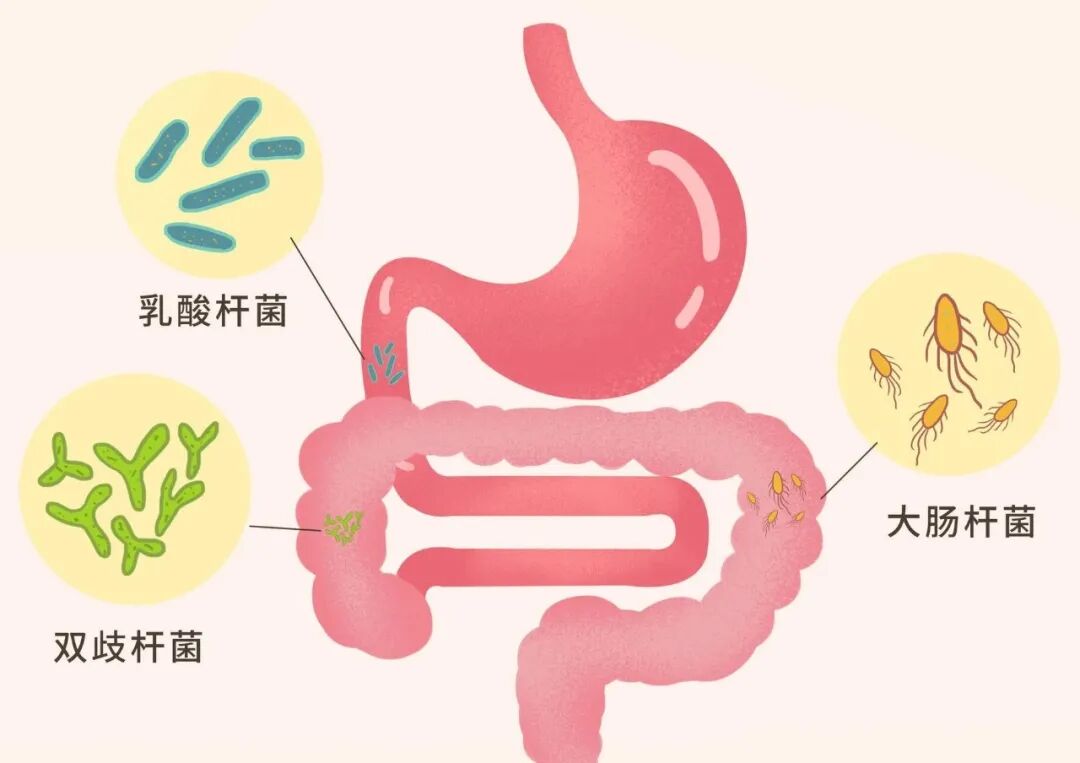
A recent study published in the journal Nature suggests the best approach:Dietary fiberComplex carbohydrates such asKeyEat high fiber and low Mice on a standard fat diet, with only4, showed a basic recovery of gut microbiota in just one day.; And a high-fat, low-fiber Western dietcan induce dysbiosis, with gut microbiota diversity even falling below one-thirdof the original level, significantly slowing down the gut microbiota reconstruction process after antibiotic treatment, and long-term dysbiosis can make the host more susceptible to pathogen infection. [1]
A landmark study conducted by the University of Chicago in 2025revealed that the gut microbiota recovery rate in the high-fiber diet group was four times faster than that in the low-fiber group4times faster[1]!
Therefore, after taking antibiotics, it is best to eat more vegetarian food!

Research has found that when dietary fiber is broken down by gut microbiota, it simultaneously produces a large amount of short-chain fatty acids (SCFA), such as propionate and butyrate. These short-chain fatty acids can reduce inflammation levels, enhance the gut's ability to resist pathogenic bacteria, and serve as a nutrient source for intestinal cells.
If you consume less than 20 grams of dietary fiber per day, , it means that your gut microbiota is not being properly nourished. According to the recommendations of the "Chinese Dietary Reference Intakes for Nutrients (2023 edition)", adults aged 18 and above should consume 25-30 grams of dietary fiber per day. Individuals who have taken antibiotics require more dietary fiber, and based on the calculation of 30 grams per day, you need to consume approximately 250 grams of fruits + 500 grams of green leafy vegetables + 100 grams of coarse and miscellaneous grains per day.
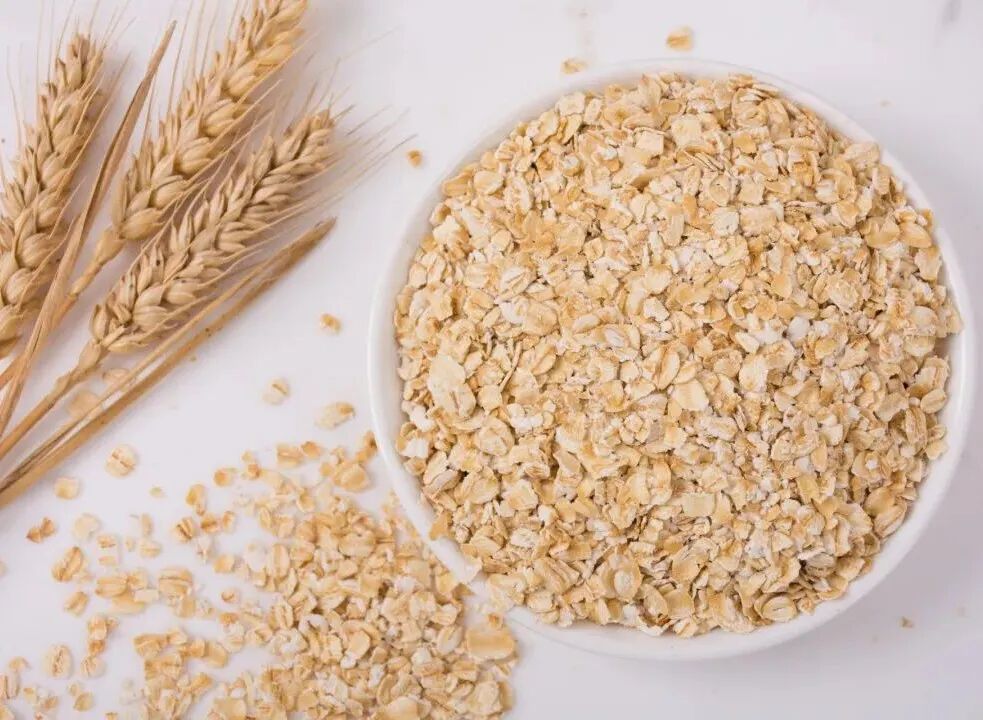
I. Whole Grains (preferably unrefined)
Recommended intake: 50-150g per day(accounting for more than 1/3 of staple food)
Core function: Provides insoluble fiber to promote intestinal peristalsis and repair the intestinal barrier.
High fiber representatives:
▶ Oats (each 50g contains 5.2g fiber): water-soluble dietary fiber, the king of cereal dietary fiber
▶ Brown rice/ black rice (each 100g contains 3.5g): retains bran and germ, rich in B vitamins
▶ Quinoa/Buckwheat (containing 7gper 100g): contains essential amino acids and resistant starch
II. Legumes and legume products (intestinal flora "fuel depot")
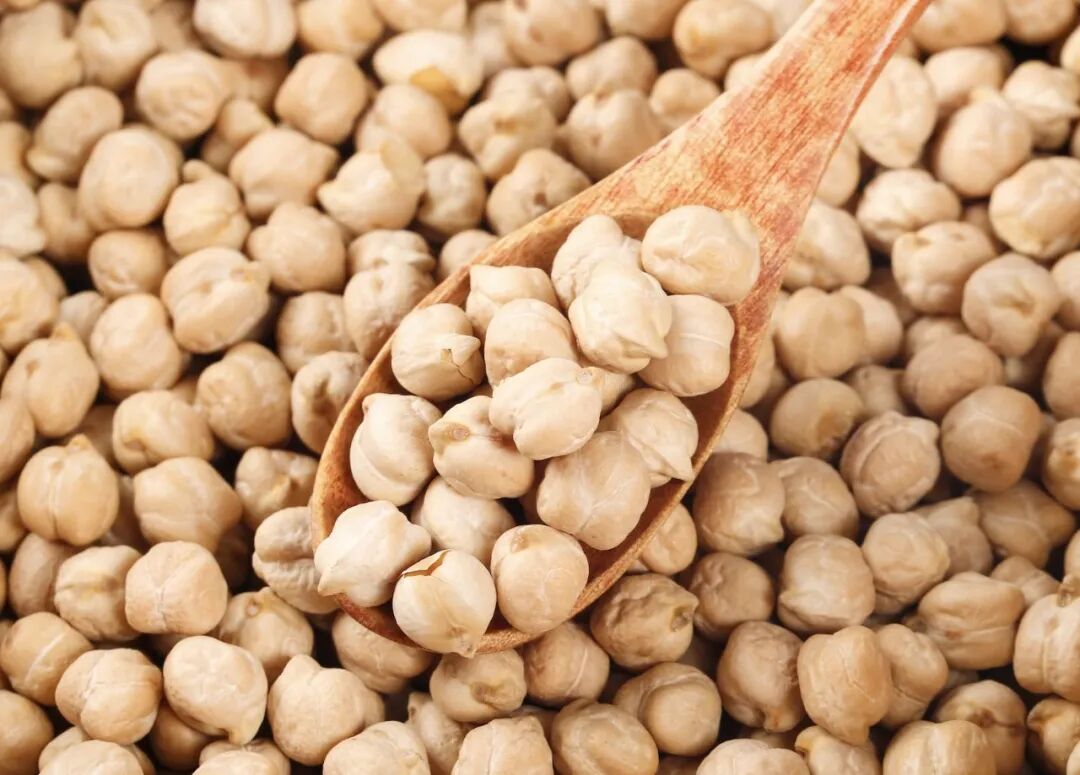
Recommended intake: 30-50g of dried legumes or 100g of legume products
per day. Core function: Soluble fiber (oligosaccharides) promotes the proliferation of probiotics and inhibits pathogenic bacteria.
High fiber representatives:
▶ Chickpeas (each 100gcontains 17gfiber): produce short-chain fatty acids after fermentation
▶ Black beans/red beans (each 100gcontains 16g): rich in polyphenols for anti-inflammatory effects
▶ Natto/edamame: soy isoflavones and fiber synergistically regulate gut microbiota
3. Vegetables (preferably dark-colored and cruciferous)
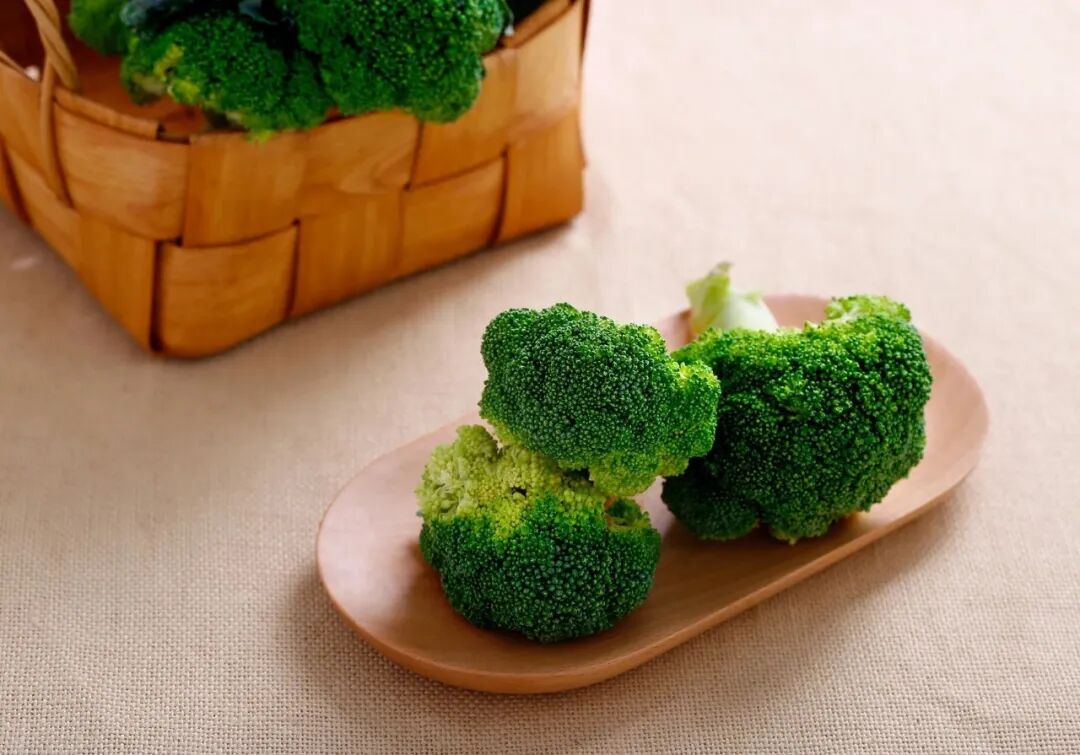
Recommended intake: daily 500gor more (weight before cooking)
Core function: mixed fiber balances intestinal pHvalue, provides sulfide to repair the mucosa.
High fiber representatives:
▶ Broccoli/Kale (per 200gcooked weight contains 5.6g): glucosinolates activate detoxification enzymes
▶ Okra/Yam (mucus contains pectin): protects the intestines from antibiotic residue stimulation
▶ Mushrooms (fresh product300gcontains 6g): β-glucan enhances immunity
IV. Fruits (with skin, low glycemic index)
Recommended intake: daily 200-350g
Core function: pectin adsorbs toxins, polyphenols inhibit the spread of drug-resistant genes.
High fiber representatives:
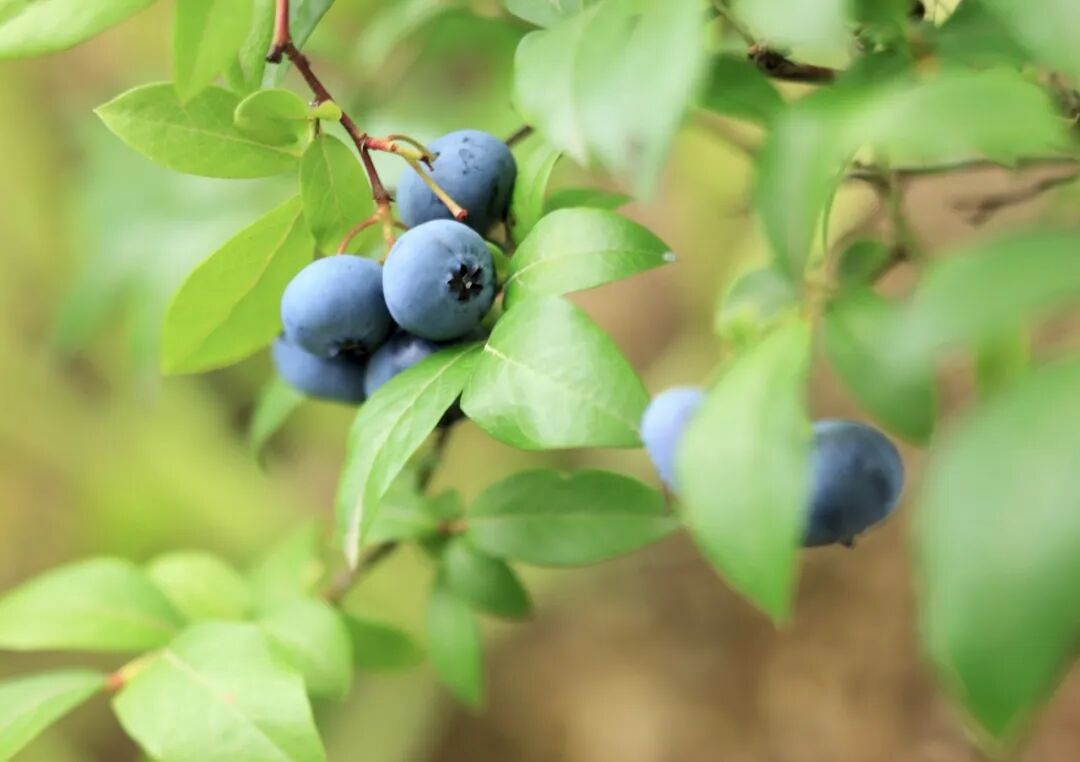
▶ Berries (blueberries/raspberries, each100g containing4-8g): anthocyanins inhibit E. coli biofilm
▶ Apples/pears (eaten with skin): pectin promotes bifidobacteria colonization
▶ Avocado (each100g containing6.7g): monounsaturated fatty acids synergize with fiber to repair the intestine
5. Nuts and seeds (calories need to be controlled)
Recommended intake: daily10-20g
Core function: insoluble fiber mechanically stimulates the intestine, ω-3 anti-inflammatory.
High fiber representatives:
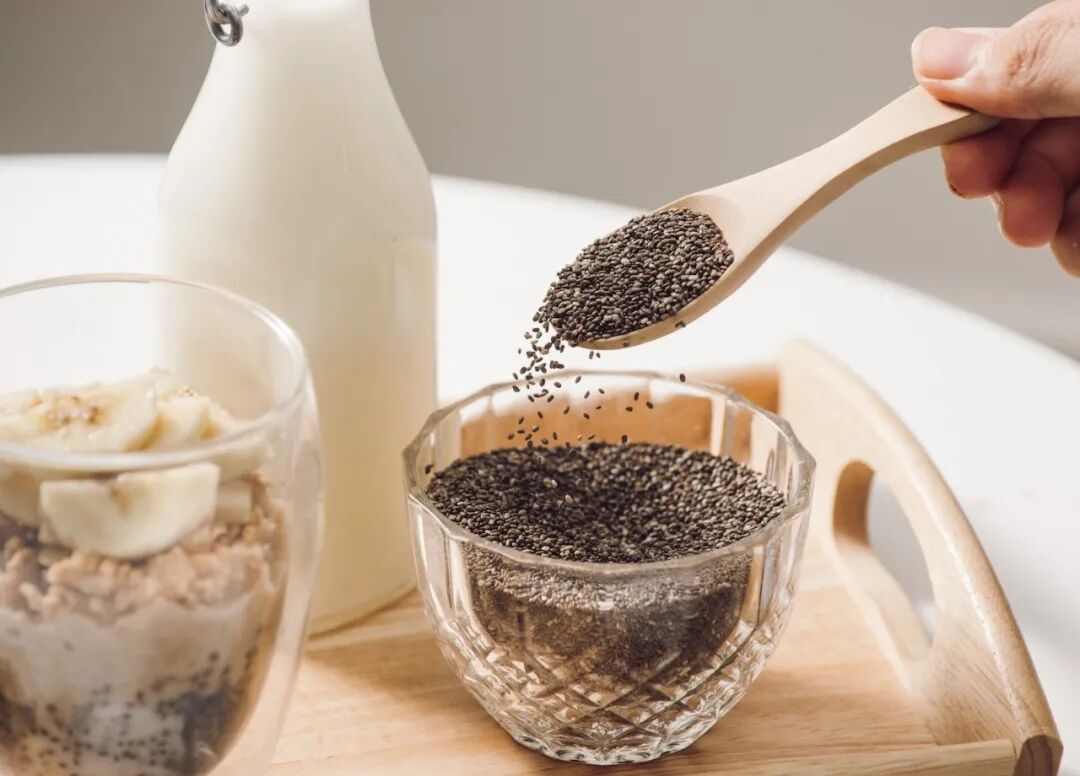
▶ Chia seeds/Flax seeds (each 15gcontains 5gfiber): swells in water to form a gel
▶ Almonds/Walnuts: reduce inflammation
Special reminder: be sure to drink plenty of water when eating a high fiber diet!
The combination of the above foods can precisely cover the daily dietary fiber requirements while repairing the intestinal microecological damage caused by antibiotics. Quickly forward this useful health knowledge to your family and friends. ~
Reference source:
[1]Kennedy, M.S., Freiburger, A., Cooper, M. et al. Diet outperforms microbial transplant to drive microbiome recovery in mice. Nature (2025). https://doi.org/10.1038/s41586-025-08937-9
[2]Dietary Reference Intakes for Chinese Residents (2023 Edition)

Click to view past science popularization

Address: Room 1101 (Unit 101), 11th Floor, Building 1, No. 7 Courtyard, Kexueyuan Road, Life Science Park, Changping District, Beijing
Phone:010-8265 9866
Email:lehemedneo@hotmail.com