About Lehe
乐于心,和与众,与己乐,与人和; 心宽念纯,百病无生。


乐于心,和与众,与己乐,与人和; 心宽念纯,百病无生。


"Doctor, how long do I have left to live?"

This is almost the question every cancer patient wants to confirm with their doctor after learning about their condition.
The days after being diagnosed with cancer are undoubtedly difficult for every patient, but today, I am going to tell you a different answer.
Among cancer patients, there is a group of people who have lived for 10years, 15years, or even longer. The secret to becoming a 'long-term survivor' is not some highly priced special medicine, but rather sticking to 3 practical things. Don't think it's too simple!
Many people who have been diagnosed with cancer tend to isolate themselves, avoid socializing, and even find it too troublesome to step out of their daily routines. Actually, this is not your fault, but rather an active choice made by the brain to avoid socializing after falling ill[1]. However, in the fight against cancer, this social avoidance may cause you to miss out on some hidden benefits related to anti-cancer efforts.
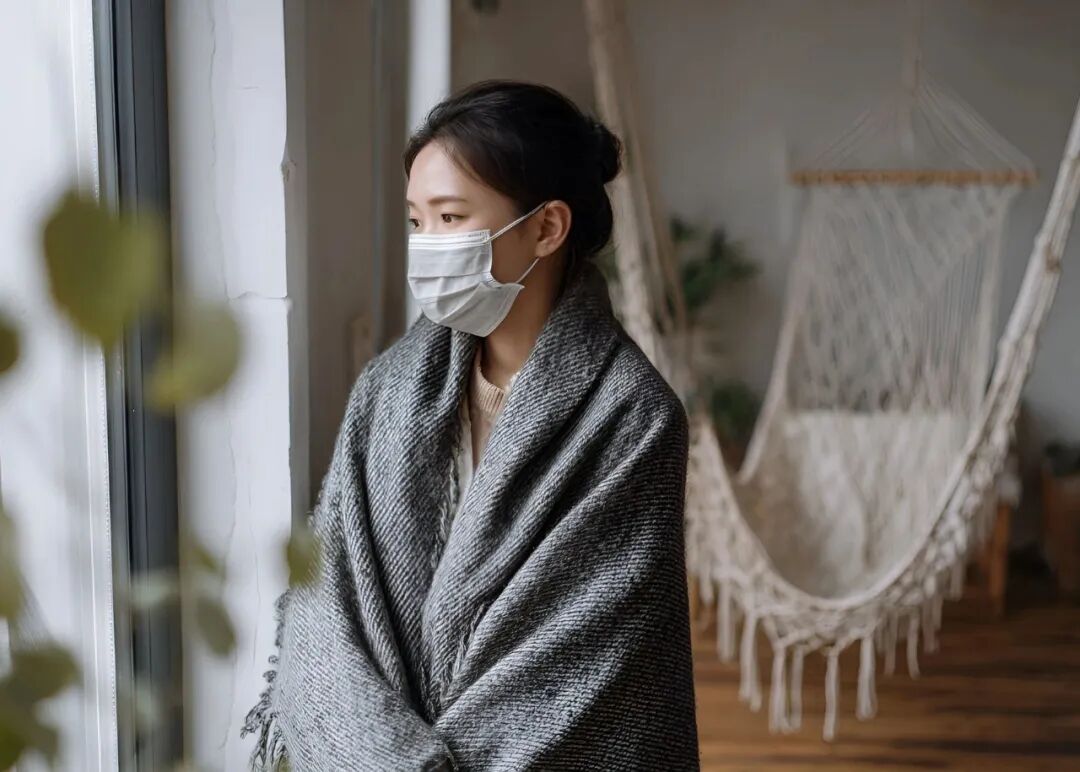
Research has observed that among cancer patients, those who have survived for a long time are mostly very good at "finding fun"/, have their own hobbies and interests, and are willing to share them with the people around them. This positive social interaction is not merely a psychological comfort, but can tangibly assist in anti-cancer efforts through neural and immune mechanisms. Studies have shown

[2] that social interaction can activate glutamatergic neurons in the anterior cingulate cortex (ACC) region of the brain. These activated neurons project to the basolateral amygdala (BLA) through specific neural pathways, thereby suppressing sympathetic nerve activity within the tumor, ultimately achieving the effect of slowing tumor growth.
At the same time, social interaction also significantly increased the proportion of anti-cancer immune cells, specifically CD4+ and CD8+ T cells, while reducing the proportion of myeloid-derived suppressor cells (MDSCs) and regulatory T cells (Tregs). This change indicates that the immunosuppressive environment of the tumor has been disrupted, making the body more capable of killing cancer cells.
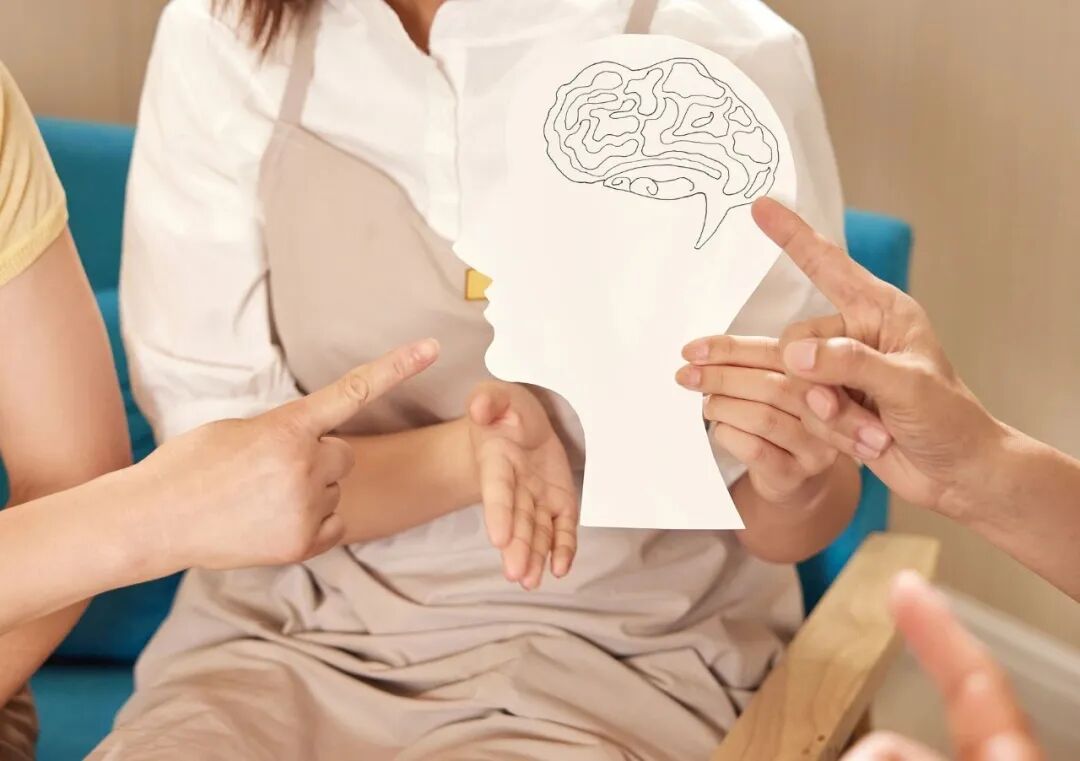
For cancer patients, social interaction is not just about companionship; it is by no means a "placebo". Lying around and recuperating every day is not anti-cancer. To achieve long-term survival, one must return to their daily life.
Cancer is a systemic disease. With the rapid advancement of treatment methods, relying solely on "one doctor, one knife" is no longer sufficient. Cancer patients who have survived for 10 years share a common trait: they understand that compliance with medication and timely chemotherapy are merely the "passing mark". Treating the disease as a chess game, anticipating and planning every move 3 steps ahead, and proactively guarding against side effects, drug resistance, and recurrence are the advanced survival techniques.
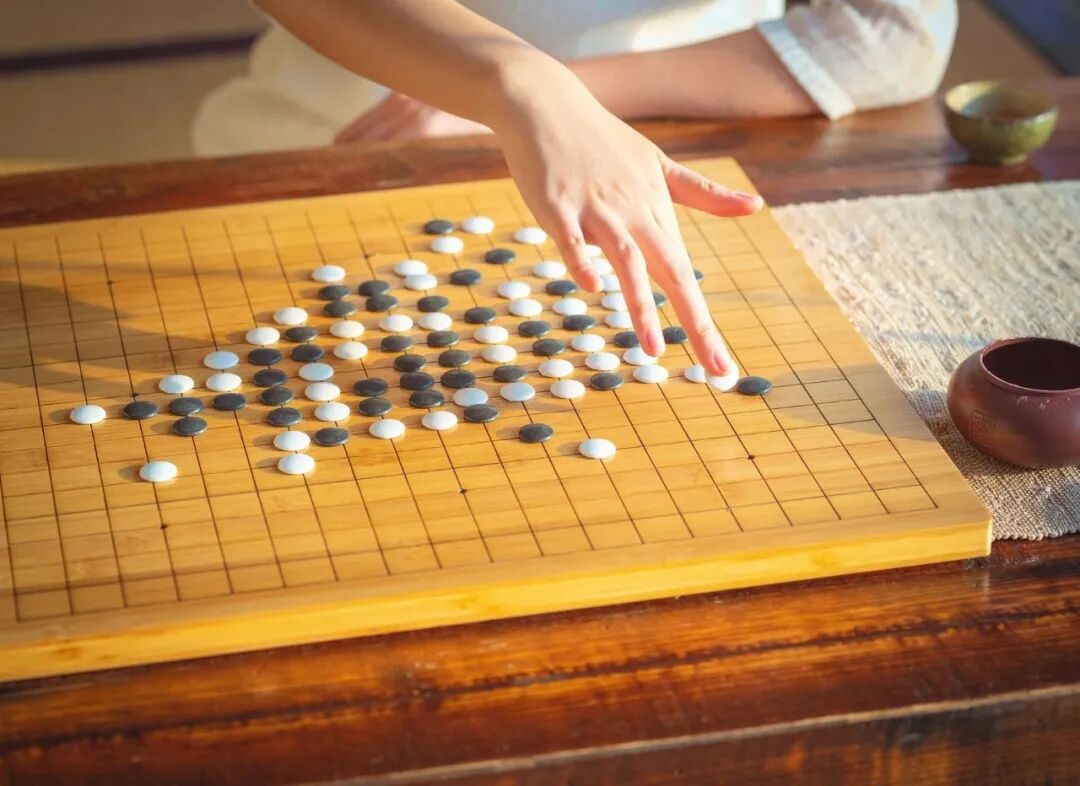
A study covering lung cancer, breast cancer, colorectal cancer, cervical cancer, bladder cancer, and other 17high-incidence cancers reveals that treatment delay is closely related to patients' risk of death. Every 4 weeks will bring patients across a threshold in risk of death, with a delay of 4 weeks increasing the risk by 10%, soaring to 20% after 8 weeks, and further surging to 31%[3] after 12 weeks.
Therefore, for cancer patients, being "one step ahead" is a crucial ability, and they should never wait for recurrence or metastasis to occur ." Even after chemotherapy, be wary of these types of cancers with these characteristics! Targeted drug therapy for cancer: the sooner you know these 3 truths, the better Who is the biggest enemy of cancer patients? Cancer cells can only rank second What is the difference between cancer patients and ordinary people? The immune system can be said to directly affect the development and treatment effect of the disease. After treatments such as surgery, chemotherapy, and radiotherapy, many people think that the treatment is over, but long-term survivors know that the real battle has just begun. Whether intentionally or unintentionally, they all do one thing: to "re-mount" the damaged immune system, regain control, and take over the residual cancer cells to keep them dormant for a long time Micro-residual disease, also known as minimal residual disease (MRD), refers to a small number of residual cancer cells that cannot be detected by routine examinations after surgery, chemotherapy, radiotherapy, or bone marrow transplantation. Over time, these cells may become active again and start multiplying, ultimately leading to recurrence or metastasis. To solve this "little trouble", chemotherapy, surgery, radiotherapy, and targeted drugs have limited effects, and ultimately it depends on the immune system to eliminate them. Many cancer patients are not aware of this, nor do they know how to strengthen their immune system after surgery. At the end of the article, we have prepared an "immune prescription" for everyone to claim. Facing cancer, it's never about fighting the disease head-on, but rather about cooperating with the body. With more patience, acceptance, and initiative, the body will respond better to you. Looking back at those who have successfully survived cancer for over 10years, they may have even reached the late stages of cancer, but they have turned the three things—life, treatment, and immunity—into habits and integrated them into their daily lives, creating records of long survival. May the next 10years, 20years, you can also share your answer with us~ Benefits at the end of the article, leave a comment "I want strong immunity" to receive the immune prescription prepared by Professor Zhang Minghui for everyone~ Reference sources: [1]Yang, L., et al. (2025). IL-1R1-positive dorsal raphe neurons drive self-imposed social withdrawal in sickness. Cell. Advance online publication. https://doi.org/10.1016/j.cell.2025.11.024 [2]Wen HZ, Xiong SY, Lou YX, Yang SZ, Sun L, Yi YL, Tang BQ, Shu Q, Wang ZQ, Yan XJ, Wu YR, Chen PH, Qi XW, Zhang Y, Dai LM, Xiong Y, Wu GY. Social interaction in mice suppresses breast cancer progression via a corticoamygdala neural circuit. Neuron. 2025 Jul 29:S0896-6273(25)00509-4. doi: 10.1016/j.neuron.2025.07.002. Epub ahead of print. PMID: 40752486. [3]Hanna, G. B., Birtle, A., Karthikesalingam, A., & George, J. (2020). Association between delay in cancer treatment and mortality: systematic review and meta-analysis. BMJ, 371, m4087. https://doi.org/10.1136/bmj.m4087. Click to view past science popularization




Address: Room 1101 (Unit 101), 11th Floor, Building 1, No. 7 Courtyard, Kexueyuan Road, Life Science Park, Changping District, Beijing
Phone:010-8265 9866
Email:lehemedneo@hotmail.com