About Lehe
乐于心,和与众,与己乐,与人和; 心宽念纯,百病无生。
乐于心,和与众,与己乐,与人和; 心宽念纯,百病无生。


For cancer patients, the most "unworthy" thing is to take the wrong medicine, which may not only fail to exert normal efficacy, but also bring side effects, and seriously endanger life.
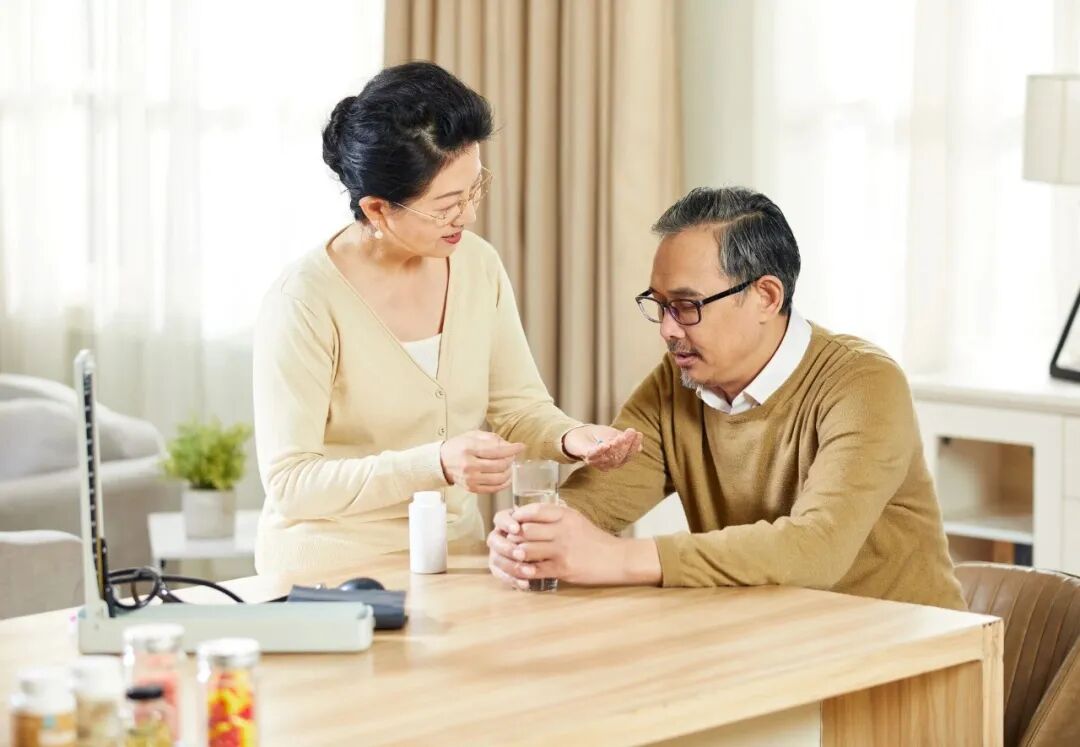
Today, let's talk about taking medicine, it's not as simple as taking it into your stomach!
Some medications require taking on an empty stomach, some with meals, and some after meals, and even before bedtime? The reason for these different medication times is not that drug developers are making things difficult for themselves, but rather to determine the optimal time for medication to ensure safety and efficacy. Don't make any mistakes.
▶ Taking medication on an empty stomach
You should never think that taking medication on an empty stomach will damage your stomach. Medications such as erlotinib, afatinib, darafenib, and pazopanib need to be taken on an empty stomach to reduce the dissolution of the medication by stomach acid, allowing it to reach the small intestine faster and more smoothly for absorption, while also reducing the impact of food on drug absorption.
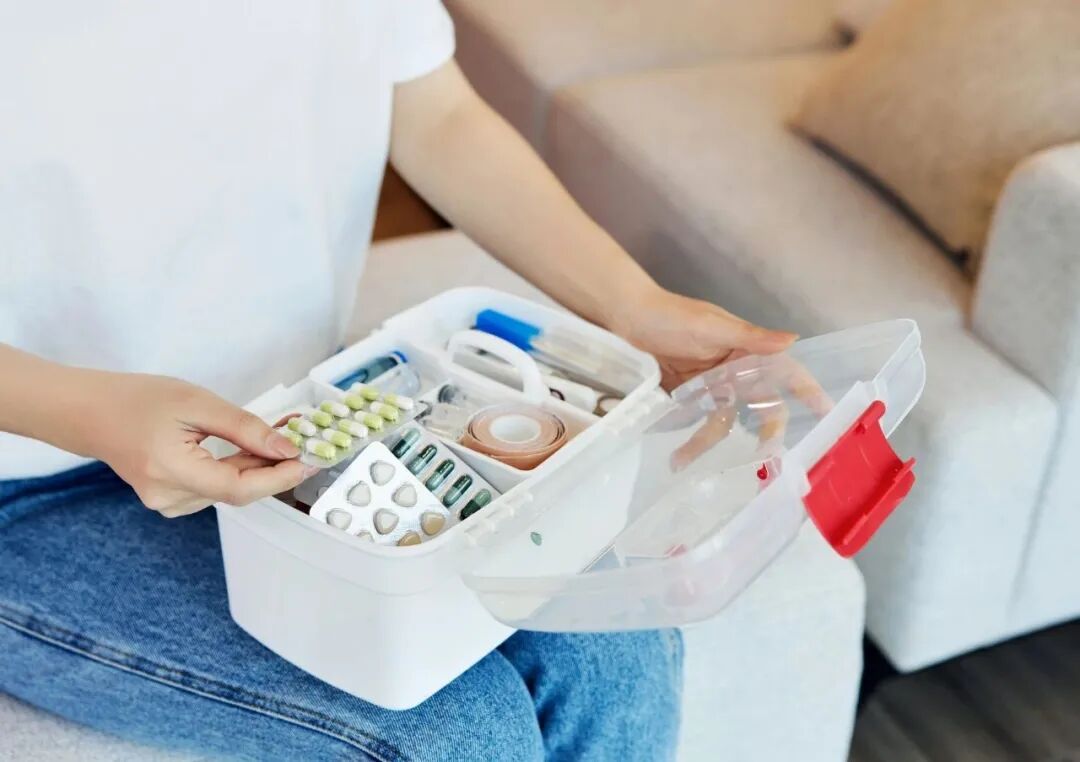
Taking medication on an empty stomach is usually one hour before meals or two hours after meals.
▶ Take medication with meals
Some drugs, such as seretilide, pirlotinib, and apatinib, are fat-soluble. Taking them with meals allows for better dissolution in the stomach, prolongs their retention and transit time in the gastrointestinal tract, and thus enhances drug absorption. Additionally, for drugs prone to gastrointestinal adverse reactions, consuming them with food can alleviate symptoms.
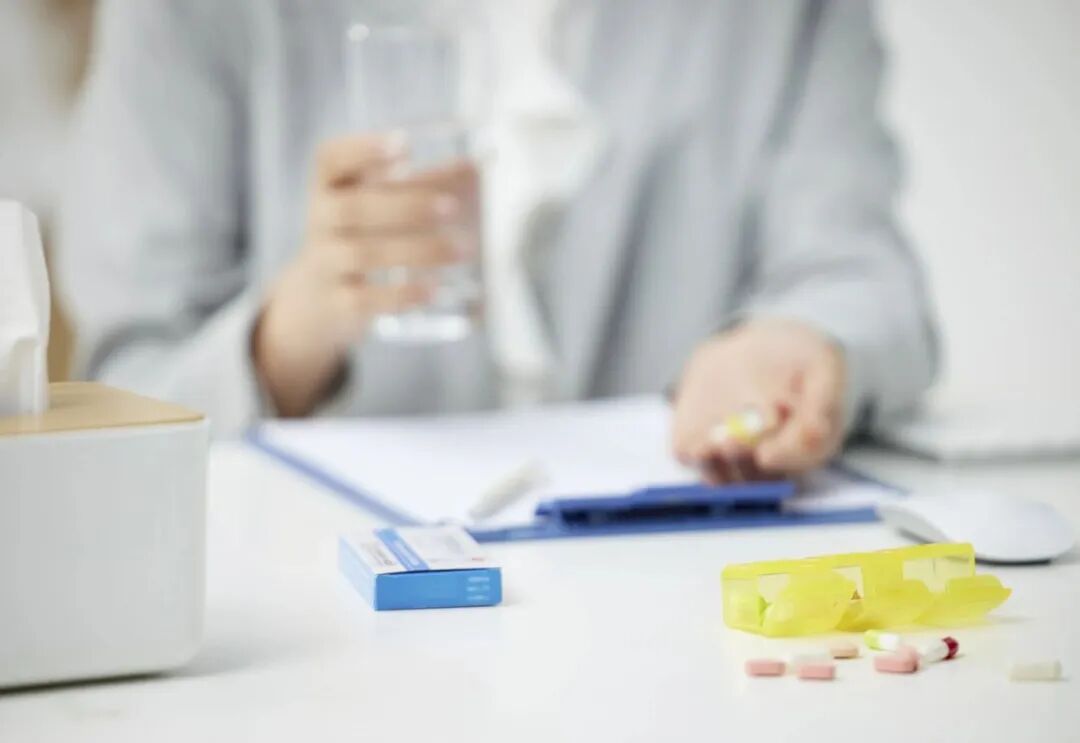
Taking medication with meals typically requires eating within 30 minutes of taking the medication.
▶ Take medication after meals
Taking medication after meals does not mean taking it immediately after eating. Instead, it should be taken 25 to 30 minutes after consuming the last bite. During this time period, the gastric environment is relatively stable due to the presence of food, making it suitable for taking drugs that can be alleviated by food.
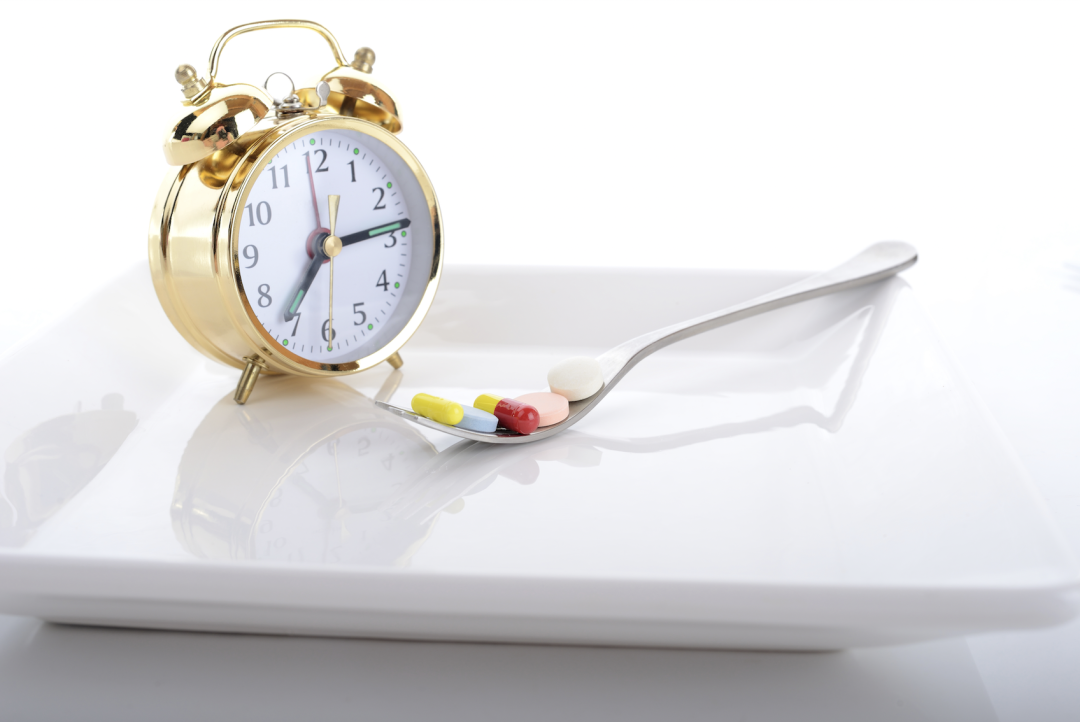
Enteric-coated tablets, sustained-release tablets, and controlled-release tablets should not be broken or chewed before consumption.
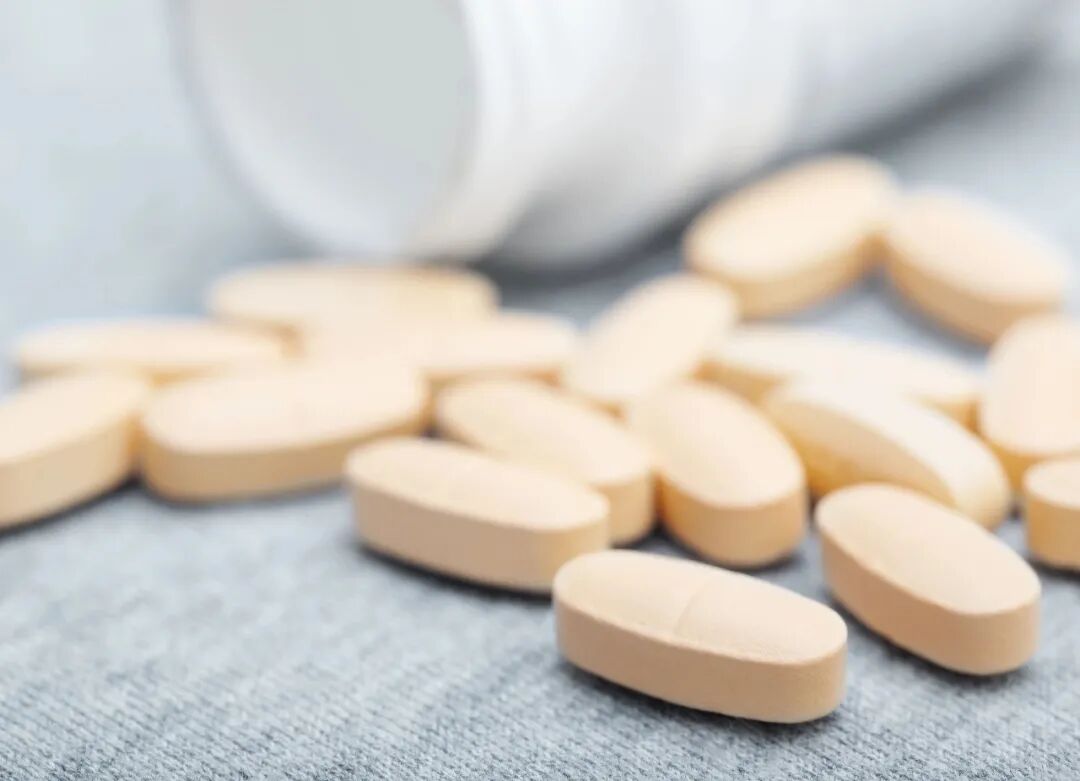
You may think that just swallowing the tablets is fine, and breaking them is not a big deal, especially for those larger tablets. However, some anticancer drugs really cannot be handled this way. Breaking them can, at the very least, render the medication ineffective, and at worst, even prove fatal!
Let's take enteric-coated tablets as an example. The outer layer of "clothing" is not just for show. This special coating allows the tablet to safely pass through stomach acid and only dissolve in the intestines. If you break or chew them, you are essentially exposing the medication directly to stomach acid. What about the results? Either the medicine is destroyed by stomach acid and becomes ineffective, or it irritates the gastric mucosa and leads to gastric bleeding.
Slow-release and controlled-release tablets are even "more delicate". Their design resembles a precise timing device, allowing the drug to be released slowly. If you break the tablet and take it all at once, it may cause the blood drug concentration to suddenly become too high, which can seriously endanger your life.
Therefore, if there is no notch in the middle of the tablet, do not arbitrarily break it and take it.
Capsules are also common in daily life, but it's a big mistake to take them with hot or warm water, as is commonly done.
The outer shell of a capsule is mainly made of gelatin, similar to the material of soft candies we eat. When exposed to hot water, it immediately becomes soft and sticky. If swallowed at this point, it's particularly easy for the capsule to stick in the esophagus, potentially causing damage to the esophageal mucosa.
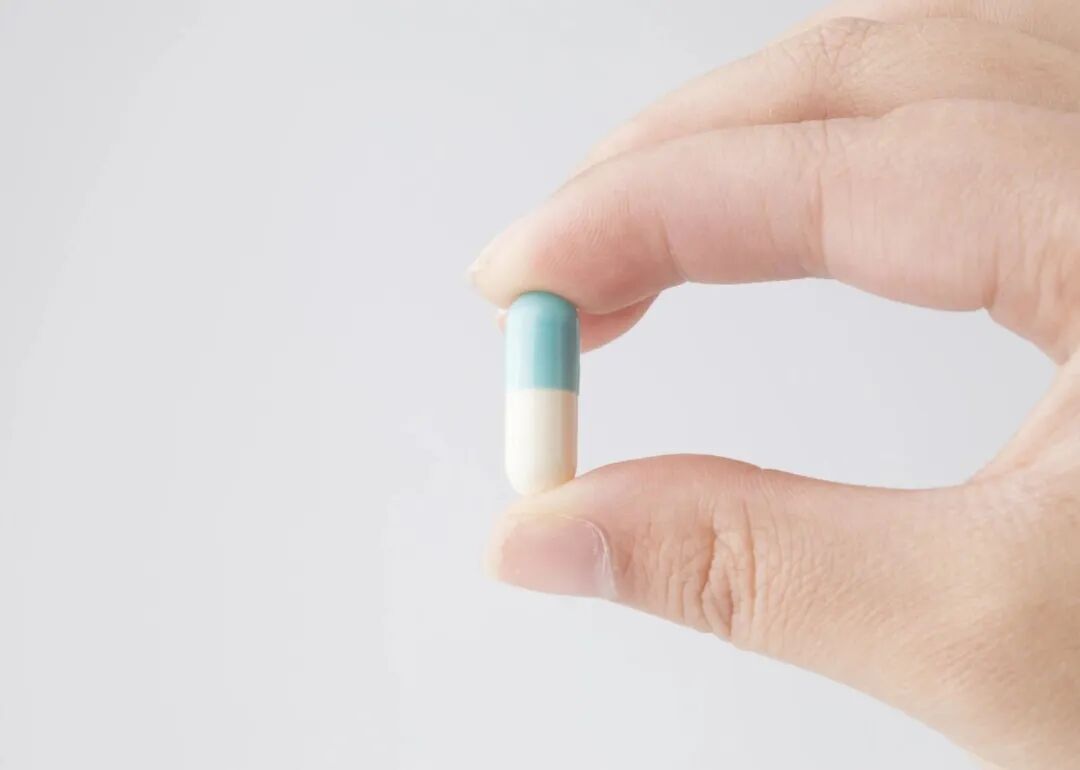
What should you do? You can only wait for your body temperature to melt it. During this process, the drug inside the capsule may have already dissolved and released before it reaches its intended location, increasing the risk of local damage to the esophagus.
There is also a type of capsule with a thicker outer shell that, although not melting quickly, can be deformed and difficult to dissolve by high water temperature, preventing the drug from being released. Wouldn't that be a waste?
So remember: when taking capsules, it's best to swallow them with cool boiled water or room temperature mineral water . This way, it will not damage the esophagus, and it can ensure that the medication reaches its intended destination and takes effect smoothly.
Anticancer drugs, taking them correctly can save lives! A pill or a capsule, taken correctly, can help us defeat the disease, but taken incorrectly, it may undermine the treatment and even bring new harm.
I hope this article can help you avoid those "medication minefields"
Click on the lower right corner ❤️
Luck +1
Effectiveness +1
Reference source:
[1]Annual Report of the National Clinical Drug Safety Monitoring Network (2024), Adverse Drug Reaction Journal, Volume 8, Issue 27, August 2025Vol. 27. No.8
Click to view past science popularization
Address: Room 1101 (Unit 101), 11th Floor, Building 1, No. 7 Courtyard, Kexueyuan Road, Life Science Park, Changping District, Beijing
Phone:010-8265 9866
Email:lehemedneo@hotmail.com