About Lehe
乐于心,和与众,与己乐,与人和; 心宽念纯,百病无生。


乐于心,和与众,与己乐,与人和; 心宽念纯,百病无生。


Surgical removal of tumors is often regarded by most cancer patients as one of the most direct and efficient treatment methods. When doctors announce that the surgery was successful and the tumor was removed cleanly, most patients will heave a sigh of relief, thinking that the most dangerous stage has passed. However, if you think that the tumor has been removed by surgery and the fight against cancer can come to an end, you are dead wrong! Recent research has found that while surgery removes the tumor, it also cuts off the shackles that bind cancer cells, accelerating their spread. According to a study, 70% of patients who undergo surgery experience an increase in cancer cell spread after the tumor is removed. So, what exactly is going on? Shouldn't surgery be performed to remove the tumor? What should be done with the removed tumor?
Today's content will answer your questions one by one.
Speaking of the mechanism by which surgery triggers cancer cell metastasis, it can be said that it is closely related to the immunology studied by Professor Zhang Minghui.
After surgery, neutrophils, members of the innate immune system, quickly rush to the surgically damaged tissue, ready to enter repair mode. However, it is alarming that the cunning tumor microenvironment and residual cancer cells can "turncoat" these immune guardians, inducing the formation of a large number of systemic neutrophil extracellular traps (NETs). These neutrophils, which have been blackened by"", have become accomplices to cancer cells: not only do they help them escape the primary lesion, but they also act as"in the bloodstream. 28>Bodyguard", ultimately paving the way for the colonization of the transfer stove[2].
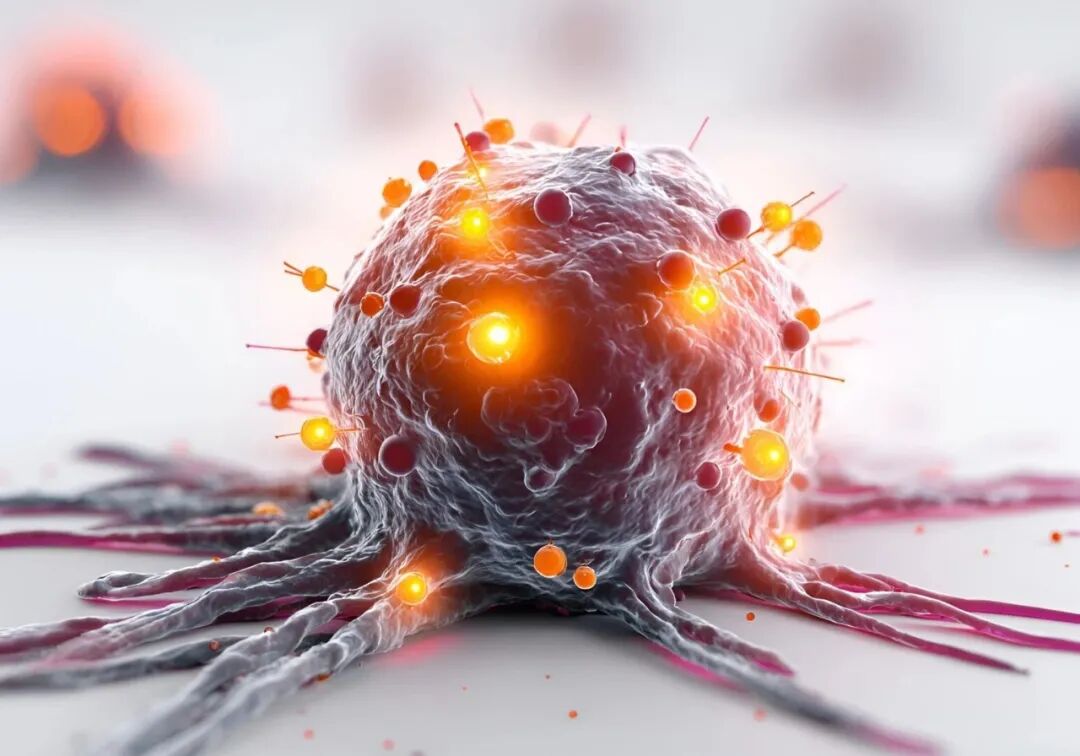
Research has shown thatAbdominal surgery can promote lung metastasis of cancer cells in the blood and also promote the progression of subcutaneous tumors; Removing the primary lesion of the transplanted tumor can also promote distant metastasis of cancer[1]. The surgical knife may inadvertently open a Pandora's box of metastasis for cancer cells.
⚠️ Can the tumor still be removed? What about the risks after removal?
Although surgery may pose a risk of cancer cell spread, it remains the cornerstone of treatment for most solid tumors. For early-stage cancer, surgical removal remains one of the most effective means to achieve clinical cure. The purpose of this popular science article is not to instill fear in cancer patients about surgery, but to uncover the important reasons why, after radical surgery, recurrence and metastasis still occur , and to provide clues for finding corresponding prevention strategies .
⚠️ The fourth cancer treatment method,is targeted at the risk of postoperative metastasis"insurance"
confronting the risk of cancer cell metastasis brought by surgery, traditional adjuvant therapy proves inadequate in eliminating latent cancer cells, while "immunotherapy", as the fourth major cancer treatment method,can precisely compensate for the immune deficiency caused by surgery, with unique advantages.
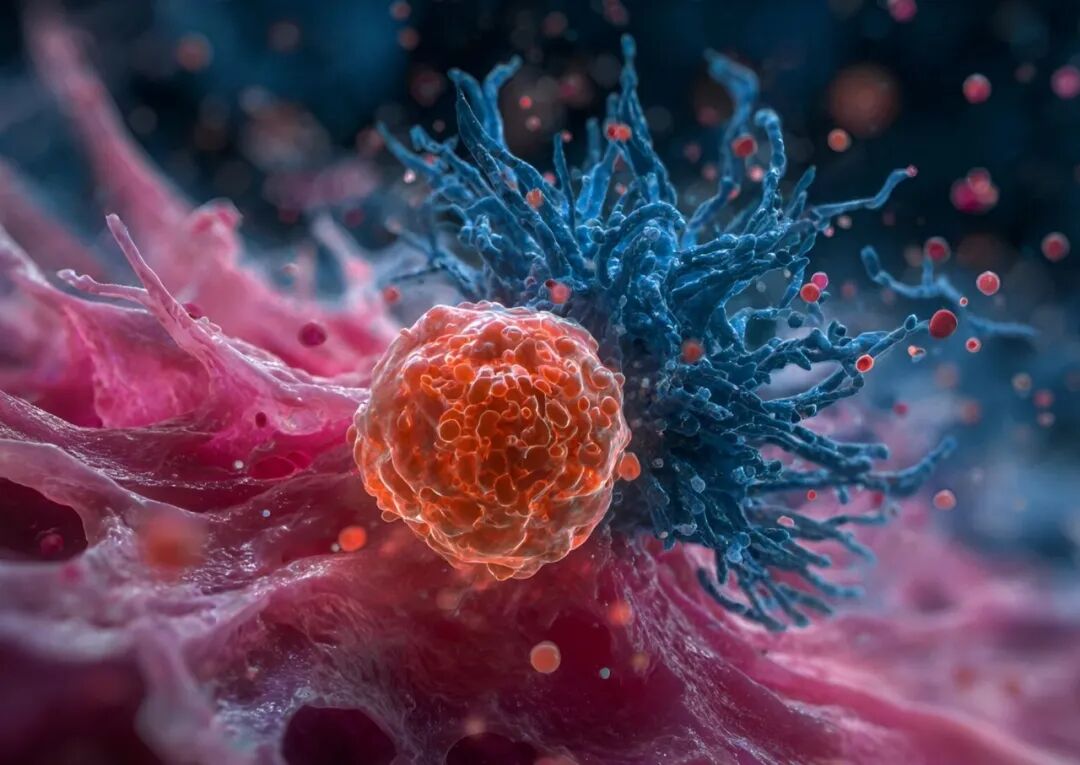
Unlike traditional surgery, radiotherapy, chemotherapy, and targeted therapy, immunotherapy utilizes the body's own “security system” to more precisely identify and eliminate cancer cells , and stimulate long-term immune memory, allowing for more sustained monitoring of potentially recurrent cancer cells . Meanwhile, immunotherapy does not cause excessive damage to normal cells, resulting in fewer adverse reactions,It is safer and provides patients with a higher quality of life..
⚠️< H463>The core advantages of immunotherapy can be summarized as follows:< H470>
Precise, long-lasting, broad-spectrum, combinable, and low toxicity
From surgical reduction of tumor burden to seamless connection of immune cell recruitment and interception,Immune cell therapy is designed for this immune window"cheat force"
Surgery is responsible for "tumor reduction", while the immune system is responsible for "finishing off"; the former opens a brief window, while the latter promptly closes and locks it. In the future, through the combination of surgical removal of the primary lesion+immunotherapy to eliminate micrometastasis", the "mode will enable more patients to achieve truly "tumor-free survival" in the true sense.

Experimental conditions: In the presence of vNKT cells, after 16 hours, nearly all B16 tumor cells were killed!

Reference source:< H0>
[1]Haykal T, Yang R, Tohme C, et al. Surgery-Induced Neutrophil Extracellular Traps Promote Tumor Metastasis by Reprogramming Cancer Cell Lipid Metabolism. Cancer Res. Published online September 18, 2025. doi:10.1158/0008-5472.CAN-24-3393
[2]Adrover JM, Han X, Sun L, et al. Neutrophils drive vascular occlusion, tumour necrosis and metastasis. Nature. Published online July 16, 2025. doi:10.1038/s41586-025-09278-3
Click to view past science popularization


Address: Room 1101 (Unit 101), 11th Floor, Building 1, No. 7 Courtyard, Kexueyuan Road, Life Science Park, Changping District, Beijing
Phone:010-8265 9866
Email:lehemedneo@hotmail.com