About Lehe
乐于心,和与众,与己乐,与人和; 心宽念纯,百病无生。

乐于心,和与众,与己乐,与人和; 心宽念纯,百病无生。


Recently, with the release of the "Catalogue of Innovative Drugs for Commercial Health Insurance", the news that "120The cell anti-cancer drug of Wanyi Zhen can be reimbursed" has drawn more attention from many cancer patients towards this therapy.
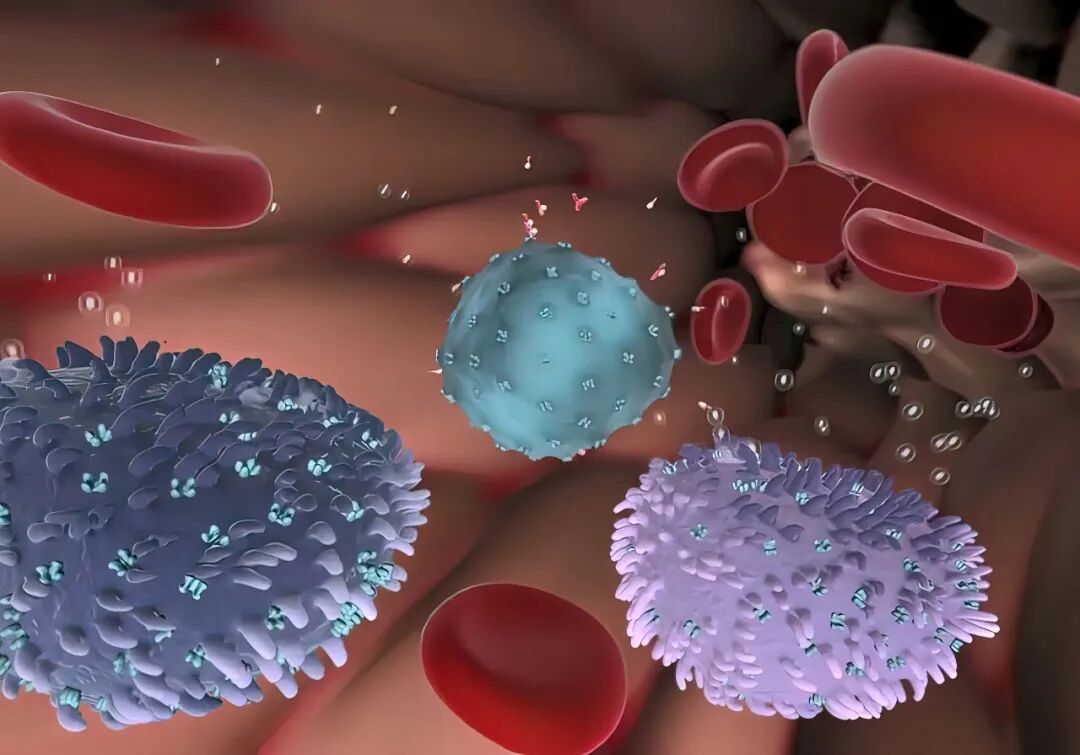
This anti-cancer injection is essentially immune cell therapy. Can this therapy really eliminate cancer cells with just one injection? How long does it generally take? And how many years can the effect last? As an expert who has been dealing with immune cells for 30 years, Professor Zhang Minghui will tell you the truth.
Although everyone usually refers to this immune cell therapy as "anti-cancer injection", don't be misled. It is not a one-time solution like getting vaccinated, but requires a complete treatment cycle tailored to the patient's condition.

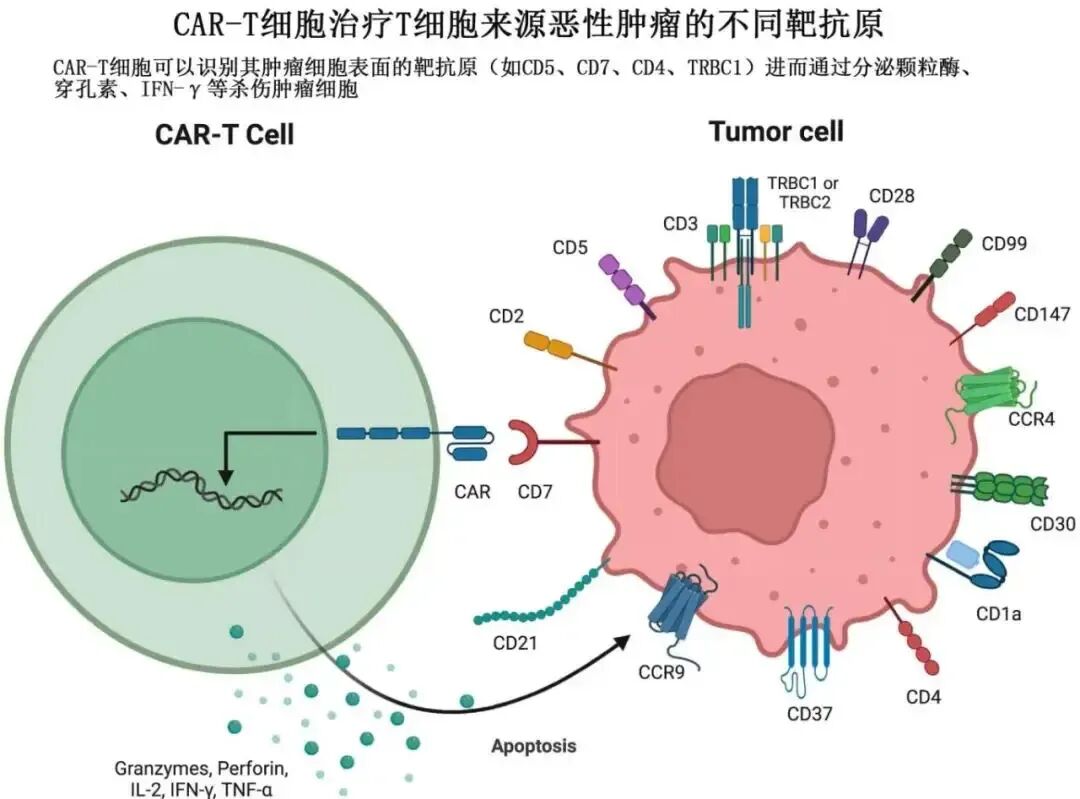
Unlike traditional chemical drugs, the essence of immune cell therapy is “living medicine”. After being infused back into the patient's body, the cells undergo a series of life cycles including proliferation, differentiation, and apoptosis. Over time, the number and activity of these infused immune cells will gradually decrease. Therefore, to achieve therapeutic goals, it is necessary to ensure sufficient quantity and quality of immune cells, and most treatment plans require multiple infusions over time. Clinically common CAR-T cell therapy, CIK cell therapy, vNKT cell therapy, etc., all require multiple courses of treatment. And for patients with more advanced cancer and weaker immune systems, the required number of cells and courses of treatment tend to be higher.
The duration of the efficacy of chemical drugs depends on indicators such as blood drug concentration and half-life. It also depends on how long the effect of immune cell therapy can be sustained, which inevitably involves a special skill of immune cells:Immune memory.
Immune memory is mainly composed of memoryBCells and memoryTCells complete the process. When the immune system successfully recognizes the unique "identity card" on the surface of cancer cells, a specificTCells have become an important force for long-term immune surveillance in the future.
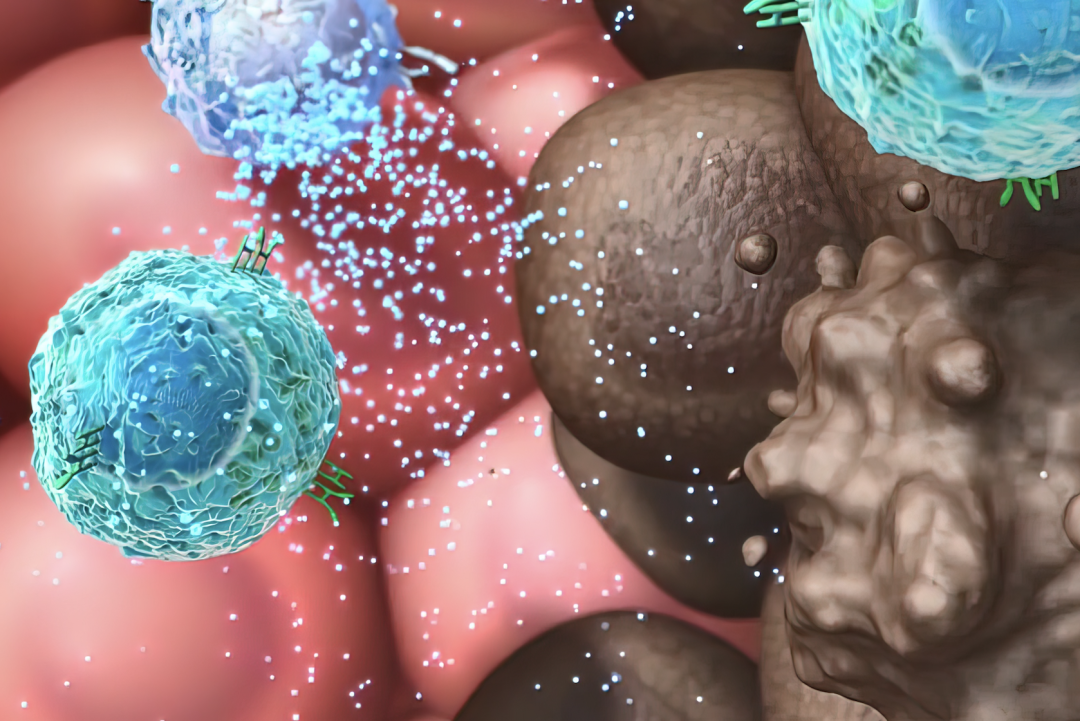
Researchers have observed a unique "tailing effect" of immune cell therapy in many patients, where the condition remains well controlled even after stopping immune cell reinfusion.
A 10-year follow-up data of 783cancer patients treated with CAR-T showed that the overall survival rate was 42%, significantly higher than the 18% in the traditional chemotherapy group. Meanwhile, the probability of developing a second primary cancer was only 1.3/ per 1,000 person-years, while in the radiotherapy group, this proportion reached 8.7/ per 1,000 person-years. In the detection of peripheral blood from patients, it was found that the proportion of memory T cells was stable at 2%-5%, capable of rapidly identifying recurrent tumor cells. Professor Zhang Minghui led a research team to apply vNKT immune cells to over 700 cases of solid tumors, with a research history spanning over 20 years. During this process, it was observed that vNKT immune cells are more prone to induce a durable anti-tumor immune response, regulate the immune microenvironment within tumor tissues, and kill inhibitory immune cells (MDSCs), breaking the tumor's immune escape and rebuilding the normal immune system.
⚠️ Does this immune memory have a specific duration?
This varies from person to person, as factors such as the type of cell-based therapy, the type of cancer, the extent of tumor burden, and the patient's underlying health condition can all affect the duration of therapeutic efficacy.
For instance, leukemia and lymphoma respond well to 120120CAR-T therapy. However, solid tumors such as liver cancer, lung cancer, and intestinal cancer have complex microenvironments. The cell surface contains both T cell receptors TCR and NK cell receptors vNKT immune cells, which have the dual ability to nonspecifically and specifically recognize tumor cells. They can rapidly kill tumor cells and regulate the immune microenvironment within tumor tissues, making them more promising for the treatment of solid tumors.
In addition to the choice of cell drugs, the timing of treatment and combination strategies also have a significant impact on the durability of therapeutic effects. In principle, the lower the tumor burden and the better the patient's physical condition, the more durable the therapeutic effect.
Immune cell therapy is regarded as the future of curing cancer. However, the progress of cancer treatment has never been achieved by a single miracle injection, but rather through the long journey jointly traveled by countless researchers and patients. On this path, clear cognition is more precious than expensive injections.

If you or your family members
are considering such treatment

Reference source:
[1]《Nature Medicine:783 10Annual Follow up- CAR-TFull Analysis of Safety and Long term Effects of Treatment
Click to view past science popularization
Address: Room 1101 (Unit 101), 11th Floor, Building 1, No. 7 Courtyard, Kexueyuan Road, Life Science Park, Changping District, Beijing
Phone:010-8265 9866
Email:lehemedneo@hotmail.com