About Lehe
乐于心,和与众,与己乐,与人和; 心宽念纯,百病无生。
乐于心,和与众,与己乐,与人和; 心宽念纯,百病无生。


Among cancer patients, there is a phenomenon that can be observed: some individuals can undergo chemotherapy 6 times without any adverse effects, while others may collapse after just 1 time. This proportion is not small. A cross-sectional survey published in 2024 revealed [1]: 83% of the interviewed cancer patients reported severe chemotherapy side effects .
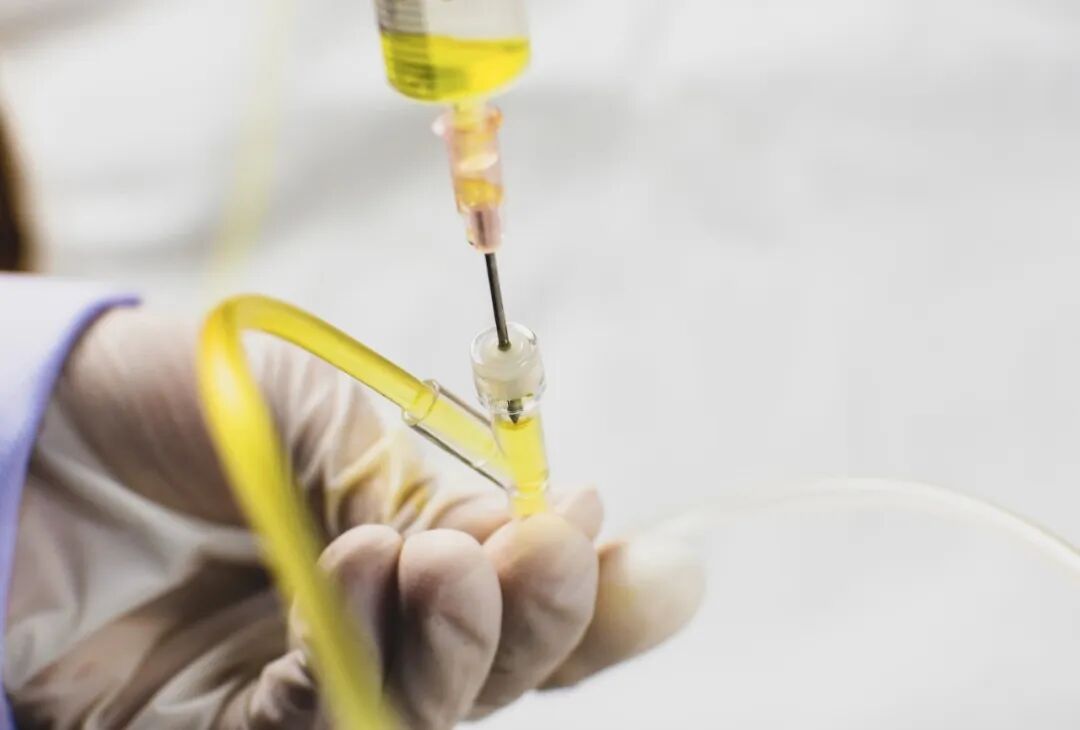
Is this just a matter of luck? The reality is far from simple! What is the difference between individuals who experience significant chemotherapy side effects and those who do not? Is there a way to become one of the latter group? Today, let's delve into the truth.
1、 Genes make drug metabolism different
As we all know, chemotherapy drugs are poisons, and our bodies also have a supporting detoxification system. When chemotherapy drugs enter the body, the absorption, distribution, metabolism, and excretion processes are mainly completed by enzymes in the liver, which are controlled by genes! Divided intofast metabolism type, medium metabolism type, slow metabolism type.
These specific genes include:DPYD and< H186>UGT1A1[2]。.
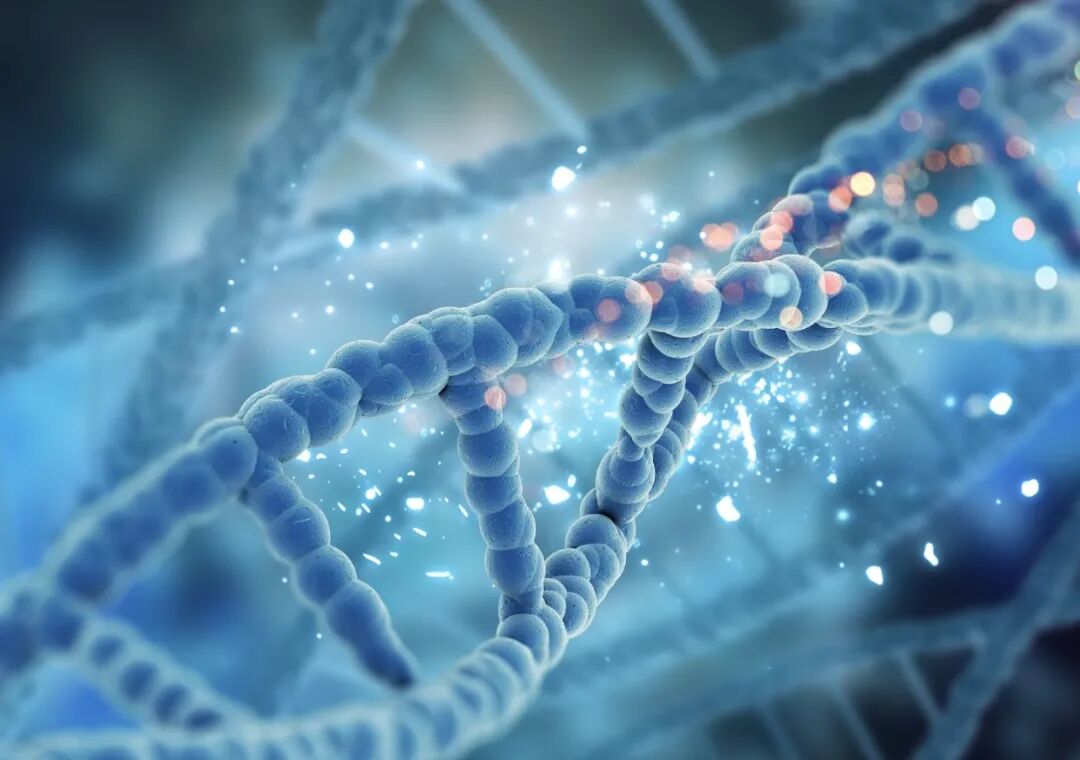
The DPYD gene is responsible for decomposing a common chemotherapy drug called fluoropyrimidine. If it mutates, the drug decomposition rate will slow down, and prolonged accumulation in the body will lead to various severe toxic reactions.
The UGT1A1 gene is responsible for another type of chemotherapy drug, irinotecan. Genetic abnormalities can cause drug metabolism to slow down, leading to severe diarrhea and leukopenia, as well as other bone marrow suppression symptoms in patients.
2, patients with a weakened body constitution
will mostly rely on the liver and kidneys to excrete chemotherapy drugs. For elderly patients or those with poor liver and kidney function, drug excretion is slow, and the drugs accumulate in the body, naturally leading to more severe side effects.
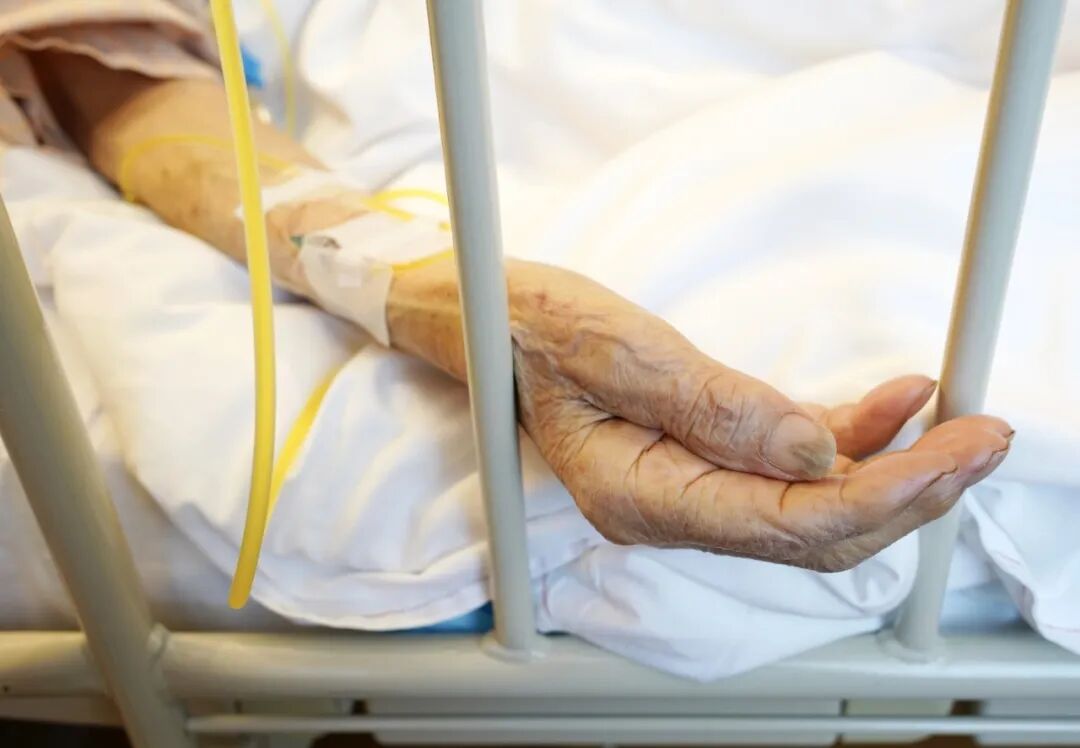
In addition, some patients already have underlying conditions such as diabetes, coronary heart disease, malnutrition, or being too light in weight, which make their body constitution inherently weak. Coupled with chemotherapy, they are more likely to be unable to withstand it. A study conducted by the Oncology Department of Peking Union Medical College Hospital in 2023 pointed out that the incidence of chemotherapy-related toxicity in elderly cancer patients is high. Specifically, 79.7% of patients experienced chemotherapy-related adverse reactions, with 24.2% experiencing severe chemotherapy-related toxicity. This highlights the significant variation in the toxicity and intensity of different chemotherapy regimens, with high-intensity regimens often accompanied by severe side effects. Therefore, it requires the experience of doctors to balance the relationship between the type and stage of cancer and the individual patient's condition.
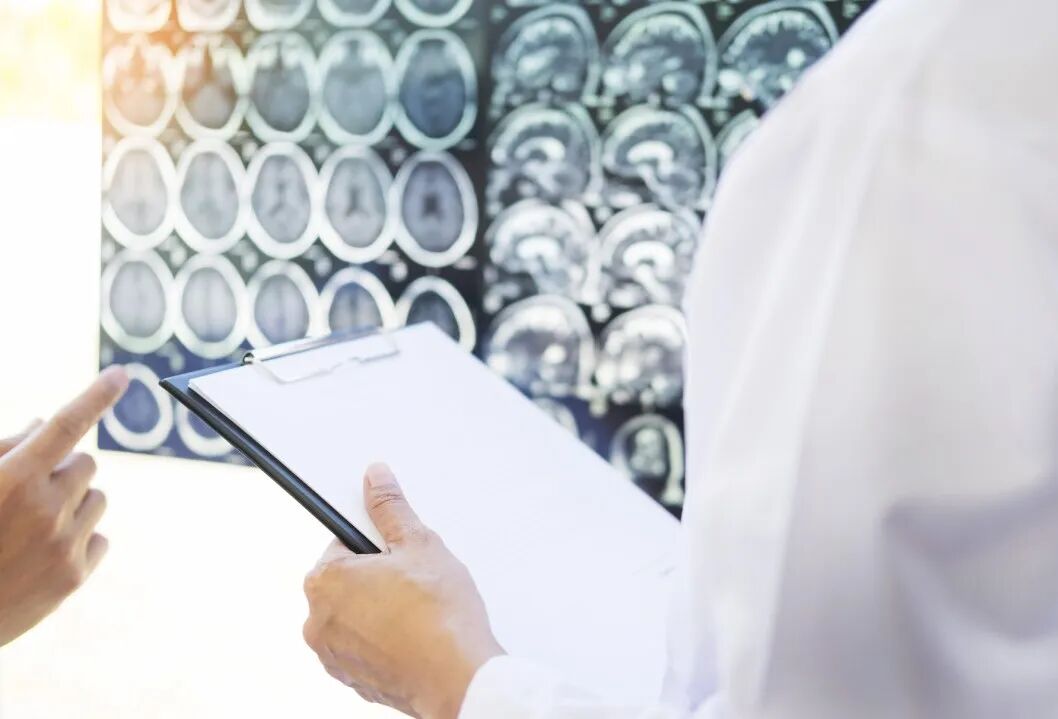
4、 Supporting treatment enables more people to 'withstand'
Today's chemotherapy is no longer the era that requires hard resistance. New antiemetic drugs, white blood injections, and immune enhancement side effect management methods have enabled many patients who could not withstand chemotherapy to now complete treatment smoothly.
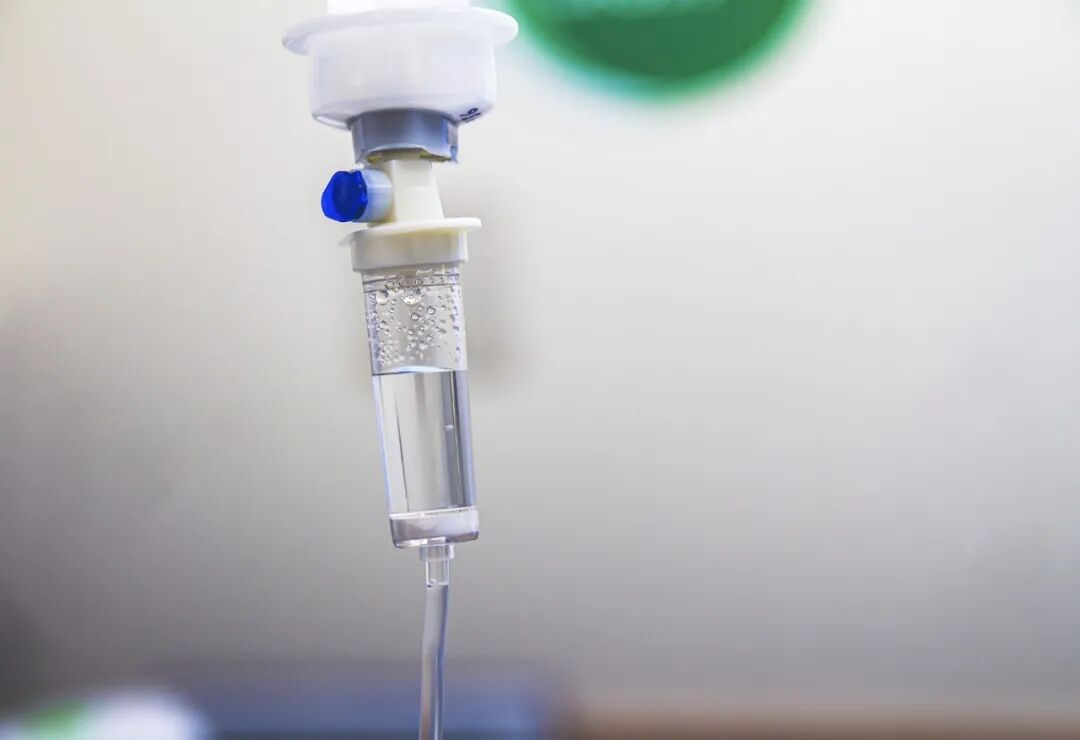
1、 Finding the appropriate chemotherapy scale for Chinese people
Clinical guideline data for tumor treatment mostly come from Western research. Differences in gene metabolism and physical conditions make traditional high-dose chemotherapy more prone to intolerance and adverse reactions such as bone marrow suppression in Chinese people.
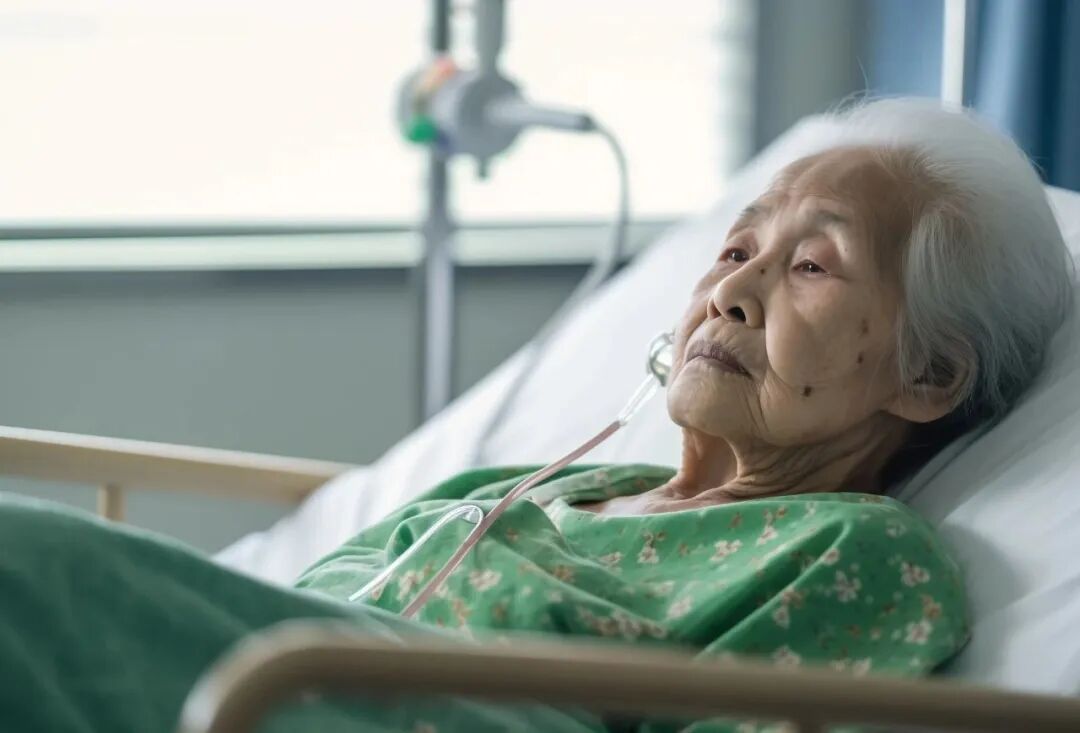
To reconcile the side effects of chemotherapy with the body, the first step is to have an individualized chemotherapy scale. Chemotherapy should be like traditional Chinese medicine, tailored to each individual, rather than following the "Guidelines" for thousands of people.
This requires oncologists to have a high level of professional expertise and experience.
2、 After chemotherapy clears the field, allowing immune cells to enter
People who are knocked down by chemotherapy have a common characteristic, which is that their immune system also collapses. The most intuitive feeling that this kind of breakdown brings to patients is' the more chemotherapy, the worse the body becomes and the faster they die '.
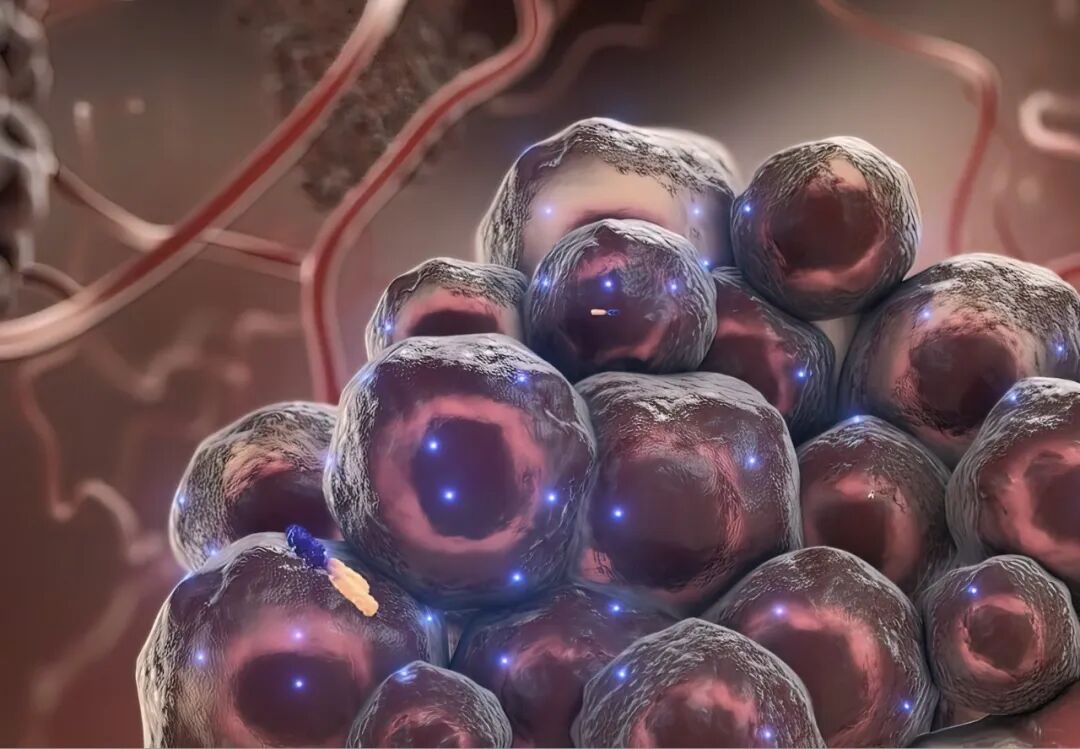
In fact, many people are unaware that the correct usage of chemotherapy actually requires coordination with the immune system, when chemical drugs achieve overwhelming damage to tumors, continuing to use them will result in toxicity outweighing the therapeutic effect. At this point, chemotherapy must be stopped in time and replaced by the immune system to sound the final “charge signal”, completing the battlefield cleanup and eliminating the remaining cancer cells. This maximizes the therapeutic effect while minimizing physical damage.
This is also one of the important reasons why immunotherapy has become the fourth major cancer treatment method after surgery, radiotherapy, and chemotherapy.
For individuals with insufficient autoimmune response, they can also seek "external assistance" (adoptive cellular immunotherapy), which involves expanding and modifying immune cells outside the body to enhance their anti-cancer capabilities, and then infusing them back into the patient.
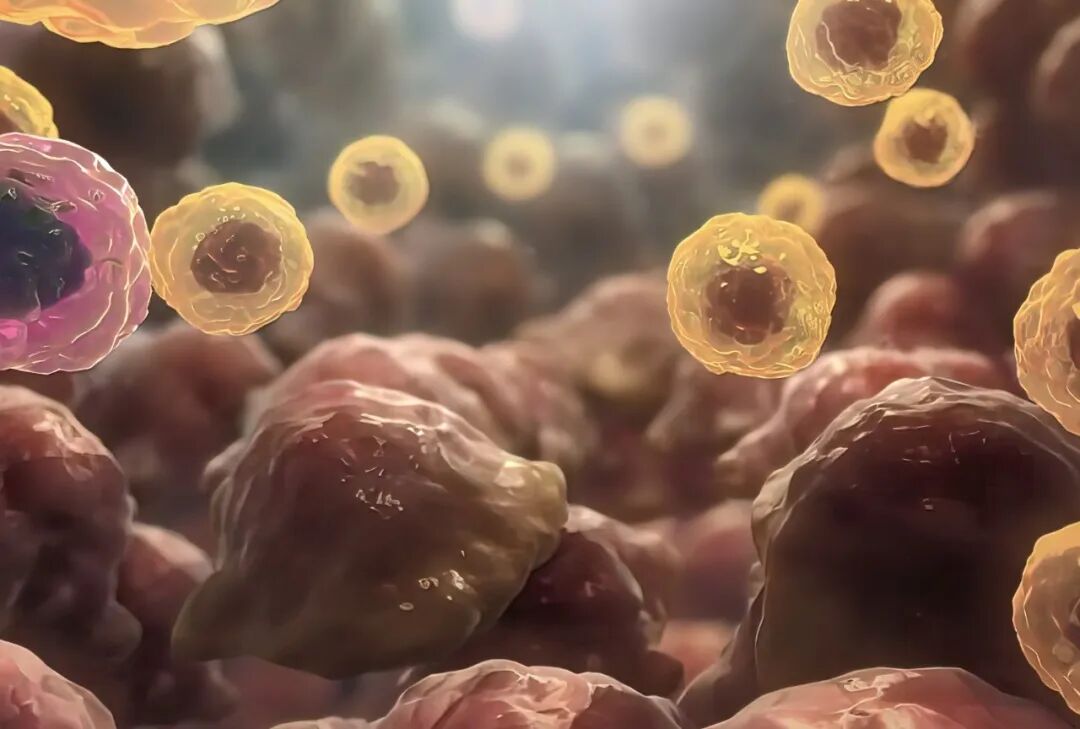
① to help the body smoothly pass through the vulnerable period
② Restoring immune microenvironment
③ Clearing residual cancer cells
④ Long-term prevention of metastasis and recurrence
⑤ Ensuring quality of life
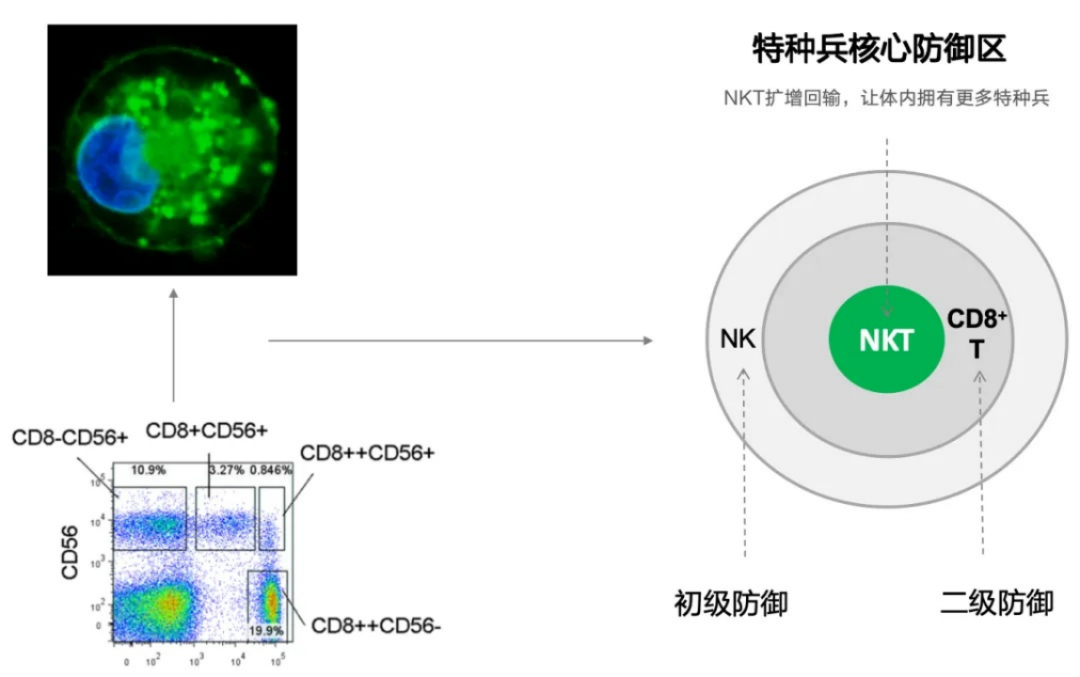
Such asvNKTimmune cells, which can rapidly recognize and attack tumor cells, with a killing speed and capability far exceeding that of generalNKcells andTcells. In addition, vNKTimmune cells are also capable of killing inhibitory immune cellsMDSCs, exerting anti-tumor effects by regulating the microenvironment within cancer tissues, rebuilding the normal immune system, and further preventing recurrence and metastasis.
Ultimately, the goal of chemotherapy is to kill cancer cells while balancing toxic side effects. Chemotherapy should not be turned into a daunting battle that patients fear, but rather a well-prepared and strategic collaborative effort. It is hoped that this article can help those undergoing chemotherapy avoid some detours and reduce anxiety.

Reference source:
[1]Chemotherapy Side Effects and Their Correlation with Self-Concept Disruption in
Cancer Patients.
[2]https://medicalxpress.com/news/2025-08-genetic-chemotherapy-gastrointestinal-cancer-patients.html
[3]Wang X, Zhang Y, Liu J, et al. Predictive Model of Chemotherapy-Related Toxicity in Chinese Elderly Cancer Patients[J]. Journal of Geriatric Oncology, 2023, 14(3): 100425.
Click to view past science popularization
Address: Room 1101 (Unit 101), 11th Floor, Building 1, No. 7 Courtyard, Kexueyuan Road, Life Science Park, Changping District, Beijing
Phone:010-8265 9866
Email:lehemedneo@hotmail.com