About Lehe
乐于心,和与众,与己乐,与人和; 心宽念纯,百病无生。

乐于心,和与众,与己乐,与人和; 心宽念纯,百病无生。


The "China Medical Doctor Newspaper" once conducted a survey on the topic of ""Should the condition of cancer patients be concealed from them? ". According to the survey, 70% of the cancer patients' family members would request doctors to cooperate in concealing the condition. In daily life, many cancer patients' family members choose to conceal the condition for reasons such as ""fearing that the patient cannot bear it" and ""the impact is too great". They believe that this is the best protection for the patient. However, the reality is that your good intentions may actually be "doing more harm than good" and detrimental to the patient. In a study published in the journal Phycho-Oncology in 2020, Chinese scholars investigated nearly 3 million lung cancer patients. Among them, 37.41% of the patients were aware of their cancer diagnosis, 57.2% of the patients were completely concealed the truth by their family members, and for 5.5% of the patients, the situation remained unknown. After long-term follow-up and retrospective analysis, the research results were surprising: those who were aware of their cancer diagnosis actually lived longer. Even after re-statistical analysis based on conditions such as age, cancer type, stage, surgical status, and hospital level, the results remain the same, patients who know the truth live longer! [1]
1、 Poor treatment compliance< H252>[2]
Treatment compliance is an important factor affecting cancer outcomes. Patients who are not aware of their true condition may resist necessary treatment and examinations due to the complexity or pain of treatment. The incidence of self discontinuation or interruption of treatment is significantly higher than that of cancer patients who are aware of their condition.

Patients who conceal their condition have insufficient understanding of the treatment plan, greatly weakening their understanding and execution of the treatment plan.
2、 The psychological cost is greater
Concealing the condition of cancer patients can cause confusion about symptoms and examinations, and a sense of loss of control about the future, which can actually exacerbate anxiety and depression. Research shows that patients who are highly suspected but not diagnosed have anxiety levels that are 40%[3] higher than those with a known diagnosis.
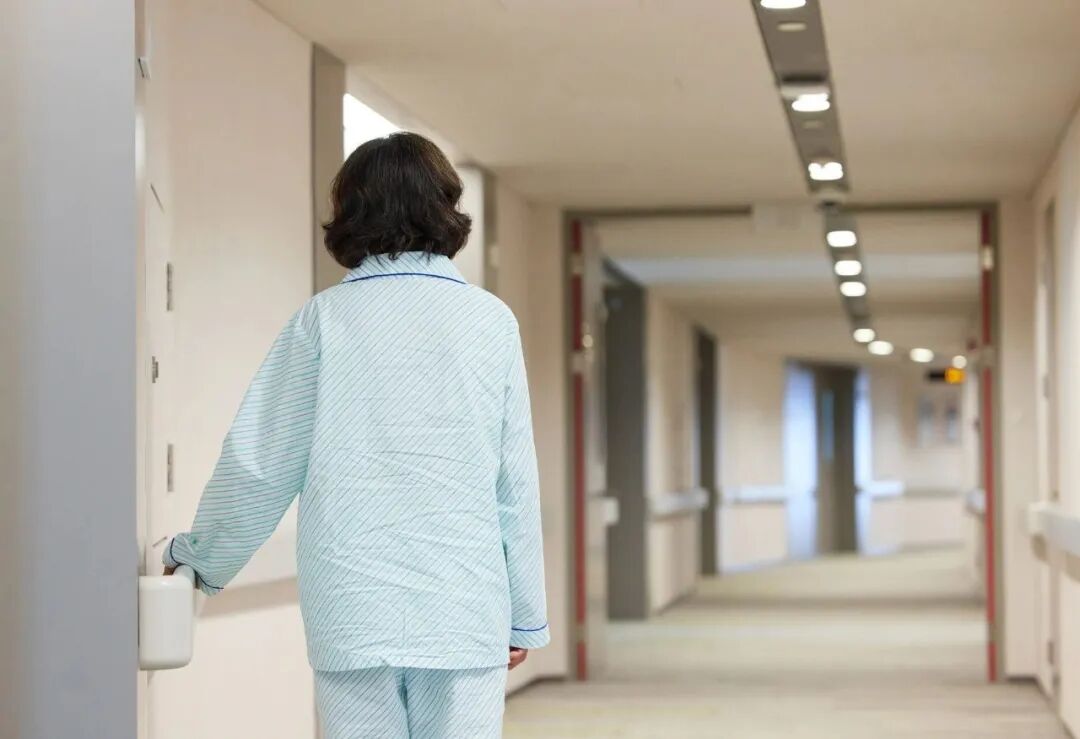
A survey covering 12 tertiary hospitals and involving 5,985 cancer patients also confirmed that 58% of patients were very dissatisfied with the concealment of their condition[4]
When the whole family knows the truth but only keeps it to themselves, and suddenly being asked to be hospitalized, undergo examinations, and take medications with names they cannot understand, and surrounded by people who speak cautiously, it is difficult for patients not to think wildly.
3、 Missing key decision-making opportunities
Faced with the serious illness of cancer, patients are also an important part of participating in the selection of treatment plans. Professor Zhang Minghui stated that the treatment of major illnesses should not be a "pipeline operation" where patients passively accept standardized treatment plans. The optimal treatment plan should be jointly decided by doctors, researchers, and patients.

Doctor- Provide clinical experience and the latest guidelines to provide tactical support;
Researchers- Providing global strategic coordination, breaking the limitations of information asymmetry, and providing strategic support;
Patient- Clarify one's own survival expectations and quality of life needs, and be the first person responsible for health.
Concealing the condition invisibly deprives patients of control over their own lives. A multicenter survey in China shows that 95.8% of cancer patients hope to participate in treatment plan discussions, and 94.3% of patients hope to know their own condition.55>[5].
We have already identified the drawbacks of concealing medical conditions earlier, and now we need to face the issue of how to inform.

1、 First, inquire about the patient's understanding of their condition.Ask the patient how much information they would like to know.. For example, if the recent inspection results are available, would you like to know the specific situation?
2.Gentle and honest disclosure
Step by step disclosure, avoiding one-time information overload and giving patients time to digest information. Use plain language and avoid stimulating vocabulary such as "advanced ""malignant " and so on. Emphasize "treatable ""with solutions
3. Jointly make subsequent decisions
. Patients may experience emotional fluctuations, and family members should understand and accept this, jointly make the next decision, and provide positive guidance both psychologically and practically .
4. Flexible handling in special situations
. If the patient explicitly expresses "don't want to know " , we should also respect TA's wishes, and can temporarily postpone informing , but it is not to conceal forever.

In the past, the protective medical mindset seemed to have always placed patients' rights to survival and information in opposition. However, from a long-term perspective, when we let go of the protective mindset of ""for your own good", and return the choice back to the patients, it can help them put aside their suspicions, actively cooperate, adjust their mindset, and coupled with the courage of family members standing side by side, will become the strongest armor against disease and the foundation for extending life.
When you try to loosen your trembling grip on the truth, you will find that thousands of warm hands are waiting below to support you.
Leave a message [to support], and join the anti-cancer mutual aid group.


References:
[1] Su, T., He, C., Li, X., Xiao, L., He, J., Bai, Y., & Tang, Y. (2020). Association between early informed diagnosis and survival time in patients with lung cancer. Psycho-oncology, 29(5), 878-885
[2] Ma Zhongjin The impact of truthfully informing cancer patients of their condition on treatment compliance and psychological state [J]. International Journal of Nursing, 2014, 33(12): 3542-3545. DOI: 10.3760/cma.j.issn.1673-4351.2014.12.121
[3]Anderson, R. J., Stone, P. C., Low, J. T., &Bloch, S. (2020). Managing uncertainty and references to time in prognostic conversations with family members at the end of life: A conversation analytic study. Palliative Medicine, 34(7), 896–905. https://doi.org/10.1177/0269216320910934
[4]Huang Boyan et al. "Survey on Informed Preferences and Satisfaction of Cancer Patients Based on Multi-center" Chinese Medical Journal, 2021, 101(40): 3321-3325.
[5] Yan, S., Wang, D., Huang, Q. et al. Examining cancer patient preferences during three stages of decision making and family involvement: a multicenter survey study in China. BMC Med Inform Decis Mak 25, 9 (2025). https://doi.org/10.1186/s12911-024-02846-z
Click to view past science popularization
Address: Room 1101 (Unit 101), 11th Floor, Building 1, No. 7 Courtyard, Kexueyuan Road, Life Science Park, Changping District, Beijing
Phone:010-8265 9866
Email:lehemedneo@hotmail.com