About Lehe
乐于心,和与众,与己乐,与人和; 心宽念纯,百病无生。


乐于心,和与众,与己乐,与人和; 心宽念纯,百病无生。


The horror of cancer lies not in the primary tumor, but in recurrence and metastasis. Research has confirmed that 90% of cancer deaths are directly related to recurrence and metastasis[1]. This makes every patient and their family members concerned about whether their condition will recur or metastasize.
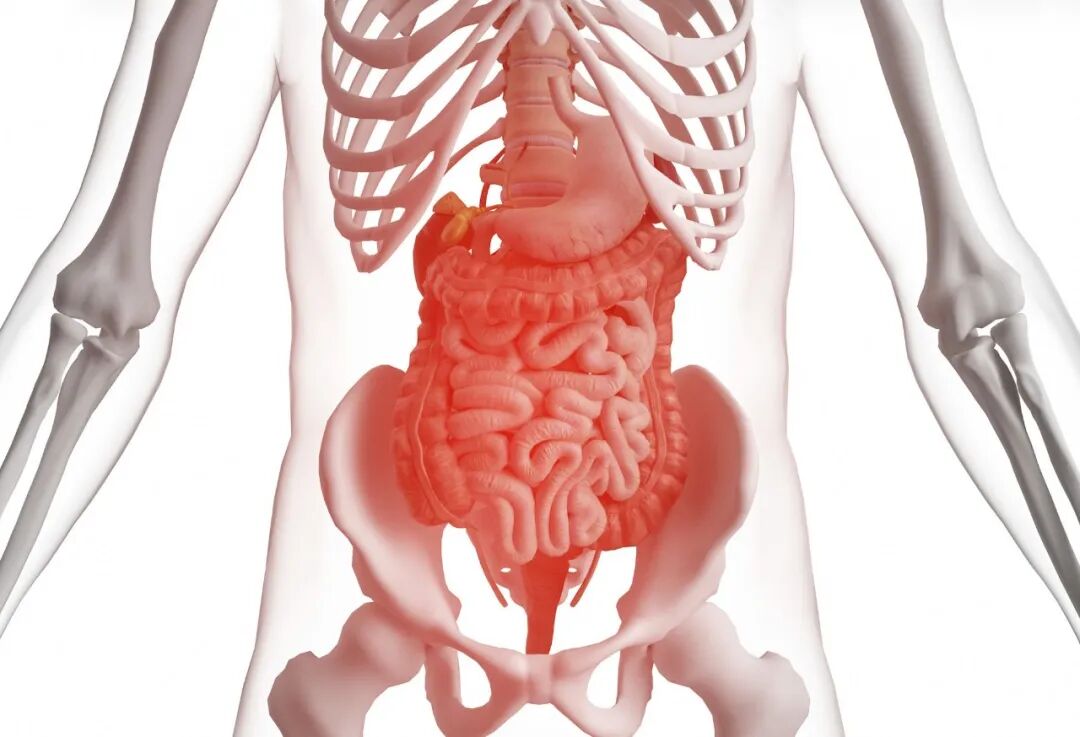
However, if you still rely on the staging of "early-stage cancer" or "late-stage cancer" to determine whether to actively prevent , then you will miss the core key that truly determines the risk of recurrence and metastasis.
Actually, you shouldn't be blindly optimistic in the early stage, and you also don't need to be overly anxious in the later stage. By following today's content and understanding these six indicators of the pathological report from this report, you will be able to have a clear understanding of your condition~
A pathological report can be said to be the most authoritative physical examination sheet for tumors. It conducts a deep laboratory analysis of the tumor removed through surgery, and among them, 6 items of data are directly related to whether your risk of recurrence is high or not.
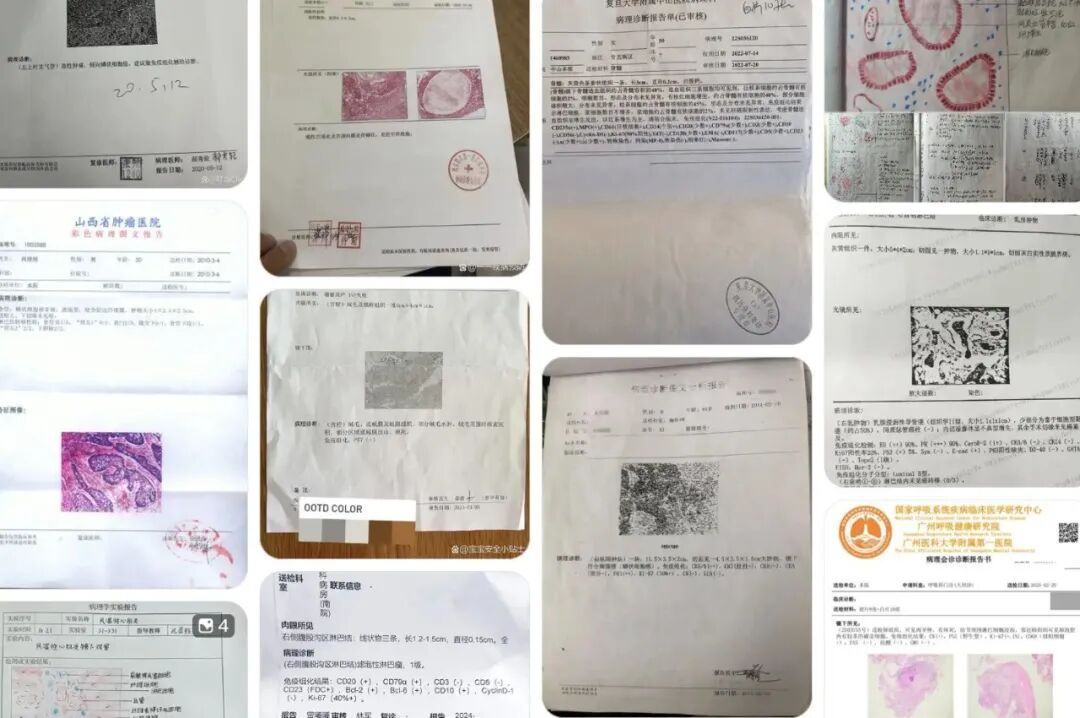
1、 Cutting edge status, have you seen the surgery clean?
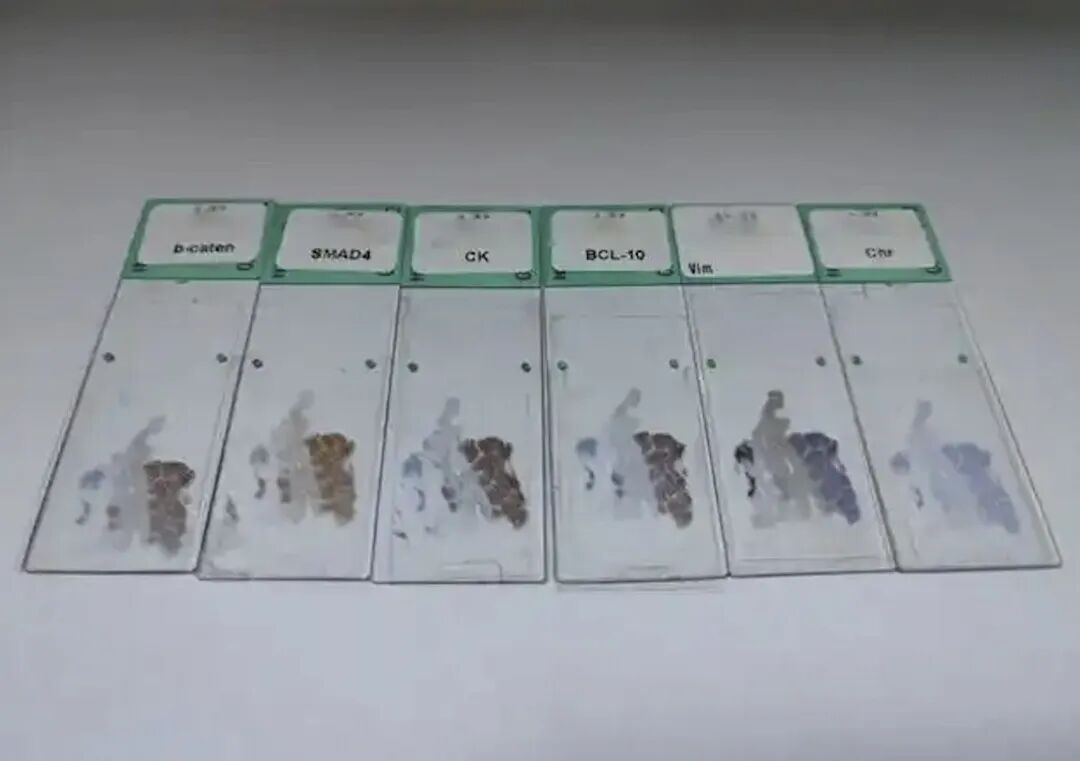
The cutting edge is the edge of the surgical resection of the tumor.If the cutting edge is not clean, it directly affects recurrence and metastasis. When the cutting edge is negativeR0,representscleanneat, with no residuecancer cells14>. When the resection margin is positive for R1/R2, indicates that there are still cancer cells at the edge of . It's like where the grass hasn't been completely removed, and the roots are still buried in the soil, which increases the risk of recurrence to a high level.
2, the number of lymph node metastases, depends on how many cancer cells have escaped?
What is the first stop for cancer cells escaping from the primary site ? Non-lymph nodes are definitely involved . During surgery, doctors will also remove lymph nodes for examination .
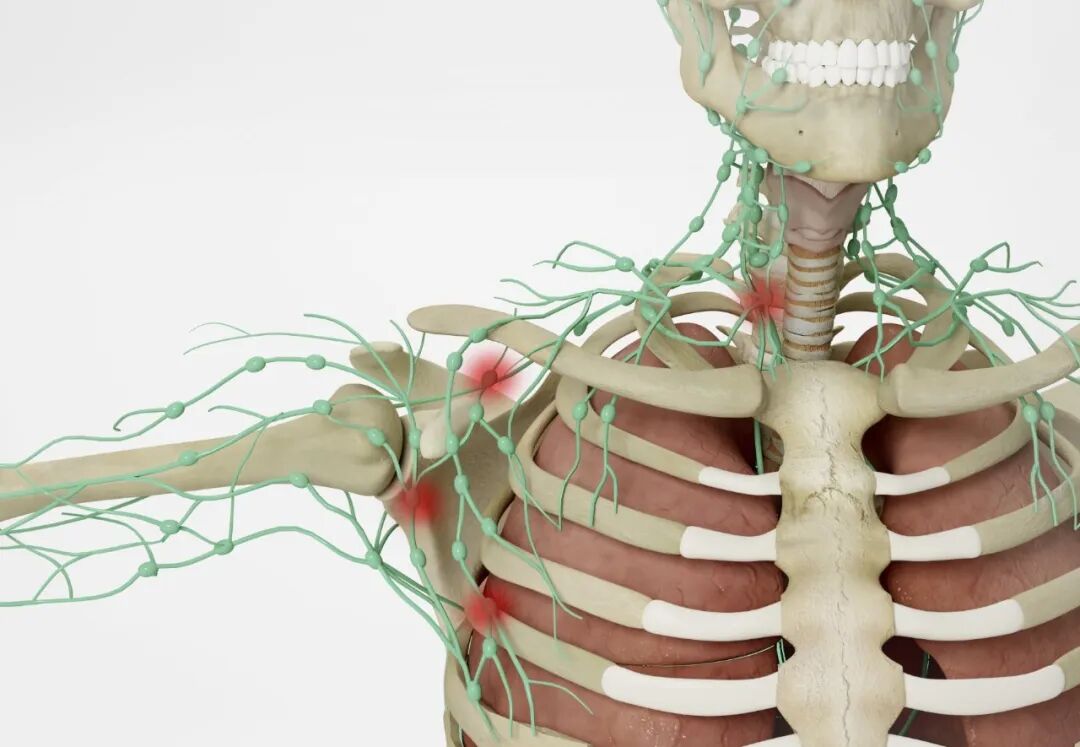
● 0 → The tumor is only in the primary site, and the prognosis is good
● 1~3Lymph node metastasis → Moderate risk, requiring follow-up monitoring
● 3Lymph node metastasisH472> → Higher risk, wider spread of cancer cells, requiring stronger follow-up interventions< H484>
3、 Vascular cancer thrombus, look for cancer cellsAre you ready to run?
The commonly mentioned vasculature includes blood vessels and lymphatic vessels, which are like escape routes prepared by cancer cells. Once cancer cells enter the vasculature, they can directly reach distant organs such as the lungs, liver, and bones. When the pathological report shows 'positive for vascular thrombus', everyone should sound the red alarm for recurrence and metastasis, and must pay special attention.
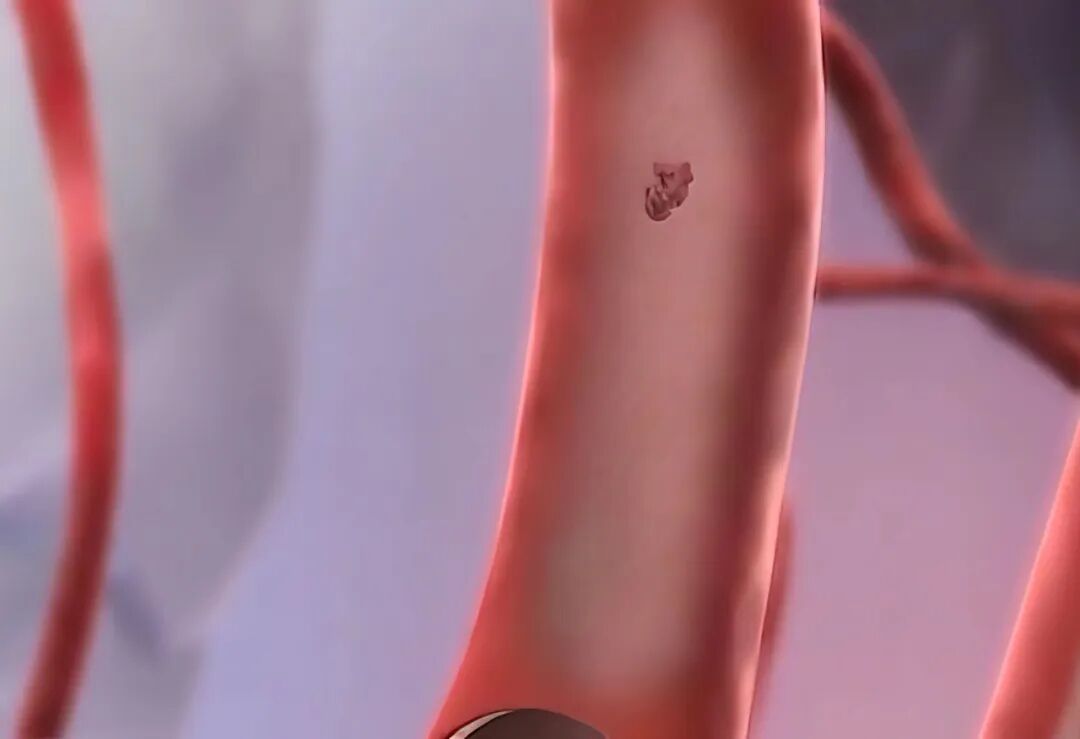
4、 Neuroinvasion, have cancer cells spread along the nerves?
In medicine, there is alsoThere is a name called [Neuroinfiltration],Cancer cells not only run to theveins, but sometimes also spread along nerve fibersH616>. When this situation occurs, patients may experience pain or functional impairment after surgery, and there is a risk of local recurrence. Patients withandmay experience an increase inshould pay attention toin a timely manner.
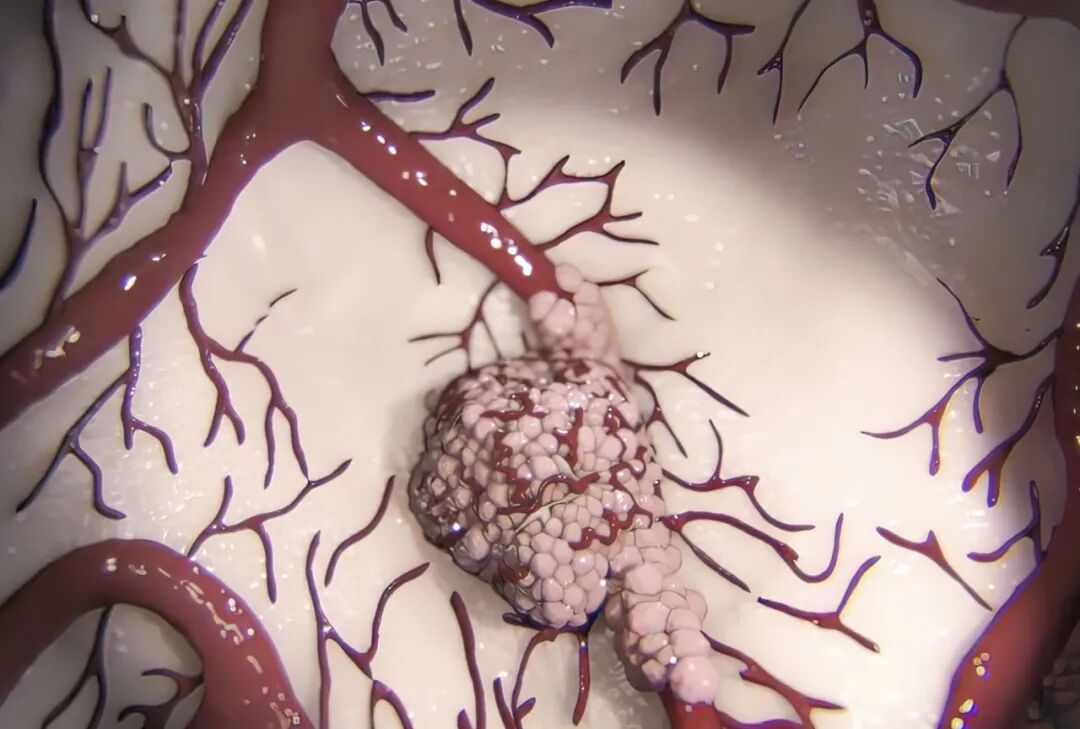
5、 Tumor grading (Ggrading) depends on the difficulty of cancer cells.
Tumor grading is not as good as people think, but rather the lower the grading, the more difficult it is to control cancer cells. G1 Highly differentiated cancer cells have a morphology closer to normal cells, grow slower, and therefore have a lower risk. G2Moderately differentiated cancer cells are moderately abnormal, with a moderate risk level. G3G4Undifferentiated cancer cells are highly abnormal, highly invasive, and require special attention.
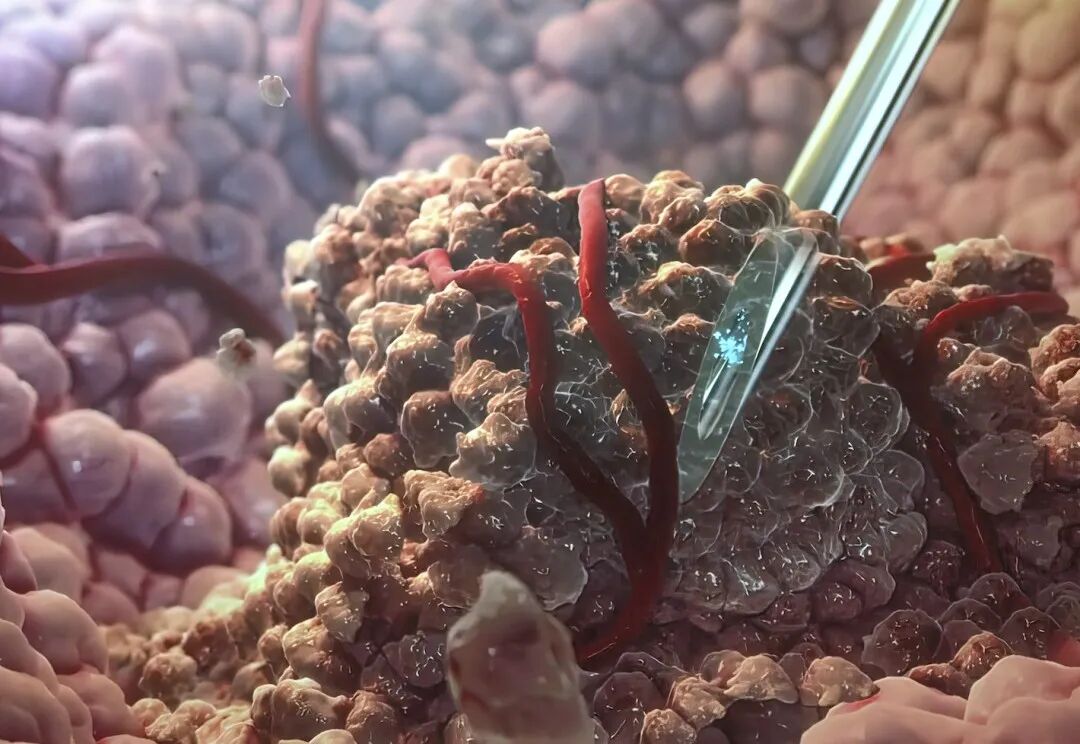
6、Ki-67 Index, looking at how much tumor growsfaster
Ki-67is an indicator reflecting the speed of tumor cell proliferation. The higher the number, the more active the division, and the higher the risk of metastasis and recurrence. When you see that the value of this indicator is higher than30%, you should be vigilant. This tumor may be a hot temper and cannot be observed slowly.
⚠️ If you have any of the following 6items:
✔ 0items: The overall risk is low, and follow-up visits on time are sufficient
◐ 1~2items: Moderate risk, it is recommended to discuss with a doctor about enhanced follow-up or adjuvant treatment plans
✘ 3items and above: High-risk individuals, active intervention is required after treatment, and waiting is not an option, as waiting for recurrence~or waiting for metastasis!
Traditional surgery, radiotherapy, and chemotherapy are merely the first steps in eliminating tumors. No single method can completely eradicate all cancer cells, and even after treatment, there may still be microscopic metastatic foci that are invisible to the naked eye remaining in the body. Ultimately, these residual lesions require the body's immune system to take over, either by directly killing them or suppressing them under immune surveillance.
However, at this point, cancer patients' immune systems generally have vulnerabilities, coupled with immune damage caused by multiple rounds of treatment, it is evidently difficult to effectively complete clearance and control risks in a timely manner. As the fourth major treatment for cancer, immunotherapy plays a complementary role at this time .
Especially among them, vNKTimmune cell therapy involves expanding and modifying human immune cells outside the body to enhance their anti-cancer ability, and then infusing them back into patients to activate and strengthen their own immune system to recognize and eliminate cancer cells.
Experimental conditions: In the presence of vNKT cells, after 16 hours, nearly all B16 tumor cells were killed!
vNKT cells exhibit dual anti-tumor effects, capable of effectively eliminating tumor cells that may remain in the body but are undetectable by current technological means, thereby effectively preventing tumor recurrence and metastasis. On the other hand, they can also reverse the patient's immunosuppression, activate the patient's own anti-tumor immunity, allowing residual cancer cells to be effectively eliminated by the immune system or to be permanently under the powerful surveillance of the immune system, without the opportunity for recurrence or metastasis.
vNKTFrontier immune intervention methods such as cell therapy,are important guarantees for the long-term survival of patients with high risk of recurrence and metastasis..
Understanding a pathology report is not about causing anxiety, but about knowing where you are and making the most suitable next choice.,I hope today's content can help you get a clearer answer.Please also share useful knowledge with friends.

Reference source:< H356>
[1]Boire, A., Burke, K., Cox, T.R. et al. Why do patients with cancer die? . Nat Rev Cancer 24, 578–589 (2024). https://doi.org/10.1038/s41568-024-00708-4
Click to view previous science popularization


Address: Room 1101 (Unit 101), 11th Floor, Building 1, No. 7 Courtyard, Kexueyuan Road, Life Science Park, Changping District, Beijing
Phone:010-8265 9866
Email:lehemedneo@hotmail.com