About Lehe
乐于心,和与众,与己乐,与人和; 心宽念纯,百病无生。
乐于心,和与众,与己乐,与人和; 心宽念纯,百病无生。


Do you often eat beans or bean products?
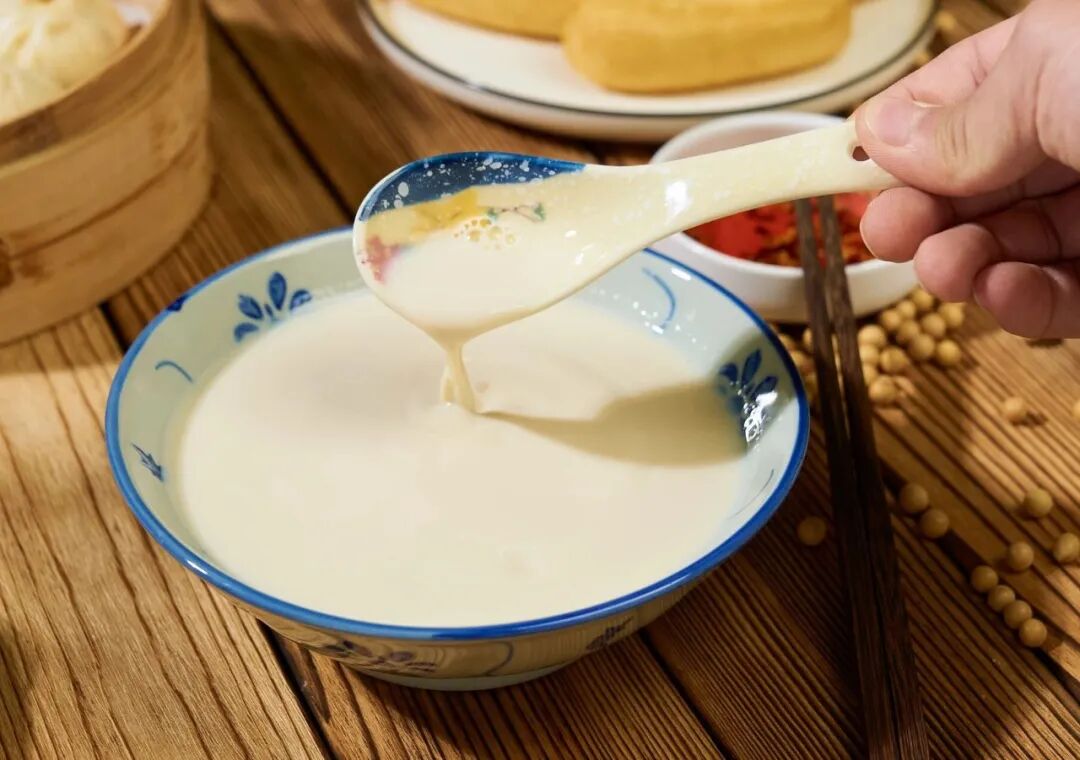
Tofu, soybean milk, Rolls of dried bean milk creams...These cheap and easily accessible ingredients may seem unremarkable, but they are actually "good things" for the heart, blood vessels, and even for reducing the risk of cancer. Don't miss them just because of some online rumors!
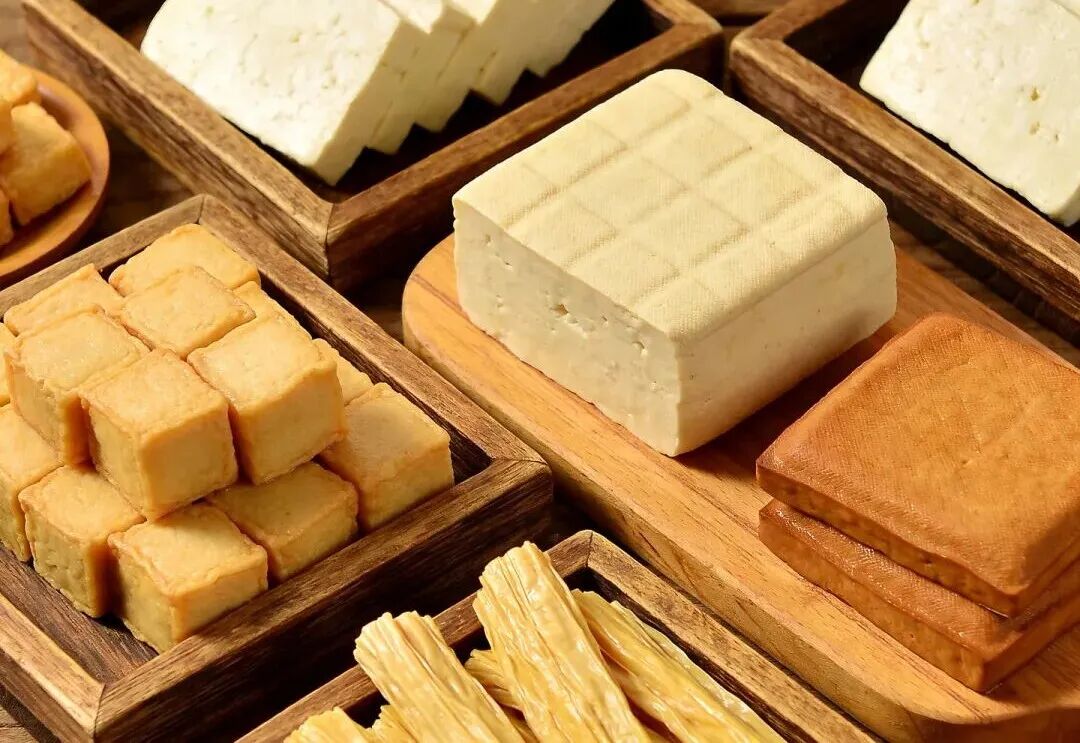
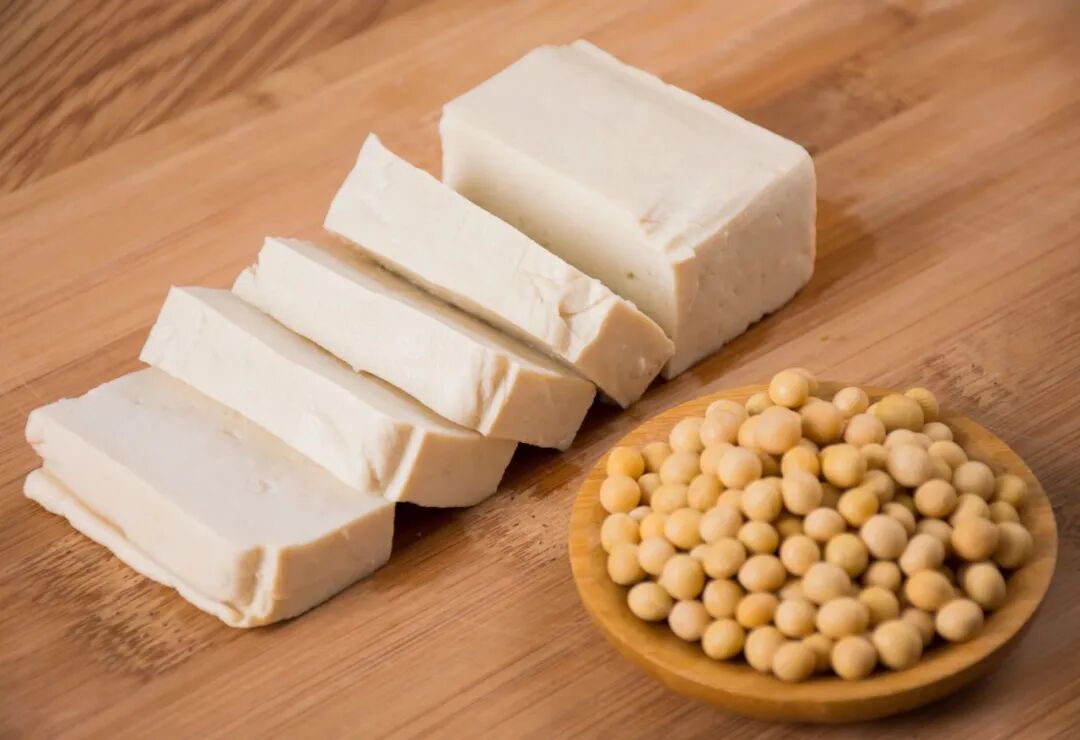
Each tiny bean may seem unremarkable, but each one is a nutritional treasure trove. Not only does it boast a protein content comparable to that of pork, but it is also low in fat and high in fiber, with a complete range of calcium, magnesium, and vitamins. Furthermore, it contains unique nutrients found in legumes: soy isoflavones, a polyphenolic compound that bears great resemblance to human estrogen. Its uniqueness lies in its bidirectional regulatory effect, supplementing estrogen levels when they are low and inhibiting them when they are high.
② Soyasaponin: is the most important active ingredient in leguminous plants besides protein, with lipid-lowering, antithrombotic, anti-inflammatory, and immunomodulatory effects, making it a truly versatile substance.
③ Lecithin: mainly found in cell membranes, is not only an important nutrient but also a key substance for maintaining nerve conduction and fat metabolism.
1. Reduced Cancer Risk
A comprehensive meta-analysis conducted in Chinaanalyzed 52studies on soy product consumption and found that consuming an additional150grams of soy products per day reduces the risk of cancer by35%; consuming an additional100grams of tofu per day reduces the risk of cancer by32%; consuming an additional30grams of soybean milk per day reduces the risk of cancer by46%[1]. Replacing animal protein from red meat with plant protein, which accounts for 3% of total calories, can reduce the risk of 25%.
2. Improved cardiovascular and cerebrovascular health
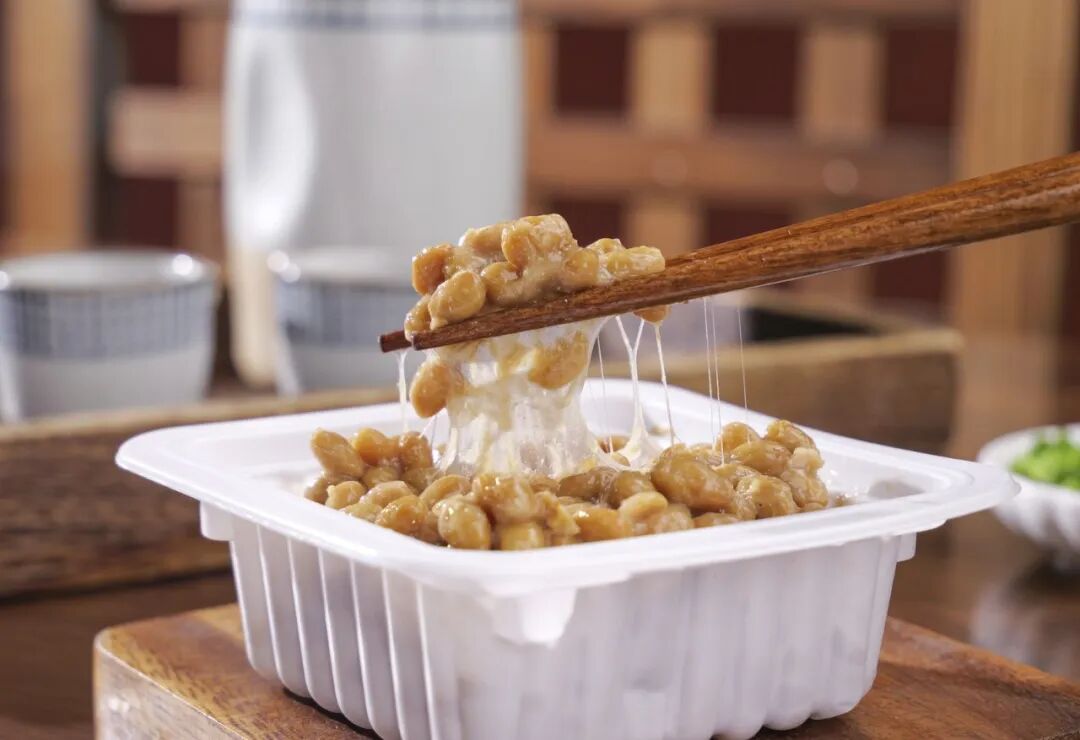
Studies have found that consuming 26.7 grams of tofu per day can reduce the risk of cardiovascular diseases by 18%, and consuming 11 grams of natto per day can reduce the risk of cardiovascular and cerebrovascular diseases by 17%, especially for stroke[2]. Compared to those who consume less than 125 grams of soy products per day, individuals who consume more than 125 grams of soy products per day have a 27% reduced risk of developing hypertension.
3、 Healthy until old age,Long life
There is a saying"Eat meat for short life, eat beans for long life< H489>”,2024 A study conducted by Harvard University in 2015 provided scientific evidence that legumes have the highest absorption and utilization rate of plant protein. People who consume more plant protein in middle age are more likely to be healthy and old in their later years.46%, increasing10grams of plant protein per day increases the likelihood of being healthy and old< H521>35%[4]。.

Let's take a look at what the "Dietary Guidelines for Chinese Residents (2022)" says[5]: it is recommended that each person eat 105~175 grams of soybeans per week, which amounts to 15~25 grams per day.
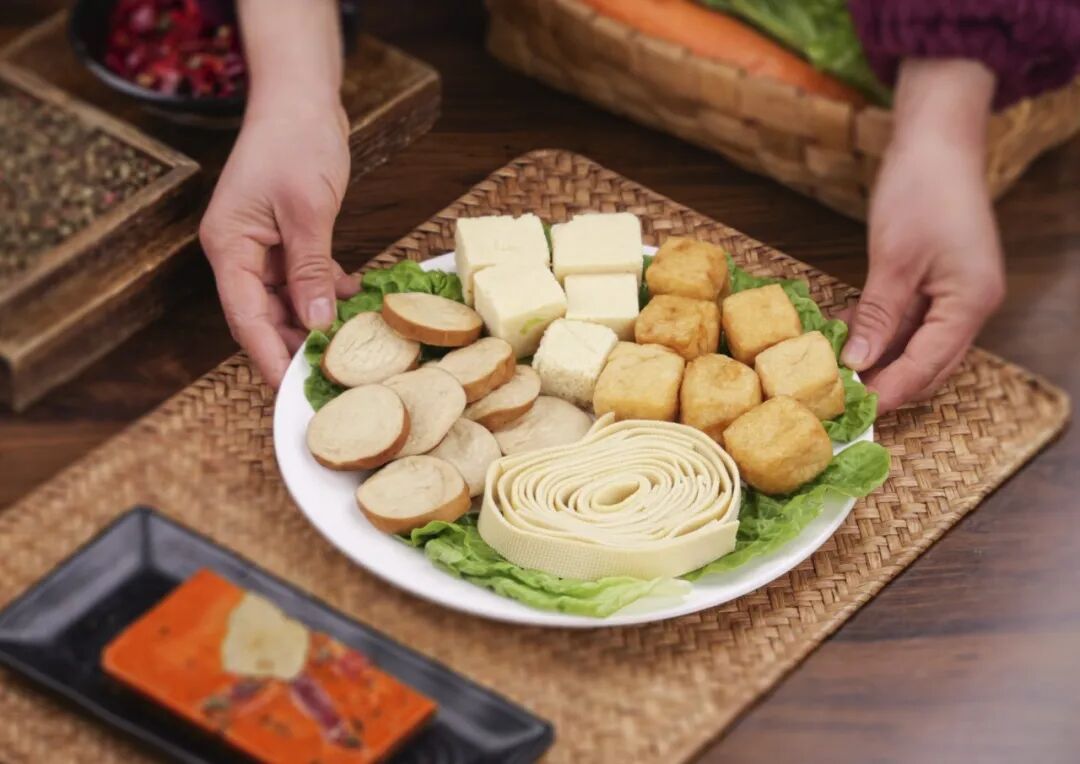
Converted to the daily foods we eat, such as tofu, dried tofu, thousand sheets, tofu skin, bean curd jelly served with sauce, soybean milk, etc. :
50grams of soybeans≈northern tofu145grams
50grams of soybeans≈southern tofu
50g soybeans≈Tofu with Inner Filler350
50g soybeans≈Dried Tofu110g
50g soybeans≈Tofu Shreds80g
50g soybeans≈Vegetarian Chicken105g
50g soybeans≈Soy Milk730g
*Adding another ingredient to soy milk doubles its nutrition:
✔ Soy Milk+Oats → double dietary fiber
✔ Soy Milk+Black Sesame Powder → better calcium supplement than milk
*Advanced ways to eat tofu:
✔ Steaming tofu with eggs, higher protein absorption rate
✔ Freezing tofu before eating, absorbs flavors and locks in nutrients better
Lastly, besides soy products, we have prepared more recipes for obtaining plant protein for everyone, please leave a message with 'plant protein' to obtain them.
References:
[1] Wang, C., Ding, K., Xie, X., et al. (2024). Soy product consumption and the risk of cancer: a systematic review and meta-analysis of observational studies. Nutrients. doi:10.3390/nu16070986
[2] Soy Consumption and the Risk of Type 2 Diabetes and Cardiovascular Diseases: A Systematic Review and Meta-Analysis. Nutrients, 2023, 15(6):1358.
[3] Zuo X, Zhao R, Wu M, Wan Q, Li T. Soy Consumption and the Risk of Type 2 Diabetes and Cardiovascular Diseases: A Systematic Review and Meta-Analysis. Nutrients. 2023 Mar 10; 15 (6): 1358.
[4] KoratAVK, Shea MK, Jacques PF, et al. Dietary protein intake in midlife in relation to health aging - results from the prospective Nurses' Health Study cohort. Am J Clin Nutr, January 17, 2024.
[5] Chinese Dietary Guidelines for Residents (2022) [6] "Multidisciplinary Expert Consensus on Diagnosis and Treatment of Hyperuricemia Related Diseases in China (2023 Edition)"
Click to view past science popularization
Address: Room 1101 (Unit 101), 11th Floor, Building 1, No. 7 Courtyard, Kexueyuan Road, Life Science Park, Changping District, Beijing
Phone:010-8265 9866
Email:lehemedneo@hotmail.com