About Lehe
乐于心,和与众,与己乐,与人和; 心宽念纯,百病无生。

乐于心,和与众,与己乐,与人和; 心宽念纯,百病无生。


Glioblastoma, with a recurrence rate close to 100%[1];
Epithelial ovarian cancer, with a recurrence rate up to 85%[2];
Pancreatic cancer, with an overall recurrence rate as high as 80%[3];
Liver cancer, 5 years with an overall recurrence rate of 50% to 70%[4];
Breast cancer, the overall recurrence rate is 30%[5];
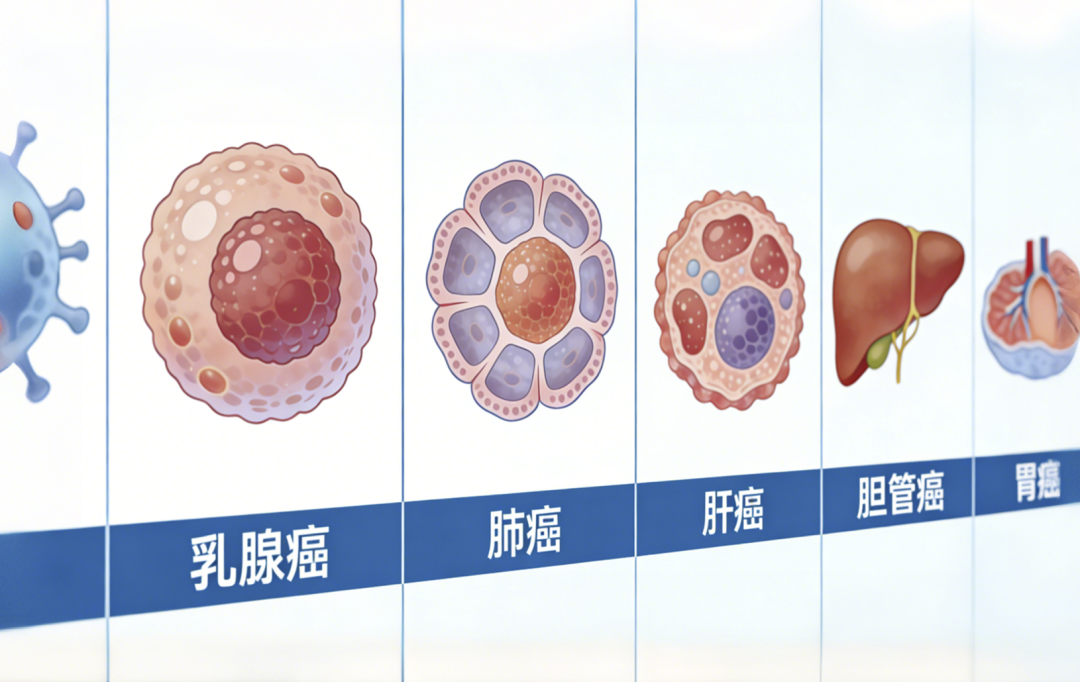
The surgery was successful, and the tumor was completely removed; several or even over ten courses of chemotherapy were administered; expensive targeted drugs were also taken, so why did it recur? Did all these treatments fail to kill the cancer cells?
Actually, recurrence is not a failure of treatment. Today, I will tell you the truth from an immunological perspective.
① Surgery
Many patients, upon undergoing a "radical surgery" for cancer, mistakenly believe that their cancer has been completely cured. However, one should not be misled by the term "radical".
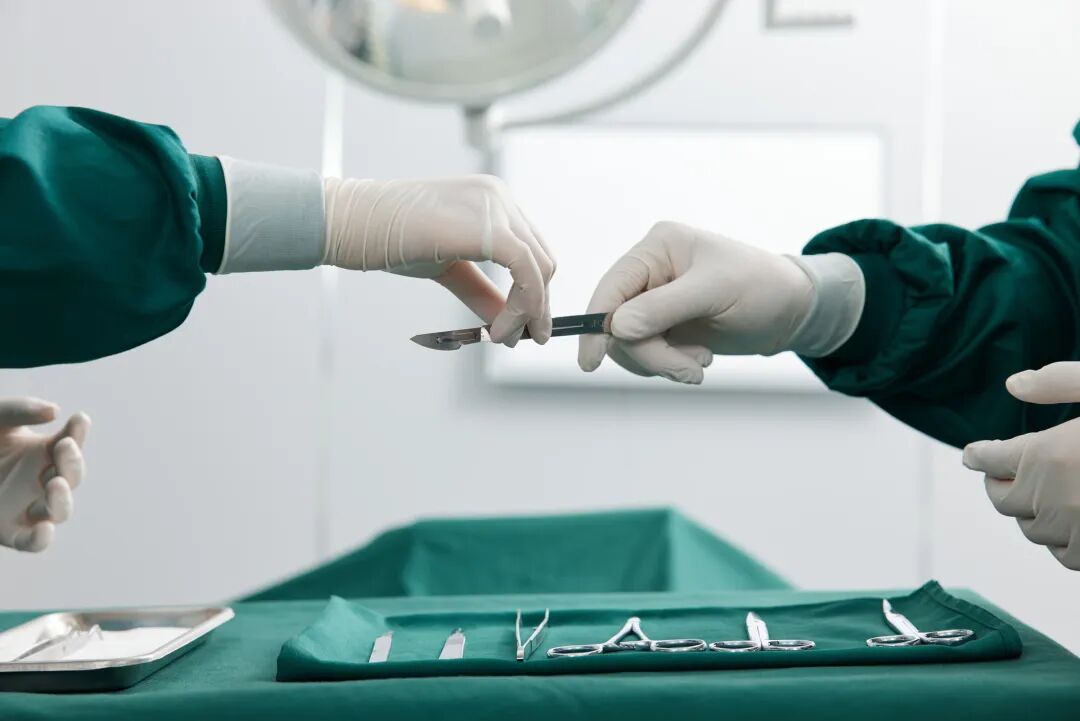
The so-called radical surgery merely involves expanding the resection range to include surrounding suspicious tissues and lymph nodes during tumor removal. However, surgery is ultimately only a local treatment. For tumors that are large or highly malignant, cancer cells may have already metastasized to other body parts through the blood or lymphatic systems. It is challenging to completely eradicate cancer cells through surgery alone.
In addition to these invisible cancer cells that escape the net, surgery itself also has certain limitations in terms of vision, operation, and pathological judgment.
Therefore, although radical surgery may remove 90% of cancer cells, there will still be cancer cells that escape and hide in the body.
Similarly, radiotherapy, which is also a local treatment, is the same. In order to reduce damage to other normal tissues, precision radiotherapy targets only the lesion site and cannot achieve 100% clearance of cancer cells. ② Chemotherapy
To further clean up cancer cells that surgery cannot remove, systemic treatment "chemotherapy" comes into play, using drugs to circulate throughout the body to pursue and kill cancer cells that have spread to other locations.
But unfortunately, it is important to tell everyone that it is basically impossible to kill all cancer cells through chemotherapy!
Because cancer cells are too cunning, when facing the pursuit of chemotherapy drugs,Cancer cells do not stand still and wait for death, but choose to actively evolve to save their lives. This is also why some patients have good results at the beginning of chemotherapy, but the effect becomes less obvious as chemotherapy progresses. That is what doctors often refer to as' secondary drug resistance '.
Moreover, chemotherapy drugs have the characteristic of distinguishing friend from foe, and they also cause great damage to normal cells. The idea of relying on chemotherapy to kill the last cancer cell"is not realistic.
③ Targeted drugs
Compared with chemotherapy, targeted drugs have improved accuracy and reduced damage to normal cells.

However, the targeted drugs clinically used are primarily specifically designed to target a particular type of gene mutation. However, tumors are composed of cancer cells with various genotypes and phenotypes. In such cases, targeted drugs that only target one gene mutation find it difficult to completely eradicate all cancer cells, leaving behind some cancer cells that are insensitive to the targeted drugs and continue to proliferate.
Therefore, targeted drugs cannot completely eliminate cancer cells.
You may have questions here, since so many treatment methods have failed to 100% kill cancer cells, why isn't the recurrence rate of cancer 100% , and why do some people not experience recurrence?
This brings us to the immune system, which plays a crucial role in supporting cancer treatment.
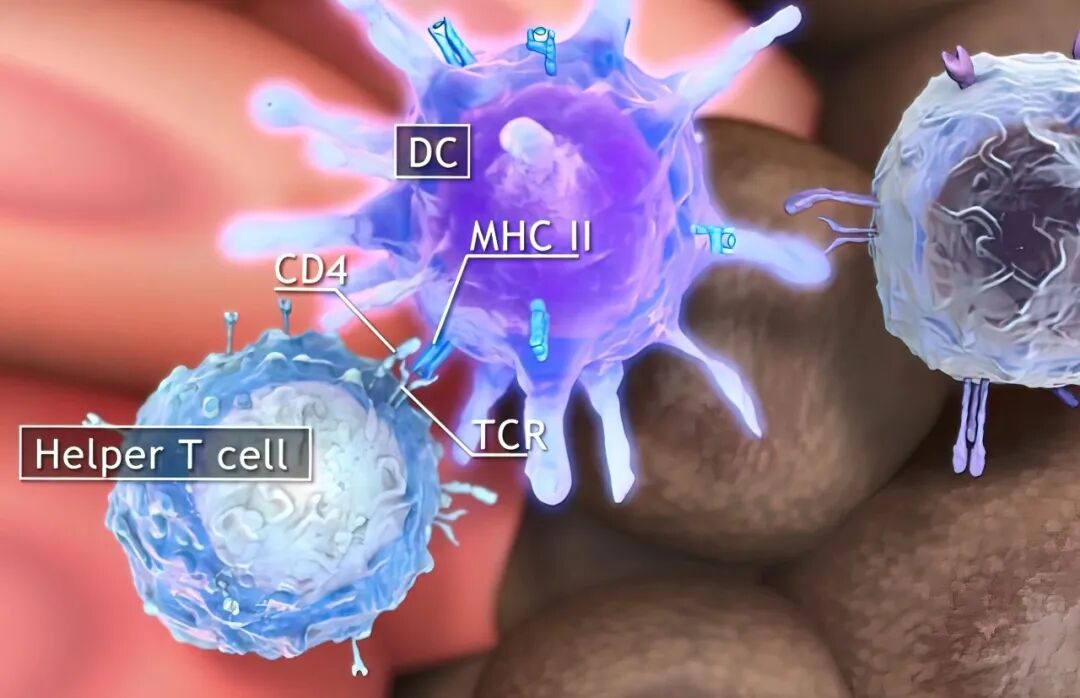
《Nature》 A blockbuster study on the immune status of cancer patients was published in the paper. The survival time of[6]82<6
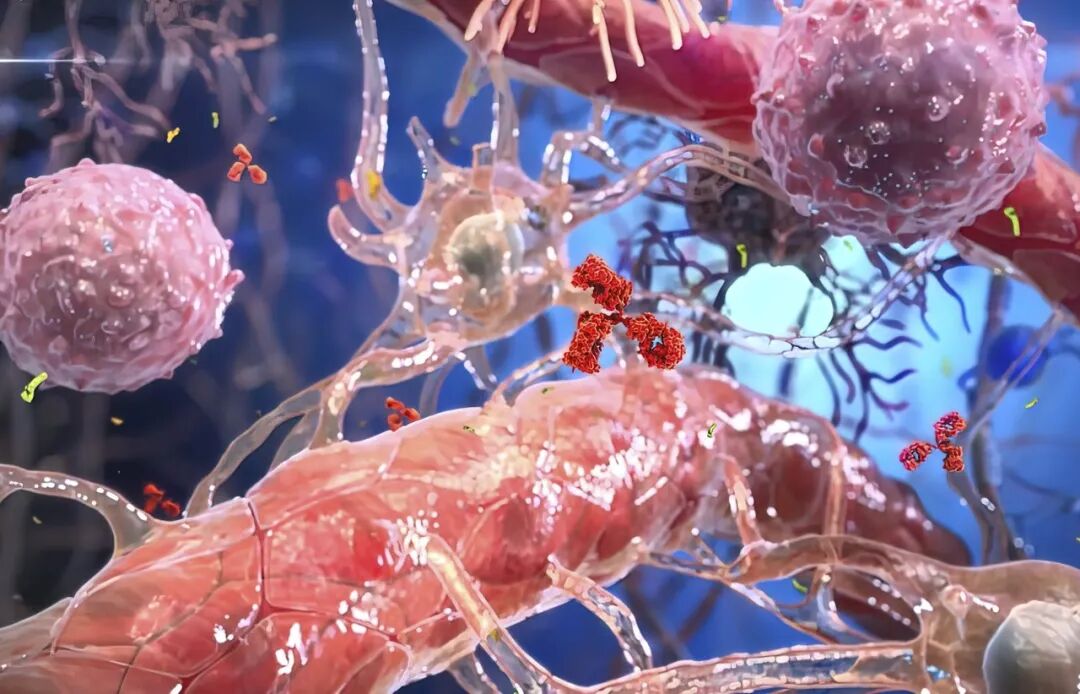
From this perspective, it reflects the impact of the number and activity of immune cells on the survival period of cancer patients, which is also why some people can remain relapse-free
Currently, the three main methods of cancer treatment are surgery, radiotherapy, and chemotherapy, aimed at rapidly eliminating visible lesions. However, patients often lack understanding of subsequent immune system reconstruction plans.
Click ↓ on the video to quickly learn about immunotherapy for cancer patients.
Professor Zhang Minghui emphasizes: "If cancer treatment only focuses on the tumor itself, without paying attention to immune enhancement, it is like extinguishing a fire without cleaning up the embers. Reignition is only a matter of time. ”
Preventing recurrence is a competition of whose body has more “fighting power”. Immunity is not omnipotent, but without immunity, all treatments may fail.
To know the most suitable comprehensive immunotherapy plan for you, please leave a message to exchange ideas.
References:
[1] Nabors LB, Portnow J, Baehring J, et al. Central Nervous System Cancers, Version 1.2018. NCCN Clinical Practice Guidelines in Oncology. March 20, 2018.
[2] Corrado G, Salutari V, Palluzzi E, Distefano MG, Scambia G, Ferrandina G. Optimizing treatment in recurrent epithelial ovarian cancer. Expert Rev Anticancer Ther. 2017; 17:1147-1158. doi: 10.1080/14737140.2017.1398088
[3] Nishio K, Kimura K, Amano R, et al. Preoperative predictors for early recurrence of resectable pancreatic cancer. World J Surg Oncol. 2017; 15:16. doi: 10.1186/s12957-016-1078-z
[4] Guidelines for Liver Cancer Screening in the Chinese Population (2022, Beijing)
[5] Colleoni M, Sun Z, Price KN, et al. Annual hazard rates of recurrence for breast cancer during 24 years of follow-up: results from the International Breast Cancer Study Group Trials I to V. J Clin Oncol. 2016; 34:927-935. doi: 10.1200/JCO.2015.62.3504
[6] Lerner EC, Woroniecka KI, D'Anniballe VM, et al. CD8+ T cells maintain killing of MHC-I-negative tumor cells through the NKG2D-NKG2DL axis. Nat Cancer. 2023. doi:10.1038/s43018-023-00600-4.
Click to view past science popularization
Address: Room 1101 (Unit 101), 11th Floor, Building 1, No. 7 Courtyard, Kexueyuan Road, Life Science Park, Changping District, Beijing
Phone:010-8265 9866
Email:lehemedneo@hotmail.com