About Lehe
乐于心,和与众,与己乐,与人和; 心宽念纯,百病无生。

乐于心,和与众,与己乐,与人和; 心宽念纯,百病无生。


If there is anything more anxiety-inducing than being diagnosed with cancer, what could it be?
It must be recurrence and metastasis!
According to statistics, the majority (approximately 90%) of cancer-related deaths are caused by the primary tumor cells metastasizing to sites far from the initial location[1].
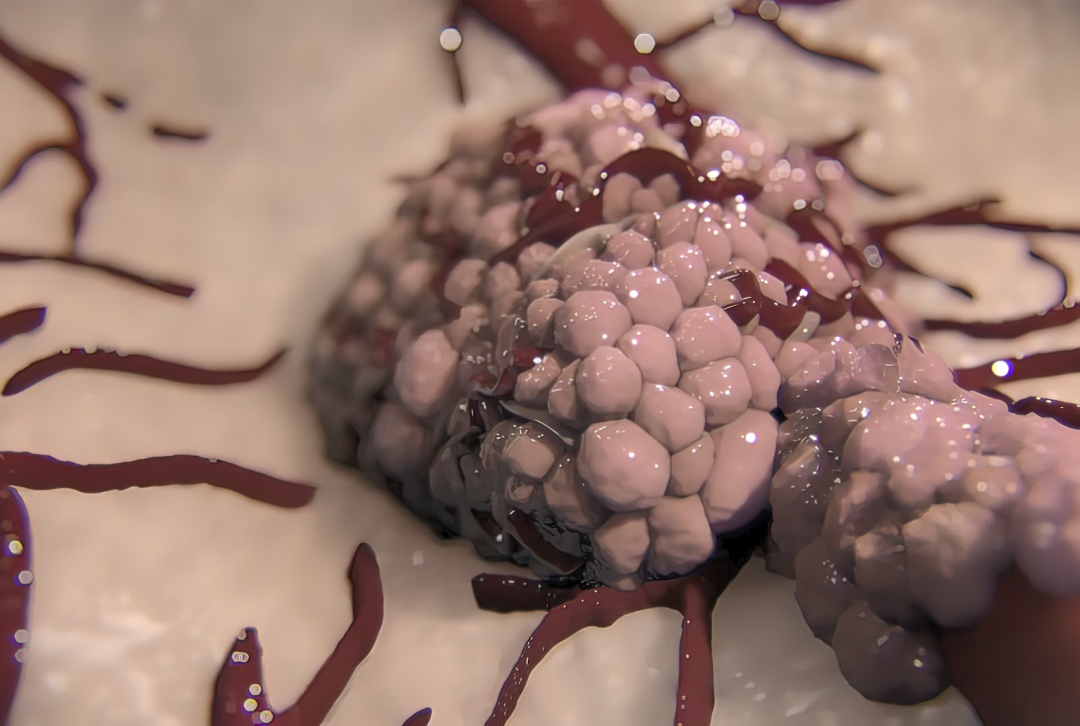
Why does cancer still come back even after successful surgical removal, chemotherapy, and radiation therapy have reduced tumor markers to normal levels, and all the treatments prescribed by doctors have been completed?
As an immunology researcher, today I want to tell you the truth about cancer recurrence and metastasis from a perspective different from traditional medicine! I hope to be of help to everyone.
The immune system is invisible and intangible to ordinary people. However, from the microscopic perspective of immunology, cancer arises when the immune system loses its ability to recognize and eliminate abnormal cancer cells and allows cancer to develop and progress. Moreover, cancer cells can exploit the weaknesses of the immune system to deceive and subvert immune cells, achieving immune evasion and shaping an immunosuppressive microenvironment.
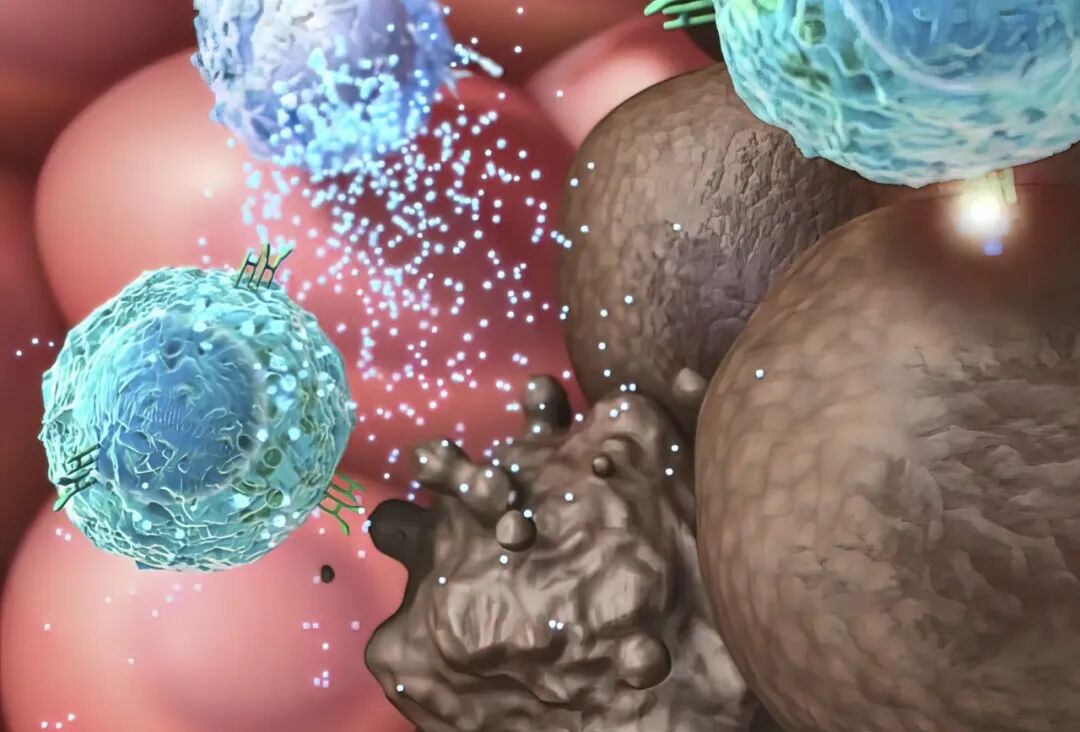
After cancer is discovered, surgical stress response, radiation damage from radiotherapy, indiscriminate attacks from chemotherapy drugs, off-target effects of targeted therapy, and so on, can all become the last straw that overwhelms the immune system.
However, cancer patients often focus on removing tumors and eliminating cancer cells, neglecting the importance of rebuilding the body's "immune homeland."They mistakenly regard the disappearance of tumors as the end point of cancer treatment, and when the remaining cancer cells survive surgery, radiotherapy, and chemotherapy, they become stronger, while the immune system is already exhausted. During such a immune trough, it provides an opportunity for recurrence and metastasis
When it comes to boosting immunity, many people's first reaction is to “Eat more good food to nourish the body”. As a result, sea cucumber, abalone, chicken soup, and pork rib soup are all in rotation.
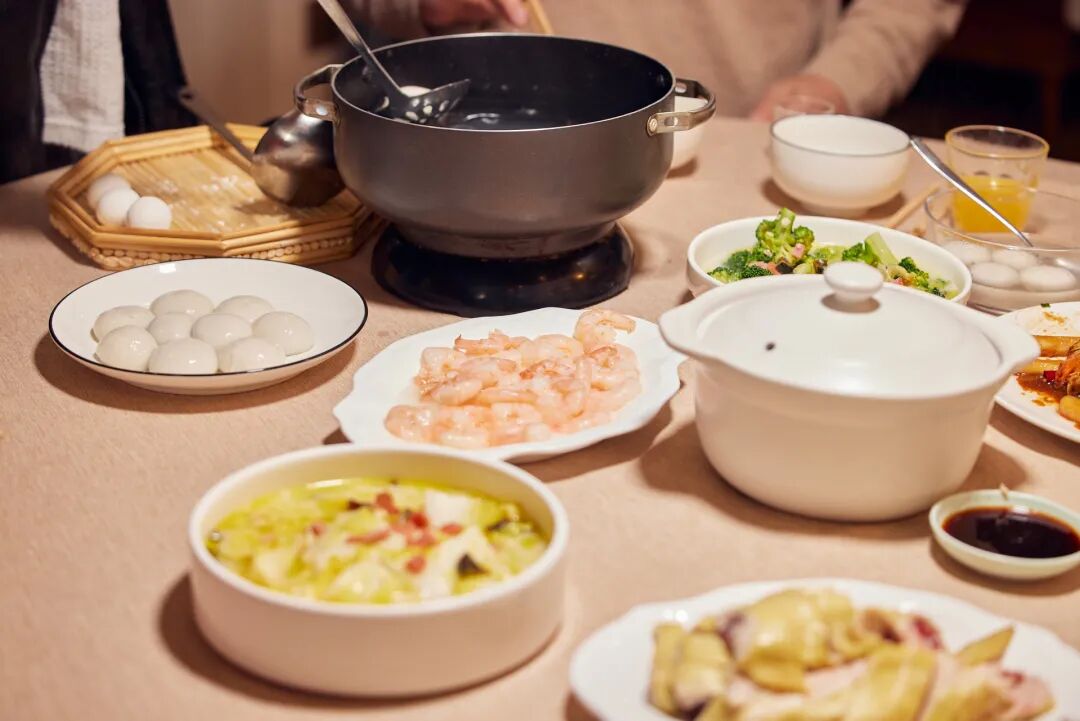
Hold your horses before you eat. The immune system is not a “foodie”.
In the previous content, we have summarized four major immune enhancement strategies for daily life, including how to eat, sleep, move, and be happy. For readers who haven't claimed them yet, please leave a message with "Immunity" to claim them. Today, we will mainly discuss the selection of proven common immune regulatory methods from the perspective of scientific and efficient assistance, that is, seeking external support for the immune system. We will cover 1. Thymosin drugs, represented by thymosin alpha 1 (Recombinant Human Thymosin Alpha 1), are well-known immune regulators for cancer patients. This type of thymic peptide drug simulates thymic hormones and belongs to endogenous immune regulation. It improves the patient's immune function by promoting the development, proliferation, and differentiation ofTcells in the body. Its status belongs to auxiliary regulation, indirectly improving outcomes. [2]
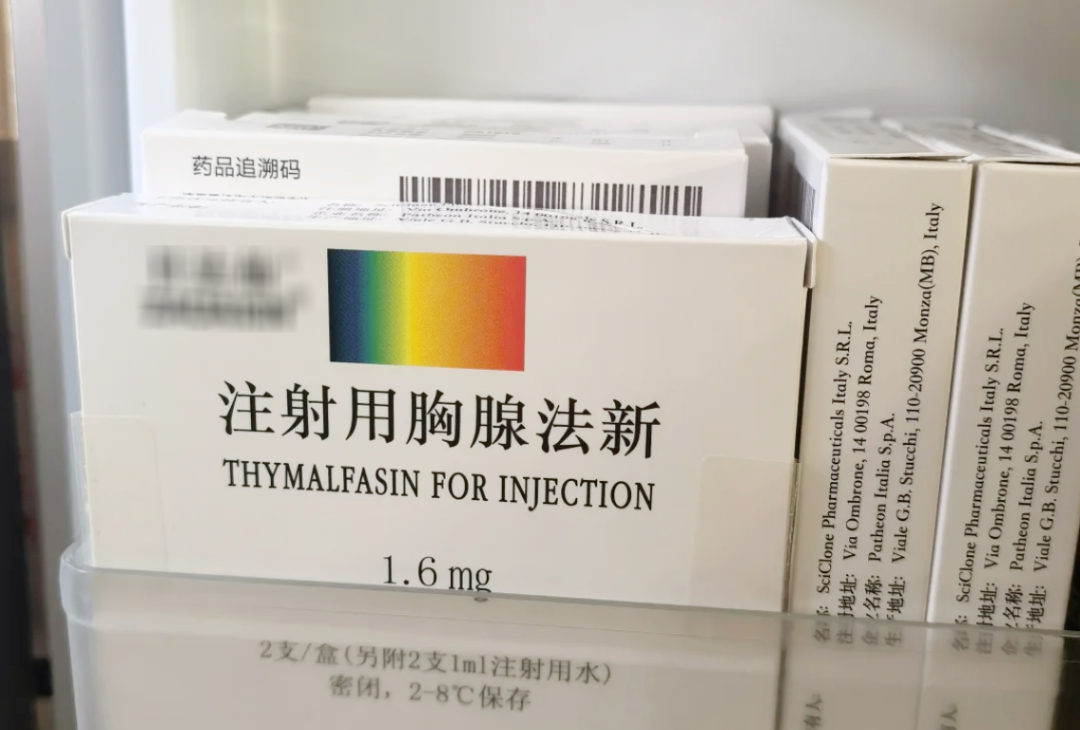
According to the current research, the research of thymosin is mainly focused on lung cancer, liver cancer, breast cancer, and colorectal cancer in terms of auxiliary immune enhancement after tumor surgery, which needs to be determined after evaluation by professional doctors.
2、PD-1/PD-L1 Inhibitors
These types of immune checkpoint inhibitors belong to anti-tumor immunotherapy drugs. Their principle of action is not to directly kill cancer cells, but to re release the immune system suppressed by the tumor, allowing immune cells represented byTcells in the patient's body to regain the ability to recognize and attack cancer cells, thereby blocking the immune escape of cancer cells.
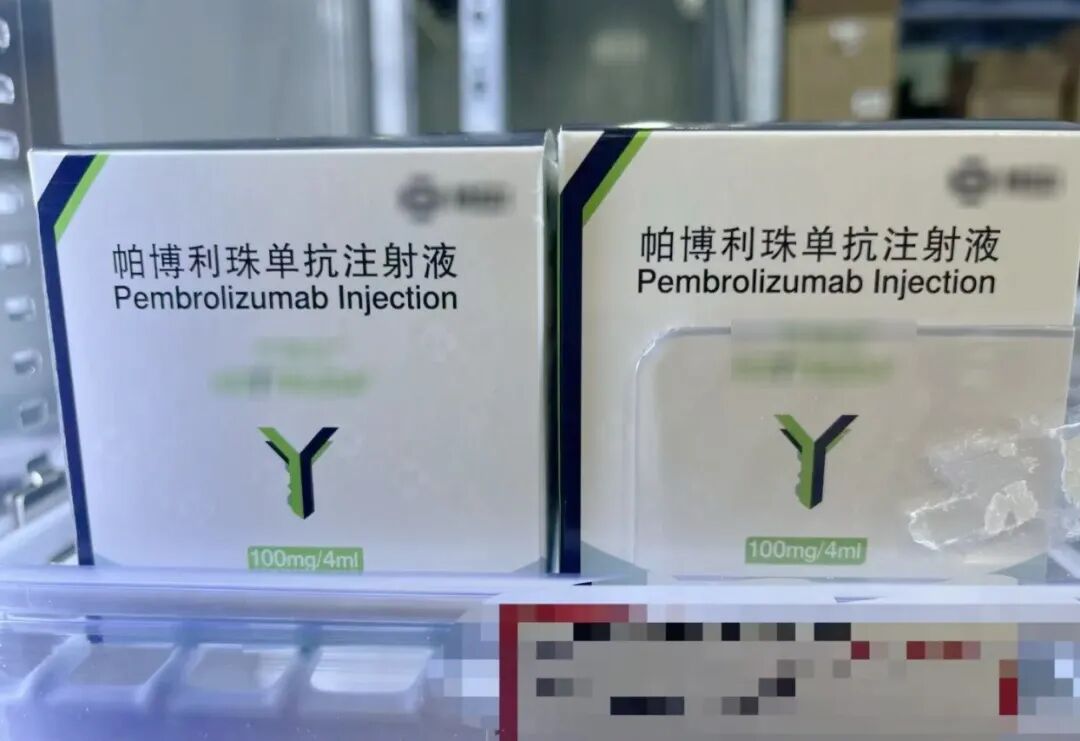
Although the application of PD-1/PD-L1 inhibitors is already quite mature at this stage, the limitations of PD-L1 expression may lead to uncertainty in patient outcomes. For example, some patients may have high expression but benefit little or not at all, while others with low expression or even negative expression may still benefit. Moreover, PD-1/PD-L1 inhibitors, like chemotherapy drugs and targeted drugs, can also develop resistance. That is to say, once PD-1/PD-L1 resistance occurs, there are fewer second-line treatment options available, and the efficacy is often inferior to first-line treatment.
3, immune cell therapy
represented by the vNKT cells studied by Dr. Zhang Minghui's team, belongs to adoptive immunotherapy infusion. It is a treatment method that specifically amplifies vNKT immune cells capable of directly killing cancer cells in healthy individuals, while simultaneously killing inhibitory immune cells MDSCs, breaking tumor immune evasion and rebuilding a normal immune system.

vNKT cells, as a kind of “exogenous” immune cell infusion, exert their effect more directly than thymosin-based drugs, while also possessing the ability to break immune suppression with PD-1/PD-L1 inhibitors. It holds great value in various solid tumors such as lung cancer, liver cancer, breast cancer, colorectal cancer, and gastric cancer. For patients at high risk of recurrence and metastasis, vNKT cell therapy is an ideal follow-up treatment, significantly improving patient prognosis.
In addition, vNKTImmune cell therapy utilizes the body's own more potent killer immune cell subsets, without relying on gene expression or matching. Moreover, live cell drugs do not produce drug resistance and can be combined with other treatment methods. This allows vNKTimmune cell therapyto meet more patient needs.
Today's article focuses not on how to eliminate tumors, but on how to repair the damaged immune system. It is suitable for all patients and their families who have just completed or are about to complete anti-tumor treatment.
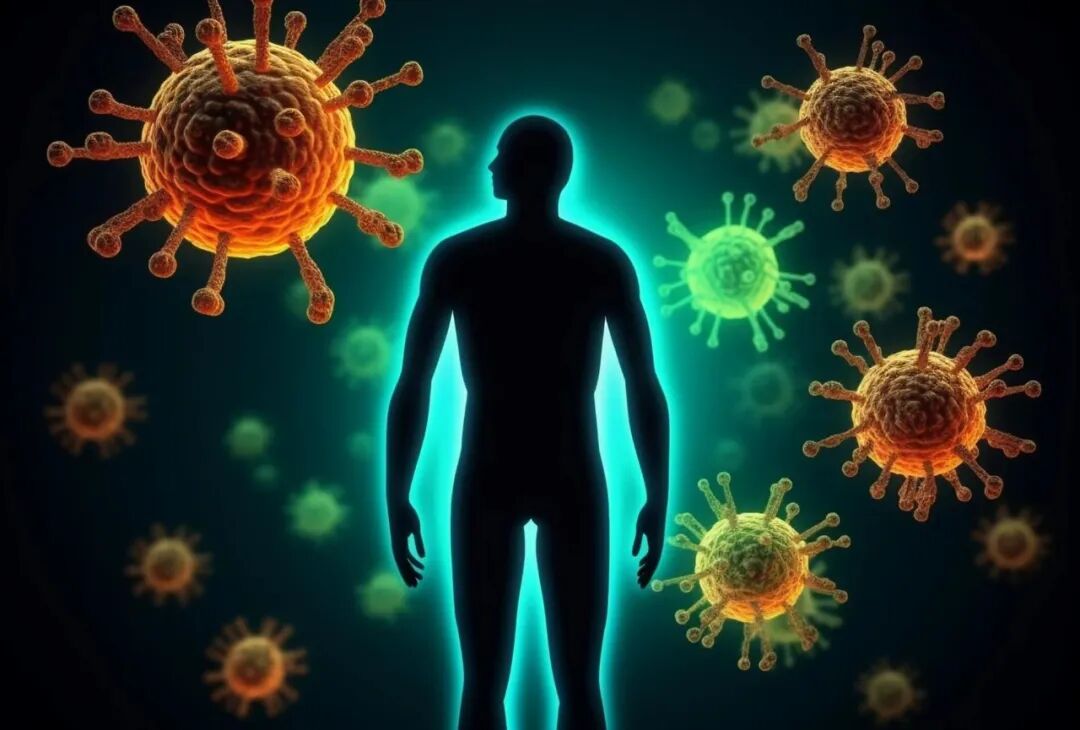
The essence of healing is to restore order. Surgery, radiotherapy, and chemotherapy only help us regain half of our lives. Timely leak repair and immune reconstruction after surgery can piece together the other half of our life map.
Let the body's defense system start functioning again. Don't just focus on the tumor, but also take a closer look at the invisible “immune army” in the body.
Plugging the leaks is the key to long-term stability.
Reference source:
[1]Chaffer CL, Weinberg RA. A perspective on cancer cell metastasis. Science. 2011; 331(6024):1559-1564.
[2]Xue XC,Yan Z,Li WN,et al. Construction,expression,and characterization of thymosin alpha-1 tandem repeatsin Escherichia coli[J]. Biomed Res Int,2013,doi:10.1155/2013/720285.
Click to view past science popularization

Address: Room 1101 (Unit 101), 11th Floor, Building 1, No. 7 Courtyard, Kexueyuan Road, Life Science Park, Changping District, Beijing
Phone:010-8265 9866
Email:lehemedneo@hotmail.com