About Lehe
乐于心,和与众,与己乐,与人和; 心宽念纯,百病无生。

乐于心,和与众,与己乐,与人和; 心宽念纯,百病无生。


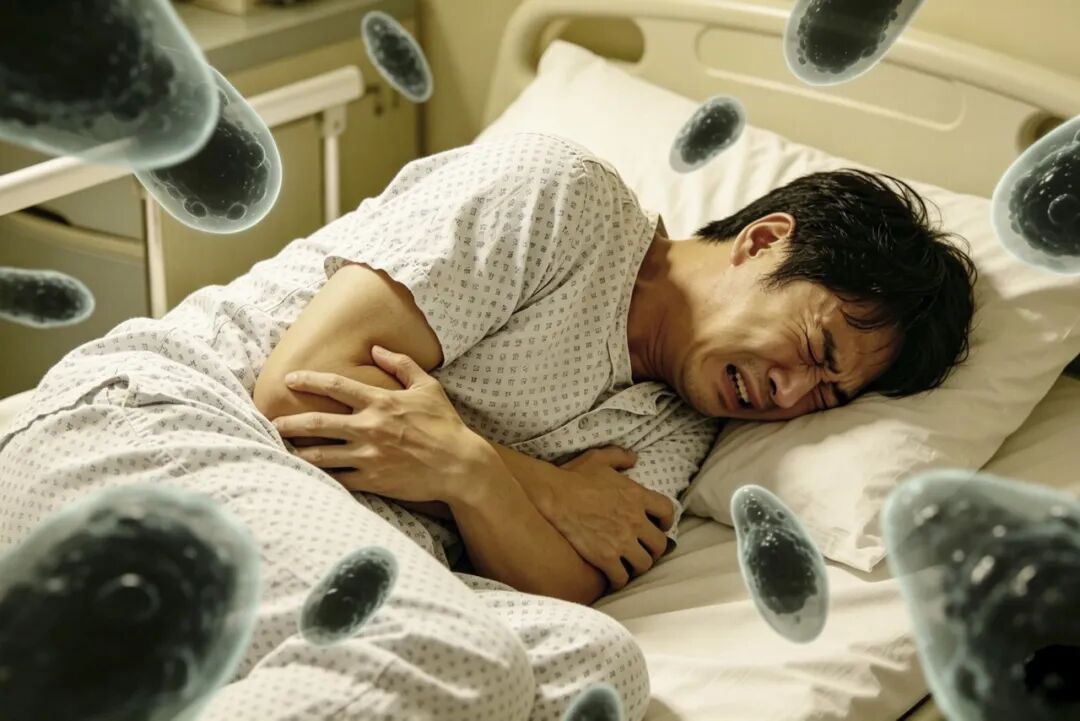
When it comes to cancer treatment methods, surgery, chemotherapy, radiotherapy, targeted drugs...The goal of various treatments is surprisingly consistent, which is to kill tumors and cancer cells. Thus, patients embark on a series of "life-and-death" battles with cancer. However, cancer cells are too cunning, not only difficult to kill, but also prone to resurgence. If chemotherapy is applied too strongly, it can cause significant damage to the patient's body.
While traditional treatment methods are still caught in a dilemma between "pursuit" and "damage", we adopt a new approach from an immunological perspective, transforming the one-sided violent confrontation against cancer cells into allowing the immune system to continuously guard against them, so that they can no longer cause any trouble. Wouldn't cancer then become less terrifying?
From an immunological perspective, cancer cells are not completely uncontrollable. We all know that normal people produce cancer cells every day, but these abnormal cells are recognized and eliminated by the immune police in the body to ensure the health of the host. However, the immune system of cancer patients is different. Their immune system is dysfunctional due to being deceived or suppressed by cancer cells, which gives cancer an opportunity to take advantage of the situation.
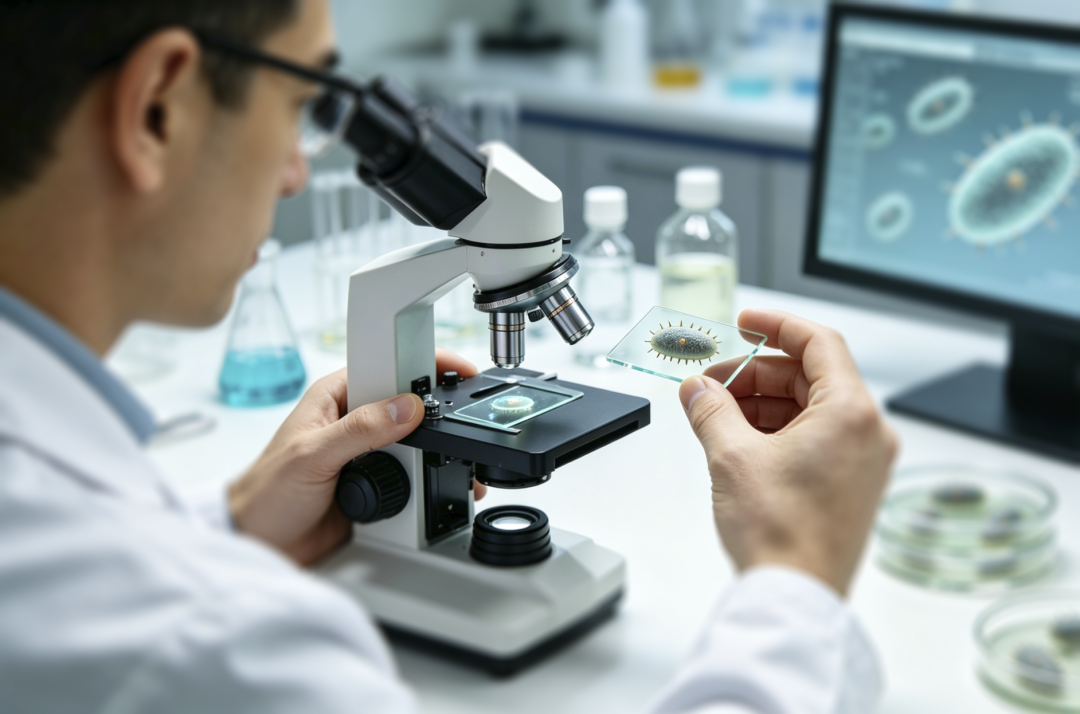
This precisely demonstrates that cancer cells can actually be "regulated" by . As long as traditional treatment methods reduce the tumor burden and allow the immune system to regain its regulatory ability, cancer cells can be restrained again!
2026NATURE CANCER confirms that it is entirely feasible to allow cancer cells to return to the immune system for takeover[1].
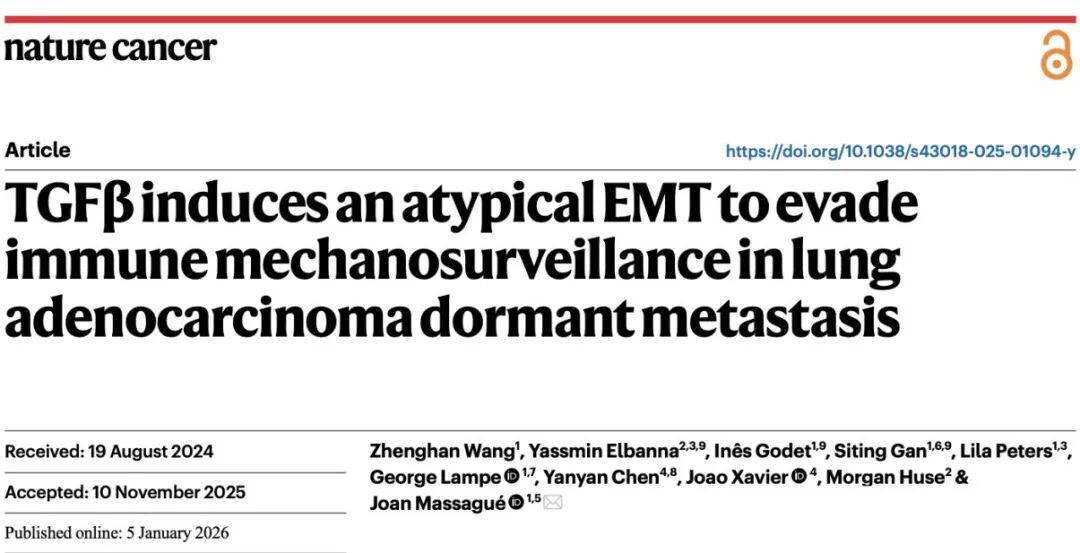
To achieve this, the first step is to break the dormant camouflage of cancer cells. Researchers discovered by inoculating lung adenocarcinoma cells into the lungs of immunocompetent mice that cancer cells, in order to survive, choose to activate an atypical "epithelial-mesenchymal transition" (EMT) process through TGFβ signaling. This process makes cancer cells "soften". From the perspective of biomechanics, cytotoxic T cells and NK cells need to form a link with cancer cells through "immune synapses" when killing cancer cells. At this time, the higher the surface hardness of cancer cells, the more efficiently immune cells can inject perforin and granzyme. Conversely, if cancer cells are too soft, immune cells will find it difficult to form effective killing, allowing cancer cells to escape immune surveillance.
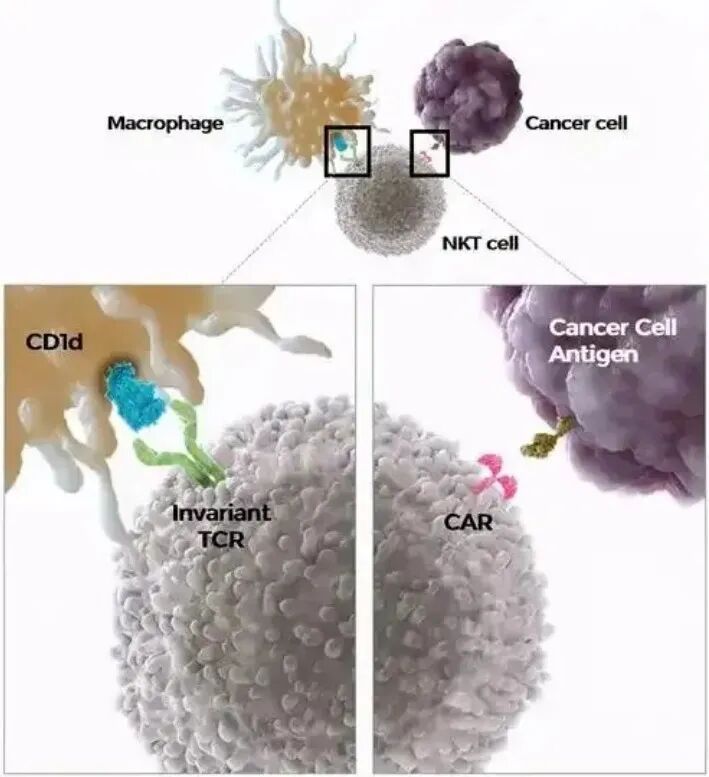
This discovery provides a breakthrough for research. If we knock out the "softening gene" of cancer cells and re-issue a "wanted notice" to them, won't immune cells immediately eliminate them once they awaken from their dormant state? This strategy of "inducing dormancy + immune surveillance" is not about killing all cancer cells, but rather to keep cancer cells from waking up for a long time. Once they awaken, the immune system can quickly eliminate them , in short, to transform cancer into a controllable chronic disease.
From an immunological perspective, the essence of cancer is immune imbalance. When we no longer insist on eliminating cancer cells, but instead begin to see the role of rebuilding immune surveillance, perhaps this is the ultimate wisdom in fighting cancer.
Considering the human body as a delicate ecosystem, the best state is not "life or death", but rather "coexistence". In the past, cancer patients always consumed their hopes in the fight against the disease. Nowadays, more and more people are beginning to focus on long-term coexistence with cancer, which also brings another possibility.
Reference source:
[1]Wang, Z., Elbanna, Y., Godet, I. et al. TGFβ induces an atypical EMT to evade immune mechanosurveillance in lung adenocarcinoma dormant metastasis. Nat Cancer 7, 131–149 (2026). https://doi.org/10.1038/s43018-025-01094-y
Click to view past science popularization
Address: Room 1101 (Unit 101), 11th Floor, Building 1, No. 7 Courtyard, Kexueyuan Road, Life Science Park, Changping District, Beijing
Phone:010-8265 9866
Email:lehemedneo@hotmail.com