About Lehe
乐于心,和与众,与己乐,与人和; 心宽念纯,百病无生。
乐于心,和与众,与己乐,与人和; 心宽念纯,百病无生。


When it comes to chemotherapy, side effects and cumulative toxicity are always mentioned. Cancer patients' attitudes towards chemotherapy are oftenIf possible, do not use it, and if possible, use it less.

However,In many cases,"must use",Today, I want to remind everyone not to get confused about the key issue of. When should chemotherapy be stopped? Not only can chemotherapy drugs reach their peak efficacy in your body, but you won't suffer in vain; It can also switch tactics in a timely manner before cunning cancer cells develop resistance and counterattack, locking in the winning game!
Professor Zhang Minghui pointed out bluntly that"Imaging shows resistance too late! ”
In the current clinical "Solid Tumor Response Evaluation Criteria", the grading of tumor resistance evaluation still follows the assessment standards of past chemotherapy drugs. Only when disease progression occurs, the sum of the maximum diameters of target lesions increases by at least ≥20%, or new lesions appear , will it be determined that the current drug regimen is not ideal, tumor resistance has occurred, and the doctor needs to adjust the treatment regimen .[1-2]
Why does Professor Zhang emphasize: It's too late to detect resistance through imaging! This stems from the lag in imaging.
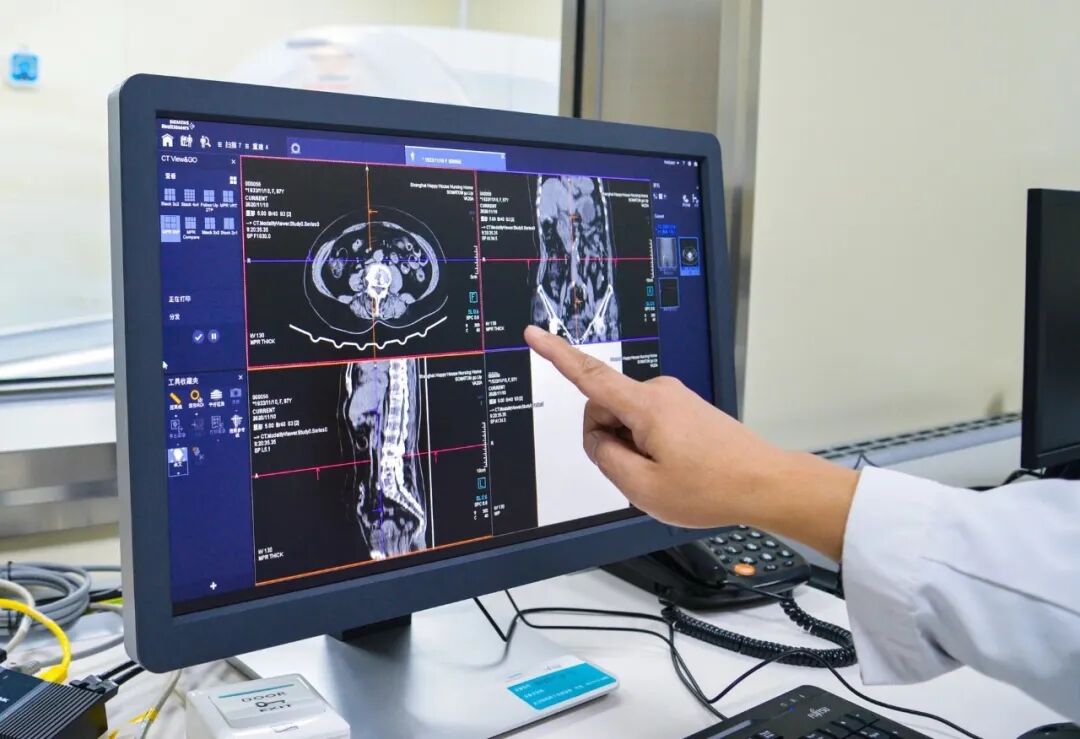
In imaging, tumors need to grow to about 1cm for them to be visible. However, for a single cancer cell to develop into a 1cm cancer cluster, it requires at least 30 or more doublings, and this is just an initial magnitude for imaging monitoring.
If we judge according to the criteria in the "Response Evaluation Criteria in Solid Tumors (RECIST)" that the treatment effect is poor and the condition indicates drug resistance, when a tumor with a diameter of1cm grows to1.2cm, the tumor volume has increased by about 70%, and the number of cancer cells has expanded over several weeks or even months, potentially more than doubled. By changing the medication at this point, the enemy has regained the upper hand, and in fact, the best opportunity to block it has been missed at the """molecular level".
Therefore, the true golden inflection point for the benefit of chemotherapy lies in the “plateau phase”
according to the rate of tumor shrinkage to determine whether drug resistance is imminent. Once imaging and tumor markers show values that seem to reach the “plateau phase”, the tumor no longer shrinks, and tumor markers no longer continue to decline, which may be the beginning of drug resistance.
At this stage, the drug-sensitive cancer cells have been almost completely eliminated, and the remaining ones are mainly drug-resistant cancer cells. At this time, the tumor exhibits a tailing or plateau growth curve under the pressure of chemotherapy, which does not mean the tumor is under control, but rather a signal that drug-resistant cells are beginning to dominate, often indicating a subsequent rebound.
When the "plateau phase" occurs, patients should start discussing with their doctors in advance about changing treatment plans, taking advantage of the fact that the number of drug-resistant cancer cell clones is still small, before it becomes a significant issue, and the microenvironment has not been completely reshaped, to actively break the drug resistance balance. This is a crucial turning point. If high-intensity chemotherapy is still maintained, the risk of organ toxicity may outweigh the benefits.
Finally, some patients may feel: "Whether to change the medication is up to the doctor, and no matter how much I know, I can't make the final decision."
However, Professor Zhang Minghui has repeatedly stated that patients are the first responsible persons for their own health, and their responsibility towards the treatment plan is no less than that of the doctor. In the case of a serious illness like cancer, doctors have professional clinical backgrounds, but patients have the most accurate perception of their own bodies and the ultimate decision-making power over their future quality of life. Actively participating in the formulation of treatment plans can often achieve unexpected therapeutic effects.

Reference source:
[1] New response evaluation criteria in solid tumors: Revised RECIST guideline (version 1.1)
[2]Re-optimization and implementation of response evaluation criteria in solid tumors. Journal of Traditional Chinese Oncology, 2023, 5(0):1-5.
Click to view past science popularization
Address: Room 1101 (Unit 101), 11th Floor, Building 1, No. 7 Courtyard, Kexueyuan Road, Life Science Park, Changping District, Beijing
Phone:010-8265 9866
Email:lehemedneo@hotmail.com