About Lehe
乐于心,和与众,与己乐,与人和; 心宽念纯,百病无生。

乐于心,和与众,与己乐,与人和; 心宽念纯,百病无生。


If I told you that there is a food that can eliminate 98.7% of cancer cells, and this food is the commonly seen and inexpensive sweet potato in daily life, would you also want to give it a try?
Don't be hasty. Let's start from authoritative research and uncover the true relationship between sweet potatoes and cancer.

Where did the news come from that sweet potatoes can eliminate 98.7% of cancer cells?
In 1995, researchers from the National Cancer Prevention Research Institute in Japan selected 260,000 people of different ages and genders to conduct a long-term tracking of their dietary habits.
After a comprehensive analysis, it was found that sweet potato ranks first among the 20types of anti-cancer vegetables. To further clarify the anti-cancer effect of sweet potato, researchers conducted cell experiments by mixing cancer cells with sweet potato extracts. It was observed that the activity of cancer cells was significantly inhibited, with the inhibition rate of cooked sweet potato reaching as high as 98.7%, and that of raw sweet potato also reaching 94.4%.
Reading this, do you also feel that “sweet potato is anti-cancer”is already an indisputable fact? It's still far from being so!
Whether it's cell experiments in the laboratory or the sweet potato extracts used in these experiments, the most crucial step —human clinical trial verification, is missing. There are differences in physiological structure and metabolic processes between animals and humans; moreover, the concentration and intake of sweet potato extracts used in the experiments are significantly different from those in sweet potatoes we consume daily.
Therefore, the experimental results that sweet potatoes can eliminate 98.7%of cancer cells cannot be simply applied. The Japanese study aimed to explore the correlation between vegetables and cancer, and did not assert that sweet potatoes have anti-cancer properties.
The True Value of Sweet Potatoes
Although sweet potatoes cannot directly “eliminate cancer cells”, as a healthy food, its nutritional value is commendable:
1, dietary fiber
Sweet potatoes are rich in dietary fiber, which is 10 times higher than that of refined rice and flour, and can promote gastrointestinal peristalsis and prevent constipation. 2017 In a research report, the World Cancer Research Foundation pointed out that foods rich in dietary fiber"are likely to prevent the occurrence of colorectal cancer".
2、β- Carotenoids, vitaminsCand folic acid
Sweet potatoesβ -Carotenoids (vitaminsAPrecursors, vitaminsC, and folic acid are all relatively abundant.They are also "star anti-cancer nutrients" in the diet, which help to eliminate free radicals and reduce oxidative stress damage..
3、 Dehydroepiandrosterone (DHEA)
DHEAhas many biological effects, including anti-cancer, immune enhancement, neurotrophic, and anti-aging effects. The chemical structure of this component is similar to that of adrenaline and steroids, and it has the effect of preventing breast cancer and colon cancer.

Eating Sweet Potatoes Scientifically: 4 Practical Tips
1. Cooking methods affect the glycemic index of sweet potatoes
Researchers classified sweet potatoes into four cooking methods: raw, steamed, boiled, and roasted. They found that steamed and boiled sweet potatoes have a lower glycemic index (GI) (with a GI of only 44), while roasted sweet potatoes can have a GI of up to 94, which has a greater impact on blood sugar.
In addition, there is little difference in fat content and protein between steamed and boiled sweet potatoes and roasted sweet potatoes.
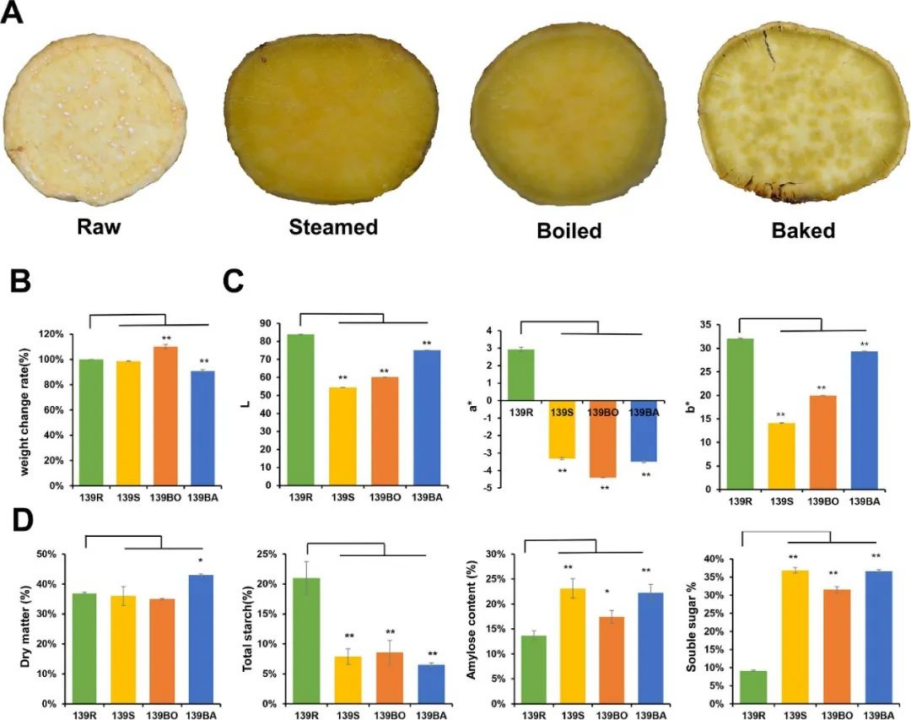
▲Raw sweet potatoes, steamed sweet potatoes, boiled sweet potatoes, and roasted sweet potatoes< H540>[1]
2、 Sweet potatoes have a slow increase in sugar when eaten cold
We often use the glycemic index (GI) to determine whether a type of sweet potato will quickly cause a rise in blood sugar. Although sweet potatoes are coarse grains, theirGIis
However, research has found that cooked hot sweet potatoesGIhave relatively high values, but when the sweet potatoes are cooled, some of the starch in them will regenerate, slowing down the digestion and absorption rate of starch.GISignificantly reduced. Can you choose to eat cold according to your body's sugar control needs? Is it still hot to eat?
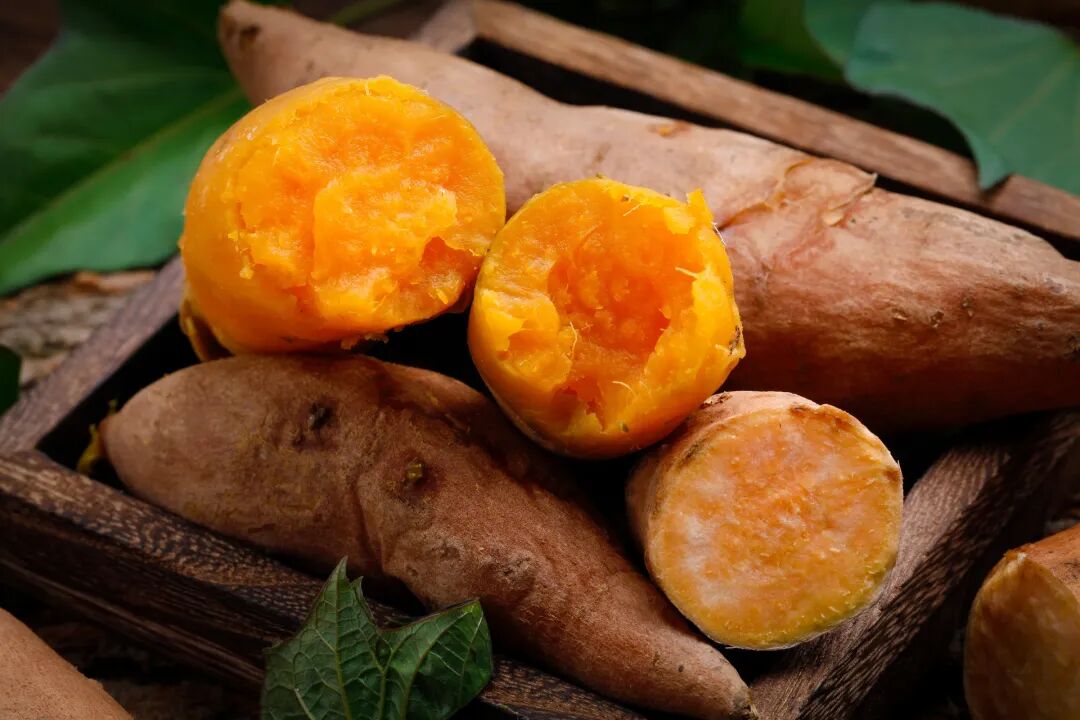
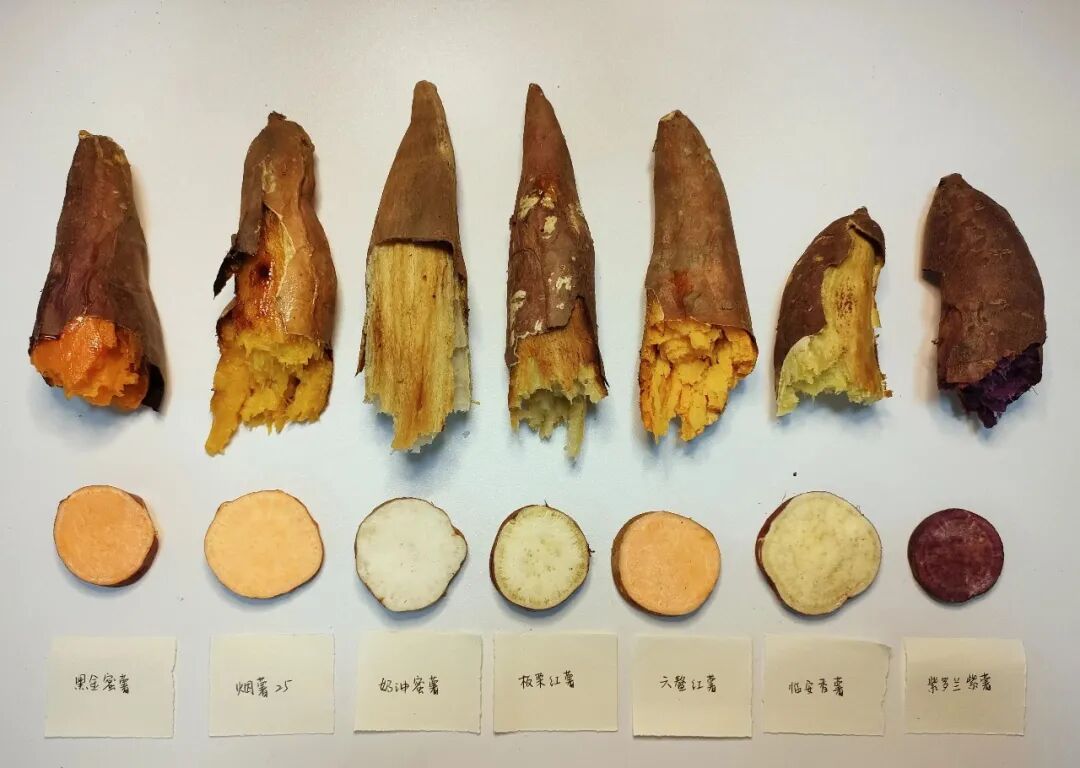
3、Purple sweet potato, sweet potato, and white sweet potato differ in their characteristics.
· Purple sweet potato, due to its high content of selenium and anthocyanins, exhibits a purple to deep purple flesh. Every 100grams of purple sweet potato contains approximately 60milligrams of anthocyanins, making it a powerful antioxidant. In addition to sharing the same nutritional components as sweet potato, purple sweet potato boasts higher levels of polyphenols, flavonoids, and zinc.
· Sweet potato, belonging to the “sweet potato family”, has a higher content of carotene. Every 100grams of sweet potato contains 1061 micrograms of β-carotene, which can help eliminate free radicals in the body, thereby enhancing the body's immune response. It also boasts a softer, sweeter texture.
· Sweet potato, in terms of nutritional value, is relatively mediocre, but it is rich in dietary fiber and starch. Its abundant dietary fiber is even comparable to some vegetables. Water-soluble dietary fiber not only has a high water-holding capacity but also helps reduce cholesterol in the body and promotes intestinal peristalsis, preventing constipation. It can be eaten as a substitute for some staple foods.
4. Eating sweet potatoes requires careful combination
Eating too many sweet potatoes may lead to discomfort symptoms such as abdominal distension and acid reflux, which we all have experience with. China's Dietary Guidelines recommend that the daily intake of sweet potatoes should be maintained between 50~100grams.
Paired with staple foods:Partially replace staple foods with rice/white flour and sweet potato in a 3:1ratio, and cook into sweet potato rice or sweet potato mantou.
Paired with other foods:Due to the low protein content of sweet potato, eating 300grams of rice per day can provide 20grams of protein, but eating the same amount of sweet potato can only provide less than 10grams of protein. Therefore, when eating sweet potato, it is important to pay attention to the combination with other foods, and ensure to consume enough meat and eggs to supplement protein well.At the same time, pay attention to supplementing water to help dietary fiber function, so as to maximize the nutritional benefits.
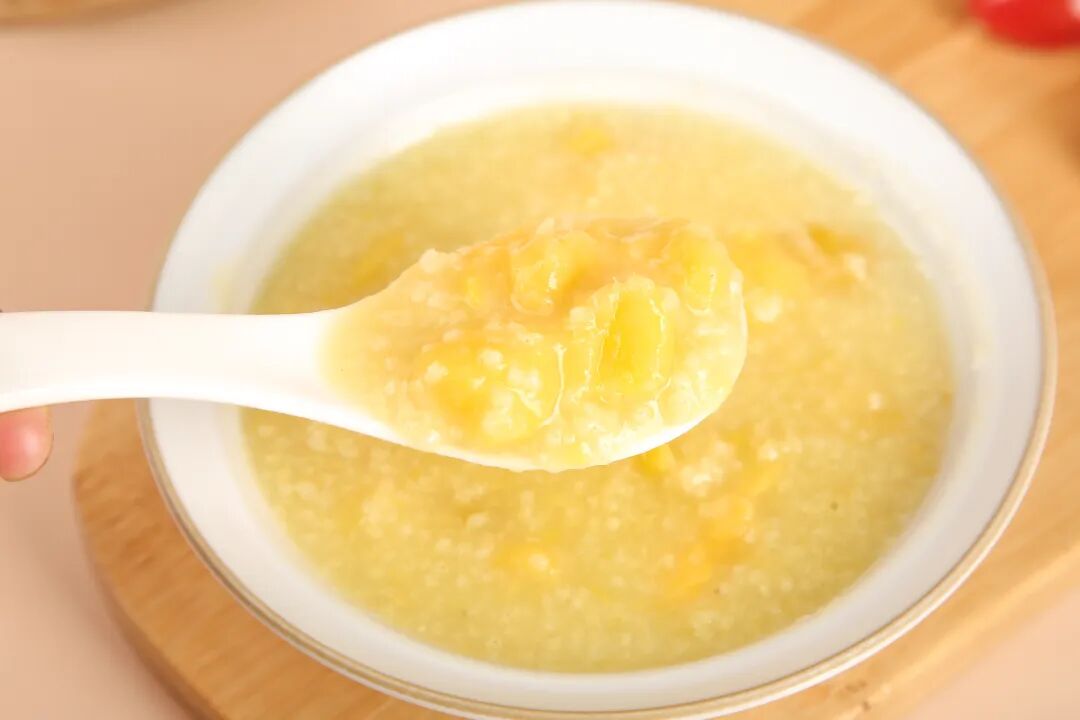
In summary, sweet potatoes are nutritious and healthy foods, but the anti-cancer myth needs to be viewed rationally, and establishing a scientific lifestyleis fundamental. Share this article to help more people overcome misconceptions and safeguard their health with the right methods!
Reference source:
[1]Zhang, Rong, et al. "Impact of different cooking methods on the flavor and chemical profile of yellow-fleshed table-stock sweetpotatoes (Ipomoea batatas L.)." Food Chemistry: X 17 (2023): 100542.

Immunity science popularization, vegetarian diet, health live broadcasts
Add a virtual assistant and join Professor Zhang's science popularization group to learn together

Founder of Lehe New Medical
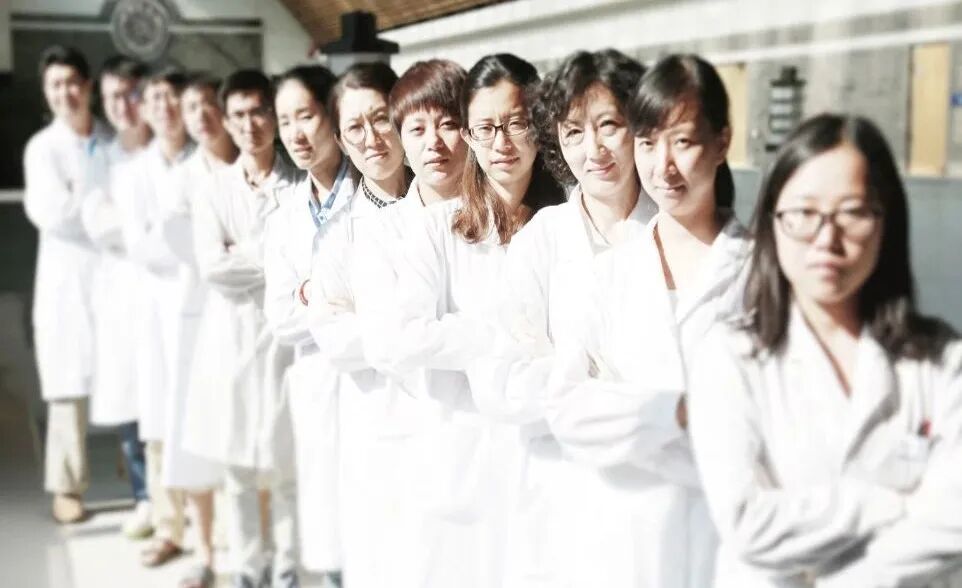
Professor Zhang Minghui, with a PhD in Immunology from Tsinghua University School of Medicine, has led a research team for over 20 years since the discovery of vNKT cells in 2002. They have accumulated experience in treating over 700 cases of solid tumors, covering almost all common types. The research findings have fully demonstrated the immense value of vNKT cells in the treatment of solid tumors.
It is suitable for postoperative patients with high pathological malignancy or a risk of recurrence; patients whose tumors have been largely controlled but not cured through conventional treatments such as chemotherapy, radiotherapy, and targeted therapy; patients with persistent high carcinogenic factors; and patients intolerant to radiotherapy and chemotherapy. If these patients do not receive effective follow-up treatment after traditional anti-tumor therapy, there is a high probability of recurrence, metastasis, or tumor reoccurrence. In such cases, vNKT cell therapy is an ideal follow-up treatment option, significantly improving patient prognosis.
Click on the image to view the exciting content from previous issues





Address: Room 1101 (Unit 101), 11th Floor, Building 1, No. 7 Courtyard, Kexueyuan Road, Life Science Park, Changping District, Beijing
Phone:010-8265 9866
Email:lehemedneo@hotmail.com