About Lehe
乐于心,和与众,与己乐,与人和; 心宽念纯,百病无生。


乐于心,和与众,与己乐,与人和; 心宽念纯,百病无生。


What is the most common sport you do in your daily life?
Walking should be the most frequently engaged sport for people
Morning walk
Walking after meals
Even after finishing a day's work, getting off the bus one stop earlier to walk home...
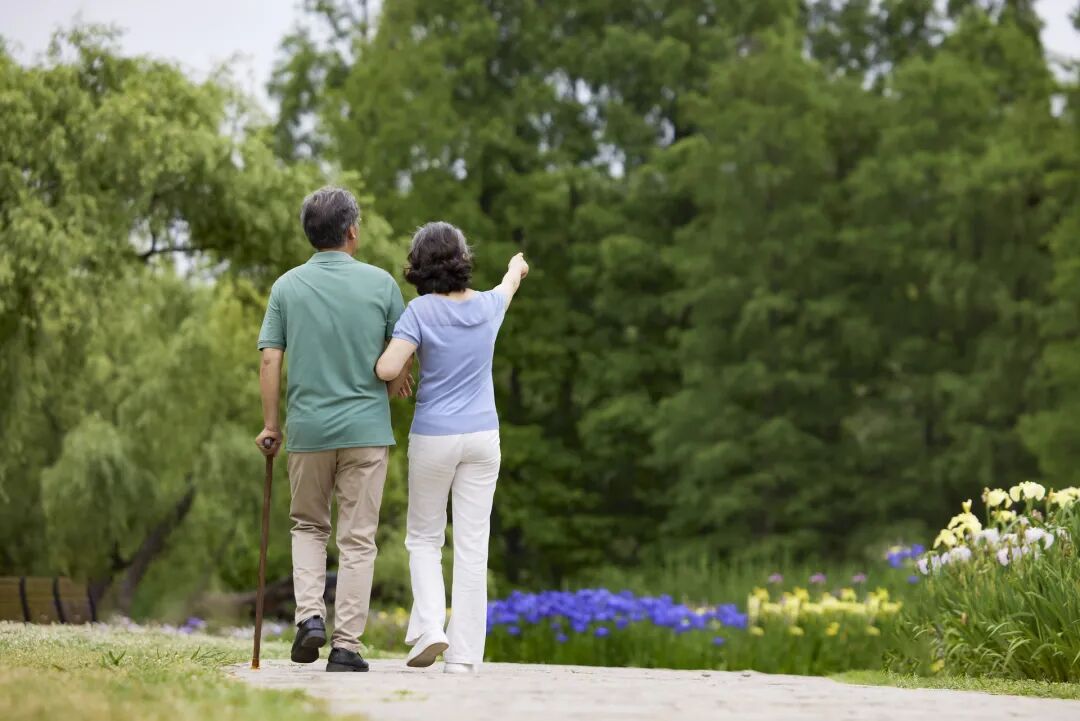
It is such a simple and easy sport that people may accomplish inadvertently, but its health benefits cannot be underestimated. The latest research from Oxford University has found that: Walking is the nemesis of the most feared cancer in humans, which can actually reduce the risk of 13types of cancer (liver cancer, lung cancer, esophageal cancer, stomach cancer, breast cancer, endometrial cancer, kidney cancer, colon cancer, rectal cancer, bladder cancer, head and neck cancer, myeloma, and myeloid leukemia)[1].
This study collected daily data from over 85,000people, tracking them for up to 6years. The researchers discovered a clear pattern: Regardless of the pace of walking, as long as one walks enough (achieving 7,000-9,000steps per day), the risk of developing cancer decreases.
5000 steps are the starting point for the reduction of cancer risk to become apparent.
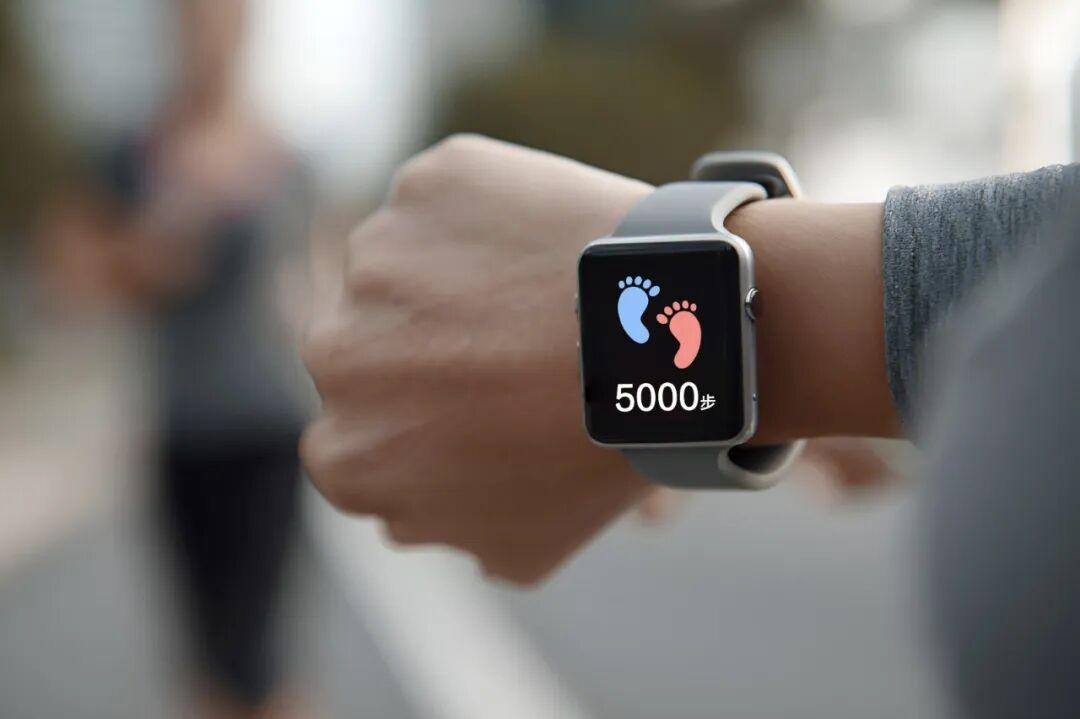
When the number of steps reaches 7000 steps, the overall risk of cancer decreases by 11%;
When the number of steps reaches 9000 steps, the overall risk of cancer decreases by 16%;
When the number of steps exceeds > 9000 steps, the benefit of risk reduction enters a "plateau period", meaning that walking more does not bring additional benefits.
Multiple mechanisms, including changes in the levels of metabolic hormones, inflammatory response , and immune function improvement , are all undergoing changes [2] during walking.
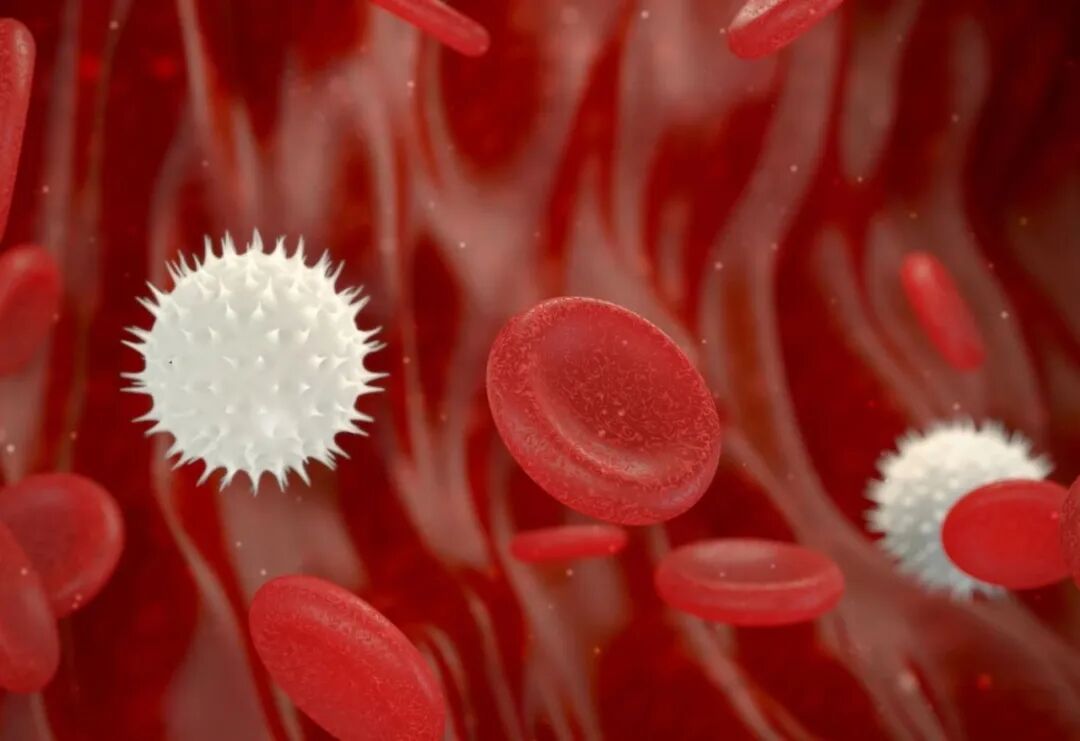
For example, walking accelerates blood circulation and the flow of immune cells (such as natural killer cells and white blood cells) in the body, enhancing their ability to recognize and eliminate abnormal cells. Studies have found that regular long-term walking can increase the activity of immune cells by 20% to 30%.
《 A study published in the British Journal of Cancer suggests that cancer patients who walk30minutes a day will experience a decrease in mortality rate34%, and an increase in survival rate< H413>33%[3]。
1、 Correct walking posture to avoid ineffective walking
Incorrect walking posture may offset the exercise benefits of80%. A single step requires mobilizing200+muscles to activate the cerebellum-H519>Vestibular-Visual triple balance system, with3Points that need special attention:
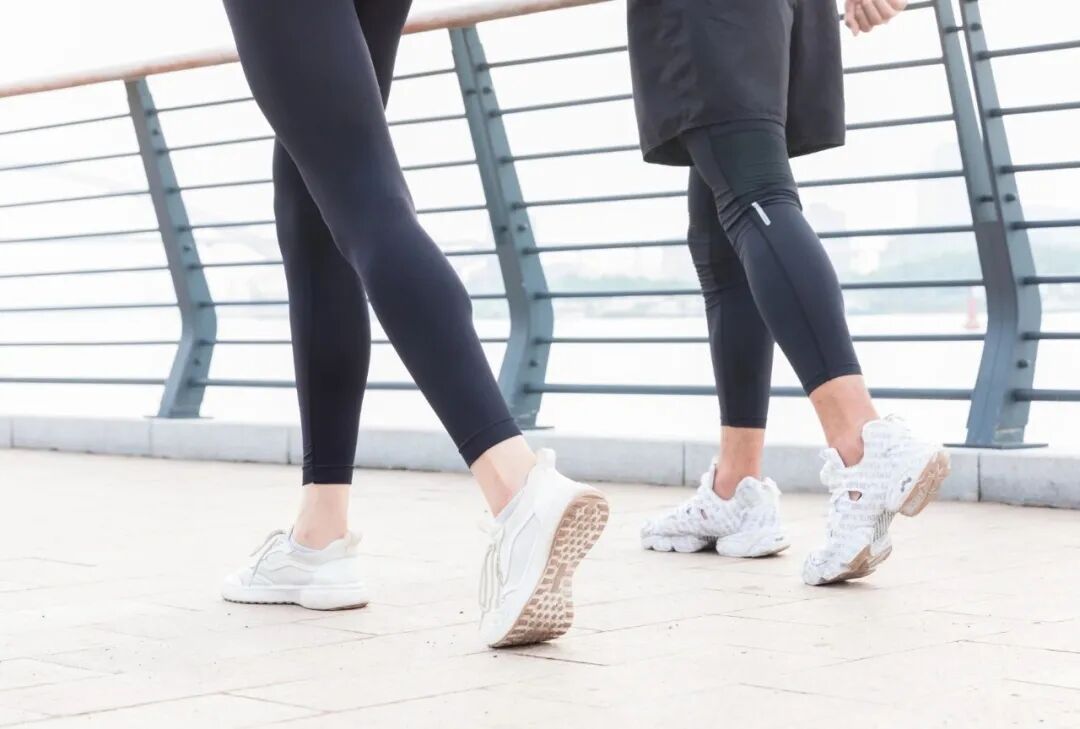
① Keep your chest and head up, and keep your spine upright without hunching;
② The swing arm should be naturally bent 30~40degrees, with the arms driving the whole body, avoiding "walking with hands behind the back";
③ The ankle and heel should move in sync, with the heel --the arch of the foot --the toes touching the ground in sequence, reducing joint impact.
2, it doesn't matter if you can't complete it all at once, accumulating in segments is also effective
Some people don't have time to complete it all at once 9000steps, or their physical strength can't support walking so much.
It's okay, accumulated walking is also effective[1]!
Try to walk briskly for 10minutes or more each time, whether it's to pick up a package at the post station, go shopping at the supermarket or market, take a walk after meals, etc. Seizing every opportunity to walk in daily life, especially for middle-aged people, may be the simplest way to reduce your risk of certain cancers.

Everyone, quickly forward this to your walking partner, and let's set off today ~
Source:
[1]https://www.sciencealert.com/walking-daily-linked-to-lower-risk-of-13-cancers-major-study-finds
[2]Expert Consensus on Exercise Therapy for Patients with Malignant Tumors in China (2022)[3]
[3]Orsini, N., Mantzoros, C. & Wolk, A. Association of physical activity with cancer incidence, mortality, and survival: a population-based study of men. Br J Cancer 98, 1864–1869 (2008). https://doi.org/10.1038/sj.bjc.6604354




Address: Room 1101 (Unit 101), 11th Floor, Building 1, No. 7 Courtyard, Kexueyuan Road, Life Science Park, Changping District, Beijing
Phone:010-8265 9866
Email:lehemedneo@hotmail.com