About Lehe
乐于心,和与众,与己乐,与人和; 心宽念纯,百病无生。
乐于心,和与众,与己乐,与人和; 心宽念纯,百病无生。


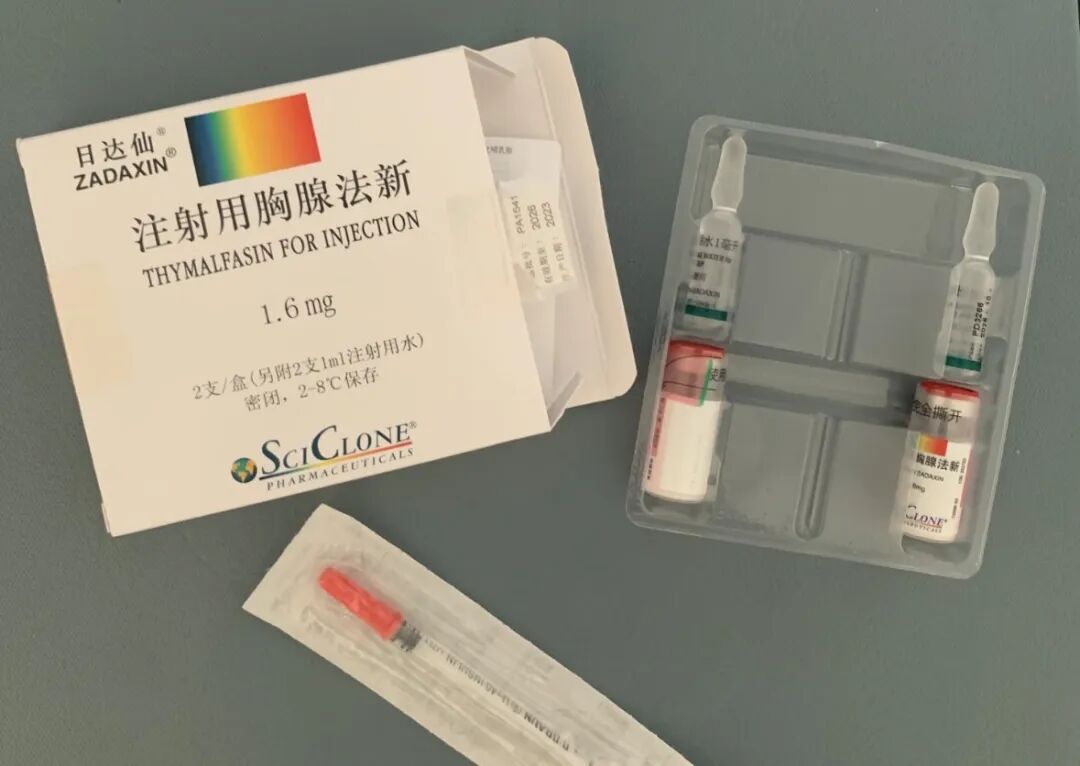
In recent years, the popularity of the drug Thymalfasin (Recombinant Human Thymosin α1) among cancer patients has been on the rise. It's surprising to find out that, according to online data, from 2019 to 2023, the annual sales of Thymalfasin products in China have increased 2.4 times, reaching a scale of 360 billion [1]. Cancer patients are one of the main users, and some even regard it as a lifesaving drug.
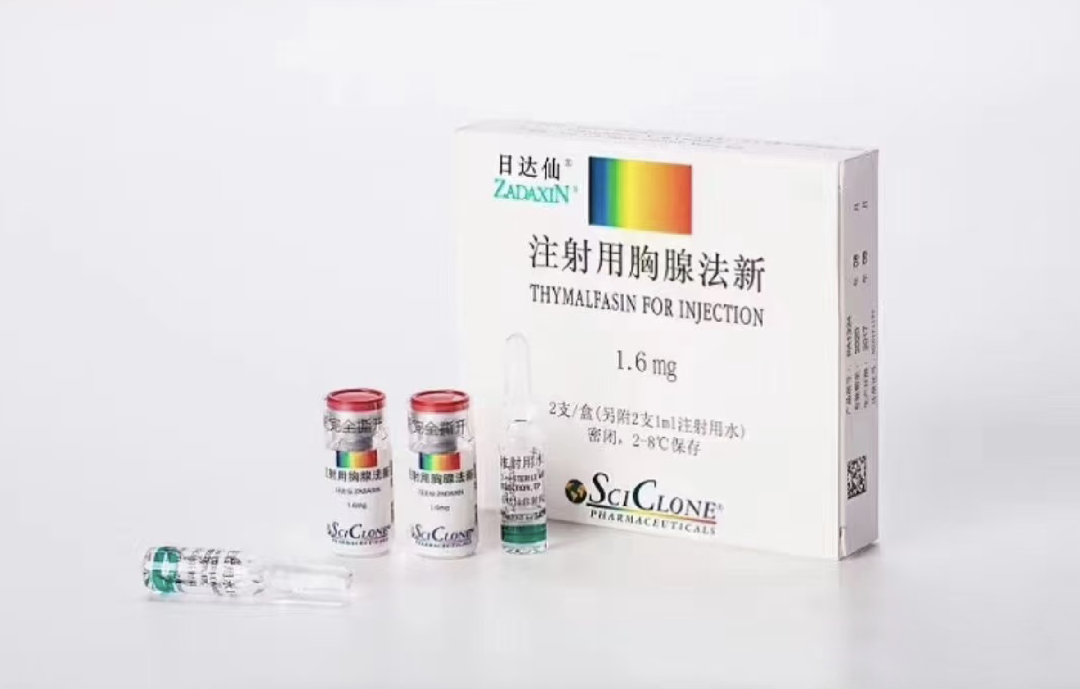
What exactly is this thymosin-based drug? Can it cure cancer? Is it suitable for you? Is it expensive? Today, we will clarify these questions that everyone is concerned about.
Firstly, it needs to be clarified that thymosin drugs, including Thymalfasin, are not “anti-cancer drugs”, but rather immune modulators.”
We all know that the occurrence and development of malignant tumors are closely related to the immune function of the body, and cancerpatients generally suffer from immune dysfunction caused by a decline in Tlymphocyte-mediated cellular immune function, and treatment methods such as surgery, chemotherapy, and radiotherapy may further suppress the immune system of tumor patients.
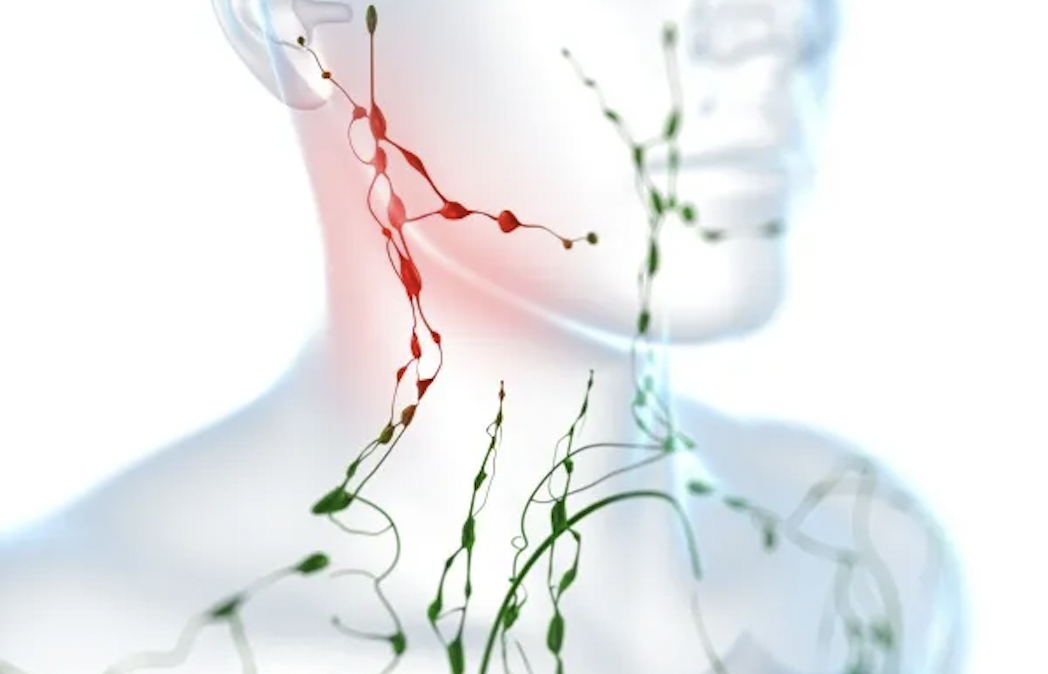
The thymus, located in the chest, is a special primary lymphatic organ in the immune system, serving as a crucial site for the differentiation and maturation of T lymphocytes. T lymphocytes are the core executors of adaptive immunity, possessing three core functions: specific recognition, precise killing, and immune regulation.
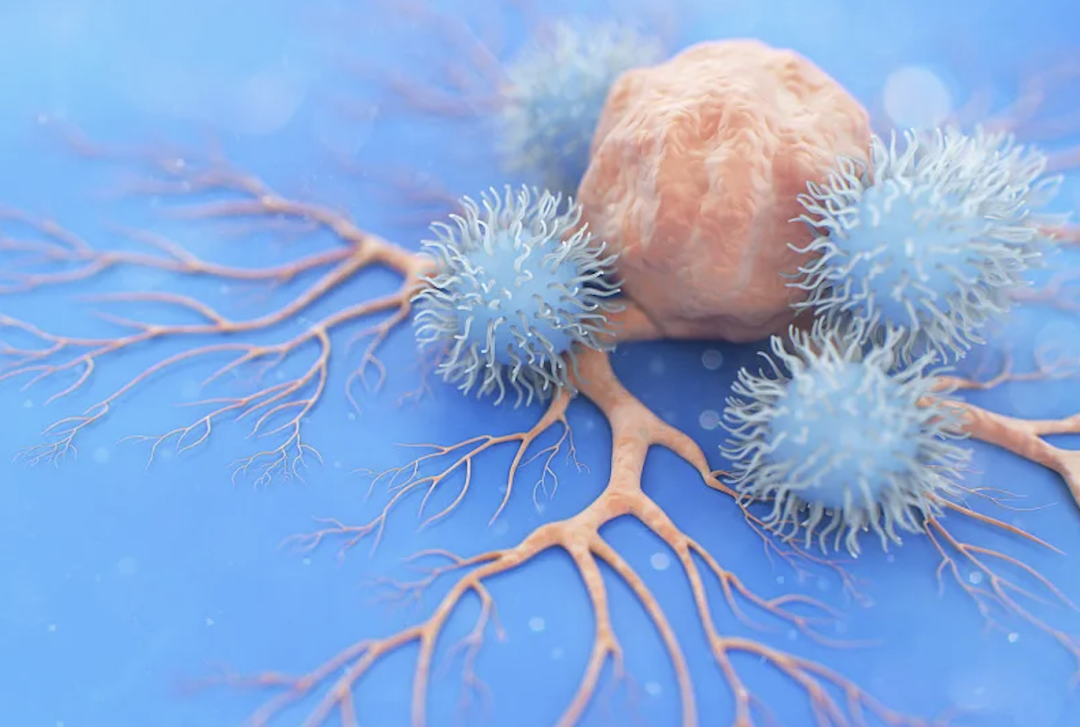
Thymalfasin and other thymic peptides simulate the natural effects of thymic hormones. These drugs primarily act on T cells, accelerating the proliferation, differentiation, and maturation of T cells in the thymus, regulating the proportion of T lymphocyte subsets, activating CD4 cells, and aggregating NK cells, thereby playing a role in regulating and activating the immune system [2], and are used as adjuvant drugs for certain tumors .
Let's look at some relevant research:
Lung Cancer : Benefits in five-year disease-free survival and overall survival [3]
A retrospective study on the impact of thymosin alpha 1 on early non-small cell lung cancer after surgery found that: Thymosin alpha 1, as an adjuvant immunomodulatory therapy, significantly improved both five-year disease-free survival and overall survival compared to the control group, except for patients with squamous cell carcinoma and those receiving targeted therapy.
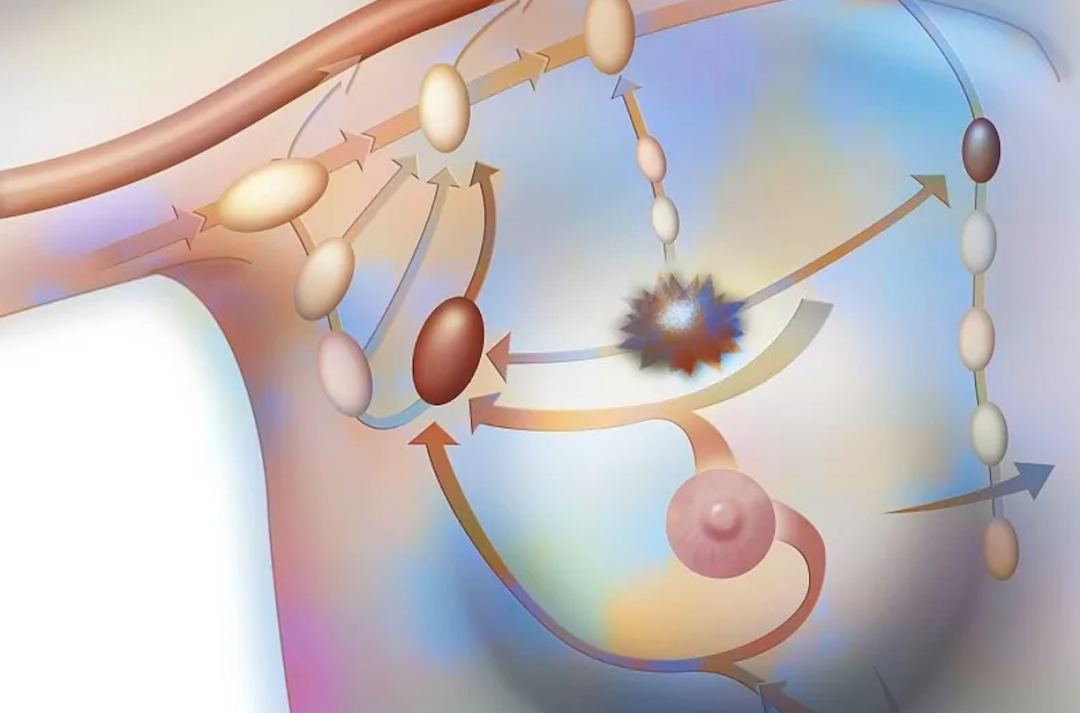
For patients with stage Ⅱ and ~stage Ⅲ breast cancer, patients can benefit from the combination of thymosin α1 with chemotherapy and radiotherapy, except for those undergoing targeted therapy.
* Triple-negative breast cancer: Thymosin α1 enhances the efficacy of radiotherapy[4]
. Studies have found that thymosin α1 may enhance the efficacy of stereotactic radiotherapy by improving dendritic cell-mediated antigen presentation and promoting T cell response.
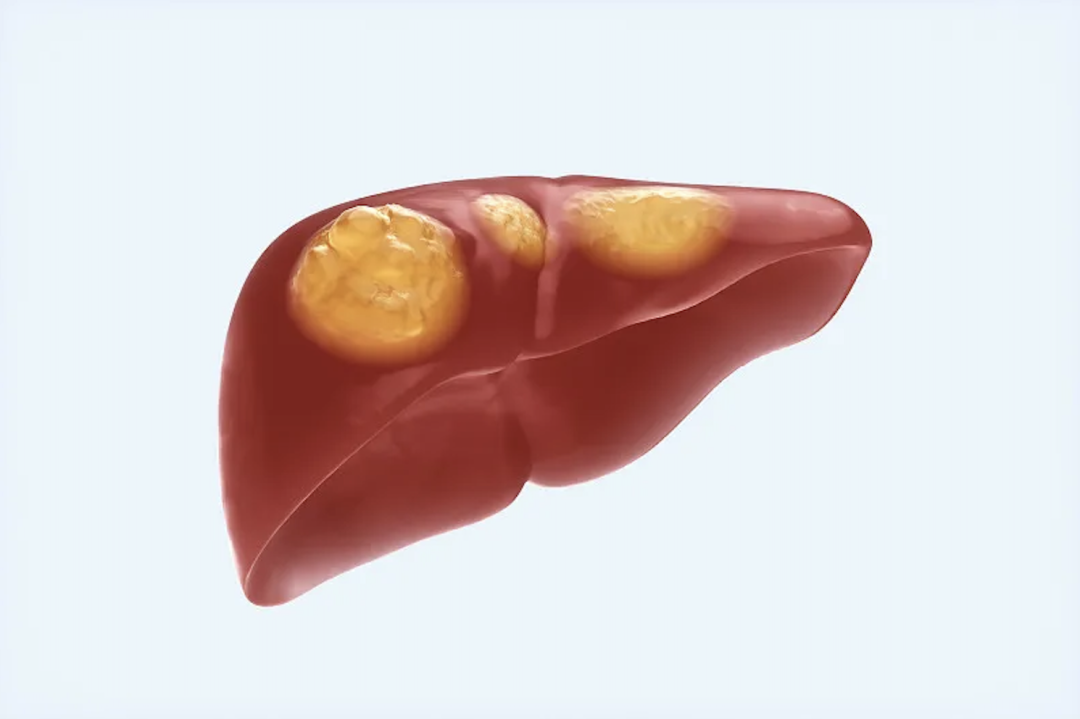
* Post-hepatectomy for liver cancer: Thymosin alpha 1 adjuvant therapy can improve the prognosis of solitary liver cancer[5]
Thymosin alpha 1 enhances patients' immune function, resulting in significantly better recurrence-free survival and overall survival for patients with solitary liver cancer compared to those who did not receive thymosin alpha 1 treatment.In 2022, the "CSCO Guidelines for Diagnosis and Treatment of Primary Liver Cancer" recommended the use of thymosin alpha 1 for adjuvant therapy after liver cancer surgery (Grade III recommendation, Level 3 evidence).
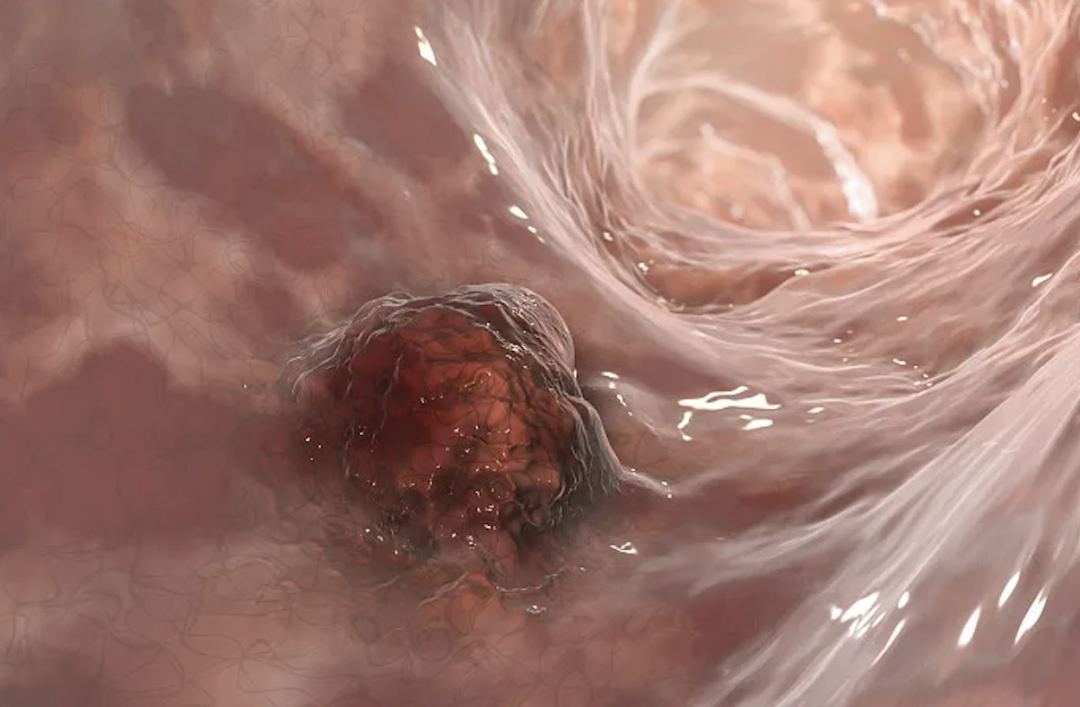
* Colorectal Cancer: Thymosin Alpha 1 Enhances the Efficacy of Intraperitoneal Hyperthermic Chemotherapy[6]
Intraperitoneal hyperthermic chemotherapy is an effective method for treating peritoneal metastasis of colorectal cancer. Clinical studies have shown that Thymosin Alpha 1 can enhance the role of intraperitoneal hyperthermic chemotherapy in preventing peritoneal metastasis by inducingTh1anti-tumor immune response.
Overall, based on current research, Thymosin Alpha 1 has some selectivity in adjuvant immunotherapy after tumor surgery. Research mainly focuses on lung cancer, liver cancer, breast cancer, and colorectal cancer, and requiresevaluation by aprofessional doctor to ensure rational medication. Avoid using beyond indications, beyond doses, and beyond treatment courses, and don't follow the trend. What suits others may not suit you.
Currently, thymosin alpha 1 is divided into two categories: domestic and imported. The price of a domestic thymosin alpha 1 injection is between 80~100 yuan, while the price of an imported thymosin alpha 1 injection is around 500 yuan.
Some may ask why there is such a significant price difference of 5 times?
Since imported thymosin alpha 1 is an originator drug, while domestic thymosin alpha 1 is a generic drug, although they are consistent in indications and efficacy, there are still certain differences in raw materials, purity, side effects, and price. Clinically, doctors can choose the more suitable drug based on the patient's individual situation.
Reading this, some friends may ask, what is the difference between thymosin alpha 1, which is used to enhance immunity, and immunotherapy using immune cells?
Thymosin alpha 1 belongs to endogenous immune regulation, which improves patients' immune function by promoting the development, proliferation, and differentiation of T cells in the body. Its role is classified as an adjuvant regulator, indirectly improving outcomes. Immunocyte therapy, on the other hand, belongs to adoptive immunotherapy, specifically expanding cellular immune cells capable of directly killing tumors, such as vNKT cells, which can rapidly kill tumor cells. It also regulates the immune microenvironment within tumor tissues, killing inhibitory immune cells such as MDSCs, breaking tumor immune evasion, and rebuilding the normal immune system. Its capabilities are greater and responsibilities are more significant. The mechanisms and effects of the two are different, and appropriate choices need to be made based on different conditions. Alternatively, you can reach out to Professor Zhang through the button below.

Reference source:< H193>
[1]《2024 To2030Annual Development Prospects Forecast and Investment Strategy Consulting Report for China's Thymus Law New Industry< H221>》
[2]Xue XC,Yan Z,Li WN,et al. Construction,expression,and characterization of thymosin alpha-1 tandem repeatsin Escherichia coli[J]. Biomed Res Int,2013, < H289>doi:10.1155/2013/720285.
[3]Impact of thymosin α1 as an immunomodulatory therapy on longterm survival of non-small cell lung cancer patients after R0 resection: a propensity score-matched analysis [J]. Chinese medical journal,2022, 135(6): 756.
[4]Zheng S, Chen J. ASCO 2025 Abstract#e13128.
[5]LINYE H, ZIJING X, WEI P, et al. Thymosin alpha-1 therapy improves postoperative survival after curative resection for solitary hepatitis B virus-related hepatocellular carcinoma: A propensity score matching analysis [J]. Medicine, 2021, 100(20): e25749.
[6]Nevo N, Lee Goldstein A, Bar-David S, et al. Thymosin Alpha 1 as an adjuvant to hyperthermic intraperitoneal chemotherapy in an experimental model of peritoneal metastases from colonic carcinoma. Int Immunopharmacol. 2022 Oct; 111:109166.
Click to view past exciting content

Address: Room 1101 (Unit 101), 11th Floor, Building 1, No. 7 Courtyard, Kexueyuan Road, Life Science Park, Changping District, Beijing
Phone:010-8265 9866
Email:lehemedneo@hotmail.com