About Lehe
乐于心,和与众,与己乐,与人和; 心宽念纯,百病无生。

乐于心,和与众,与己乐,与人和; 心宽念纯,百病无生。


It is often said that "half of cancer deaths are caused by treatment, and half by fear."
Chemotherapy, as one of the three conventional treatments for cancer, has always been controversial. The Lancet Oncology journal has published research predicting that the demand for chemotherapy will double in the next 20years, and by 2040, the highest demand for chemotherapy will come from China, accounting for over 25% of the global demand for chemotherapy[1].

So many cancer patients are facing chemotherapy treatment,
how many cancer cells can chemotherapy actually kill?
Why do some people's tumors still recur after chemotherapy?
Are the residual cancer cells in the body after chemotherapy completely eliminated?
Today's article will answer these questions for you!
The issue of the effectiveness of chemotherapy drugs is not only about evaluating the treatment effect of on , but also a crucial issue affecting patient survival and prognosis.
Generally speaking, the proportion of cancer cells eliminated by one or several chemotherapy drugs in each treatment course is fixed.
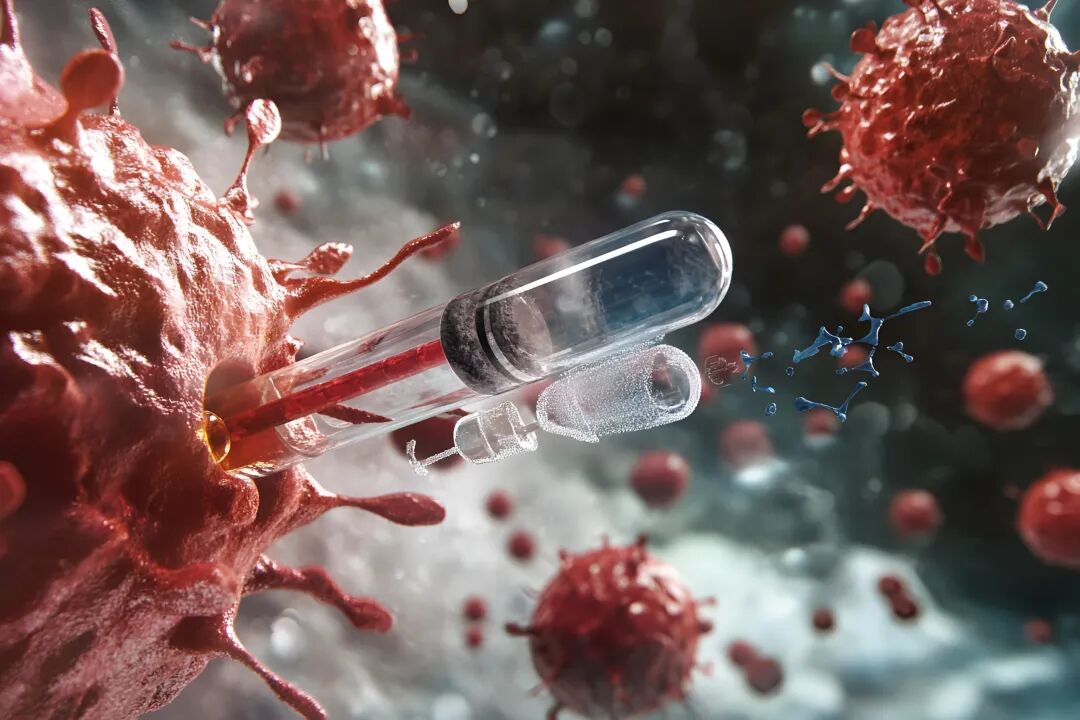
For example, suppose a chemotherapy session can eliminate 50% of cancer cells. After the first chemotherapy session, 50% of cancer cells remain. After the second session, 25% of cancer cells remain. After the third session, 12.5% of cancer cells remain. After the fourth session, 6.25% of cancer cells remain... The fifth and sixth sessions, until the last remaining cancer cells, need to be cleared by our own immune system.
However, in reality, the above calculation method is too idealized because while chemotherapy drugs kill cancer cells, the surviving cancer cells still maintain a certain rate of proliferation and grow new cancer cells. Therefore,Chemotherapy is actually a race between drugs and cancer cells.
If it is a late stage tumor, with proper matching of chemotherapy drugs,Two courses of chemotherapy can kill50%cancer cells, and four courses can kill80%~90%cancer cells. The higher the matching degree of tumor, the better the treatment effect.
The efficacy evaluation of tumorsis an important part of verifying the effectiveness of chemotherapy treatment, determined by comparing the changes in tumor size before and after treatment in patients.
① The best therapeutic effect
is achieved when the chemotherapy drug and tumorare highlymatched, resulting in complete tumor disappearance and no recurrence within a specific period of time, known as complete remission (CR).
② Has some effect
Chemotherapy drugs have a certain degree of compatibility with tumors, exerting a certain inhibitory effect. Usually, the tumor volume shrinks by more than30%, and symptoms improve, which is called partial response (PR)
③ No deterioration
Chemotherapy treatment did not significantly shrink the tumor, but it also did not further progress, resulting in stable disease (SD), which is between [partial response (PR] and [disease progression (PD)].
④ Deterioration continues
. If chemotherapy drugs fail to control tumor growth, and the tumor continues to progress, typically with a tumor volume increase of more than20%, or the emergence of new tumor lesions, it is considered disease progression (PD).

. Therefore, while undergoing chemotherapy, it is important not to neglect the evaluation of the effectiveness of chemotherapy. Generally, an evaluation should be conducted every2 to 3chemotherapy cycles to understand the sensitivity of tumor cells to chemotherapy drugs. Changes in tumor markers, CT scans, circulating tumor cells (CTCs) quantification values, etc. can all effectively reflect the effectiveness and efficacy of tumor treatment.
Reading up to here, you must have realized that in chemotherapy treatment, the matching degree between chemotherapy drugs and tumors is particularly important. This also explains from the perspective of drug effectiveness why some patients still experience disease progression despite undergoing chemotherapy.
However, there is a special situation where some patients initially respond well to chemotherapy, but the efficacy suddenly decreases after several cycles. This may indicate drug resistance, where the sensitivity to drugs decreases or even disappears as the patient's exposure to drugs increases. The reasons for drug resistance are complex.
You can click to view: What should I do if I have resistance to chemotherapy drugs or targeted drugs?
In summary, for all patients undergoing chemotherapy, it is important not to only focus on “adverse reactions”, but rather the compatibility and therapeutic effect evaluation of chemotherapy drugs are more crucial, The essence of cancer treatment is a dynamic game with cancer cells, and the ultimate goal of therapeutic effect evaluation is to make every chemotherapy drug and targeted drug a precision-guided weapon that extends "high-quality survival".
If you or your family members are experiencing difficulties with chemotherapy or cancer treatment, you can scan the QR code below to add our assistant on WeChat:
* to obtain Professor Zhang Minghui's [second diagnosis and treatment suggestion]: a personalized treatment plan, with professional assistance to help you find the most suitable survival strategy.
* Join the anti-cancer mutual aid community: Share experiences with more patients and gain support from real-life cases.

Immunity science popularization, vegetarian diet, health live broadcast
Add a virtual assistant and join Professor Zhang's science popularization group to learn together
Reference sources:
[1]Wilson BE, Jacob S, Yap ML, et al. Estimates of global chemotherapy demands and corresponding physician workforce requirements for 2018 and 2040: a population-based study[J]. Lancet Oncol, 2019.
Founder of Lehe New Medicine
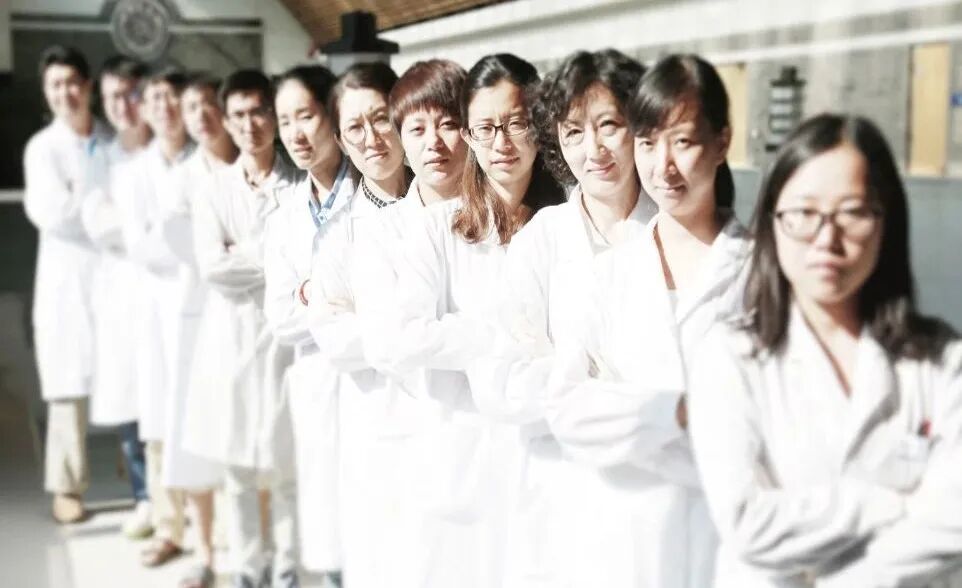
Professor Zhang Minghui, who holds a PhD in Immunology from Tsinghua University School of Medicine, has led a research team for over 20 years since the discovery of vNKT cells in 2002. They have accumulated treatment experience in over 700 cases of solid tumors, covering almost all common solid tumors. The research results fully demonstrate the great value of vNKT cells in the treatment of solid tumors.
It is suitable for postoperative patients with high pathological malignancy or a risk of recurrence; patients whose tumors have been basically controlled but not cured through conventional treatments such as chemotherapy, radiotherapy, and targeted therapy; patients with persistent high carcinogenic factors; and patients intolerant to radiotherapy and chemotherapy. If these patients do not receive effective follow-up treatment after traditional anti-tumor therapy, recurrence, metastasis, or reoccurrence of tumors will be highly probable. In this case, vNKT cell therapy is an ideal follow-up treatment method, which can significantly improve the prognosis of patients.
Click on the image to view the exciting content from previous issues




Address: Room 1101 (Unit 101), 11th Floor, Building 1, No. 7 Courtyard, Kexueyuan Road, Life Science Park, Changping District, Beijing
Phone:010-8265 9866
Email:lehemedneo@hotmail.com